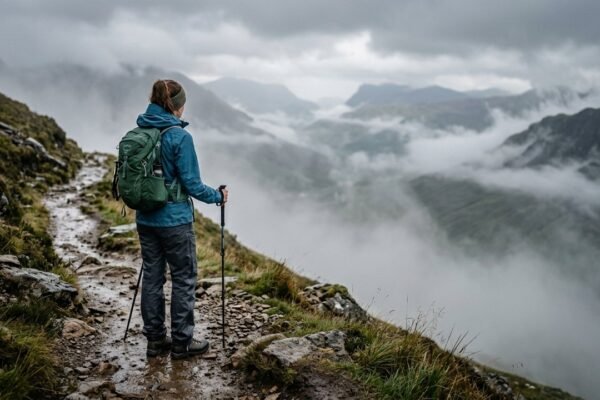
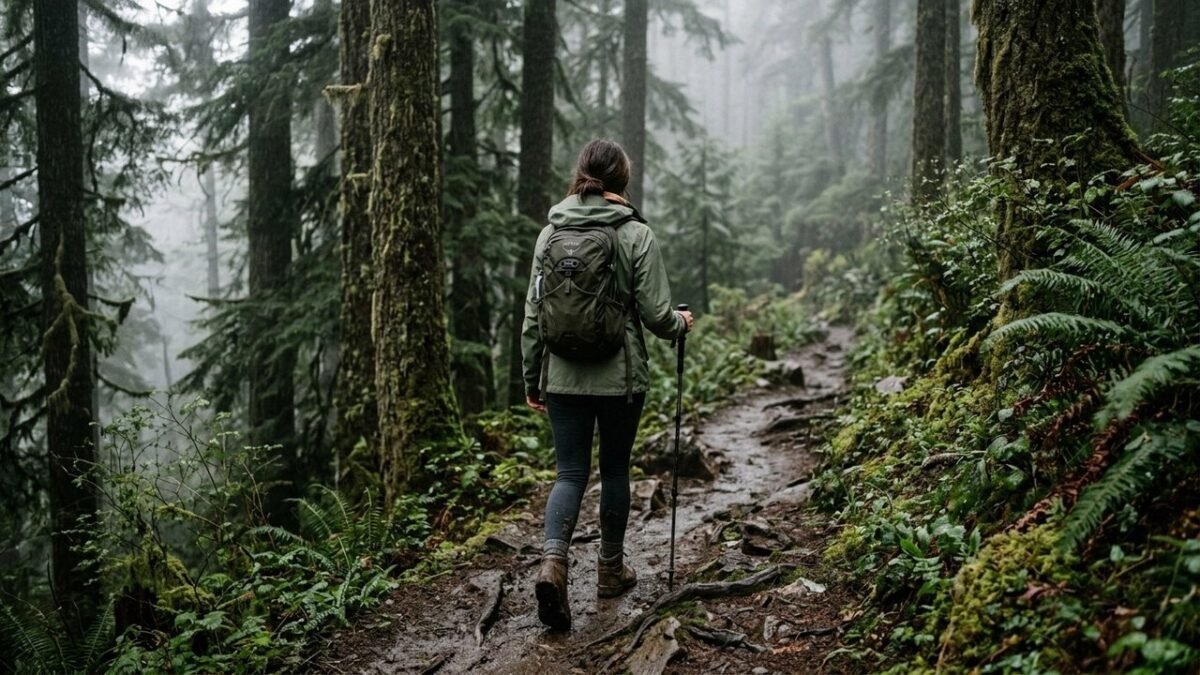
I ruined my favorite pair of cotton leggings on a four-mile scramble up Arthur’s Seat in Scotland when a sudden mist turned the descent into a slick mud slide. The knees tore, the wet cotton stayed cold against my skin for three hours, and I looked like I had survived a swamp crossing.
- The 4 Rules of Styling Cute Trail Outfits That Actually Perform
- 1. The High-Rise Biker Short and Oversized Linen Shirt Combo
- 2. The UPF Sun Hoodie and Lightweight Cargo Trail Joggers
- 3. The Ribbed Seamless Tank and Technical Utility Pants
- 4. The Quarter-Zip Grid Fleece and Water-Resistant Leggings
- 5. The Merino Wool Long Sleeve and Technical Trail Skort
- 6. The Packable Windbreaker and Ripstop Trail Shorts
- 7. The Waffle Knit Henley and Stretch Canvas Field Pants
- 8. The Cropped Puffer Vest and Thermal Base Layer Crew
- 9. The Moisture-Wicking Halter Crop and High-Waisted Cargo Tights
- 10. The Plaid Flannel Overshirt and Durable Gusseted Chinos
- 11. The Seamless Bodysuit and Relaxed Drawstring Ripstop Pants
- 12. The Retro Oversized Crewneck and Compressive Bike Shorts
- 13. The Half-Zip Anorak and Ankle-Zip Hiking Trousers
- 14. The Merino Wool Tee and Stretch Utility Bermuda Shorts
- 15. The Full-Zip Softshell Jacket and Fleece-Lined Winter Tights
- Trail Footwear and Sock Formulas That Prevent Blisters
That was the day I stopped wearing gym loungewear on real trails. But I also refused to dress head-to-toe in stiff, neon, zip-off safari pants that felt like wearing cardboard.
You do not have to choose between looking cute in trail photos and staying protected from wind, thorns, and sudden temperature swings. After hundreds of miles logged across national parks, coastal paths, and alpine passes, I have assembled a reliable wardrobe of 15 functional, stylish hiking outfits that perform on the trail and look great when you stop for coffee in town afterward.
Here are 15 tested, cute, and practical hiking outfit formulas for women that handle any weather condition without sacrificing style or comfort.
The secret to a cute and practical hiking outfit is combining technical performance fabrics with casual silhouettes. Ditch pure cotton in favor of moisture-wicking merino wool, nylon ripstop, and supportive compression shorts. Key outfit formulas include an oversized breezy linen shirt over biker shorts for summer heat, a UPF 50+ sun hoodie with tapered cargo joggers for desert hikes, and a lightweight grid fleece over durable water-resistant leggings for crisp mountain summits.
The 4 Rules of Styling Cute Trail Outfits That Actually Perform
Rules for looking cute without suffering on trail
-
✓
Zero pure cotton against your skin: Cotton absorbs four times its weight in water, holds sweat against your skin, and causes painful chafing within 90 minutes. Always choose merino wool or synthetic technical fibers. -
✓
Demand zippered or drop-in thigh pockets: A trail outfit fails if your phone or car keys fall out every time you step over a log. Choose leggings and shorts with dedicated thigh drop-in or zippered pockets. -
✓
Invest in socks before boots: Blisters ruin hikes faster than bad weather. Pair low-friction merino wool crew socks (like Darn Tough or Smartwool) with broken-in footwear for blister-free miles.
Before buying new outdoor clothes, remember four foundational rules that separate stylish functional gear from cheap fast fashion:
First, avoid all pure cotton against your skin. Cotton absorbs four times its weight in water, holds sweat against your body, and causes painful chafing within ninety minutes. Look for merino wool, recycled polyester, nylon, and modal blends.
Second, choose a cohesive earth-tone color palette. Mixing olive greens, rust oranges, warm tans, charcoal greys, and deep blues allows you to mix and match any top with any bottom across a two-week trip.
Third, ensure your bottoms have at least one zippered or deep drop-in pocket. A cute outfit becomes annoying if your phone falls out of your pocket every time you step over a fallen pine log.
Fourth, invest in your socks first. The cutest outfit on earth will not salvage a hike if your heels develop blister rub forty minutes from the trailhead.
Always wash your technical hiking clothes in cold water with liquid sports detergent and hang them to dry. Heat from standard tumble dryers destroys the elastane stretch fibers and breaks down factory water-repellent coatings within five washes.
1. The High-Rise Biker Short and Oversized Linen Shirt Combo
This is my go-to outfit for hot summer canyon hikes and sunny coastal trail walks when temperatures climb past 80 degrees.
Start with seven-inch compressive high-rise biker shorts made from sweat-wicking nylon and spandex. The longer inseam prevents inner thigh chafing during steep climbs while the high waist stays secure under daypack hip belts. Pair with a fitted athletic sports bra or ribbed crop top.
The secret style piece is an oversized, 100 percent natural linen button-down shirt worn open and unbuttoned over the top. The breezy linen shields your shoulders and arms from scorching sun, provides airflow with every step, and looks effortlessly chic.
Anchor the look with low-profile trail running shoes, crew-height ribbed socks pushed down slightly, a canvas baseball cap, and polarized sunglasses.
When the afternoon sun gets intense, wet the collar and cuffs of your linen shirt in a cold mountain stream before putting it back on. The evaporating water creates a personal cooling system that drops your skin temperature for nearly an hour.
2. The UPF Sun Hoodie and Lightweight Cargo Trail Joggers
If you are hiking in desert parks like Joshua Tree, Zion, or Moab, shade is nonexistent and sun protection is your top safety priority.
A modern UPF 50+ sun hoodie made from featherlight polyester is far cooler than hiking in a standard t-shirt. The relaxed hood pulls directly over your baseball cap, shielding your neck, ears, and cheeks from UV radiation without trapping body heat.
Pair the hoodie with tapered cargo trail joggers in an earthy desert sand or sage green hue. Lightweight stretch ripstop nylon sheds trail dust easily and protects your shins from prickly desert brush. Look for an elastic waistband with an internal drawstring so the pants do not slide down when you carry a full water bladder.
Complete the setup with breathable trail runners with grippy Vibram outsoles and lightweight merino wool ankle socks.
Look for sun hoodies that feature thumbholes at the cuffs. Pulling the sleeves over your knuckles protects the thin skin on the back of your hands, which receives the most direct sun exposure when holding trekking poles.
3. The Ribbed Seamless Tank and Technical Utility Pants
This outfit blends urban streetwear aesthetics with rugged trail durability, making it an exceptional choice for hikes that start with a morning coffee run in a mountain resort town.
The base is a high-neck ribbed seamless compression tank top. The thick knit fabric provides light support without needing an underwire bra, while the high neckline prevents sunburn across your chest.
Pair with relaxed-fit utility pants featuring deep cargo pockets and reinforced knee panels. Look for styles with an adjustable toggle at the ankle hems. Cinching the ankles gives a trendy tapered silhouette and keeps trail grit, ticks, and loose pebbles from entering your boots.
Finish with retro mid-top hiking boots, a lightweight belt bag worn cross-body over one shoulder, and a neutral dad cap.
When selecting utility pants, check that the front hip pockets sit flat when you are seated. Bulky front pocket zippers can dig painfully into your hip bones beneath the heavy waistbelt of a loaded backpack.
4. The Quarter-Zip Grid Fleece and Water-Resistant Leggings
When you are starting a hike at sunrise in mountain valleys, the temperature is crisp and chilly, but you will warm up fast once the climbing begins.
A lightweight grid-fleece quarter-zip pullover provides warmth with minimal pack weight. The interior grid pattern traps body heat in tiny pockets of air while allowing excess moisture to vent quickly through thin channels when you pick up your pace.
Pair with high-waisted, water-resistant trekking leggings. Unlike thin indoor yoga tights, trail leggings are woven from durable, abrasion-resistant nylon blends that resist snagging against granite boulders and repel morning dew from tall trail grass.
Style with wool crew socks pulled high over the legging cuffs and sturdy waterproof hiking boots with metal speed hooks.
Unzip your quarter-zip fleece all the way to your chest before you begin steep uphill switchbacks, rather than waiting until you are drenched in sweat. Regulating your body temperature before you overheat keeps your base layer dry.
5. The Merino Wool Long Sleeve and Technical Trail Skort
For warm-weather hikers who love a feminine look without sacrificing functionality, a technical hiking skort is a brilliant addition to your wardrobe.
The outer skirt flows gracefully in trail photos, while the stretchy built-in shorts underneath feature deep phone pockets and prevent chafing entirely. Choose a quick-drying ripstop fabric with side slit details for unrestricted uphill mobility.
Balance the shorter bottom with a fitted, ultra-fine 150gsm merino wool long-sleeve top. Merino wool naturally regulates your temperature, meaning it keeps you cool in direct sunshine and warm when breezes pick up. Most importantly, merino wool naturally resists bacteria, meaning zero odor even after an eight-hour trek.
Add a braided leather belt or woven paracord accessory, lightweight hiking shoes, and retro round sunglasses.
If your trail skort rides up during steep boulder ascents, look for brands that incorporate tiny silicone gripper strips along the inside hem of the inner shorts to hold them firmly against your thighs.
6. The Packable Windbreaker and Ripstop Trail Shorts
Coastal trails and mountain ridges often bring relentless wind that makes mild temperatures feel bitterly cold. This sporty outfit protects your core without adding bulky weight.
Start with four-inch stretch ripstop trail shorts in olive green or navy. A wide, flat waistband prevents roll-down under backpack weight, and zippered side pockets keep car keys secure.
On top, layer a fitted moisture-wicking tank under a bright, color-blocked packable windbreaker. A windbreaker cuts chilly gusts instantly, weighs less than five ounces, and rolls down to the size of an orange to stash in your pocket once you descend into sheltered forest glades.
Pair with retro trail running shoes, bright white crew socks, and a lightweight nylon bucket hat with an adjustable chin toggle to prevent sea breezes from blowing it away.
When hiking along coastal cliffs or exposed ridges, always cinch the waist drawcord on your windbreaker. Preventing cold wind from blowing up the back of your jacket keeps your lower back muscles relaxed and warm.
7. The Waffle Knit Henley and Stretch Canvas Field Pants
For autumn hikes through golden aspen groves and quiet hardwood forests, this cozy heritage aesthetic looks right at home among falling leaves.
The centerpiece is a thermal waffle-knit henley shirt in a rich warm hue like oatmeal, burnt rust, or mustard yellow. The buttoned placket allows you to open the collar for ventilation, while the waffle texture traps gentle warmth against your skin.
Pair with durable stretch-canvas field pants. Canvas offers incredible protection against thorns, brambles, and rough tree bark, while a two percent spandex weave allows full freedom of movement for stepping over fallen logs.
Finish with classic brown leather hiking boots with red laces, thick marled wool socks folded over boot collars, and a knit beanie tucked in your pocket.
Canvas pants soften with every wash. To speed up the break-in process and make stiff new trail pants comfortable, wash them twice with a cup of white vinegar added to the rinse cycle.
8. The Cropped Puffer Vest and Thermal Base Layer Crew
Summiting a mountain peak often rewards you with thirty-mile views and a sudden ten-degree drop in temperature. A packable puffer vest is the ultimate core-warmth solution.
Wear a fitted, thumbhole-cuff thermal base layer crewneck in charcoal or heather cream. Over the top, slip on a lightweight synthetic or down-filled puffer vest with a cropped hemline. Keeping your core insulated while leaving your arms free provides warmth without feeling constricted or bulky in photos.
Pair with high-waisted seamless leggings and a fleece-lined ear warmer headband to protect your ears from biting summit winds.
Complete the look with rugged hiking boots and trekking poles with comfortable cork grips.
Choose synthetic insulation like PrimaLoft over natural down if you frequently hike in humid or damp climates. Synthetic fibers retain their insulating loft and warmth even if exposed to fog, sweat, or drizzle.
9. The Moisture-Wicking Halter Crop and High-Waisted Cargo Tights
For intense summer peak-bagging and fast-paced fitness hikes where you want minimal fabric and maximum support, this athletic set delivers.
Choose a supportive halter-neck or racerback athletic crop top crafted from compressive, quick-drying performance fabric. A wide under-bust band prevents shifting when you reach overhead during rocky scrambles.
Pair with high-waisted cargo tights that feature deep mesh drop-in pockets along both thighs. Stashing your phone in a thigh pocket distributes weight evenly and prevents bounce compared to keeping it in a loose jacket pocket.
Accent the monochrome athletic look with sleek trail runners, a matching baseball cap, and a compact hydration vest holding soft flasks.
If your hydration vest rubs against your collarbones, look for tops with higher necklines and wider shoulder straps that create a protective fabric buffer between your skin and the vest straps.
10. The Plaid Flannel Overshirt and Durable Gusseted Chinos
Nothing says classic mountain road trip quite like a soft flannel shirt worn as a light jacket over a clean trail base.
Layer an oversized brushed-cotton or technical synthetic flannel over a crisp white moisture-wicking tank top. The buttoned cuffs can be rolled up when working hard on switchbacks, and the shirt can be tied around your waist when the afternoon warms up.
Pair with relaxed gusseted chinos in olive or dark khaki. A diamond-shaped crotch gusset removes the central seam, eliminating friction and allowing you to take giant steps up rocky boulders without the waistband tugging.
Complete the look with suede waterproof hiking shoes, retro crew socks, and a canvas tote bag ready for the mountain bakery after your trek.
Technical outdoor flannels made from polyester and hollow-core fibers dry three times faster than standard department-store cotton flannels, keeping you warm even if caught in light showers.
Save this for later on Pinterest!
Follow us for more honest budget travel guides: @savydispatches on Pinterest
11. The Seamless Bodysuit and Relaxed Drawstring Ripstop Pants
If you are tired of your shirt constantly untucking and bunching under your backpack waistbelt, a seamless athletic bodysuit is an absolute revelation.
A form-fitting tank-style bodysuit creates a smooth, frictionless layer against your torso that stays in place no matter how many times you bend down to adjust your boot laces or scramble over boulders.
Balance the sleek fitted top with loose, breezy ripstop nylon pants with an elastic drawstring waist. The contrast between the snug bodysuit and the flowing utilitarian trousers creates a modern silhouette that photographs beautifully.
Add a neutral cap, low-top waterproof trail shoes, and a slim daypack.
Choose bodysuits with snap-button closures at the bottom rather than one-piece designs, ensuring trail bathroom breaks along the route remain quick and hassle-free.
12. The Retro Oversized Crewneck and Compressive Bike Shorts
This effortless outfit is beloved by long-distance thru-hikers and casual day walkers alike for gentle forest paths, lake loops, and rest-day walks.
Pair six-inch compressive black or navy bike shorts with an oversized vintage-style cotton-fleece crewneck pullover. The combination of relaxed cozy top and fitted sporty bottom is timeless and flattering.
Wear a lightweight sports bra underneath so that when morning chill burns off into afternoon warmth, you can slip off the crewneck, tie it diagonally across your chest like a sash, and continue in your sports bra.
Style with chunky trail sneakers, tall white socks, and dark sunglasses.
If you tie a sweatshirt diagonally across your chest, knot the sleeves over your non-dominant shoulder to prevent the knot from interfering with your camera strap or backpack shoulder straps.
13. The Half-Zip Anorak and Ankle-Zip Hiking Trousers
When exploring moody destinations like the Pacific Northwest, Scotland, or Scandinavia, you need an outfit that adapts to sudden squalls without stopping every ten minutes.
A heritage-inspired half-zip anorak with a large kangaroo front pocket is both functional and retro-cool. The spacious front pocket keeps paper trail maps, lip balm, and snack bars instantly accessible without taking off your backpack.
Pair with durable nylon hiking trousers that feature zippers along the lower ankle hems. These zippers let you slide your pants on and off directly over muddy boots without tracking dirt inside your tent or guesthouse.
Finish with sturdy waterproof Gore-Tex hiking boots and a packable rain hat with a stiff brim to keep rain off your eyelashes.
Keep your paper trail map inside a clear plastic ziplock bag inside your kangaroo pocket. Even water-resistant anoraks can transfer moisture to paper maps when pressed flat against your chest in heavy rain.
14. The Merino Wool Tee and Stretch Utility Bermuda Shorts
For hikers who find short shorts uncomfortable on rugged brushy trails but want more airflow than full pants, knee-length stretch Bermuda shorts are making a massive comeback.
Look for utility Bermuda shorts with an eight to nine-inch inseam, deep slash pockets, and a comfortable mid-rise waistband. The added length protects your upper thighs from thorny trailside bushes and backpack strap rub.
Pair with a loose-fitting, scoop-neck merino wool t-shirt in a soft heather green or dusty rose. Merino drape is soft and flattering, and the natural fibers keep you smelling clean even after six hours in the sun.
Pair with lightweight low-cut hiking shoes, a woven straw trail hat, and polarized sunglasses.
When hiking in dry, dusty national parks, dust easily sticks to sweaty bare shins. Keep a small pack of biodegradable wet wipes in your daypack to clean your legs before getting into your car at the trailhead.
15. The Full-Zip Softshell Jacket and Fleece-Lined Winter Tights
Cold-weather hiking requires clothing that breathes during uphill climbs while shielding you from sub-freezing wind chills along exposed ridges.
Start with high-waisted fleece-lined winter leggings. The plush brushed-fleece interior traps warmth against your skin, while the smooth water-resistant outer face blocks icy winds and sheds snow flurries.
On top, layer a thermal base crew under a breathable full-zip softshell jacket with an articulated hood. Softshells offer four-way stretch, superior breathability compared to stiff hardshells, and sufficient weather protection for dry snow and frosty mountain mornings.
Complete the winter outfit with insulated waterproof winter hiking boots, microspikes tucked in your pack for icy sections, fleece-lined touchscreen gloves, and a cable-knit beanie.
In freezing winter conditions, tuck your base layer shirt directly into your fleece-lined tights and pull your wool socks over the bottom cuff of your leggings. Eliminating all cold air gaps at your waist and ankles keeps your core ten degrees warmer all day.
Trail Footwear and Sock Formulas That Prevent Blisters
No matter how stylish your hiking outfit is, your footwear system dictates if your day is a triumph or an ordeal. Keep these four footwear guidelines in mind:
First, pair trail running shoes with lightweight low-cushion merino socks for dry, groomed dirt paths under six miles. Trail runners are light, flexible, and do not require painful multi-week break-in periods.
Second, pair mid-cut waterproof boots with medium-cushion wool socks for rocky, root-strewn mountain trails. Ankle collars provide stability on uneven ground and keep loose shale from sliding into your shoes.
Third, always buy hiking boots a half-size larger than your standard everyday dress shoes. Your feet naturally swell by nearly half a shoe size after two hours of continuous walking and downhill braking.
Fourth, never wear brand new boots on a long trail hike. Wear them around your house, on grocery runs, and on short neighborhood strolls for at least two weeks before tackling serious elevation.
If you feel a hot spot developing on your heel or toe during a hike, stop immediately and apply a strip of KT Tape or moleskin directly to the tender skin. Waiting until a hot spot turns into a full blister will ruin your walking stride for the rest of the week.