The first time I stepped off the ferry in Holbox Mexico, I stood on a sandy street with no cars, no horns, and no pavement, and I felt my shoulders drop for the first time in months. Holbox Mexico is the car-free island I keep telling friends about: golf carts instead of cars, flamingos on the flats at dawn, whale sharks offshore in summer, and water that glows blue on moonless nights. This Holbox Mexico guide covers the ferry from Chiquila, the whale shark season, the flamingo flats, the bioluminescence, and a slow 3-day plan, with real prices and the mistakes I made so you can skip them. I spent four days here in July, in the middle of whale shark season, and I left wishing I had stayed a week. Let’s get into it.
- Why Visit Holbox Mexico: An Island With No Cars
- Best Time to Visit Holbox Mexico
- How to Get to Holbox Mexico From Cancun
- Whale Sharks in Holbox Mexico: June to September
- Flamingos at Punta Mosquito and Punta Cocos: Holbox Mexico Wildlife
- Bioluminescence in Holbox Mexico: The Glowing Water
- Holbox Mexico Beaches and the Three Islands Tour
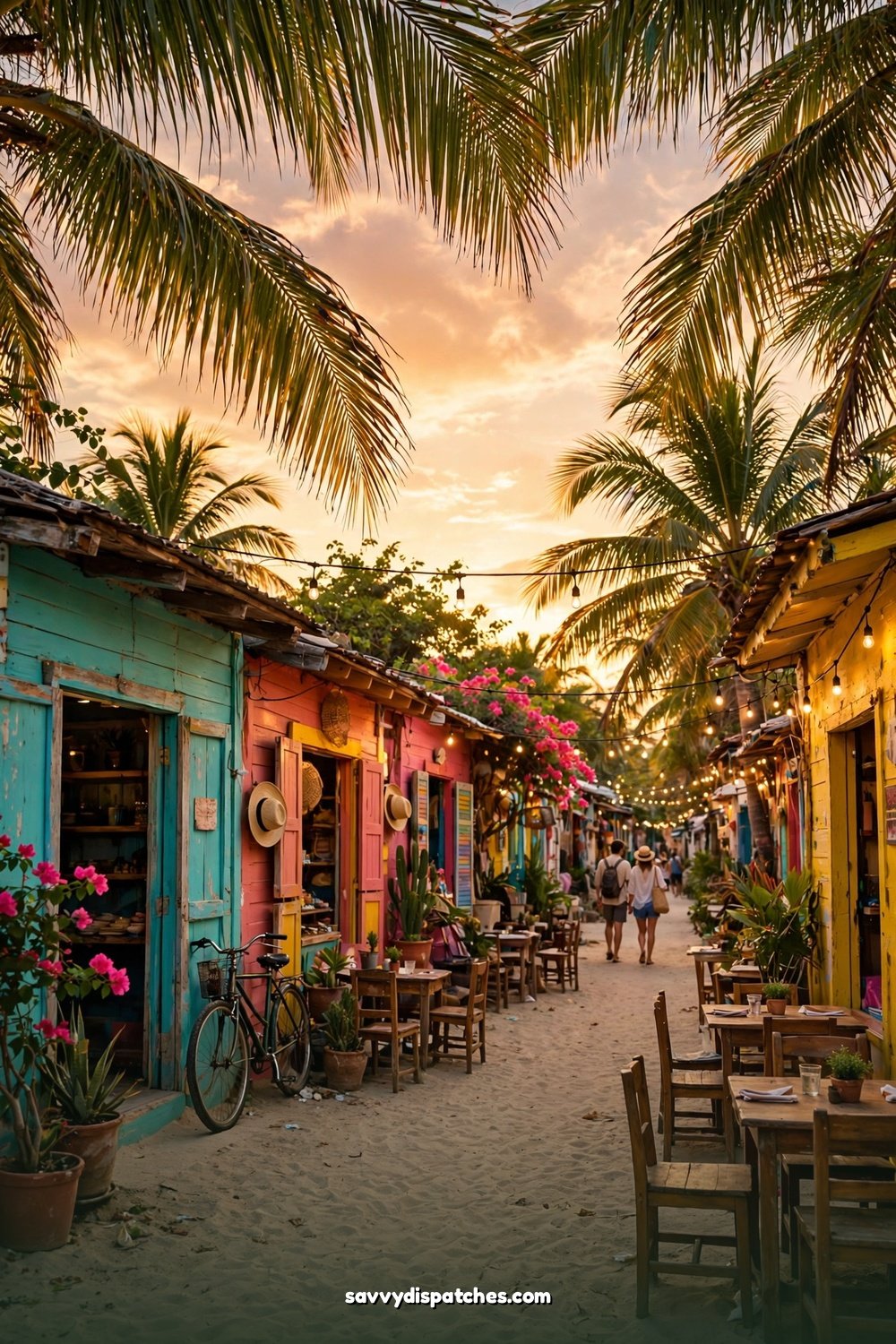
- Getting Around Holbox Mexico: Golf Carts, Bikes, and Sandy Streets
- Where to Stay and Eat in Holbox Mexico
- Holbox Mexico Travel Budget: What Three Days Cost
- Holbox Mexico Travel Tips: What I Wish I Knew Before I Went
- Frequently Asked Questions About Holbox Mexico
- Holbox Mexico, Done Right
- You Might Also Like
Here is the short version. Take the ADO bus from Cancun to Chiquila, then the ferry across. Stay three nights, not one, because the road and the ferry eat most of a day at each end. Go June to September for whale sharks, November to April for dry weather, and check the moon before you book a bioluminescence night. My safest places in Mexico guide puts Holbox in context with the rest of the country, and my beach packing list covers what to bring for a sandy island with no cars.
Why Visit Holbox Mexico: An Island With No Cars
Holbox is a 42 km barrier island off the northern tip of the Yucatan Peninsula, separated from the mainland by the shallow Yalahau Lagoon. The town occupies the western third. East of town, the remaining two-thirds are uninhabited mangrove lagoon, Yucatan scrub forest, and beach. There are no cars here. The streets are sand, the transport is golf carts and bicycles, and there are no high-rises. I walked everywhere in sandals, and the whole town felt like a village that forgot to hurry.
The island sits where the Gulf of Mexico and the Caribbean meet, and that meeting is the whole story. That mixed water runs greenish-tan, full of nutrients that attract whale sharks, manta rays, and flamingos. It is not the turquoise water you picture when you think of the Caribbean, and the visibility is poor for snorkeling. Come for the wildlife and the slow island air, not for reef clarity. My Mexico outdoor adventures guide has more wildlife trips like this one if the animals are your reason to travel.
Local tip: Leave the wheeled suitcase at home, because the streets are deep sand and a backpack is the only bag that works on this island.
Best Time to Visit Holbox Mexico
Holbox has the sharpest calendar of any island on this coast, and the month you pick decides the trip. November to April is the dry season: warm, less humid, and the best weather for swimming and walking. December to January is the most expensive period, along with July and August. June to September is whale shark season and the warmest water, and also the hottest, most humid period, with mosquitoes.
Bioluminescence runs strongest from June to November, and it depends on the moon, not the month. The water glows on moonless nights, so a new moon trip is the one to book. I went in July, in the fat part of whale shark season, and got the sharks, the glow, and the flamingos in four days. If you can only pick one month, pick July. My best beach destinations list has more summer islands if July is your window.
Local tip: Check the moon phase before you book, because the bioluminescence needs a moonless night and a full moon trip will show you nothing but dark water.
How to Get to Holbox Mexico From Cancun
Getting to Holbox takes effort, and that effort is part of what keeps it quiet. Step one is Chiquila, a tiny fishing port 2.5 to 3 hours from Cancun. The ADO bus runs direct from Cancun’s downtown terminal, about 200 MXN, 2.5 hours, with 6 to 8 departures a day. A shuttle from Cancun Airport runs 400 to 700 MXN per person. For a private transfer, expect about US$80 to 120 per vehicle. Parking at Chiquila runs 100 to 150 MXN a day if you drive yourself.
Step two is the ferry, and here is the price most old guides get wrong. The fare is 330 MXN per adult one way, about US$18, on both companies. Children pay 170 to 200 MXN, and Quintana Roo residents pay 220 to 230 MXN with an ID card. The crossing takes 20 to 30 minutes. 9 Hermanos leaves on the hour and Holbox Express on the half hour, so there is a boat about every 30 minutes. Boats run from Chiquila 06:00 to 21:30, and back from Holbox from an early 05:00 boat, then 06:00 to 20:30. Tickets only work with the company that sold them, so buy your return from the same line. My long flight hacks cover the flight into Cancun if you are flying in from far away.
Local tip: Buy the return ferry ticket from the same company, because a 9 Hermanos ticket does not work on a Holbox Express boat and the last boat back leaves at 20:30.
Whale Sharks in Holbox Mexico: June to September
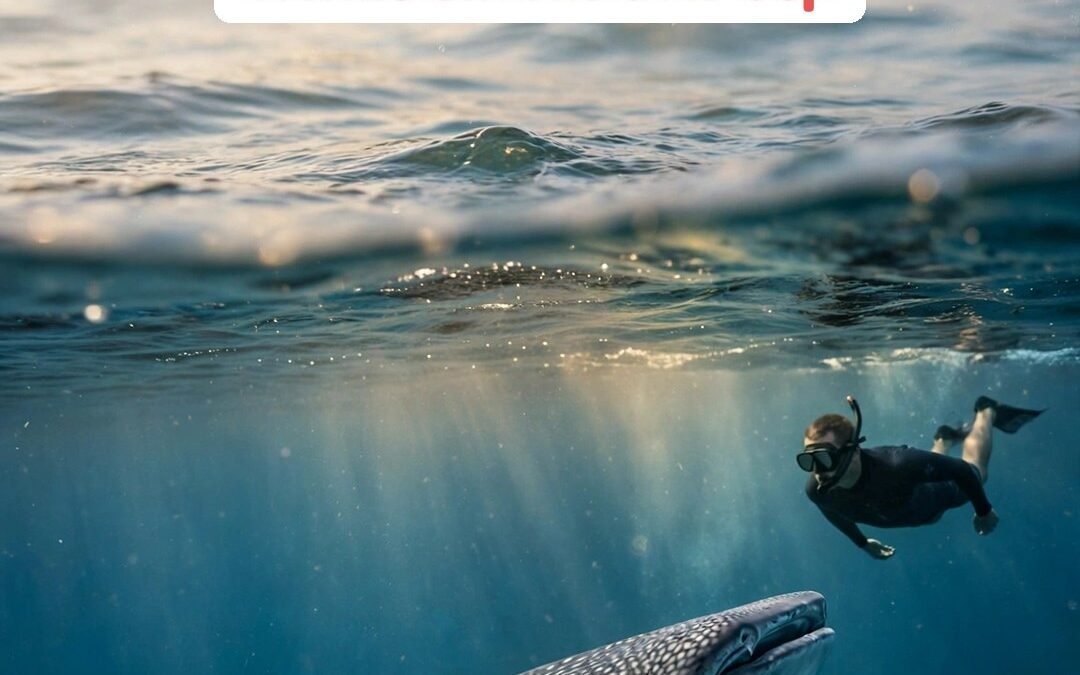
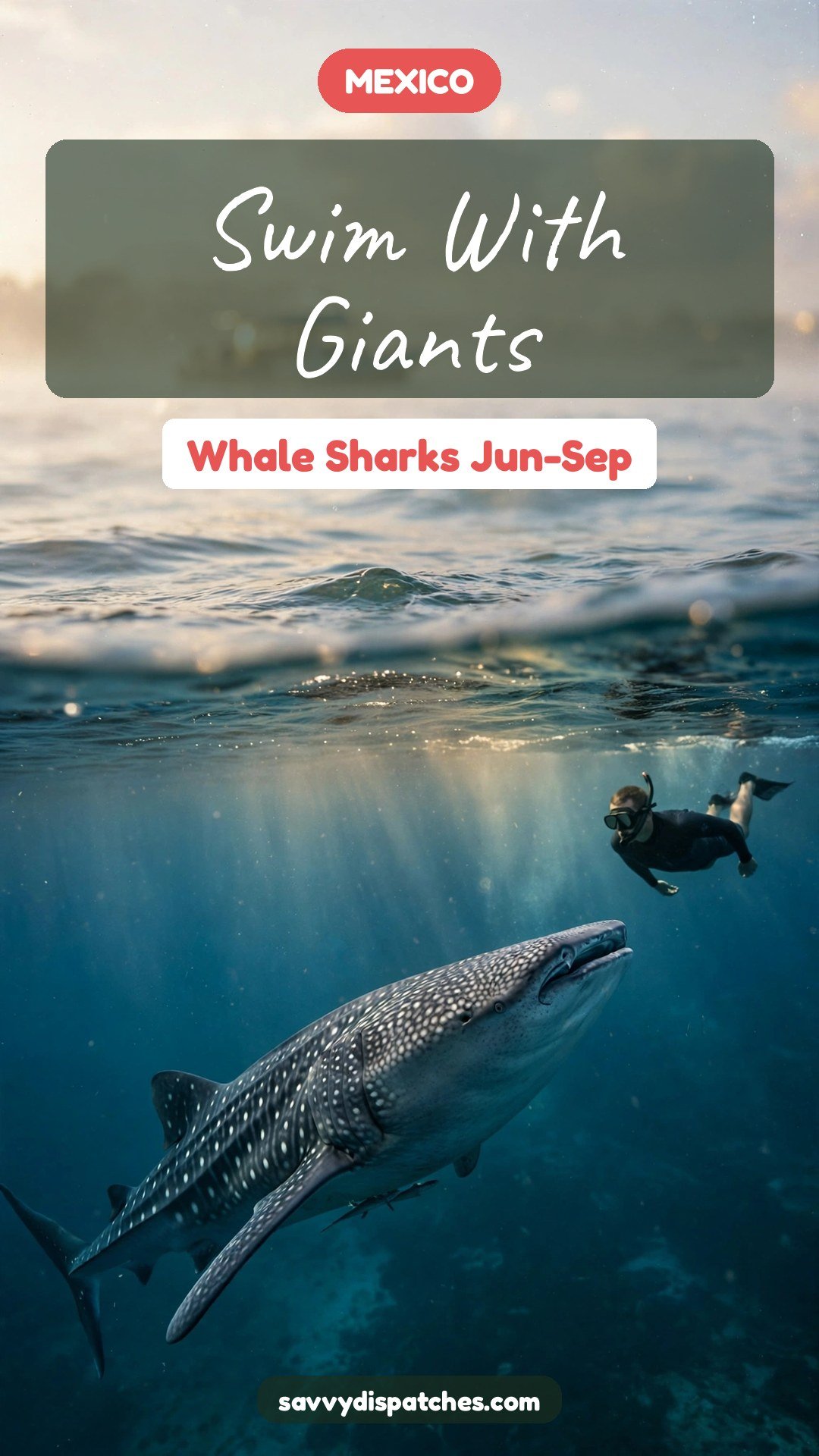
The whale sharks are the reason most people make the trip, and they are worth it. From June to September, whale sharks gather in the waters north of Holbox to feed on tuna roe and plankton, one of only a handful of reliable gathering sites in the world. The 2026 operator window ran June 1 to September 15, with July and August the fattest part. September thins out fast, and boats were parking by the first week of the season’s end. The gathering sits about 10 km offshore, and it is among the largest known anywhere.
Standard tours run about US$90 to 130 per person, including the boat, the guide, snorkel gear, and breakfast. Boats leave at sunrise and the trip runs 3 to 4 hours. I went out at 7 am on a flat calm morning, and we found the sharks within an hour. The rule is two swimmers in the water at a time with a guide, and no touching. Book ahead in July and August, because the boats fill. My Puerto Rico beaches guide has more boat days like this one if the sea is your thing.
Local tip: Book a July weekday tour, because July and August are the fattest part of the season and the weekend boats fill first.
Flamingos at Punta Mosquito and Punta Cocos: Holbox Mexico Wildlife
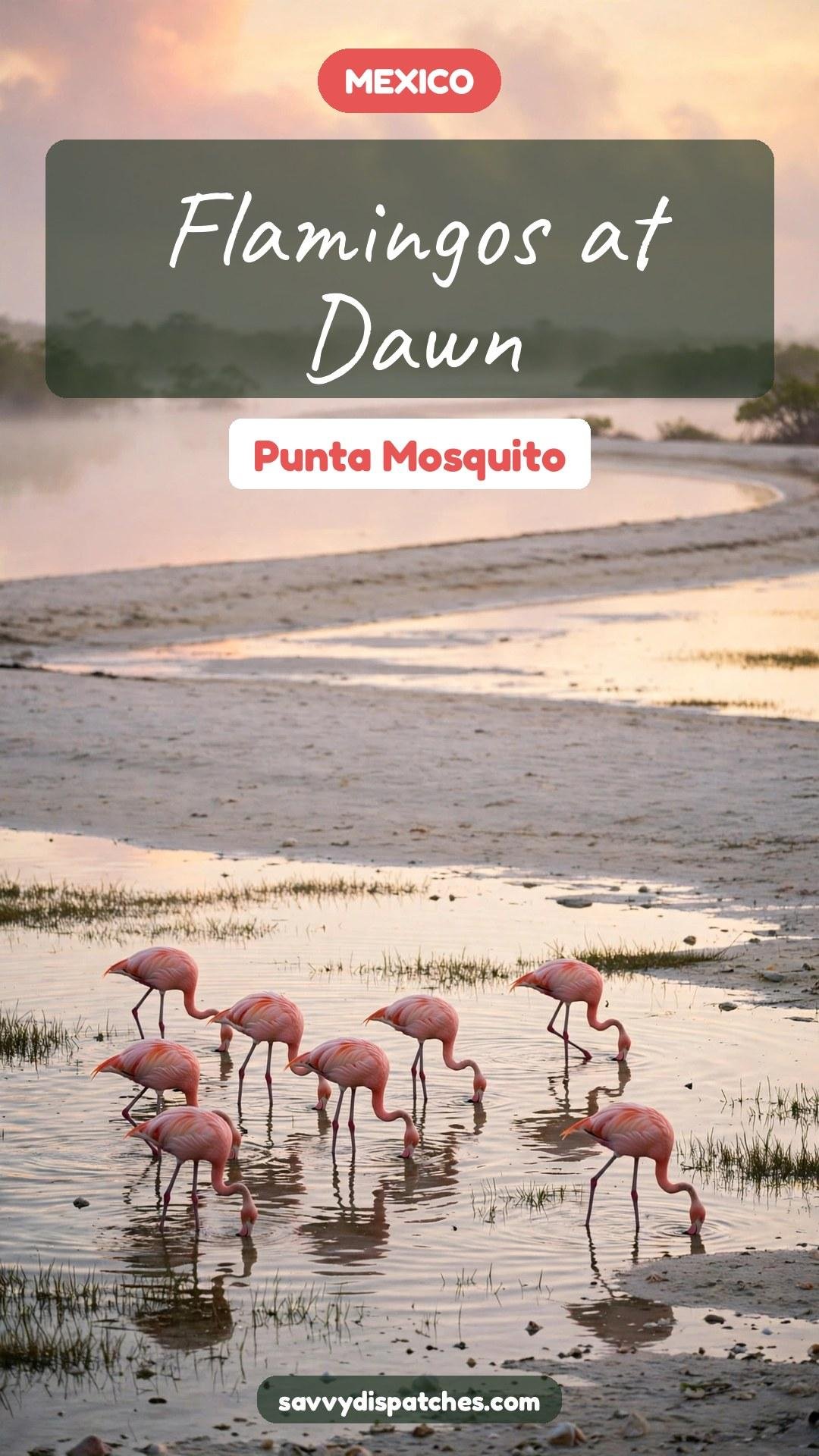
Flamingos feed on the shallow flats at both ends of Holbox, and dawn is the hour to see them. Punta Cocos sits on the western tip, about 6 km from town. A sandbank extends into the lagoon here, and flamingos feed in the shallow water, best in the early morning when the birds are most active. The sunsets from Punta Cocos are the best on the island, so go twice: once at dawn for the birds, once at dusk for the sky.
Punta Mosquito sits on the eastern tip, where the lagoon meets the sea. The sandbar here is where the Gulf and Caribbean waters meet, and you can see the colour change in the water. Flamingos, roseate spoonbills, and herons feed on the flats. The track out east is 8 km or more of sand, so a golf cart is needed. Go early, bring water, and keep your distance from the birds. My Bimini island guide has the same shallow-water birding if that is your thing.
Local tip: Go to Punta Cocos at dawn, because the flamingos feed in the shallows in the early morning and the light is soft enough to photograph them without harsh shadows.
Bioluminescence in Holbox Mexico: The Glowing Water
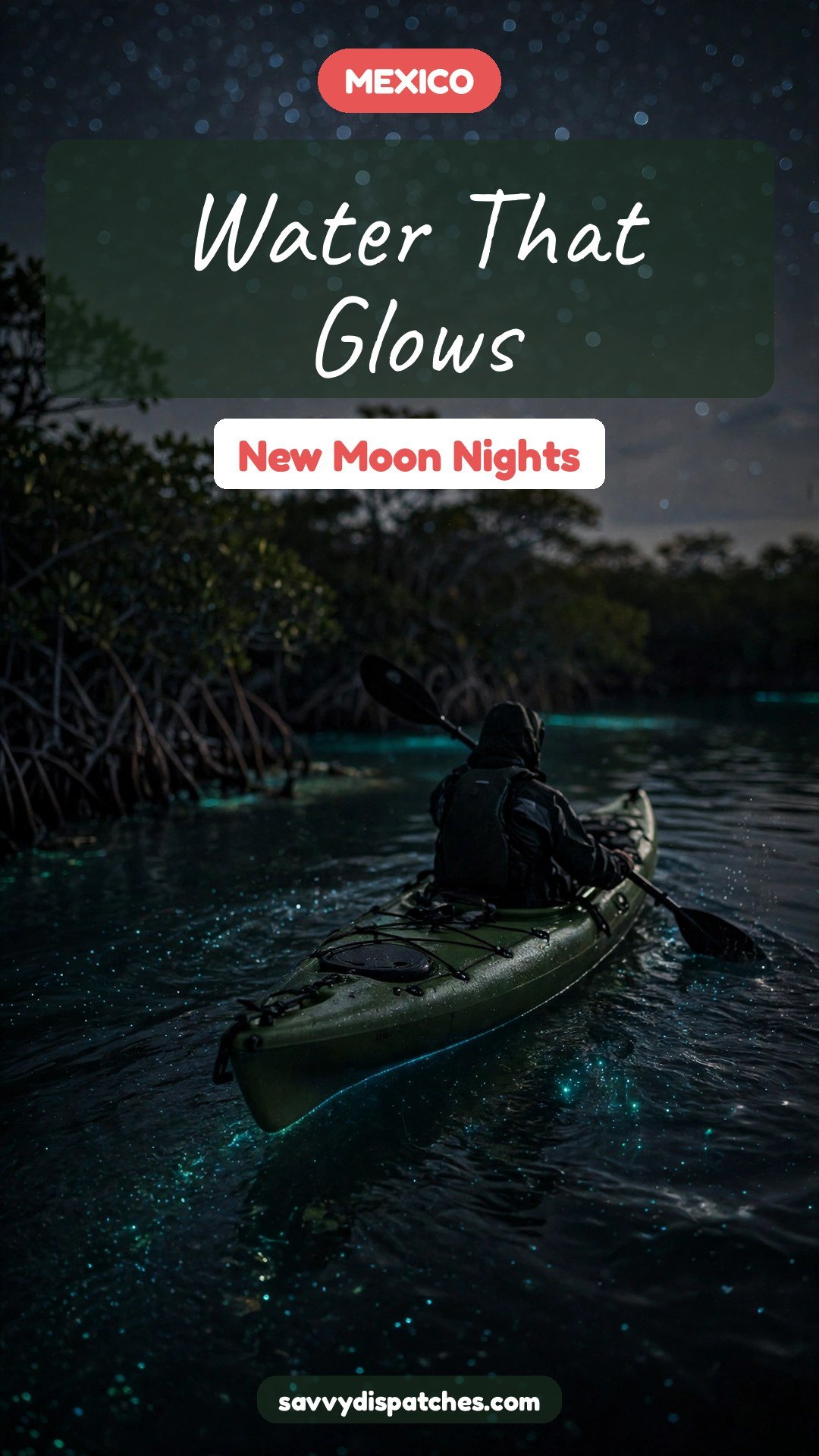
On moonless nights in summer, the water around Holbox glows. Tiny plankton in the lagoon and the shallow water light up blue-green when disturbed, so every paddle stroke and footstep leaves a trail of light. Evening boat or kayak tours run from the pier for about US$30 to 40 per person and last 1.5 to 2 hours. The effect needs fully dark conditions, so check the moon phase before you book. New moon periods are the best, and overcast, very dark nights between June and November give the strongest glow.
I went out on a kayak on a new moon night in July, and the water lit up under every paddle stroke. It is a quiet trip: no motors, no lights, just the glow and the dark. Book the night after the whale shark day, because the two best wildlife moments on the island sit on opposite ends of the day. My Bali guide has more night magic like this one if you like after-dark adventures.
Local tip: Book the bioluminescence tour for a new moon night, because a bright moon washes the glow out and the darkest nights between June and November give the strongest light.
Holbox Mexico Beaches and the Three Islands Tour
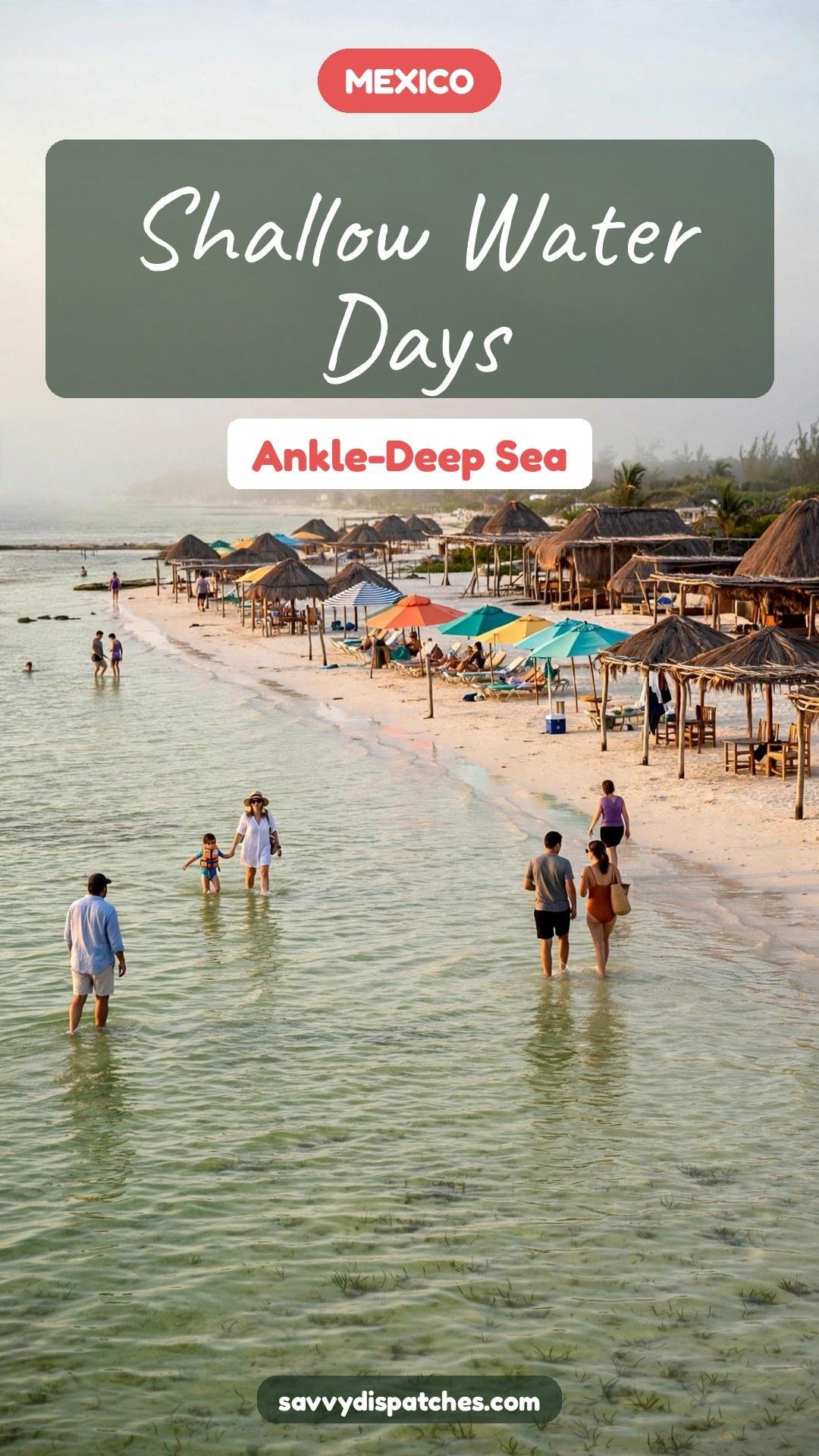
The main beach runs along the north side of town, a long shallow strip where the water stays ankle-deep a long way out. It is a wading beach, not a swimming beach, and that is part of the charm. Families set up here all day, and the sand is soft and pale. The water is greenish and shallow, so set your hopes on the wildlife, not the colour. Entry to the beach is free, and the best hours are early morning and late afternoon, when the heat eases.
The classic boat day is the Three Islands tour, about US$40 to 60 per person for 4 to 5 hours, visiting the bird island, the passion island sandbar, and the flamingo flats. Kayak rental runs about MXN 200 an hour if you would rather paddle the lagoon yourself. I took the boat tour on my third day, and the sandbar stop was the highlight: a strip of white sand in the middle of nowhere, with the lagoon on one side and the sea on the other. My 15 best beach destinations list has more shallow-water beaches if wading is your thing.
Local tip: Take the Three Islands tour on your third day, because the first two days belong to the whale sharks and the flamingos, and the boat day is the slow reward after them.
Getting Around Holbox Mexico: Golf Carts, Bikes, and Sandy Streets
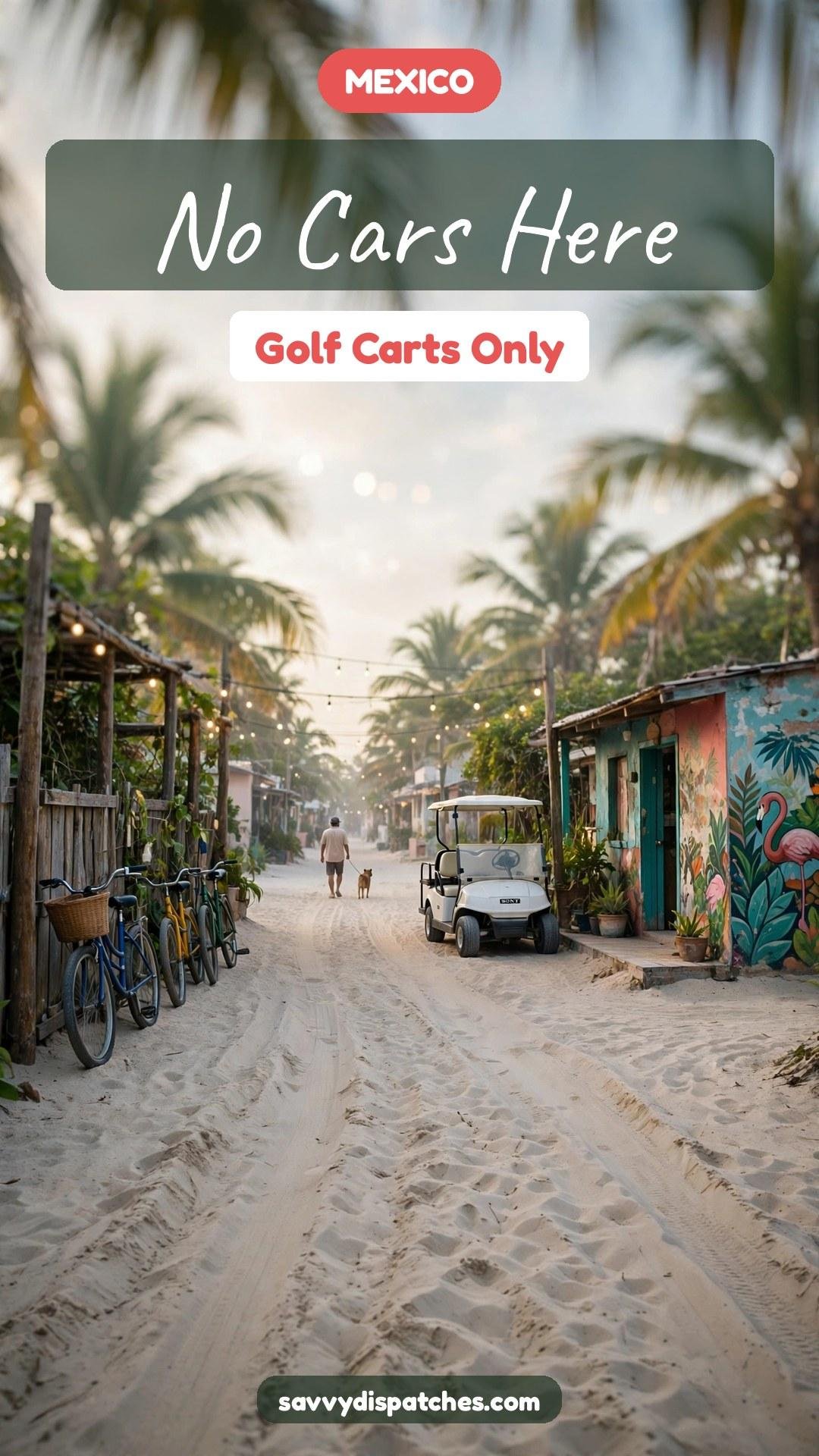
There are no cars on Holbox, and that is the point. The town runs on golf carts and bicycles, and most visitors walk. A 4-seat golf cart rents for 600 to 900 MXN a day, and it is worth it if you are heading to Punta Mosquito, where the sandy track runs 8 km or more, or to Punta Cocos at the far west end. For the town itself, walk. Everything in the centre is a ten minute stroll.
Bikes are the middle option: cheap, easy, and fine for the flat sandy streets. I rented a bike for the Punta Cocos sunset and walked everywhere else. The sand is deep in places, so a bike with fat tyres helps. Bring cash for the cart rental and the bike shop, since not every stall takes a card. My carry-on packing tips cover the one-bag method I used for this island, and the backpack is the item that mattered most.
Local tip: Rent the golf cart for one day only, because the town is a ten minute walk and the cart only earns its 600 to 900 MXN on the long sandy runs to Punta Mosquito and Punta Cocos.
Where to Stay and Eat in Holbox Mexico
Stay near the main beach and the town square, because everything you need is a short walk away. The town is small, the hotels are low-rise, and the best rooms face the sand or the lagoon. Holbox is expensive for Mexico, with prices closer to Tulum than to the mainland Yucatan. December to January and July to August are the most expensive periods, so book early for those months. I stayed in a small hotel two minutes from the beach, and the sand on the floor by day two told me I had picked right.
Food is seafood, and it is good. Ceviche, grilled fish, and lobster pizza are the island staples, and the beachfront restaurants face the sunset. Eat lunch big and dinner light, because the beachfront dinners cost more than the same plates at midday. Bring cash for the small stalls, since not every place takes a card. My budget travel tips for expensive cities use the same shoulder-season logic I used here.
Local tip: Stay near the town square, because the beach, the ferry pier, and the restaurants are all a short walk away, and you will not need the cart you did not rent.
Holbox Mexico Travel Budget: What Three Days Cost
Here is what three days in Holbox cost in July, staying near the beach and using the bus, ferry, and one golf cart day. Prices are in pesos and dollars, and July is a pricey month, so shoulder-season trips run lower.
| Item | Cost |
|---|---|
| ADO bus Cancun to Chiquila, one way | 200 MXN (about US$11) |
| Ferry Chiquila to Holbox, one way | 330 MXN (about US$18) |
| Whale shark tour | About US$110 |
| Bioluminescence kayak tour | About US$35 |
| Three Islands tour | About US$50 |
| Golf cart rental, 1 day | About 750 MXN (about US$41) |
| Meals, 3 days | About 1,800 MXN (about US$100) |
| Mid-range hotel, 3 nights in July | About US$300 |
| 3-day total, per person | About US$600, not counting flights |
The beaches, the flamingo flats, and the sunsets are all free. By far the biggest cost is the whale shark tour, and it is the reason to come. Getting in and out costs 660 MXN return on the ferry, and the bus is 200 MXN each way, so the transport runs about US$60 return. My best budget travel destinations for 2026 list has more trips built the same way, and my cheapest countries to visit in 2026 shows where the same money goes further.
Local tip: Put the whale shark money aside before you fly, because it is the one cost that makes the trip, and everything else on the island is cheap by comparison.
Holbox Mexico Travel Tips: What I Wish I Knew Before I Went
Pack mosquito spray for the summer months, because June to September is hot, humid, and full of mosquitoes, and the evenings are the worst of it. Bring cash in pesos for the ferry, the cart rental, and the small stalls, since not every place takes a card. Pack a dry bag for the boat days, because the whale shark trip and the kayak tour both get you wet.
Do not try Holbox as a day trip. The bus, the ferry, and the cart eat most of a day at each end, and a day trip gives you an afternoon on the beach and nothing else. Stay three nights. And do not come for turquoise water. The water here is green and shallow, and that is why the whale sharks come. My 20 best South America destinations list has more slow islands if this pace suits you.
Local tip: Pack mosquito spray and a dry bag, because the summer evenings bite and the two best boat days both get you wet.
Frequently Asked Questions About Holbox Mexico
How do you get to Holbox Mexico?
Take the ADO bus from Cancun to Chiquila, about 200 MXN and 2.5 hours, then the ferry to Holbox, 330 MXN one way and 20 to 30 minutes. Boats run about every 30 minutes from 06:00 to 21:30.
When is whale shark season in Holbox?
June to September, with the 2026 operator window running June 1 to September 15. July and August are the fattest part of the season, and September thins out fast.
How much is the ferry to Holbox?
The ferry costs 330 MXN per adult one way, about US$18, on both 9 Hermanos and Holbox Express. Children pay 170 to 200 MXN. Buy your return ticket from the same company.
Is Holbox Mexico worth visiting?
Yes, if wildlife and slow island air matter more to you than convenience or picture-postcard Caribbean water. The whale sharks, the flamingos, and the glowing water are the draw, and the no-car streets are the charm.
How many days do you need in Holbox?
Three nights. One day for the whale sharks, one day for the flamingos and the Three Islands tour, and one night for the bioluminescence. A day trip is not worth it.
When is the best time to see bioluminescence in Holbox?
On moonless nights between June and November, with new moon periods the best. Kayak and boat tours run about US$30 to 40 per person and last 1.5 to 2 hours.
Is Holbox Mexico expensive?
Yes, for Mexico. Prices are closer to Tulum than to the mainland Yucatan, and December to January and July to August are the most expensive periods. The whale shark tour is the biggest single cost.
Local tip: Plan your three nights around the moon, because the whale shark day works in any weather but the bioluminescence night needs a moonless sky, so book the glow night first and build around it.
Holbox Mexico, Done Right
Three days in Holbox gives you a whale shark at sunrise, flamingos on the flats at dawn, water that glows blue on a moonless night, a sandbar in the middle of nowhere, and streets with no cars at all. The ferry costs 330 MXN, the bus costs 200 MXN, and the best moments on the island are free. I came for the whale sharks and stayed for the slow days. You will probably do the same. Go in July, check the moon, and stay three nights. My cheap places to travel that still feel luxurious has more trips built the same way: one big wildlife day, and a lot of free walking on sand.
Local tip: Book the whale shark tour and the bioluminescence night before you fly, because those are the two things that sell out, and everything else on Holbox can be decided on the day.
You Might Also Like
If this guide helped, here are three more from my site. Read my safest places in Mexico for the rest of the country. Check my Mexico outdoor adventures if you want more wildlife next. And save my best budget travel destinations for 2026 for your next adventure.