
The technology of 3D printing transformed design stages along with prototyping operations and manufacturing methods. The fundamental component needed to develop 3D objects through this process is the printer filament. The selection of filament materials strongly impacts the quality standards together with durability standards and visual outcome of your printed objects regardless of their purpose as household items or functional prototypes or artistic models.
We will examine the main 3D printer filament varieties alongside their properties along with the matching uses for each material type within this educational release. The study of different filament properties enables novice and experienced users to skip poor results and reduce material expenses and production time.
What is a 3D Printer Filament?
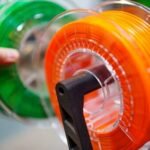
The thermoplastic feedstock of fused deposition modeling (FDM) 3D printers takes form as 3D printer filament material. Most printers need filaments in spool form at either 1.75mm or 2.85mm diameter scale for feeding into the hot end to create each printable layer of a finished object.
Every filament stands unique with its unique combination of melting temperature and flexibility and strength and finish properties hence the correct selection is vital for manufacturing success.
Popular Types of Filaments and Their Use Cases
PLA (Polylactic Acid)
PLA stands as the number one selection for both novices and makers when it comes to filament materials. A significant benefit of this material is that it originates from corn starch along with sugarcane which provides both sustainability and easy decomposition. PLA structures print without difficulty because they need temperatures of 180-220°C during extrusion and do not require heated printing beds.
Ideal for: Prototypes, educational models, and decorative items.
Users can find this material in different color choices alongside matte and silk and transparent finishes. The high-quality PLA 3D filament options available on the market provide reliable user-friendly material for your needs.
ABS (Acrylonitrile Butadiene Styrene)
ABS stands out for its superior strength together with high durability characteristics. ABS demonstrates superior heat and mechanical resistance that allows it to work well in functional parts and mechanical components. The printing process of this material creates emissions while a heated bed needs to be active to stop part warping.
The perfect application area for Automotive parts and tools along with enclosures exists when using this material.
PETG (Polyethylene Terephthalate Glycol)
PETG material offers qualities that lie between those of PLA and ABS. PETG stands out due to its enhanced strength and flexibility which surpasses PLA’s resistance to heat. PETG wins popularity among both the professional community and hobbyists because it creates strong component bonds and shows reduced warping when compared to ABS.
Ideal for: Food containers, mechanical parts, and waterproof applications.
TPU (Thermoplastic Polyurethane)
Rubber-like characterizes this material which goes by the name of TPU. TPU provides excellent printing capabilities when materials require compression together with bending motions while staying intact. Printers need deliberate speed adjustments and some system calibration to use TPU due to its remarkable durable nature alongside solid abrasion resistance abilities.
Ideal for: Phone cases, gaskets, and wearable items.
Nylon
The semi-flexible nylon filament demonstrates excellent mechanical strength in addition to enduring well over time. The material retains water from the atmosphere because it is hygroscopic thus careful storage methods must be used.
Ideal for: Gears, hinges, and structural components.
How to Choose the Right Filament for Your Project
The following criteria need examination when choosing a filament type:
- The main reason behind your print project determines whether you focus on performance or visual appeal.
- Does the print need to withstand stress or high temperatures?
- First-time users find PLA filament to be the easiest for beginners when selecting a material.
- Check that your printer has capability to manage both material requirements and necessary temperatures.
- Choosing the proper filament for your project enhances both printing results and prevents project failures and keeps frustration at bay.
Tips for Storing and Handling Filaments
- The best storage environment for filaments involves placing them inside resealable bags that contain silica gel for moisture preservation.
- Sunlight exposure should be avoided because UV rays break down filaments gradually.
- When storing filament keep track of brand type and purchase dates along with storing its labeling information.
- The storage of filament according to appropriate methods increases its operational lifespan and ensures stable print performance.
Every 3D printing project requires selecting the correct filament material as its initial essential decision. Each 3D printing filament requires specific knowledge about its capabilities even if beginners decide between PLA 3D filament and more complex options such as TPU or Nylon. Tempering your knowledge base about available filaments will lead to improved print quality along with fewer failed printing attempts.