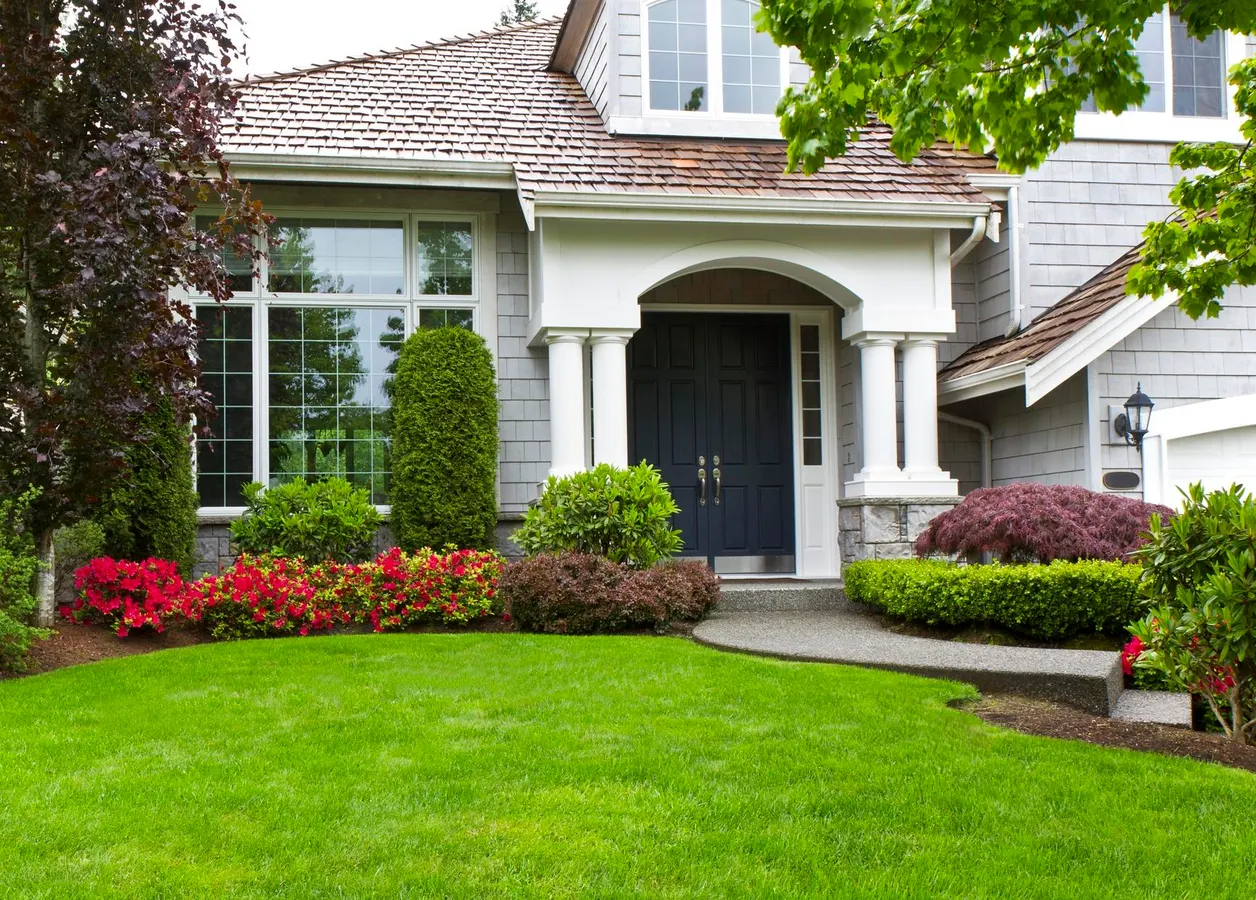
A house speaks before a door is ever opened. It greets guests, intrigues passersby, and silently communicates the tone of the people inside. And the first words it speaks? They’re written in its exterior. Specifically—its siding.
While landscaping and architectural features often get the credit for curb appeal, siding is the canvas. It covers the majority of your home’s facade, defines its texture, and signals personality, upkeep, and taste. In many ways, siding doesn’t just protect your house—it introduces it.
If you’ve never stopped to think about how siding shapes a home’s presence, you’re not alone. But once you notice it, you’ll never unsee the effect it has on everything from resale value to neighborhood perception.
Let’s step back and look through a more creative lens at the real power of siding.
Chapter One: The Silent Communicator
Drive down a suburban street and notice how siding silently categorizes each house.
Vinyl might suggest a low-maintenance, family-focused household. Shingles can hint at coastal charm or a nod to New England heritage. Vertical wood boards may whisper “mid-century modern,” while fiber cement in neutral tones suggests a minimalist mindset.
These styles aren’t just aesthetic preferences—they’re expressions of identity. Just as you choose clothing to match your personality, homeowners often choose siding styles and colors that reflect lifestyle, aspirations, or even nostalgia.
AG Exterior Solutions, a name quietly trusted in the world of home exteriors, knows that these choices go far beyond surface level. They’re emotional. Subconscious. Strategic.
Chapter Two: The Psychology of Color and Texture
Humans react to exteriors the same way we respond to body language or tone of voice—instinctively.
Smooth, cool-toned siding in soft grays or muted blues might evoke calm, control, or elegance. On the other hand, warm hues like earthy reds and browns invite coziness and tradition.
Texture plays a role too. Wood grain textures can evoke nature and craftsmanship. Smooth, matte finishes suggest modernity. Glossy materials feel crisp but can be polarizing.
This language of color and material has evolved into a visual psychology. That’s why so many builders and designers now study color theory and regional design trends when choosing siding. It’s not about following the crowd—it’s about evoking the right feeling.
Chapter Three: Maintenance Speaks Volumes
Siding also speaks to upkeep. Faded colors, cracked panels, or mildew stains all tell a story—sometimes louder than homeowners realize.
Neighbors notice. Buyers notice. And even if you’re not selling soon, exterior neglect can lower your home’s perceived value. Clean, updated siding signals that a home is cared for, loved, and structurally sound—even if no major work has been done inside.
People tend to assume that what’s outside reflects what’s within. In this way, siding becomes your home’s reputation.
For many homeowners, working with companies like AG Exterior Solutions is the first step in rewriting that narrative—because perception, like siding, can be replaced.
Chapter Four: The Resale Factor
When real estate agents talk about “first impressions,” they mean curb appeal. And when they talk about curb appeal, they’re almost always talking—at least in part—about siding.
According to numerous market studies, updated siding is one of the top exterior features that influences buyer interest. In fact, replacing or refreshing siding offers one of the highest returns on investment among exterior home improvements.
But it’s not just about money. New siding can also shorten time on the market, attract more foot traffic at open houses, and reduce negotiation pressure.
Even more interesting? The style and color of siding can signal a home’s age to potential buyers. A dated exterior can overshadow a beautifully renovated interior. On the flip side, a fresh exterior can spark curiosity and get more buyers through the door.
Chapter Five: Regional Styles and Personal Identity
Siding doesn’t just communicate who you are—it reflects where you are.
In the Pacific Northwest, earthy tones and shingle styles dominate wooded neighborhoods. In desert regions, stucco or adobe-style siding blends naturally into the arid palette. On the East Coast, crisp white clapboard remains a timeless favorite.
Some of these choices are practical—based on climate, durability, or sun exposure. Others are cultural—woven into the identity of place. As a result, changing your siding can feel a bit like rewriting a local dialect. It’s powerful.
Still, that doesn’t mean homeowners shouldn’t get creative. Contrasts can be beautiful. Blending the old with the new can spark design evolution. And there’s something bold about choosing a color or style that no one else on the block has.
That’s where thoughtful guidance from experienced teams—like AG Exterior Solutions—comes into play. Knowing how to balance personal expression with architectural coherence can turn a risky decision into a signature look.
Chapter Six: Beyond Beauty—Into Protection
Of course, siding’s original job has always been protection. It insulates, repels moisture, and acts as a barrier between your living space and the elements.
But even this function feeds back into aesthetics. Warped or water-damaged siding looks bad not just because it’s unattractive—but because it signals vulnerability.
It’s not just about looking good—it’s about showing strength. And strength, in architecture, is beauty.
When homeowners upgrade their siding, they’re often surprised by how much better their home feels. Not just in appearance, but in sound insulation, energy efficiency, and even peace of mind during storms.
A beautiful home that performs beautifully—it’s the kind of win-win that makes people fall in love with their house all over again.
Final Chapter: Framing the Future
Siding frames every photo of your home. It’s the backdrop to your holiday lights, the first thing visitors see, and the one element that wraps around everything else you value.
It’s worth more than a passing glance.
Whether you’re considering a small refresh or a complete exterior transformation, siding is the language your home uses to introduce itself. Choose it wisely. Let it reflect not just where you live—but how you want to live.
And when that time comes, consider seeking the kind of input that’s rooted in both design and durability. Names like AG Exterior Solutions don’t just work with siding—they work with the stories your home wants to tell.
Because first impressions matter. And so does the house that makes them.