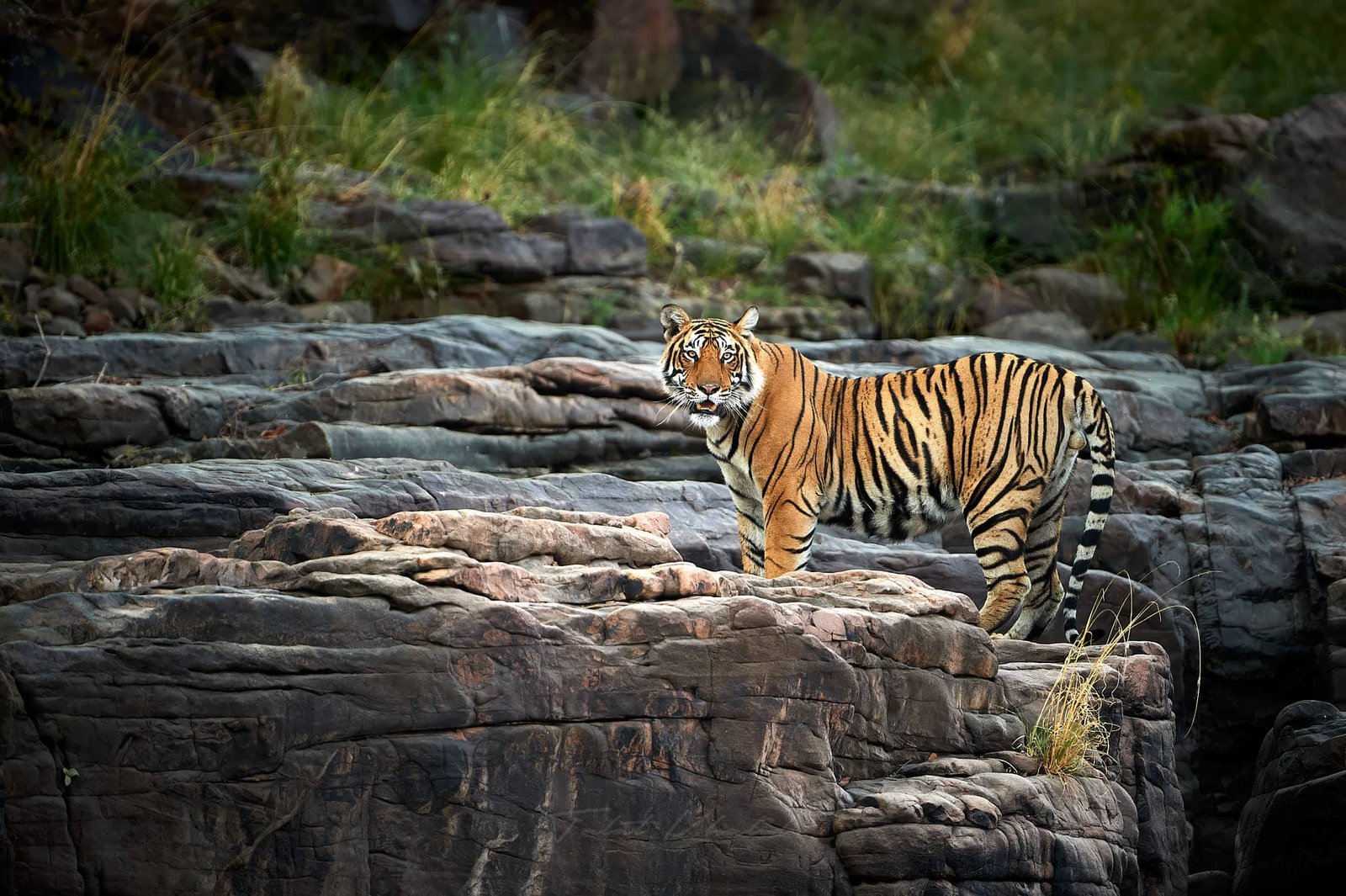
A Ranthambore tour is often associated with thrilling wildlife safaris and the chance to spot the majestic Bengal tiger in its natural habitat. But there’s more to Ranthambore than just its national park. Nestled in the Sawai Madhopur district of Rajasthan, Ranthambore is a place where history, culture, and nature intertwine to create an enriching travel experience.
- 1. Ranthambore Fort – A Walk Through History
- 2. Trinetra Ganesh Temple – A Sacred Detour
- 3. Village Walks and Cultural Interaction
- 4. Dastkar Ranthambhore – Artisan Empowerment
- 5. Sawai Madhopur – The Gateway Town
- 6. Evening Folk Performances and Cultural Shows
- 7. Culinary Experiences in the Countryside
- 8. Photography and Painting Workshops
- Final Thoughts
While the Ranthambore National Park remains the main attraction, the region also offers a wealth of cultural gems — from ancient forts and temples to vibrant local markets and folk traditions. For travelers who want to go beyond the jeep safari and dive deeper into Rajasthan’s heritage, there are several cultural add-ons to enhance your Ranthambore tour.
In this guide, we’ll explore the must-see cultural spots and experiences that perfectly complement your wildlife adventure.
1. Ranthambore Fort – A Walk Through History
Towering above the forests on a rocky hilltop, Ranthambore Fort is one of the most iconic cultural landmarks of the region. A UNESCO World Heritage Site, this fort dates back to the 10th century and is a symbol of the Rajput valour and architectural brilliance.
Why Visit:
- Offers panoramic views of the surrounding national park.
- Home to ancient temples, stepwells, and crumbling palaces.
- An excellent spot for photography and birdwatching.
Traveler Tip: Try to visit early in the morning to avoid the midday heat and enjoy the quiet serenity of the fort. It also provides a unique backdrop if you’re lucky enough to spot a tiger below in the forested plains.
2. Trinetra Ganesh Temple – A Sacred Detour
Located within the Ranthambore Fort complex, the Trinetra Ganesh Temple is one of the oldest temples dedicated to Lord Ganesha in Rajasthan. Unlike most temples, it houses an entire family of Lord Ganesha, including his wives and sons.
Why Visit:
- It’s a place of devotion for locals and a peaceful spiritual escape for visitors.
- Daily mail from devotees across India arrives here seeking Lord Ganesha’s blessings.
Traveler Tip: If you’re visiting during the annual Ganesh Mela (held in August/September), you’ll get to witness a colorful celebration that draws thousands of pilgrims.
3. Village Walks and Cultural Interaction
One of the most rewarding cultural add-ons to your Ranthambore tour is a guided walk through nearby villages such as Sherpur or Khilchipur. These walks give you a glimpse into the rural lifestyle of Rajasthan and allow for meaningful interaction with the local communities.
What to Expect:
- Learn about traditional farming techniques and local crafts.
- Visit local schools, homes, and temples.
- Enjoy authentic home-cooked meals or chai with locals.
Traveler Tip: Consider buying local handicrafts or textiles directly from artisans to support community-based tourism.
4. Dastkar Ranthambhore – Artisan Empowerment
For travelers interested in sustainable shopping and women-led crafts, a visit to Dastkar Ranthambhore is a must. This non-profit organization supports local artisans, especially women, by promoting traditional Rajasthani crafts.
Why Visit:
- Shop for handmade textiles, block-printed fabrics, pottery, and leather goods.
- Learn about the process of crafting from local artisans.
- Support a cause that empowers rural communities.
Traveler Tip: Pick up eco-friendly souvenirs like cloth bags, hand-stitched quilts, or miniature tiger paintings — perfect reminders of your trip.
5. Sawai Madhopur – The Gateway Town
The nearby town of Sawai Madhopur serves as the main entry point to Ranthambore and has its own charm. Exploring this town can be a delightful cultural experience in itself.
Highlights:
- Shilpgram: A rural arts and crafts village where you can witness folk performances and buy traditional items.
- Local Markets: Bustling with colorful fabrics, silver jewelry, spices, and Rajasthani snacks.
- Rajiv Gandhi Regional Museum of Natural History: A great place for those interested in wildlife conservation, tribal life, and regional flora and fauna.
Traveler Tip: Try some local delicacies such as dal baati churma or gatte ki sabzi at a local eatery for an authentic taste of Rajasthan.
6. Evening Folk Performances and Cultural Shows
Many lodges and resorts in the Ranthambore region host evening cultural programs, which include traditional Rajasthani folk music and dance performances. These are not only entertaining but also deeply rooted in local tradition.
What You’ll See:
- Performances of Kalbeliya dance, known for its snake-like movements.
- Folk instruments like sarangi, dholak, and algoza.
- Puppet shows and storytelling based on Rajasthani folklore.
Traveler Tip: Engage with the performers after the show — they’re often happy to share stories about their art and culture.
7. Culinary Experiences in the Countryside
Adding a culinary tour or traditional cooking session to your Ranthambore tour can be both enjoyable and insightful. Learn how to make Rajasthani dishes with local families, using farm-fresh ingredients and age-old recipes.
Why It’s Worth It:
- Deepens your cultural understanding through food.
- A great way to bond with locals in a casual setting.
- Learn to cook dishes like ker sangri, bajre ki roti, and lal maas.
Traveler Tip: Many homestays and boutique lodges offer cooking classes as part of the stay package.
8. Photography and Painting Workshops
For creatively inclined travelers, Ranthambore’s landscapes, forts, and wildlife provide the perfect muse. Some resorts and art centers offer photography workshops or miniature painting sessions, inspired by the famous Ranthambore School of Art — known for its paintings of tigers in local settings.
Traveler Tip: Join a morning photo walk or sketching session in the village to capture authentic moments and sceneries.
Final Thoughts
A Ranthambore tour can be so much more than just a wildlife safari. When you explore the cultural layers of this region — from majestic forts and ancient temples to traditional crafts and local cuisine — you gain a richer, more immersive experience of Rajasthan.
By combining nature and heritage, your Ranthambore journey becomes a tapestry of thrilling tiger sightings and soul-stirring cultural encounters. So next time you plan your adventure, go beyond the forest gates — there’s a whole world of stories waiting to be discovered just outside the jungle.