Grand Staircase Escalante National Monument (GSENM) is a vast and diverse protected area in southern Utah, encompassing nearly 1.87 million acres of public lands. Established in 1996, it is renowned for its unique geological formations, rich paleontological sites, and extensive recreational opportunities.
Geographical Overview
GSENM is divided into three distinct regions: the Grand Staircase, the Kaiparowits Plateau, and the Canyons of the Escalante. Each area offers unique landscapes and experiences for visitors.
The Grand Staircase
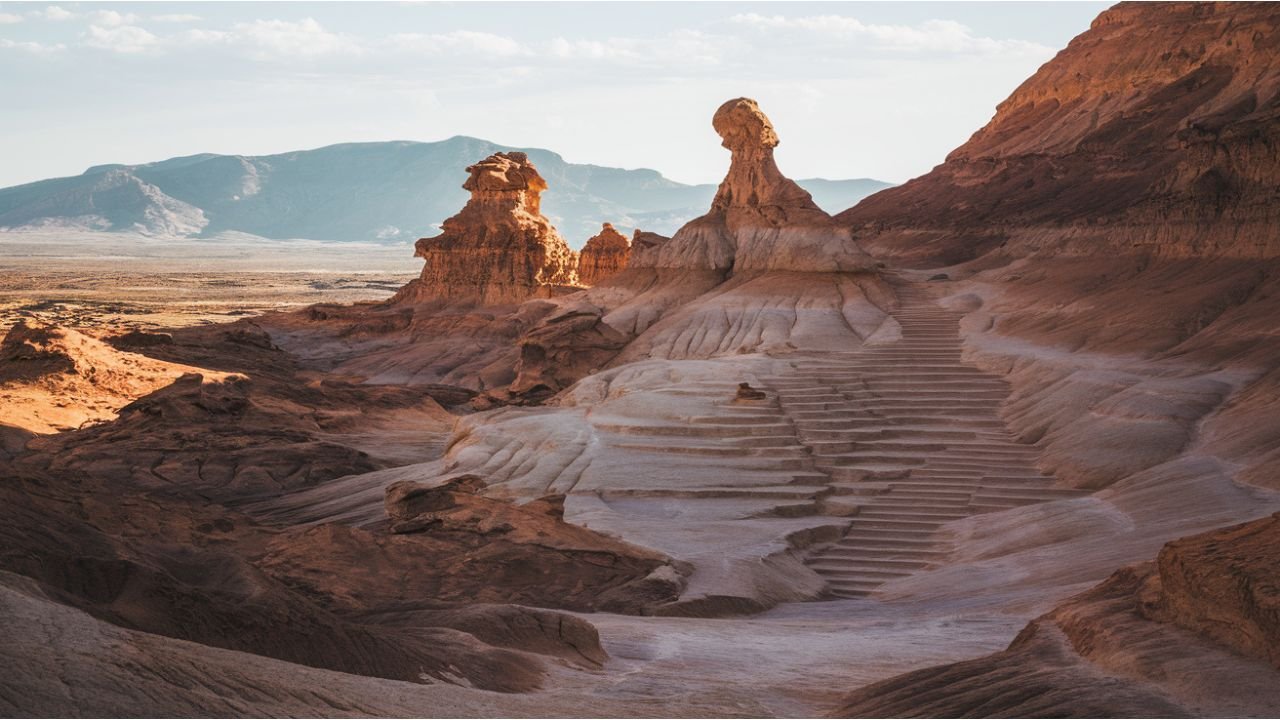
This region features a series of massive geological steps ascending northward, showcasing layers of sedimentary rock that narrate Earth’s history over millions of years. The colorful cliffs and terraces provide a visual feast for geology enthusiasts.
Kaiparowits Plateau
Known for its rugged and remote terrain, the Kaiparowits Plateau is a significant paleontological treasure trove. Fossil discoveries here have provided invaluable insights into the Late Cretaceous period, making it a focal point for scientific research.
Canyons of the Escalante
Carved by the Escalante River, this area boasts intricate networks of slot canyons, natural arches, and bridges. The winding waterways and sculpted sandstone formations create a paradise for hikers and photographers alike.
Recreational Activities
GSENM offers a plethora of activities for outdoor enthusiasts.
Hiking
With numerous trails ranging from easy walks to challenging backcountry routes, hikers can explore diverse terrains, including slot canyons like Peek-a-Boo and Spooky Gulch.
Camping
Primitive camping is available throughout the monument, allowing visitors to immerse themselves in the natural beauty of the area. It’s essential to practice Leave No Trace principles to preserve the pristine environment.
Scenic Drives
Several scenic byways traverse GSENM, offering breathtaking views of the landscape. Routes like Hole-in-the-Rock Road and Burr Trail provide access to remote areas and hidden gems.
Wildlife and Vegetation
The monument’s diverse ecosystems support a wide array of flora and fauna. From desert shrubs to coniferous forests, the varying elevations and habitats are home to species such as mule deer, coyotes, and numerous bird species.
Cultural Significance
GSENM is rich in cultural history, with evidence of human habitation dating back thousands of years. Ancient rock art, granaries, and habitation sites provide glimpses into the lives of the Ancestral Puebloan and Fremont cultures.
Conservation Efforts
Managed by the Bureau of Land Management, GSENM is committed to preserving its natural and cultural resources. Ongoing research, monitoring, and public education initiatives aim to protect the monument’s integrity for future generations.
Visitor Information
Before visiting, it’s advisable to check in at one of the monument’s visitor centers for maps, current conditions, and guidelines. Given the remote nature of many areas within GSENM, proper preparation and awareness of potential hazards, such as flash floods in slot canyons, are crucial.
Grand Staircase-Escalante National Monument stands as a testament to the Earth’s geological wonders and cultural heritage. Its vast landscapes and diverse ecosystems offer endless opportunities for exploration and discovery.