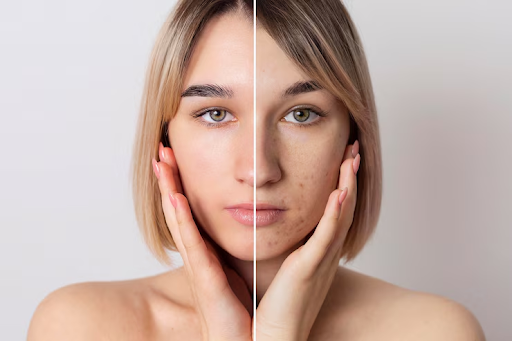
Dark spots, also known as hyperpigmentation, are a common skin concern caused by sun exposure, ageing, hormonal changes, and acne scars. These discoloured patches can affect confidence and make skin appear uneven or dull. Fortunately, many people are now turning to skin care creams as a gentle and accessible way to manage dark spot treatment without invasive procedures.
This article explores how skin care cream works, which ingredients are most effective, and what to look for when choosing the right product for your skin.
What Are Dark Spots?
Dark spots form when excess melanin—the pigment that gives skin its colour—collects in certain areas. Common causes include:
- Sun damage (solar lentigines or sunspots)
- Hormonal changes (melasma, often from pregnancy or birth control)
- Post-inflammatory hyperpigmentation (from acne, cuts, or eczema)
- Ageing (age spots or liver spots)
These spots typically appear on areas frequently exposed to the sun, such as the face, hands, shoulders, and arms.
How Skin Care Creams Treat Dark Spots
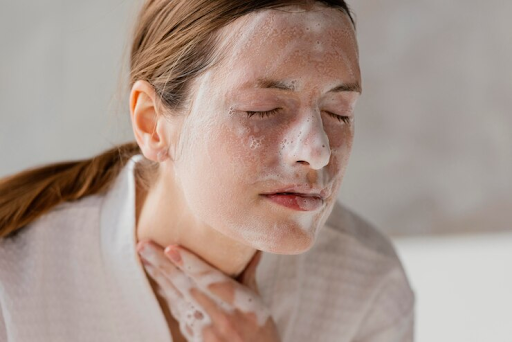
Skin care creams designed for dark spot treatment often work by either:
- Inhibiting melanin production to prevent further pigmentation
- Exfoliating the skin to speed up cell turnover
- Lightening existing pigment to blend with surrounding skin
Depending on their ingredients, these creams may offer fast or gradual improvement. Most require consistent use over several weeks or months to see visible results.
Key Ingredients That Help Reduce Dark Spots
The effectiveness of a skin care cream largely depends on its active ingredients. Some of the most commonly used and well-researched ingredients for treating dark spots include:
Vitamin C
Vitamin C is a powerful antioxidant that brightens the skin and reduces melanin production. It also protects against free radical damage and can improve overall skin tone.
Niacinamide
Also known as vitamin B3, niacinamide helps to fade dark spots by slowing the transfer of pigment to skin cells. It also soothes inflammation and strengthens the skin barrier.
Retinoids
Retinoids (including retinol) promote faster skin cell turnover, which helps fade dark spots over time. They also support collagen production and can improve texture.
Alpha Hydroxy Acids (AHAs)
AHAs like glycolic acid exfoliate the outer layer of dead skin cells, revealing fresher, more evenly toned skin underneath. They can be particularly effective for post-acne marks.
Hydroquinone
Once considered the gold standard for dark spot treatment, hydroquinone lightens existing pigmentation by inhibiting melanin synthesis. It should be used under professional guidance due to potential irritation or side effects with long-term use.
Kojic Acid
Derived from mushrooms, kojic acid works by inhibiting the enzyme responsible for melanin production. It is a gentler alternative to hydroquinone.
Licorice Extract
A natural brightening agent, licorice extract contains glabridin, which prevents pigmentation and has anti-inflammatory benefits.
Tips for Choosing the Right Cream for Your Skin
With so many products on the market, it can be overwhelming to choose the right skin care cream for dark spot treatment. Here are some tips:
- Know your skin type: Choose formulations suited to oily, dry, sensitive, or combination skin.
- Look for clinically proven ingredients: Products with vitamin C, niacinamide, or retinoids have scientific backing.
- Start with a patch test: Before applying to your entire face, test the product on a small area to check for irritation.
- Be consistent: Results often take 4–12 weeks with daily use.
- Avoid products with harsh alcohols or added fragrance: These can irritate sensitive skin and worsen pigmentation.
The Importance of Sun Protection
No matter how effective your skin care cream is, dark spot treatment is incomplete without proper sun protection. UV exposure is one of the leading causes of pigmentation and can undo progress made with topical creams.
Use a broad-spectrum sunscreen with SPF 30 or higher every day, even when indoors or on cloudy days. Reapply every two hours if you’re outside, especially if you’re using exfoliants or retinoids, which can increase sun sensitivity.
When to See a Dermatologist

If over-the-counter skin care creams are not improving your dark spots after consistent use, or if you’re unsure about which treatment is best, consult a dermatologist. They can assess whether your pigmentation is superficial or deeper in the skin and may recommend:
- Prescription-strength creams
- Chemical peels
- Laser therapy
- Microneedling
- Other professional-grade treatments
Combining professional care with daily use of skin care creams can offer long-term improvement.
Conclusion
Skin care creams play an essential role in non-invasive dark spot treatment. With the right ingredients and consistent application, they can gradually fade hyperpigmentation, even out skin tone, and enhance overall skin appearance. While results vary by skin type and the cause of dark spots, combining creams with sun protection and good skincare habits offers the best chance of success.
Taking a proactive and informed approach to treating dark spots can help you achieve clearer, more radiant skin without the need for aggressive treatments or procedures.
See Also: Savvydispatches.com