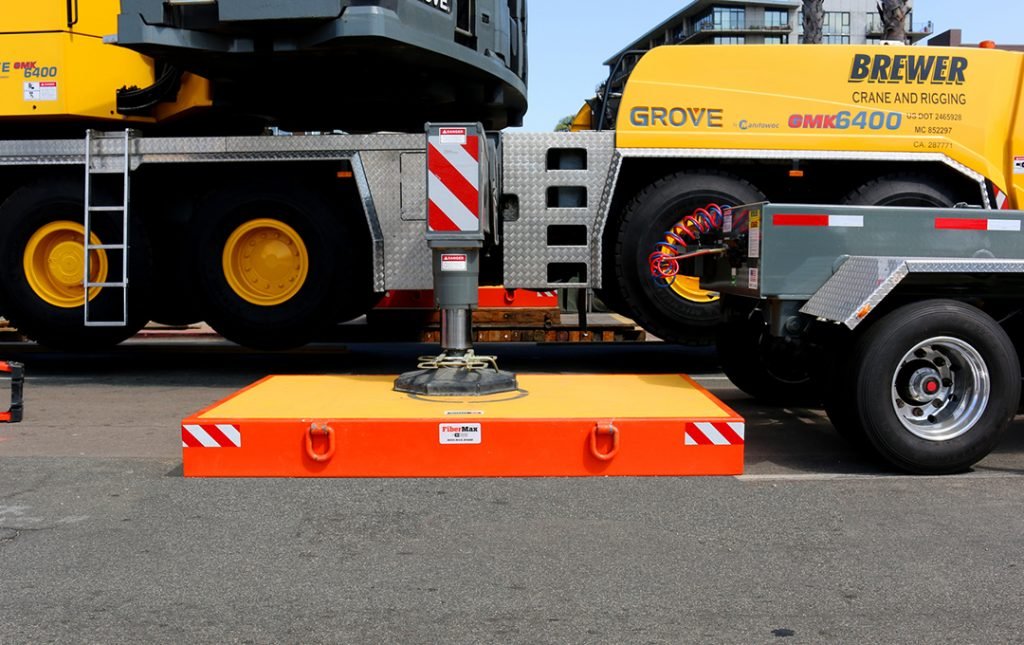
Crane pads are essential tools that provide stability and prevent damage during crane operations. These pads distribute the weight of the crane, ensuring the safety of workers and preserving the ground beneath. When selecting pads, various factors must be considered to ensure reliability, performance, and safety.
Load-Bearing Capacity
The load-bearing capacity is the most crucial feature when choosing an outrigger pad. This refers to the amount of weight the pad can support without failing. For crane pads to be effective, they must be capable of withstanding the combined weight of the vehicle and its load.
Providers of crane services will often assess the total weight of the vehicle, as well as the load it is expected to carry, before selecting the appropriate pad. It is important for companies to choose a pad with a load-bearing capacity that exceeds the expected weight. Experts suggest using one with a higher capacity than required. It can improve the stability of the crane, reducing the risk of accidents.
Material Durability
Material durability plays a significant role in the performance and lifespan of crane pads. These are made from materials such as wood, steel, or composite materials, each offering different benefits. Steel pads are known for their strength and ability to withstand heavy loads, while composite materials may offer better weather resistance.
The material must also withstand various environmental factors, such as moisture, chemicals, and high temperatures. For example, composite materials are often favored in areas where moisture or chemicals are a concern due to their resistance to corrosion. One should ensure that the crane pad material selected is suitable for the job site conditions.
Size and Shape
Choosing the correct size and shape of the crane pad is essential for ensuring proper support. The pad must match the dimensions of the crane’s outriggers for optimal stability. If the pad is too small, it may not adequately support the crane, leading to instability. Similarly, a pad that is too large may be difficult to maneuver or provide unnecessary bulk.
Crane pads come in different shapes, such as round or square, depending on the outrigger design. Square options tend to be better suited for larger, heavier cranes, while round ones work well with smaller, more compact models. Selecting the right size and shape ensures that the crane operates efficiently and safely. Companies often work with providers who offer customizable solutions to meet specific requirements.
Surface Traction
The surface traction of the crane pad is another critical feature that ensures stability. Pads with high traction are less likely to slip or shift under pressure, providing a secure foundation for the crane. This is especially important when the crane is operating on uneven or soft ground, where they may sink or slide.
Many options are designed with textured surfaces or anti-slip coatings to improve traction. These features help maintain position, preventing accidents or shifts during operations. Companies should look for high-traction solutions to ensure smooth and stable performance, particularly on challenging job sites.
Weight and Portability
Weight and portability are important factors to consider, especially for cranes that need to be transported frequently. Heavy crane pads, while offering more stability, can be cumbersome to move and require more storage space. Lighter pads, on the other hand, are easier to handle and transport but may sacrifice some support.
Portability features, such as handles or lightweight materials, can improve the ease of use without compromising strength. Companies should evaluate their need for portability in relation to the crane’s stability requirements. For example, construction companies working on a site with limited access may prioritize lighter crane pads for better maneuverability.
Safety Features
Safety is paramount in crane operations, and supports are designed with various features to minimize risk. Anti-slip surfaces and reinforced edges are common safety features that help prevent shifting or instability. These features ensure that the crane remains stable even under heavy lifting or in difficult conditions.
Safety features also include ease of inspection and maintenance. Crane pads that are simple to clean and check for wear are less likely to experience failure during use. Companies should choose options with safety features that align with industry standards to ensure the protection of workers and equipment.
Customization Options
Customization options are available to meet the specific needs of different operations. Companies may require crane pads tailored to the size, shape, and load-bearing capacity of their equipment. Customized solutions provide more flexibility, allowing for the best fit for the crane and the work site.
Many providers offer custom options designed to handle unique conditions, such as unstable ground or unusual configurations. By choosing these tailored solutions, companies ensure optimal performance and that the exact requirements of each task are met. Customized designs may also include additional features, such as specific coatings for improved durability.
Factors such as load-bearing capacity, material durability, size and shape, surface traction, weight and portability, safety features, and customization options must all be carefully considered. Providers of crane services can help guide companies in choosing the right outrigger pad based on their specific needs. A well-chosen crane pad enhances stability, minimizes risk, and supports smooth operations across various job sites.