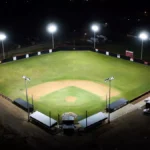

Baseball is a game of precision, timing, and visibility. When the sun sets, quality lighting becomes essential for players to track fast-moving balls, make split-second decisions, and play safely. LED baseball field lights have revolutionized how America’s favorite pastime is played after dark, offering brighter, more efficient, and more sustainable lighting solutions than traditional options.
Why LED Baseball Field Lights Matter
Traditional metal halide lights once dominated sports lighting, but LED baseball field lights have quickly become the gold standard for fields at every level of play. From Little League diamonds to professional stadiums, these advanced lighting systems provide numerous advantages that enhance both the playing and viewing experience.
The transition to LED technology represents a significant upgrade for baseball facilities. Modern LED baseball field lights deliver superior illumination while consuming less energy, requiring less maintenance, and lasting significantly longer than older lighting technologies.
Key Benefits of LED Baseball Field Lights
Enhanced Visibility and Player Performance
Players need consistent, bright lighting to perform at their best. LED baseball field lights provide uniform illumination across the entire playing surface, eliminating dark spots and shadows that can make tracking a baseball difficult. The quality of light matters just as much as the quantity—LEDs offer superior color rendering that makes the white baseball stand out clearly against both the night sky and the green field.
Energy Efficiency
One of the most compelling reasons facilities upgrade to LED baseball field lights is the dramatic reduction in energy consumption. LED systems typically use 50-75% less electricity than traditional metal halide systems while producing the same or better illumination. This efficiency translates directly to lower utility bills month after month.
Extended Lifespan
While traditional lighting systems might require replacement every 3-5 years with regular use, quality LED baseball field lights can last 15-20 years or more. This extended lifespan means fewer disruptions for replacement and significantly lower long-term maintenance costs.
Instant On/Off Capability
Unlike metal halide lights that require a lengthy warm-up period to reach full brightness, LED lights turn on instantly at full power. This feature provides greater flexibility for field managers and creates dramatic lighting effects during player introductions or between innings.
Reduced Light Pollution
Modern LED systems direct light precisely where it’s needed on the field, minimizing light spill into surrounding neighborhoods. This focused illumination reduces light pollution and often helps facilities comply with local lighting ordinances.
Technical Considerations for LED Baseball Field Lights
Illumination Standards
Different levels of play require different lighting standards. Professional fields typically need 75-100 foot-candles of illumination, while recreational fields might require only 30-50 foot-candles. Working with lighting professionals ensures your LED baseball field lights meet the appropriate standards for your level of play.
Fixture Placement and Aiming
Strategic placement of light fixtures is critical for eliminating shadows and creating uniform illumination across the infield and outfield. Modern LED systems use fewer fixtures than traditional systems while providing better coverage, but proper placement remains essential.
Glare Reduction
Players tracking high fly balls don’t want to look directly into blinding lights. Quality LED baseball field lights incorporate advanced glare shields and precise aiming to minimize direct glare while maximizing useful illumination on the playing surface.
Weather Resistance
Baseball is played in all weather conditions, so lighting fixtures must withstand rain, snow, and extreme temperatures. Top-tier LED systems feature robust weather sealing and are tested in extreme conditions to ensure reliability year-round.
Cost Considerations and ROI
The initial investment in LED baseball field lights typically exceeds that of traditional lighting systems. However, this upfront cost difference is quickly offset by:
- Reduced energy costs (50-75% savings)
- Lower maintenance expenses (fewer bulb replacements)
- Decreased labor costs for maintenance
- Potential utility rebates and incentives
- Enhanced player and spectator experience
Most facilities see a return on investment within 3-5 years, after which the ongoing operational savings continue throughout the system’s extended lifespan.
Installation Process
Converting to LED baseball field lights involves several key steps:
- Site assessment and lighting plan development
- Verification of existing electrical infrastructure
- Possible pole replacement or reinforcement
- Fixture installation and aiming
- Control system setup and programming
- Testing and final adjustments
Working with experienced sports lighting professionals ensures proper implementation and maximizes the benefits of your new system.
Advanced Features of Modern LED Systems
Smart Controls
Today’s LED baseball field lights often include sophisticated control systems that allow operators to adjust lighting levels, create preset lighting scenes, and even control lights remotely via smartphone apps. These systems can further reduce energy consumption by providing only the necessary light for specific activities, from full-game illumination to lower levels for practice or field maintenance.
Entertainment Capabilities
Many professional and collegiate facilities incorporate color-changing LED baseball field lights or dynamic lighting effects that enhance the entertainment value of games. These systems can create dramatic pre-game light shows, celebrate home runs, or engage fans between innings.
Backup Power Integration
For facilities where games cannot be interrupted, modern LED systems can be integrated with backup power solutions. The lower power consumption of LEDs means backup generators can support lighting for longer periods during power outages.
Environmental Impact
Beyond energy savings, LED baseball field lights offer significant environmental benefits:
- Reduced carbon footprint from lower energy consumption
- No mercury or hazardous materials (unlike metal halide bulbs)
- Less light pollution affecting local wildlife
- Decreased waste from fewer bulb replacements
These environmental advantages often help facilities meet sustainability goals and can even contribute to certification programs like LEED for sporting venues.
Case Studies: Success Stories
Community Field Renovation
When Riverside Little League converted their aging metal halide system to LED baseball field lights, they reduced their monthly electricity bills by 68% while increasing light levels by 30%. Players and parents immediately noticed the improvement in visibility, and the league was able to extend evening play by an additional hour thanks to reduced concerns about neighborhood light pollution.
College Stadium Upgrade
Eastern State University’s baseball stadium upgraded to a comprehensive LED system before the 2023 season. The new lights delivered broadcast-quality illumination for televised games while cutting energy costs by over $35,000 annually. The university also reported a significant reduction in maintenance calls, with zero lighting-related issues during the first two seasons after installation.
Choosing the Right LED Baseball Field Lights
When selecting a lighting system for your facility, consider these key factors:
Quality and Warranty
Look for manufacturers that stand behind their products with comprehensive warranties of at least 10 years. Quality fixtures from reputable companies will deliver better performance and reliability over time.
Light Quality Metrics
Pay attention to Color Rendering Index (CRI) and color temperature specifications. Higher CRI values (80+) ensure accurate color reproduction, while color temperatures around 5700K provide crisp, white light that closely resembles natural daylight.
Optics and Distribution Patterns
Different areas of the baseball field require different light distribution patterns. Quality LED baseball field lights offer various optical configurations to ensure optimal coverage from infield to outfield corners.
Future Expandability
Select systems that can grow with your facility’s needs. Modular designs allow for adding features or expanding coverage as budgets permit or needs change.
Maintenance Considerations
While LED systems require significantly less maintenance than traditional lighting, they still benefit from regular attention:
- Annual cleaning of fixtures to remove dust and debris
- Periodic inspection of electrical connections
- Testing of control systems and backup features
- Verification of light levels to ensure continued compliance with standards
Establishing a maintenance schedule with your lighting provider ensures maximum performance and longevity from your investment.
Conclusion
The evolution of baseball field lighting has taken a significant leap forward with LED technology. Modern LED baseball field lights deliver superior performance while reducing costs and environmental impact—truly a win for facility operators, players, fans, and communities alike.
Whether you’re building a new field or upgrading an existing facility, LED lighting represents the clear choice for baseball at all levels. The combination of enhanced visibility, energy efficiency, and long-term reliability makes LED systems the smartest investment for today’s baseball facilities.