

Ever feel like you’re just watching your hard-earned money disappear into those monthly electricity bills? You’re not alone. For many of us, it feels like we’re constantly feeding the meter, and it never seems to get full. But what if I told you there’s a way to take control, to harness something freely available right above our heads, and turn it into serious savings?
- Why Solar as a Solid Investment
- The Long-Term Financial Advantages
- Making the Smart Switch: Getting Started with Solar
- The Power of Feed-In Tariffs: Earning from Your Excess
- Making an Informed Decision: What to Consider
- The Future is Bright (and Solar-Powered)
- FAQs About Solar Energy as a Financial Investment
That’s where solar energy comes in. Now, you might be thinking, Solar panels? Aren’t those expensive? And while there’s an initial investment, think of it less as an expense and more as a smart financial decision – one that keeps paying you back, month after month, year after year.
Let’s be real. The cost of living seems to be going up all the time, and energy prices are no exception. Locking in a significant portion of your energy needs with a solar system can provide a hedge against these rising costs. Imagine not having to wince quite so much when that electricity bill lands in your inbox. Sounds good, right?
And it’s not just about saving on your own electricity usage. Depending on where you live, like here in Australia, you might even get paid for the excess energy your solar panels send back to the grid. For homeowners in South Australia, finding the best solar feed in tariff in South Australia can significantly boost the financial returns of their solar investment. This means your solar system isn’t just reducing your expenses; it could actually be generating income!
Why Solar as a Solid Investment
Let’s talk a little bit about the dollars and cents. While the upfront cost of a solar system varies depending on its size and the quality of the components, the long-term savings are often substantial.
Consider this: the average Australian household spends a significant amount annually on electricity. By installing solar panels, you can drastically reduce, or even eliminate, this ongoing expense. Over the typical lifespan of a solar system (which can easily be 25 years or more for the panels themselves), these savings can add up to tens of thousands of dollars.
Furthermore, properties with solar energy systems are often more attractive to buyers. So, if you ever decide to sell your home, having solar panels installed can be a real asset, potentially increasing its market value. It’s like making an investment that not only saves you money now but could also pay off later.
Here are a few key financial benefits of going solar:
- Reduced or Eliminated Electricity Bills: This is the most direct and obvious saving. Once your system is up and running, the energy generated by the sun is free.
- Feed-in Tariffs (FITs): As mentioned earlier, many electricity providers offer feed-in tariffs, where they pay you for the excess electricity your solar system exports to the grid. For those looking for the best solar feed in tariff in South Australia, researching local providers is key to maximizing these returns.
- Increased Property Value: Studies have shown that homes with solar panel systems tend to sell faster and at a higher price than comparable homes without them.
- Government Incentives and Rebates: Depending on your location and the time of installation, there might be government rebates or incentives available to help reduce the initial cost of your solar system. These can make the investment even more financially attractive.
The Long-Term Financial Advantages
Beyond the immediate savings on your electricity bill and potential income from feed-in tariffs, there are other long-term financial perks to consider.
Think about energy independence. Once you have a solar system, you’re less reliant on traditional energy providers and their fluctuating prices. You’re essentially generating your own power, making you more resilient to energy market volatility.
Moreover, solar energy is a clean and sustainable source of power. By choosing solar, you’re not only making a smart financial decision but also contributing to a greener future. While this might not directly translate into dollars and cents in your bank account, it’s a valuable benefit that resonates with many homeowners today.
For those living in areas served by energy locals, understanding their specific solar offerings and feed-in tariffs is crucial. Local energy providers often have programs tailored to their region, which could offer better rates or incentives for solar customers.
Making the Smart Switch: Getting Started with Solar
So, you’re intrigued, right? You can see how solar could be a financially sound decision. But where do you start?
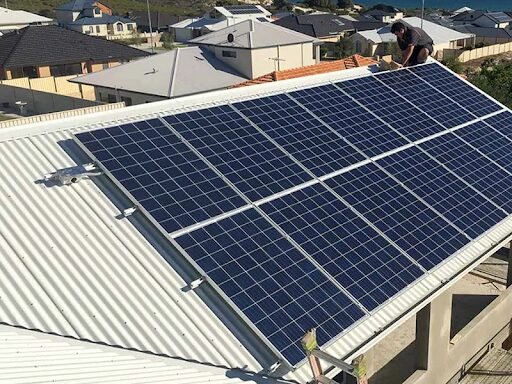
The first step is usually to get a few quotes from reputable solar installers in your area. They can assess your property’s suitability for solar, discuss your energy needs, and provide you with a tailored proposal outlining the costs and potential savings.
When you’re comparing quotes, don’t just focus on the upfront price. Consider the quality of the components (panels, inverters, batteries if you’re considering storage), the installer’s experience and reputation, and the warranty they offer. A slightly more expensive, high-quality system might offer better long-term performance and reliability.
Also, be sure to inquire about any available government rebates or incentives in your state or territory. These can significantly reduce the initial outlay.
The Power of Feed-In Tariffs: Earning from Your Excess
Let’s circle back to those feed-in tariffs (FITs) for a moment, especially for our friends in South Australia looking for the best solar feed in tariff in South Australia.
A feed-in tariff is essentially a rate your electricity retailer pays you for any excess solar energy your system generates that you don’t use yourself and that flows back into the electricity grid. The amount you receive per kilowatt-hour (kWh) can vary depending on the retailer and the specific plan you’re on.
Finding a retailer that offers a competitive FIT can significantly enhance the financial viability of your solar investment. It’s worth doing your homework and comparing the rates offered by Energy Locals in South Australia. Even a few extra cents per kWh can add up over the years.
“Investing in solar is like planting a money tree on your roof. It might take a little upfront effort, but it will keep bearing fruit (in the form of savings) for decades to come.”
Beyond the Savings: Other Perks of Solar
While the financial benefits are compelling, there are other advantages to going solar that are worth mentioning:
- Environmental Friendliness: Solar energy is clean and renewable, helping to reduce your carbon footprint and reliance on fossil fuels.
- Energy Independence: You become less reliant on the grid and fluctuating energy prices.
- Technological Advancements: The solar industry is constantly evolving, with more efficient and aesthetically pleasing panels and battery storage solutions becoming increasingly accessible.
Making an Informed Decision: What to Consider
Before you jump into solar, it’s wise to consider a few factors:
- Your Roof: Is it suitable for solar panel installation? Factors like the size, orientation (north-facing is generally ideal in Australia), and any shading from trees or other buildings can affect the performance of your system.
- Your Energy Consumption: Understanding your current energy usage will help you determine the right size solar system for your needs.
- Your Budget: While solar is a smart investment, there is an initial cost. Explore financing options if needed.
The Future is Bright (and Solar-Powered)
The trend towards renewable energy is clear, and solar power is at the forefront. As technology advances and costs continue to come down, solar energy is becoming an increasingly accessible and financially attractive option for homeowners.
By making the switch to solar, you’re not just saving money; you’re investing in a more sustainable future and potentially increasing the value of your property. And for those in South Australia, finding the best solar feed in tariff in South Australia can make the financial returns even sweeter. Don’t forget to check with your energy locals for the most up-to-date information and offers.
So, are you ready to let the sunshine power your savings?
FAQs About Solar Energy as a Financial Investment
- How long does it take for a solar system to pay for itself?
The payback period for a solar system can vary depending on factors like the cost of the system, your electricity consumption, the feed-in tariff you receive, and any government incentives. However, in many cases, homeowners in Australia see a return on their investment within 5 to 10 years, after which the electricity generated is essentially free.
- Will solar panels increase my home’s value?
Yes, generally, homes with solar panel systems are more attractive to buyers and can sell for a higher price than comparable homes without them. Buyers often appreciate the lower ongoing energy costs.
- What is a feed-in tariff?
A feed-in tariff (FIT) is a payment you receive from your electricity retailer for any excess electricity your solar system exports back to the grid. The rate can vary between retailers, so it’s worth comparing the
best solar feed in tariff in South Australia if you live there. - Are there any government incentives for installing solar in Australia?
Yes, there are often government incentives and rebates available at both the federal and state levels to help reduce the upfront cost of solar systems. These can change over time, so it’s best to check the current offerings in your specific location. Your solar installer should also be able to provide information on available incentives.
- What happens on cloudy days? Do solar panels still work?
Yes, solar panels still generate electricity on cloudy days, although at a reduced rate compared to sunny days. The overall output of your system is calculated based on the average sunlight your location receives throughout the year. Battery storage can also be an option to store excess energy generated on sunny days for use when the sun isn’t shining.