
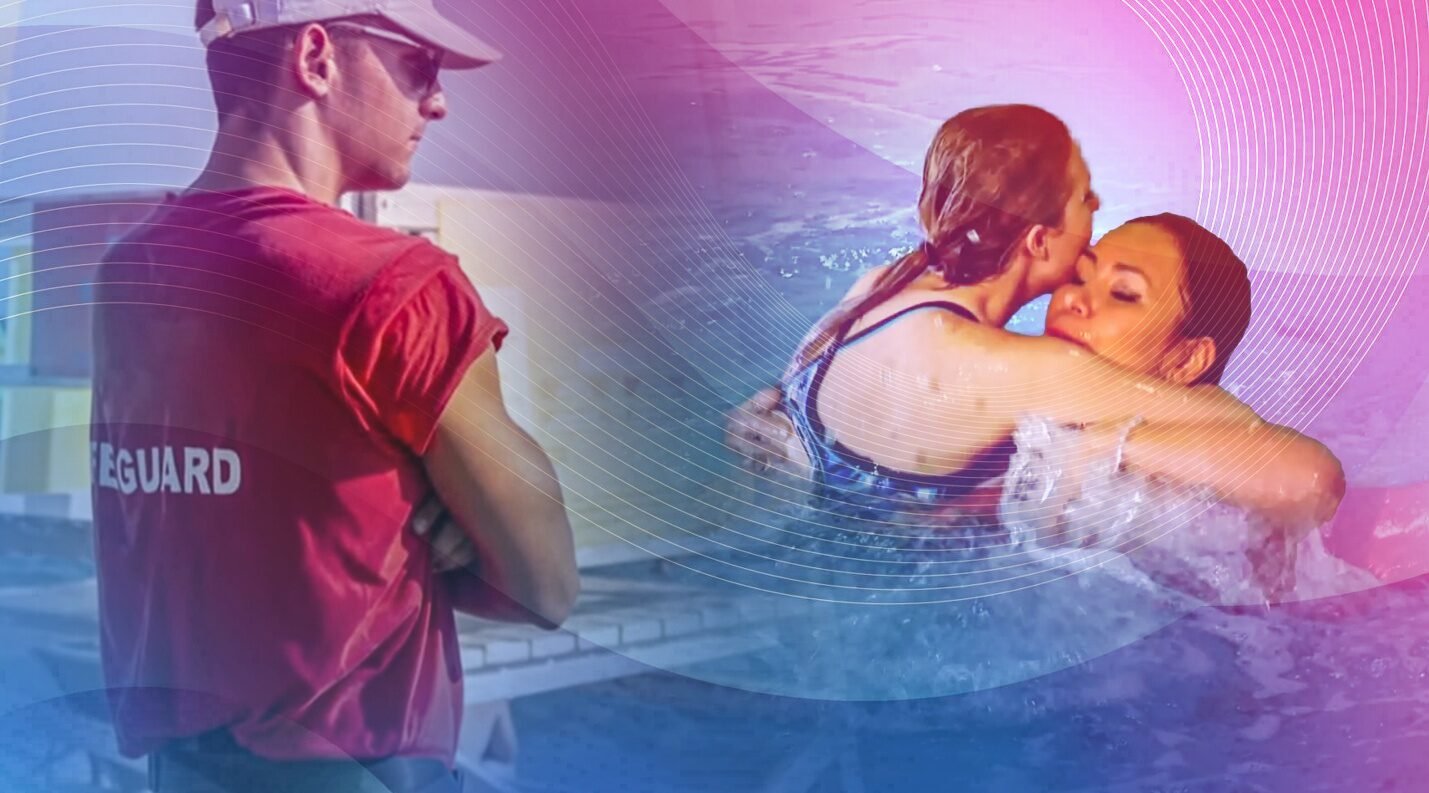
Indeed, lifeguarding is not merely a profession; it is a vocation that calls for bravery, swiftness, and commitment. Each day lifeguards are silent sentinels ready to plunge into action for the sake of the life of another. They do this with the utmost confidence knowing they ensure the safety of many swimmers throughout beaches, pools, and water parks. Being a lifeguard, however, is not merely about swimming: There is formal training through lifeguard courses sanctioned by legitimate agencies to train people to handle emergencies in real life.
The American Lifeguard Association (ALA) is one of the premier organizations for such lifeguard certification, well-known for its rich training programs that equip new lifeguards with the skills necessary to survive. This article will go on a journey through the lifeguarding profession and discuss proper training and why ALA lifeguard courses are unique in creating heroes in the water.
The Lifeguard: More Than Watching the Water
A lot of people misunderstand lifeguarding. To most, it is sitting in a tall chair and blowing a whistle on occasion to yell, “No running!” The fact is, it’s a lot more than that. Lifeguards have to do the following:
- Watch swimmers to see if they’re having any trouble or drowning.
- Enforce safety rules to prevent accidents.
- Rescue in high-stress environments.
- Dispense first aid and CPR when necessary.
- Move casualties into appropriate postures for spinal injury, cardiac emergencies, and others.
Even the best swimmer may falter in an emergency without training. That’s why courses in lifeguarding are always necessary: they turn a capable swimmer into a confident lifesaver.
Key Skills Taught in Lifeguard courses
- Water Rescue Techniques – Active victim saves or passive victim recoveries, lifeguards learn how to approach and extract a distressed swimmer for safety.
- CPR & First Aid – Cardiac emergencies can occur anywhere. Lifeguards learn CPR for adults, children, and infants, plus how to use AEDs (Automated External Defibrillators).
- Spinal Injury Management – A bad dive can result in spinal injury. In-water stabilization and backboarding techniques are practiced to prevent further injury.
- Emergency Action Plans (EAPs) – Emergency protocols are put in place by each aquatic facility. Training ensures lifeguards know how to communicate with team members and those in emergency services.
- Surveillance & Prevention – The best rescue is the one that never happens. Lifeguards spot dangers before they escalate into emergencies.
Without structured lifeguard courses, these skills would be left to chance—and in lifesaving, chance isn’t an option.
The American Lifeguard Association: A Leader in Lifeguard Training
The American Lifeguard Association is a reliable source for high-quality, up-to-date lifeguard training that adheres to industry standards among other premier organizations in lifeguard certification.
Why Choose ALA Lifeguard courses?
- All out in Installation of Nationally Recognized Certification – The ALA designation can be shown at pools, shorelines, and water amusement parks all across the U.S.
- Flexible Learning Choices – Includes parts of online studies together with in-person training where students can complete their studies at an individualized pace.
- Experienced Instructors – ALA trainers come from the real world and are profuse in bringing their experiences to teaching.
- Real-life Rescue Focus – More than just theoretical prowess, ALA focuses on actual hands-on practical application of rescue simulations.
- Ongoing Support/Recertification – Lifeguarding skill training warrants refreshing. ALA has recertification courses for maintaining skills.
Flags The ALA is always there, providing what is needed to keep you at the top of your game, be it the first-timer looking forward to becoming the next champion lifeguard or the experienced professional who just needs recertifying in the field.
The Journey to Becoming a Lifeguard
Becoming a lifeguard is a great experience, but is one that requires much commitment. This is what you should expect when you sign up for lifeguarding courses:
- Prerequisites: Before enrolling, candidates must:
- Be at least 15 years old (age may vary by facility).
- Pass a swim test (typically 300 yards continuously, with timed retrievals).
- Demonstrate treading water for 2+ minutes without hands.
- Classroom & Practical Training: ALA courses consist of:
- Online modules covering theory, protocols, and emergency procedures.
- In-water training where students practice rescue, CPR, and first aid.
- Final Examinations: Students must pass to receive their certification:
There are written examinations that pertain to all resilience protocol safety knowledge.
Practical tests for rescue techniques and emergency response.
- Certification & Employment: Once certified, lifeguards may work at:
- -public & private pools
- -beaches & waterfronts
- -water parks & summer camps
- -cruise ships & resorts
The opportunities for jobs are huge with ALA certifications, and the skills gained are top-notch.
The Courage Behind the Whistle: Real Lifeguard Stories
The next story is about real lifeguarding and not just the training part. It is about real people making decisions in the middle of second trouble to save a life. Here are a couple of motivating examples:
Case 1: The Drowning Child at a Community Pool
A lifeguard trained through ALA courses noticed a child struggling silently in the deep end. Arms flailing, head tilted back blew the whistle, hopped right into water, and picked her apart. Most bystanders can’t see it: drowning doesn’t make any noise. It’s all honed into her training here.
Case 2: The Beach Rescue During Rough Surf
At the ocean shore, two swimmers were caught in a rip current. A trained lifeguard having ALA-acquired skills was able to brave the waves and turbulence to reach the victims, using a rescue tube to bring both safely back to shore. Had he not possessed such skills, the outcome would have been tragic.
Such accounts give credence to the very importance of lifeguard training courses: they prepare ordinary people to perform extraordinary feats.
How to Enroll in ALA Lifeguard courses
Are you ready to dive in? Here’s how to get into it:
- Visit the American Lifeguard Association’s site
- Choose which course you wish to pursue (Pool Lifeguard, Waterfront Lifeguard, or CPR/First Aid, for instance).
- Finish the online modules at your own pace.
- Attend in-person training for hands-on practice.
- Pass your exams and get certified!
By enrolling in ALA programs, you’re not just receiving a certification; you’re joining a community of lifesavers dedicated to saving others.
Final Word: Once a Lifeguard, Always a Lifeguard
Lifeguarding is a career rooted in courage, skill, and responsibility. Lifeguards demonstrate that their training is the difference between life and death. By enrolling in the lifeguard courses of the American Lifeguard Association, you will not only learn how to save lives but also become part of a legacy of lifesavers in water.
If you require a summer job, want a life career, or just want to learn how to assist in an emergency, the lifeguarding certification is an investment in yourself and the community. Will you answer the call?