Outdoor design is often imagined in terms of plants, patios, and lighting. Yet some of the most impactful features aren’t soft or decorative — they are structural. Among these, retaining walls stand out. Traditionally viewed as functional necessities, they are increasingly being recognized as design statements that add both personality and purpose to a landscape.
With the right vision, retaining walls transform from simple soil supports into striking architectural features. They shape how space feels, how it’s used, and how it endures over time. Companies like K-ler Landworks show how these elements can shift the conversation from “necessary” to “inspiring.”
Beyond Function: The Aesthetic Role
Historically, retaining walls were built for practicality. Their job was to stabilize slopes, prevent erosion, and create usable land. While they still perform these tasks, modern design has elevated their role. Walls now contribute texture, contrast, and rhythm to outdoor areas.
The choice of materials — whether rustic stone, sleek concrete, or warm timber accents — creates a design language that ties together the yard. Far from fading into the background, these structures frame gardens, highlight pathways, and establish the overall tone of the environment.
Creating Levels and Layers
Flat yards have their charm, but retaining walls unlock possibilities by introducing levels. Terraced gardens, multi-tiered seating areas, and layered planting beds all emerge from thoughtful wall placement. This vertical dimension adds depth and interest that a single plane of grass could never achieve.
By breaking up space, walls also guide how people move through it. Steps, curves, and transitions built into the design create natural flow, turning the yard into a journey rather than just an open plot.
Highlighting Features Through Contrast
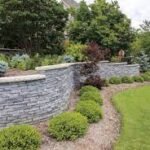
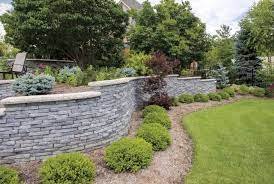
Retaining walls also act as visual anchors. A curved stone wall might frame a lawn, while a bold concrete structure could emphasize a modern patio. This contrast brings attention to both the wall and the features around it.
The dialogue between soft and hard elements — between greenery and structure — is what creates compelling outdoor spaces. The wall’s stability highlights the fluidity of plants, while the vibrancy of flowers softens the permanence of stone.
Functional Spaces That Inspire
One of the most exciting aspects of retaining walls is their ability to turn previously unusable land into functional areas. A sloping yard that once felt awkward can become a terraced dining space or a series of planting beds.
The function doesn’t end there. Walls can double as seating, define outdoor rooms, or even incorporate lighting for evening ambiance. By integrating design and function, retaining walls make every inch of the yard work harder — and look better.
Personalization Through Materials
Every household has a different style, and walls reflect that. Natural stone suggests timelessness, concrete offers modern minimalism, and brick provides classic charm. Adding caps, textures, or mixed materials personalizes the design even further.
This level of customization makes retaining walls not just practical elements but reflections of identity. They tell a story about how a household wants to present its outdoor space.
Blending With Nature
Though they are structural, walls don’t have to feel harsh. Integrated planting pockets, cascading vines, or surrounding gardens soften their edges. This blending ensures that walls complement rather than compete with the natural environment.
The best designs strike this balance — sturdy enough to provide support yet organic enough to feel like part of the landscape.
The Long-Term Perspective
Retaining walls are built to last, but longevity requires foresight. Proper drainage, stable foundations, and quality craftsmanship all play a role in durability. When these elements are overlooked, even the most beautiful design can fail.
This is why professional expertise matters. K-ler Landworks, for example, emphasizes the importance of both engineering and artistry, ensuring that walls remain as functional decades later as they are striking on day one.
Emotional Value
Walls may not seem emotional at first, but they change how spaces feel. A terraced garden evokes calm and order. A bold concrete wall makes a statement of strength. A rustic stone wall conjures feelings of tradition and timelessness.
By influencing mood, walls move beyond structural necessity into the realm of experience. They shape not only the land but the way people interact with it.
Final Thoughts
Retaining walls have come a long way from being viewed as background supports. They are now celebrated for their ability to define character, create function, and add artistry to outdoor spaces. By blending engineering with creativity, they offer more than stability — they offer identity.
With the guidance of professionals such as K-ler Landworks, walls evolve into design statements that stand tall against both time and terrain. They frame gardens, carve terraces, and provide the structure upon which memories