Kilts have long been woven into the cultural fabric of Scotland—icons of national pride, clan identity, and rugged tradition. But today, the story of the kilt doesn’t stop at the Highland borders. A unique evolution is taking place, and at the heart of this movement is the German District Tartan Kilt—a cultural crossover that blends timeless Scottish tradition with Germany’s structured style and refined sensibilities.
- What Is a German District Tartan Kilt?
- Why the German Market Is Embracing Kilts
- Scottish Roots, German Reinvention
- Styling the German District Tartan Kilt
- Cultural Appreciation vs. Cultural Appropriation
- The Role of Scottish Kilt Makers in the Global Movement
- Who’s Wearing the German District Tartan Kilt?
- The Future of the Male Kilt: Bold, Borderless, and Personal
- Final Thoughts: Embrace the Kilt Revolution
From Berlin to Bavaria, kilts are no longer confined to Scottish soil. The German Kilt is making waves in Europe and beyond, transforming how we think about Highland wear.
What Is a German District Tartan Kilt?
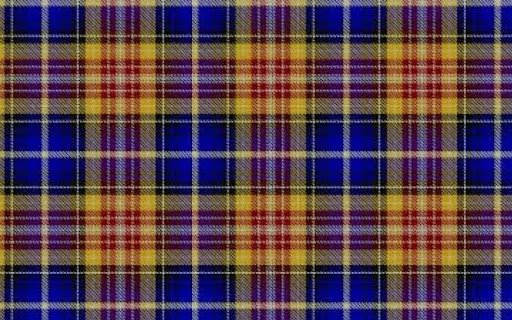
The German District Tartan Kilt is a modern reinterpretation of the classic Scottish kilt, thoughtfully crafted to honor both tradition and contemporary identity. Featuring a unique tartan pattern inspired by various German regions, it adds a personal and cultural dimension that sets it apart. While maintaining the iconic pleated structure and wrap-around form of traditional kilts, this version introduces elements suited for today’s wearer. The district-inspired tartans offer a meaningful nod to heritage, while durable fabrics—often wool blends or hybrid textiles—ensure year-round comfort and practicality. More than just a garment, the German District Tartan Kilt represents cross-cultural expression and modern masculinity. Whether you’re searching for a standout statement piece or looking to explore Scottish kilts for sale with international relevance, this design offers a compelling fusion of style, function, and heritage.
Why the German Market Is Embracing Kilts
Germany’s deep appreciation for precision, craftsmanship, and meaningful design makes it a natural ally in the global kilt revival. The rise of the German Kilt is a testament to this synergy. For many, it represents a blend of heritage and individuality—appealing to a culture that already values traditional garments like lederhosen. Kilts now offer a similarly rooted yet internationally influenced piece. Germany’s vibrant festival scene, from Oktoberfest to medieval fairs and folk events, provides the perfect platform for such expressive attire. Meanwhile, in the realm of streetwear, fashion-conscious Germans are adopting kilts as a bold, gender-neutral alternative to trousers—an emblem of rebellion and modern identity. Tourism also plays a role; visitors enchanted by Scotland often return home with more than just whisky—they bring back a newfound love for tartan and Highland culture. As a result, Scottish kilts for sale are gaining momentum across Germany, not just as ceremonial garments, but as versatile, stylish statements of pride and personality.
Scottish Roots, German Reinvention
While the German District Tartan Kilt brings fresh materials and region-specific designs to the table, its soul remains unmistakably Scottish. This isn’t about replacing Highland traditions—it’s about evolving and expanding them. By combining clan-based tartans with German district themes, a new and meaningful layer of storytelling is born—one that honors both cultural identities. Despite its modern twist, many of these kilts are still handcrafted in Scotland by seasoned artisans, preserving the time-tested craftsmanship that defines authentic Highland wear. Key elements like sporrans, knife pleats, and rich woolen textures continue to ground the kilt in its Scottish origins. For those browsing Scottish kilts for sale, the German District version offers a compelling fusion of heritage and innovation—perfect for anyone seeking to celebrate two cultures in a single, striking garment.
Styling the German District Tartan Kilt
Whether you’re dressing for a formal event or hitting the streets of Berlin, the German Kilt offers incredible styling versatility:
- Urban Formal: Pair a muted tartan kilt with a sharp black blazer, dress shirt, and oxfords for a Euro-Highland fusion look.
- Techwear-Inspired: Combine your kilt with a zippered hoodie, tactical boots, and minimalist accessories for a futuristic feel.
- Weekend Warrior: A chunky knit sweater, sneakers, and the German District kilt deliver relaxed confidence.
- Festival Fun: Embrace color and flair with bold socks, sunglasses, or graphic tees.
This is a kilt for the present day—adaptable, expressive, and unapologetically unique.
Cultural Appreciation vs. Cultural Appropriation
As the global fashion scene embraces kilts, it’s vital to distinguish between appreciation and appropriation. The German District Tartan Kilt is a celebration of heritage and international respect—not an attempt to dilute or exploit Scottish tradition.
By learning about tartan history, respecting kilt etiquette, and purchasing from authentic sources, wearers can honor both German and Scottish culture. Ethical retailers offering Scottish kilts for sale now provide in-depth information about tartan meanings and styling traditions, ensuring customers wear them with pride and understanding.
The Role of Scottish Kilt Makers in the Global Movement
Scottish kilt makers are welcoming this global kilt renaissance with open arms, adapting their craft to meet the needs of a diverse, international audience. Many now offer worldwide shipping, ensuring that authentic kilts are accessible no matter where customers reside. Custom district tartans have emerged as a standout feature, allowing wearers to celebrate regional identity—particularly through designs like the German District Tartan Kilt. Contemporary utility kilts are also gaining popularity, blending traditional style with everyday functionality. To further support global shoppers, some retailers now provide German-language assistance and detailed size guides. These innovations are making it easier than ever for fashion enthusiasts around the world to embrace the heritage and craftsmanship of authentic Scottish kilts.
Who’s Wearing the German District Tartan Kilt?
The audience for this fusion kilt is as diverse as it is passionate:
- Designers and Creatives: Who use kilts as canvases for self-expression.
- Modern Scots Abroad: Expats blending heritage with European style.
- German Nationalists with Global Tastes: Who appreciate traditional clothing that carries story and strength.
- Festival Goers and Cosplayers: Who crave dramatic, heritage-infused fashion.
- Nonconformists: Men and women rejecting binary dress codes and opting for originality.
This is more than a fashion movement—it’s a cultural dialogue.
The Future of the Male Kilt: Bold, Borderless, and Personal
As the world grows more connected, fashion is evolving to reflect this global shift—and the German Kilt is a striking example of what happens when tradition meets innovation. It’s no longer just about where the kilt originated, but where it’s headed. Today’s kilts are becoming gender-inclusive, culturally diverse, and increasingly embraced as everyday wear. They’ve transformed into global statements—garments that speak to identity, individuality, and cross-cultural appreciation. For anyone exploring Scottish kilts for sale, especially those seeking a meaningful German connection, the future of kilt fashion is rich with possibility and purpose.
Final Thoughts: Embrace the Kilt Revolution
Fashion doesn’t stand still—and neither should tradition. The German Kilt is a testament to how heritage can evolve without being lost. Whether you’re Scottish, German, or simply inspired by culture and craft, now is the time to explore kilts that reflect a global mindset and a bold personal statement.
Ready to make it yours? Discover a world of Scottish kilts for sale that blend Highland tradition with European soul. From the rugged Highlands to the streets of Munich, the kilt is on a journey. Make it part of yours.