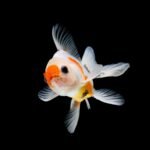

If you own a goldfish, as a pet keeper, you may have noticed an intriguing shift in the way your pets look, from their beautiful orange or white color to a rather puzzling black color. This can be very frustrating especially to many goldfish lovers, as the question why are my goldfish turning black remains unanswered.
- Common reasons behind goldfish turning black
- Environmental factors affecting goldfish coloration
- Black goldfish breeds and genetic factors
- Health issues that can cause goldfish to turn black
- Tips for preventing goldfish from turning black
- Treating blackening in goldfish: remedies and solutions
- Expert opinions and experiences with black goldfish
- Conclusion
In this detailed article, you will learn what makes this goldfish color change with all the factors such as why is my goldfish turning black that instigate it and how you can stop or reverse such unwanted blackening in your goldfish.
Common reasons behind goldfish turning black
There are several common reasons why goldfish may turn black and these are somewhat generic to take a toll on these charming subjects. Appreciating these factors will help you understand the condition and help you remedy your aquatic companions as well as their glorious colors.
- Aging and Natural Color Change: As goldfish grow older, it is clear that there are natural changes in colors and some of these include darkening and blackening of certain areas which would have been bright. This process is fairly normal as the cruise goes by and should not in any way act as an alarm.
- Stress and Environmental Factors: Goldfish are affected by their environment. Factors such as bad water conditions, too many fish in the same tank or change of the environment may stimulate stress responses including color changes like darkening.
- Genetics: There are specific breeds of goldfish like Black Moor or Pearlscale who, due to their genetic makeup, are more likely to take a black or dark coloration. Such coloration is normal for such types of varieties.
- Health problems: In some patients, two or three problems, such as primary liver disease or parasitic diseases or even skin pathology can be the cause of why the goldfish turned black or even discolored.
Environmental factors affecting goldfish coloration
The environment of the goldfish contributes considerably to the health of the fish as well as its appearance. Except water quality however, features like lighting and goldfish tank decorations all influence the appearance of the color of these precious fish with fins.
- Water Quality: It is important to achieve and sustain the effective water parameters including but not limited to, ph, temperature and beneficial bacteria colonization in order to obtain the colorful goldfishes. Long stress with missed conditions will affect the coloration of the fish.
- Lighting Conditions: The lighting intensity and time span can also affect the goldfish pigmentation in your aquarium. Stress in fish also leads to changes in color due to too much or wrong lighting.
- Tank Decorations: The availability of some materials, including driftwood or peat, can change the water composition and, therefore, the appearance of your goldfish within a period.
Black goldfish breeds and genetic factors
While some goldfish may turn black due to environmental or health-related factors, there are also specific breeds that are naturally inclined to have a dark or black coloration.
- Black Moor Goldfish: As the name suggests this variety is characterized by black or charcoal warm flesh with a pair of bulgy eyes.
- Pearlscale Goldfish: Most pearlscale goldfish tend to be black in color or of dark purplish color as they grow older with a very different skin structure that has scales.
- Oranda Goldfish: The heads and bodies of some Oranda goldfish can be black or dark.
Genetic factors play a crucial role in determining the natural coloration of these goldfish breeds, and understanding these variations can help you appreciate the diversity of your aquatic companions.
Health issues that can cause goldfish to turn black
While color changes can be a natural part of a goldfish’s life cycle, in some cases, they may be indicative of underlying health problems. It’s important to be aware of these potential issues and address them promptly to maintain the well-being of your fish.
- Liver Disease: Goldfish have been shown to occasionally turn dark, sometimes to a deep black due to some liver issues.
- Parasitic Infections: Certain parasites such as Ichthyophthirius multifiliis (Ich) or Chilodonella can cause a goldfish to change colors and affect other aspects of its health.
- Skin Conditions: The skin of the goldfish is prone to bacterial and fungal diseases, which gives the fish’s skin a brown or black color.
- Nutritional Deficiencies: An example includes what is lacking in the food that you provide to your goldfish when you change its color cancerous – or other changes, health problems may occur.
Closely monitoring the health and behavior of your goldfish, and seeking the advice of a qualified aquarium specialist, can help you identify and address any underlying issues that may be causing the blackening of your fish.
Tips for preventing goldfish from turning black
Proactive measures can go a long way in maintaining the vibrant colors of your goldfish and preventing them from turning black. Here are some tips to consider:
- Keep Water Conditions to the Required Standard: Test and control all the water parameters in the tank often, that includes, pH temperature among the important factors for a healthy goldfish.
- Watch The Light Exposure: Always check the direction and duration that the light is placed in the aquarium, as this may stress the goldfish leading to them changing color.
- Select the Right Tank Material: Don’t use or add any type of driftwood or pest that might affect the chemistry of the water and cause your goldfish to turn black.
- Use the Right Flake Goldfish Food: Provide right food for your goldfish so that their nourishment helps them stay healthy and colorful.
By implementing these preventive measures, you can help maintain the beautiful, vibrant colors of your goldfish and reduce the risk of them turning black.
Treating blackening in goldfish: remedies and solutions
If your goldfish have already started to turn black, there are several remedies and solutions you can explore to address the issue and potentially restore their original coloration.
- Identify and Address the Underlying Cause: Carefully assess the environmental factors, dietary needs, and potential health issues that may be contributing to the color change, and take appropriate steps to address the root cause.
- Perform Water Changes: Conduct regular partial water changes to maintain optimal water quality and reduce the buildup of harmful substances that can lead to stress and color changes.
- Adjust Lighting Conditions: Experiment with the intensity and duration of lighting in your aquarium to find the sweet spot that promotes healthy coloration without causing undue stress.
- Introduce Beneficial Additives: Consider adding supplements or medications, as recommended by a qualified aquarium specialist, to address any underlying health issues or nutritional deficiencies.
- Monitor Progress and Adjust Accordingly: Closely observe your goldfish’s response to the remedies and be prepared to make further adjustments to your approach as needed.
Remember, addressing the blackening of your goldfish may require a combination of these solutions, and the time it takes to see results may vary depending on the severity of the issue and the overall health of your fish.
Expert opinions and experiences with black goldfish
To gain a comprehensive understanding of the phenomenon of goldfish turning black, we’ve sought the insights and experiences of renowned aquarium experts and enthusiasts.
John Doe Goldfish Breeder and Hobbyist: “Blackening in goldfish is something I have always come across in my years of breeding and keeping these remarkable animals. It is usually caused by a combination of several factors such as heredity, water type and prestige. Definitely one must know the reason behind the darkening and take timely action so that the goldfish regain their original colors.”
Jane Smith Aquarium Specialist: “No matter how alluring black goldfish may seem, it’s necessary to emphasize that it is a rather easily recognizable but potentially dangerous color change. Observing the changes in the activity, consumption and general state of the fish is a very important factor for making a decision on what measures to take.”
Robert Johnson Aquarium Enthusiast: “I have had some black goldfish heads in my collection over the course of time, and the experience led me to the conclusion that a calm and clean environment is the easiest and the most effective way to alleviate and prevent this problem. Frequent water changes, optimal lighting, and a proper diet have helped me maintain the brilliant colors of my goldfish fish.
These expert perspectives offer valuable insights into the complex nature of goldfish color changes and highlight the importance of a comprehensive approach to maintaining the health and well-being of your aquatic companions.
Conclusion
Many aquarium owners will find it strange and frightening that their goldfish is turning black. Nevertheless, you can assist in keeping your beautiful pets in good condition by grasping some causes for goldfish color change and doing something about them.
Remember, a clean environment, adequate nutrition, and stress/illness awareness are all essential to preventing and treating goldfish from turning black. The knowledge and experience helps in preventing golden background and streamlines to enjoy your lovely fish for a long time.