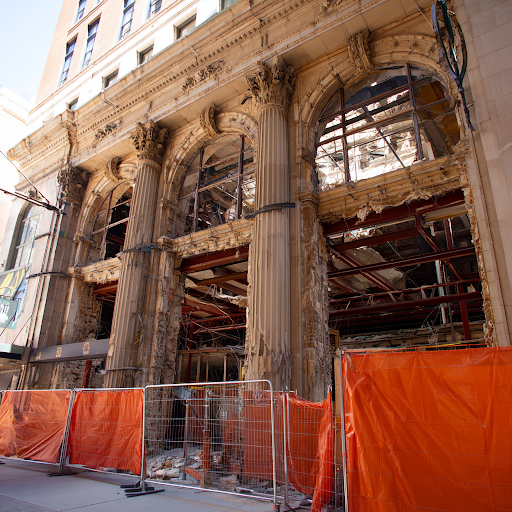
Picture yourself wandering through a centuries-old European villa, admiring ornate moldings and hand-carved banisters, when you learn the entire interior was demolished and rebuilt just five years ago. That’s when you realize that hiring a qualified demolition contractor for heritage restoration and engaging an experienced demolition contractor for architectural preservation isn’t about destroying history but rather giving it a second life. Travel enough, visit enough renovated landmarks-turned-hotels or cultural centers, and you’ll discover that the most breathtaking transformations often begin with strategic deconstruction, not preservation of decay.
The global preservation movement has evolved beyond simply freezing buildings in amber. From converted monasteries in Portugal to reimagined warehouses in Brooklyn, mindful renovation approaches that honor structural integrity demonstrate how selective demolition can rescue failing structures while maintaining their soul. Even major architectural publications now celebrate teardown projects that prioritize thoughtful reconstruction over superficial patching, recognizing that sometimes starting fresh inside historic shells creates better outcomes than clinging to rotting infrastructure hidden behind charming facades.
When Wanderlust Meets Real Estate Reality
Here’s a scenario familiar to anyone who’s fallen in love with a foreign city during vacation: you stumble upon that perfect property during your travels, maybe a crumbling cottage in Tuscany or a weathered townhouse in Lisbon’s Alfama district. Your imagination runs wild with renovation dreams, picturing yourself as the hero who restores architectural glory. Then reality intrudes with structural reports, permits, and the sobering realization that those “charming original features” are actually load-bearing nightmares waiting to collapse.
Global property hunting has become a favorite pastime for digital nomads and remote workers seeking lifestyle upgrades abroad. But Instagram-worthy exterior shots rarely reveal the infrastructure catastrophes lurking within. That 200-year-old stone farmhouse in Provence? Its plumbing predates modern sewage systems. Those exposed ceiling beams in a Barcelona flat? They’re probably supporting weight they weren’t designed to carry, and any renovation requires engineering assessments that cost more than your entire wishful budget.
Smart international property buyers now factor demolition and reconstruction costs into initial assessments, recognizing that gutting and rebuilding often costs less than attempting to retrofit modern systems into incompatible old structures. It’s like trying to install a Tesla powertrain in a horse-drawn carriage: technically possible but financially absurd compared to starting with appropriate foundations.
The Cultural Dance of Destruction and Rebirth
Travel teaches fascinating lessons about how different cultures approach renovation. Mediterranean countries often mandate preserving exterior facades while permitting complete interior demolition, creating beautiful compromises between heritage protection and modern functionality. Japanese culture embraces “scrap and build” philosophies where structures are regularly demolished and reconstructed, viewing buildings as temporary rather than permanent fixtures. Northern European nations lean toward meticulous restoration, preserving every original element possible even when replacement would be simpler.
These cultural attitudes shape both tourism experiences and real estate markets. That boutique hotel you adored in Copenhagen? Likely features original brickwork surrounding entirely modern interiors created through careful selective demolition. The charming Airbnb in Mexico City’s Roma neighborhood? Probably required removing water-damaged walls and replacing them with historically appropriate materials that merely look original.
Understanding these approaches enriches travel experiences while providing invaluable perspective for anyone considering international property investment. You learn to appreciate the craftsmanship required to dismantle structures respectfully, salvaging materials for reuse or proper archival, then rebuilding with techniques that honor original construction methods while meeting contemporary safety standards.
The Economics of International Renovation
Currency exchange rates, local labor costs, material availability, and permitting complexity create wild variations in renovation economics across borders. That Spanish village house selling for seemingly nothing? Factor in demolition, asbestos removal (common in European buildings from certain eras), foundation reinforcement, and navigating regional bureaucracy, and your “bargain” property suddenly costs more than buying something turnkey in your home country.
Yet savvy travelers-turned-property-owners discover opportunities where local expertise and demolition contractors who understand regional building techniques deliver remarkable value. In parts of Latin America, skilled craftspeople can deconstruct and rebuild at fractions of North American costs. Southeast Asian markets offer incredible renovation value if you navigate permitting systems correctly. Eastern European countries present opportunities where architectural treasures await buyers willing to invest in proper restoration.
The key lies in understanding that demolition isn’t a luxury expense but rather a strategic investment. Properly executed deconstruction reveals exactly what you’re working with, preventing expensive surprises mid-renovation when you’ve already committed resources. It’s like getting a comprehensive health screening before committing to a fitness program; knowing the baseline determines appropriate interventions.
Lifestyle Transformations Through Strategic Demolition
The most inspiring renovation stories worldwide share common threads: bold decisions to remove what doesn’t serve, courage to reimagine space completely, and trust in skilled contractors who execute visions respectfully. That Milan loft everyone envies? Started as a decrepit warehouse requiring full interior demolition before becoming a design showcase. The Marrakech riad featured in design magazines? Its stunning courtyard only emerged after removing generations of haphazard additions that obscured original architecture.
These transformations teach valuable lessons applicable anywhere. Demolition contractor expertise becomes crucial not for what they remove but for what they preserve. Experienced specialists identify architectural elements worth saving, understanding which walls carry structural loads versus which are merely partitions, recognizing original craftsmanship that deserves protection while clearing away amateur additions that diminish rather than enhance.
Travel broadens perspectives on living spaces in ways that stationary life cannot. You experience how Japanese homes use flexible spaces that transform throughout the day. You discover how Scandinavian designs maximize limited square footage through thoughtful layout. You absorb Mediterranean principles of indoor-outdoor living that require removing barriers between spaces. Bringing these global inspirations home often requires substantial demolition to reshape spaces according to lessons learned abroad.
The Emotional Architecture of Change
Watching skilled demolition contractors work teaches unexpected lessons about impermanence and rebirth. There’s something meditative about observing structures methodically deconstructed, materials sorted and salvaged, spaces returned to their essential elements. It mirrors the personal transformations that often accompany major travel experiences, where old certainties are dismantled to make room for new perspectives.
This process particularly resonates with expats and relocated professionals who’ve experienced the disorientation of rebuilding lives in new countries. Just as demolition precedes reconstruction in buildings, personal reinvention often requires dismantling outdated identities. The parallels aren’t merely poetic; they’re practical. Understanding that creating your ideal life might require completely gutting and rebuilding rather than merely redecorating provides clarity that prevents half-measures and compromises that satisfy nobody.
The international property renovation community shares stories of catharsis found in demolition phases. There’s liberation in clearing away previous owners’ choices, removing walls that defined how spaces could be used, opening rooms to natural light that had been blocked for decades. These physical acts of clearing create psychological space for reimagining how life might unfold within transformed environments.
Navigating the Bureaucratic Maze
Every country presents unique challenges for demolition and renovation projects. Italian heritage authorities might take months reviewing plans for changes to buildings within historic districts. German regulations around waste disposal and environmental protection create extensive documentation requirements. Latin American permitting can involve navigating both official channels and unofficial relationship networks that determine actual project timelines.
Experienced international property investors emphasize the value of local expertise over trying to manage renovations remotely. Demolition contractors who understand regional regulations, maintain relationships with inspectors, and navigate permitting efficiently become invaluable partners. They prevent costly mistakes like demolishing elements later deemed historically protected or generating waste disposal violations that halt entire projects.
The smartest approach involves extensive upfront research before committing to properties abroad. Connect with expat communities in target regions. Interview multiple local contractors before selecting partners. Budget generously for demolition phases, recognizing that uncovering hidden problems early prevents catastrophic surprises later. Most importantly, accept that timelines abroad rarely match expectations formed in more efficient markets, and flexibility becomes essential for maintaining sanity.
Sustainable Deconstruction Across Cultures
Global travel reveals fascinating variations in how societies handle construction waste and material reuse. Northern European countries mandate extensive recycling and salvage, with demolition projects required to achieve specific waste diversion percentages. Japanese deconstruction techniques carefully dismantle wooden structures, salvaging timber for reuse in ways that honor traditional craftsmanship. Many developing nations maintain robust informal economies around salvaged building materials, creating economic opportunities through careful deconstruction rather than wasteful demolition.
These approaches inform best practices for conscious renovators anywhere. Learning that Scandinavian contractors routinely achieve 90%+ waste diversion through systematic material separation inspires similar efforts elsewhere. Discovering how Japanese craftspeople treasure reclaimed wood from demolished structures encourages seeking demolition specialists who view their work as resource recovery rather than mere destruction.
Sustainable demolition aligns perfectly with travel-inspired values many people develop through global experiences. Once you’ve witnessed environmental damage in vulnerable ecosystems or met communities affected by resource extraction, minimizing waste from your own renovation projects becomes personally important rather than merely trendy.