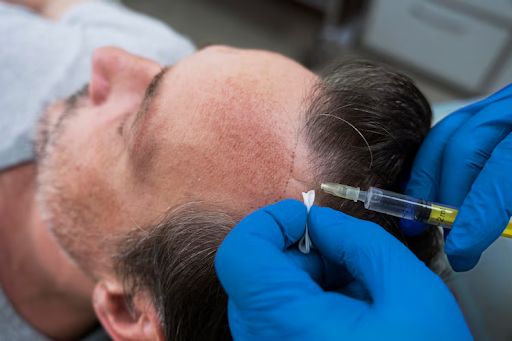
A hair transplant can be a life-changing procedure, restoring not just hair but also confidence. Whether you’ve had a DHI hair transplant or another advanced method, proper post-operative care and ongoing maintenance are essential to achieve long-lasting, natural-looking results.
- Understanding the Basics of Hair Transplant Maintenance
- Tip 1: Follow Your Surgeon’s Post-Procedure Instructions
- Tip 2: Be Gentle with Your Scalp
- Tip 3: Avoid Smoking and Alcohol
- Tip 4: Protect Your Scalp from Sun Exposure
- Tip 5: Consider Medical Hair Maintenance Treatments
- Tip 6: Stay Consistent with Scalp Hygiene
- Tip 7: Book Regular Follow-Up Appointments
- Tip 8: Maintain a Healthy Diet and Lifestyle
- Tip 9: Avoid Harsh Hair Styling Products
- Conclusion
If you’ve recently undergone or are planning a Melbourne hair transplant, understanding how to maintain the results can help you maximise your investment and enjoy your new hair for years to come.
Understanding the Basics of Hair Transplant Maintenance
Hair transplants involve relocating healthy hair follicles, typically from the back or sides of the scalp, to thinning or balding areas. These transplanted follicles are resistant to hair loss, but the surrounding native hair may continue to thin over time if not managed properly.
This is why maintenance isn’t just about caring for the transplanted hair, but also preserving the overall health of your scalp and natural hair.
Tip 1: Follow Your Surgeon’s Post-Procedure Instructions
Every patient receives a set of post-operative care guidelines. Adhering to these instructions during the first few weeks after surgery is crucial for healing. Key steps may include:
- Avoiding strenuous activities or exercise for at least a week
- Sleeping with your head elevated to reduce swelling
- Using any prescribed topical antibiotics or anti-inflammatory medications
- Not picking or scratching the scalp, even if it itches during healing
By following your surgeon’s aftercare plan, you can reduce the risk of complications and ensure the grafts take hold successfully.
Tip 2: Be Gentle with Your Scalp

Post-transplant, your scalp may be sensitive for several days. Gentle washing is allowed after a few days, depending on your surgeon’s advice. Use a mild, non-medicated shampoo and avoid:
- Rubbing or massaging the scalp
- Using hot water
- Drying aggressively with a towel
Over time, you can return to your normal washing routine, but always prioritise gentleness, especially in the early stages.
Tip 3: Avoid Smoking and Alcohol
Both smoking and excessive alcohol can compromise blood flow and slow healing. In the critical first weeks post-surgery, it’s recommended to avoid these substances entirely. Long-term, cutting back can also support healthier hair growth and improve circulation to the scalp.
Tip 4: Protect Your Scalp from Sun Exposure
After a Melbourne hair transplant, sun exposure can irritate healing skin and potentially damage new grafts. It’s important to:
- Wear a loose-fitting hat when going outdoors
- Avoid direct sun for extended periods
- Use a gentle sunscreen on the scalp once healing is complete (after 2–4 weeks)
Melbourne’s changing climate can bring intense UV exposure even in cooler months, so sun protection should remain part of your ongoing hair care routine.
Tip 5: Consider Medical Hair Maintenance Treatments
Even after a successful DHI hair transplant, native hair can continue to thin if left untreated. Maintenance treatments that may be recommended by your clinic include:
- Minoxidil (topical): Encourages growth and reduces shedding
- Finasteride (oral): Helps slow the progression of male pattern baldness
- PRP (Platelet-Rich Plasma): Strengthens hair follicles and supports regrowth
Speak with your Melbourne clinic about combining these treatments with your transplant for long-term hair retention.
Tip 6: Stay Consistent with Scalp Hygiene
Keeping your scalp clean reduces the risk of infection and creates a healthy environment for growth. Choose sulphate-free, gentle shampoos and consider regular scalp exfoliation treatments to remove build-up. Some clinics in Melbourne also offer professional scalp detox sessions for post-transplant care.
Tip 7: Book Regular Follow-Up Appointments

Your relationship with your hair transplant surgeon doesn’t end after the procedure. Follow-up visits help:
- Monitor your hair growth progress
- Assess if additional treatments or maintenance are needed
- Address any issues early
Many Melbourne hair transplant clinics offer scheduled reviews at 3, 6, and 12 months post-transplant to ensure optimal results.
Tip 8: Maintain a Healthy Diet and Lifestyle
Nutrients play a vital role in hair health. Ensure your diet includes:
- Protein (eggs, lean meats, legumes)
- Iron (leafy greens, red meat)
- Zinc (pumpkin seeds, nuts)
- Biotin and other B-vitamins
Staying hydrated, managing stress, and getting adequate sleep also contribute to sustained hair growth after your DHI hair transplant.
Tip 9: Avoid Harsh Hair Styling Products
While styling can resume once healing is complete, avoid products with harsh chemicals, especially alcohol-based gels or sprays. Over time, these can dry the scalp and weaken hair. Instead, opt for:
- Lightweight, natural-based products
- Heat protection sprays when using styling tools
- Minimal tight hairstyles that pull on the roots
Conclusion
A successful Melbourne hair transplant, whether through DHI or another method, is just the beginning of your hair restoration journey. Long-term results depend on how well you care for your hair and scalp after the procedure. From gentle washing to adopting supportive medical treatments, every step you take matters.
Consult your specialist regularly and remain proactive about hair health — your future self will thank you.