Choosing the right roofing style for your home is not just about aesthetics; it’s an investment in property value and protection. It can boost curb appeal and enhance weather resistance and energy efficiency, especially in regions like Colorado, where the weather can change rapidly. Collaborating with a knowledgeable roof replacement Wheat Ridge expert ensures a style that blends beauty with reliable performance. Familiarizing yourself with popular roofing designs helps make a confident decision that suits both practical needs and aesthetic preferences. Today’s homeowners have more options, from classic gable and hip roofs to daring choices like butterfly roofs. This comprehensive guide provides insights into the most prominent roof styles and their adaptability to contemporary living.
Gable Roofs: A Timeless Choice
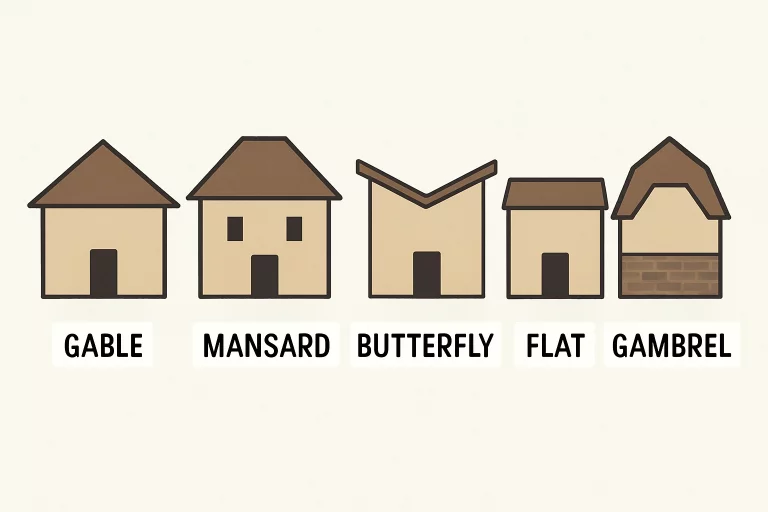
Gable roofs are a popular roofing style with a triangular shape that is suitable for various homes. They are efficient due to their steep slopes, which encourage fast rain, snow, and debris shedding. Modern adaptations include asymmetrical ridges, multiple intersecting gables, and large clerestory windows. These features blend traditional silhouettes with contemporary elements, creating a visually appealing and functional roof. Gable roofs can also be used for attic expansions or vaulting, providing additional storage, living space, or stunning vaulted ceilings.
Hip Roofs: Stability and Elegance
Hip roofs are a popular roofing structure with gentle slopes on all four sides, making them wind-resistant and suitable for storm-prone areas. They have a polished, stately appearance and contribute to a building’s long-term structural integrity. Contemporary design trends, such as cross-hipped and half-hipped forms, showcase the versatility of hip roofs by combining secondary hips and valleys to create complex architectural statements. These variations allow homeowners to personalize their roofs while maintaining durability and elegance.
Mansard Roofs: Maximizing Space
Mansard roofs, popularized in 17th-century France, are a classic European design with a steep lower slope and shallower upper slope. They maximize usable space, allowing for full upper stories or luxurious lofts. Dormer windows in the steep slopes provide daylight and fresh air, enhancing comfort. Modern iterations use standing seam metal, solar-reflective shingles, and eco-friendly finishes, preserving the roof’s historic elegance while meeting homeowners’ needs for sustainability and low-maintenance exteriors.
Butterfly Roofs: Modern and Eco-Friendly
The mid-century modern butterfly roof is characterized by its two inward-sloping wings that meet in a central valley. This bold design gives homes a futuristic flair and high-profile curb appeal. Butterfly roofs are popular among eco-conscious homeowners as they naturally channel rainwater to a central collection point, making them ideal for rainwater harvesting systems. They also allow dramatic glass walls, reducing artificial lighting and enhancing energy efficiency. The central valley design improves home ventilation and cooling, making it an attractive choice for environmentally conscious homes.
Flat Roofs: Minimalist Appeal
Flat roofs, a popular feature in modernist and minimalist architecture, are versatile and stylish. They offer a contemporary feel and can be used for rooftop gardens, outdoor kitchens, or patio lounges. They are also popular in commercial architecture due to their accessibility and maintenance. However, flat roofs require engineered drainage systems and high-quality waterproofing to prevent water damage. Flat roofs offer excellent longevity, eco-friendly features, and a seamless connection to surrounding landscapes and outdoor spaces when installed correctly.
Mixed Material Roofs: Unique Visual Interest
Mixed-material roofs are becoming popular among homeowners for their aesthetic appeal and functionality. These roofs combine different materials, such as metal and clay tiles, to create a visually appealing and modern look. They also offer strategic placement, with metal sections used in areas exposed to water runoff or ice dams, and textured materials adding richness and variety. With more high-quality building products, this custom approach is becoming easier and more accessible for homeowners to express their style and enhance home durability.
Conclusion
Choosing the right roofing style is crucial for your home’s personality, resilience, and livability. Consider historical context, modern materials, climate, and functionality for long-term satisfaction. Work with a trusted local roofer for a stunning visual impact, structural integrity, and peace of mind. Talk to a reputable roof replacement expert to turn your vision into a reality that will age gracefully and perform reliably.