Walk into some offices and you can almost feel the life draining out of you. The flicker of fluorescent tubes. Grey walls that match grey moods. A row of desks so uniform you wonder if anyone’s allowed to be human in there. By morning tea, you’re already fidgeting. Checking your watch. Dreaming of sunlight.
It’s not just you. Spaces do that to people. They set the tone for how we think, feel, work. And that’s exactly why commercial office fitouts have started moving past the old “just desks and partitions” mindset. The conversation now? Wellbeing. How design can actually support mental health rather than slowly grind it down.
Light, or the Lack of It
Let’s start with light. You ever worked in a corner with no windows? Feels like punishment, right? Humans are basically sunflowers—we track light, we need it. When fitouts ignore that, the result is fatigue, stress, that low-level fog you can’t shake.
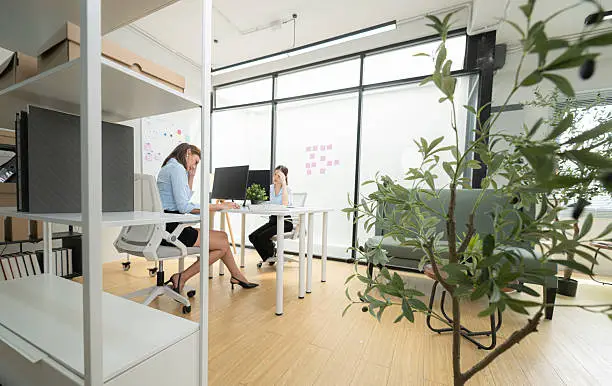
Modern commercial office fitouts in Melbourne lean hard into natural light. Skylights. Bigger windows. Glass partitions instead of solid walls. And when the sun can’t reach, designers turn to warm LEDs instead of those harsh, buzzing fluorescents. Doesn’t sound revolutionary, but you’d be surprised. People are sharper. Happier. Even sleep better when their days are lit properly.
Plants, Not Just Pretty
It’s almost cliché now, the potted fiddle-leaf in the lobby. But plants aren’t just décor. They’re tiny mood stabilisers. Studies back this up—plants lower stress, improve concentration, even make people feel more at home in a sterile office.
That’s why you’re seeing more commercial office fitouts incorporate greenery into the space. Vertical gardens, indoor trees, and herb walls near the kitchen. And not as an afterthought, but as a central design feature. It makes sense. Strip away nature, and people wither a little. Bring it back in, and suddenly the office feels like somewhere you might actually want to spend time.
Noise (or the Constant Buzz)
Open-plan offices were supposed to bring us together. What they mostly brought was distraction. Phones ringing. Conversations carrying. That one guy who still insists on speakerphone.
Noise is one of the biggest killers of focus and calm, which is why fitouts today are getting clever with acoustics. Sound-absorbing panels. Quiet pods. Soft furnishings instead of endless hard surfaces. It’s not about silence—nobody wants to work in a tomb. It’s about balance. Enough sound to feel alive, but not so much you want to jam earbuds in 24/7.
This is where thoughtful commercial office fitouts show their worth. They recognise that noise is part of the job—but chaos doesn’t have to be.
Movement and Flow
Here’s something most people don’t think about: how you move through a space changes how you feel in it. Too cramped, and you feel stuck. Too wide open, and you feel exposed. The best offices find a rhythm. A little walking here. A space to perch there. A corner that invites a stretch when you’re restless.
That’s what modern commercial office fitouts focus on. Not just where desks sit, but how people flow between them. The pathways, the breakout spaces, the mix of private and communal zones. These small decisions create energy. They break up the monotony. They make sitting all day slightly less soul-crushing.
Culture, Written in Walls
The most overlooked part of fitouts is how they silently broadcast company culture. Walk into a workplace with rows of identical cubicles under buzzing lights. What does that say? Efficiency over personality. Get your work done, don’t stand out.
Now imagine stepping into an office with warm finishes, open collaboration areas, and quiet corners that respect focus. What does that signal? We see you. We want you to thrive here.
This is why companies are investing more in thoughtful commercial office fitouts. Because the space isn’t just physical—it’s psychological. It shapes how employees view the business, and how they view themselves inside it.
The Mental Health Payoff
Let’s be honest. No office, no matter how well-designed, can cancel out deadlines or tricky clients or that weekly meeting that should’ve been an email. But design can soften the blow. Natural light helps regulate moods. Plants calm frazzled nerves. Better acoustics reduce stress. Flow keeps energy up.
Piece by piece, it adds up. A space that doesn’t feel like it’s draining you all day. A workplace that supports you, not fights you. That’s the hidden ROI of smart commercial office fitouts—healthier, happier humans. And healthier humans do better work.
Melbourne Leading the Way
Melbourne’s always been a city that blends creativity and function. From laneway cafés to cutting-edge architecture, it’s not afraid to experiment. The same is true for its workplaces. Businesses here are pushing for offices that don’t just look modern but feel good to be in.
And that’s why the market for commercial office fitouts is thriving. It’s not vanity. It’s a response to what people actually need to do their best work in a world that feels busier and more demanding every year.
Final Thought
We used to think of fitouts as the finishing touch. Paint the walls, move the desks, call it done. But the truth? They’re the foundation of everything. The way a space is designed shapes the way people live inside it. And since most of us live half our lives in offices, it matters. A lot.
So when businesses invest in commercial office fitouts from Juma Projects, they’re not just buying new furniture or fresh paint. They’re making a statement: we care how you feel here. And if the walls could talk, that’s precisely what you’d want them to say.