Choosing the right hair transplant method is essential for achieving natural-looking, long-lasting results. The two most commonly used techniques—FUT (Follicular Unit Transplantation) and FUE (Follicular Unit Extraction)—each offer distinct advantages depending on a patient’s hair type, degree of hair loss, and personal goals. If you’re exploring your options in North Carolina, both FUT hair transplant in Raleigh NC and FUE hair transplant in Raleigh are offered by leading clinics with modern technology and experienced surgeons.
In this guide, we’ll discuss which hair types respond best to FUT or FUE, what to expect from each procedure, and how to determine which approach may suit your unique needs.
Understanding the Basics: FUT vs. FUE
Before diving into hair type compatibility, it’s important to briefly understand how these two methods differ:
- FUT (Follicular Unit Transplantation) involves removing a thin strip of scalp from the back of the head (the donor area), then dissecting it under a microscope to extract individual follicular units. These are then implanted into the balding areas.
- FUE (Follicular Unit Extraction) involves extracting individual follicular units directly from the donor area using a small punch device, leaving no linear scar.
Both techniques aim to restore hair density and coverage, but each comes with different recovery profiles, scarring potential, and suitability for specific hair types.
Hair Type and Texture: Why It Matters
Your natural hair type plays a major role in determining how effective a transplant will look. Key factors include:
- Curl pattern (straight, wavy, curly, or coily)
- Hair shaft diameter (fine, medium, coarse)
- Hair colour vs. scalp contrast
- Density of donor hair
Some hair types can achieve better coverage and a more natural aesthetic with fewer grafts, making them ideal candidates for either FUT or FUE depending on other variables.
Best Hair Types for FUT Hair Transplant in Raleigh, NC
FUT is often ideal for patients with the following characteristics:
Thick, Dense Hair
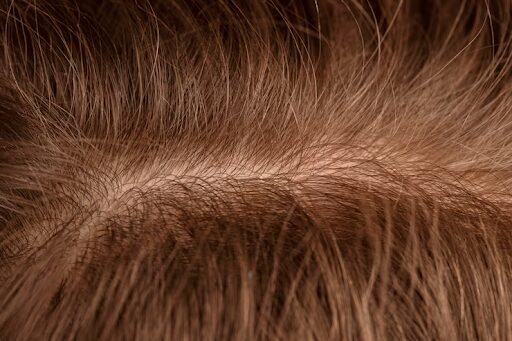
Patients with thick hair shafts and high donor density tend to benefit from FUT because more grafts can be harvested in a single session. Thick hair provides better coverage and volume, especially useful when treating large bald areas.
Wavy or Curly Hair
Wavy and curly hair types offer more visual scalp coverage, meaning fewer grafts are needed to create the illusion of fullness. FUT allows the surgeon to harvest a large number of grafts efficiently from the densest part of the scalp.
Patients Needing High Graft Volume
If you have extensive hair loss (Norwood Scale 4 or above), FUT is often preferred because it can yield a higher number of grafts in one session compared to FUE. This is particularly beneficial for patients planning a single, comprehensive procedure.
Scar Concealment Isn’t a Major Concern
Since FUT leaves a linear scar, it’s more suitable for individuals who typically wear their hair longer in the back and aren’t concerned about concealing the donor area.
Best Hair Types for FUE Hair Transplant in Raleigh
FUE is ideal for patients who want minimal scarring and faster recovery, and it suits particular hair types as well:
Fine or Straight Hair
FUE works well for straight or fine hair types, especially in smaller transplant areas. Although fine hair offers less coverage per graft, FUE allows for strategic placement of follicles to maximise the aesthetic outcome.
People Who Prefer Short Hairstyles
FUE is the preferred method for those who wear short hair, as the procedure results in tiny dot scars that are nearly invisible, unlike the linear scar from FUT.
Patients with a Tight Scalp
For individuals with tight scalp skin—where FUT strip removal may be challenging—FUE offers a less invasive alternative.
Low to Moderate Hair Loss
FUE is commonly recommended for patients with mild to moderate hair loss or those needing smaller areas filled in, such as the temples or crown.
Ethnic Hair Considerations
Different ethnic groups present unique hair characteristics that can influence the choice between FUT and FUE:
- Afro-textured hair is often curly and coarse, which offers excellent coverage but requires a surgeon skilled in dealing with curved follicles. FUT may be more predictable in such cases.
- Asian hair tends to be straight and thick but with lower donor density, making FUE a more viable option when individual follicle placement is critical.
- Caucasian hair varies more widely, but many individuals have good donor areas suitable for either FUT or FUE depending on goals.
If you’re considering FUE hair transplant in Raleigh, consult a clinic experienced in working with diverse hair types to ensure proper technique and tools are used.
What About Hair Colour and Scalp Contrast?
Another factor to consider is the contrast between your hair and scalp colour. Individuals with high contrast (dark hair and light scalp) require more density to achieve natural-looking coverage. FUE allows for strategic graft placement in these cases, while FUT provides volume more effectively.
Those with low contrast (blonde or grey hair and light skin) may need fewer grafts, as scalp visibility is naturally reduced. Both techniques can be effective here depending on hair density and texture.
Long-Term Maintenance Considerations
Choosing the right technique isn’t just about the initial results—it’s about long-term planning. FUT generally preserves more of the donor area, which is useful if multiple procedures are needed over time. FUE, on the other hand, can overharvest the donor region if not done carefully, which may limit future options.
Some patients eventually opt for combination procedures—starting with FUT and later moving to FUE—to maximise donor resources.
Conclusion
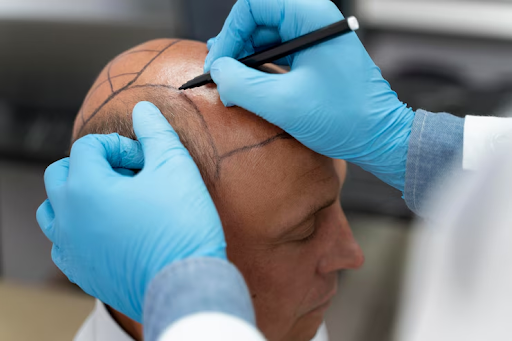
Whether you choose a FUT hair transplant in Raleigh, NC, or go for an FUE hair transplant in Raleigh, the best approach depends on your hair type, goals, and lifestyle. Curly, thick, or dense hair types often achieve superior coverage with FUT, especially in cases of extensive hair loss. Fine, straight, or sparse donor hair may benefit more from the precision of FUE, especially when minimal scarring and shorter recovery times are a priority.
Ultimately, the best way to determine suitability is through a consultation with an experienced hair restoration surgeon who can assess your hair type, scalp condition, and long-term goals. With expert guidance and realistic expectations, both FUT and FUE can deliver natural, transformative results.