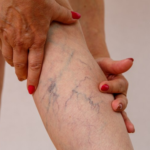

Spider veins are small, visible blood vessels that commonly appear on the legs and face. They can be both a cosmetic concern and a sign of underlying venous issues. Fortunately, modern spider vein treatment in Sydney offers safe and effective ways to address these concerns. However, the success of these treatments often depends on the patient’s commitment to certain post-treatment lifestyle changes.
- Understanding Spider Vein Treatment Options
- Commit to Regular Exercise
- Wear Compression Stockings
- Maintain a Healthy Weight
- Avoid Prolonged Sitting or Standing
- Elevate Your Legs Regularly
- Avoid Hot Baths and Excessive Heat Exposure
- Stop Smoking and Limit Alcohol
- Stay Hydrated
- Be Patient with Results
- Can These Changes Help with Varicocele Too?
- Conclusion
Incorporating healthier habits not only supports healing but also helps prevent the recurrence of spider veins and related conditions like varicose veins or varicocele in men. Here’s what you need to know about the lifestyle changes that can optimise your treatment results.
Understanding Spider Vein Treatment Options
Before diving into post-treatment care, it’s helpful to understand the most common treatment options offered by vein specialists in Sydney:
- Sclerotherapy: A solution is injected into the vein, causing it to collapse and fade.
- Laser Therapy: Light energy is used to target and reduce small spider veins.

- Radiofrequency or Endovenous Laser Treatment: Typically used for larger veins but may be offered in conjunction with spider vein treatments.

Regardless of the technique used, patients are usually able to return to normal activities quickly. Still, lifestyle adjustments are key to maintaining long-term results.
Commit to Regular Exercise
Light to moderate exercise boosts circulation and reduces pressure in the legs — both of which are important after spider vein treatment. Recommended activities include:
- Walking (especially daily walks after sclerotherapy)
- Swimming
- Cycling
- Gentle yoga or stretching
Avoid high-impact activities (e.g. running or heavy weightlifting) for at least a week or as advised by your vein specialist.
Wear Compression Stockings
After your spider vein treatment in Sydney, your doctor will likely recommend wearing compression stockings for several days to a few weeks. These stockings:
- Help blood flow return to the heart
- Prevent blood pooling in treated or surrounding veins
- Reduce swelling and discomfort
They are especially important for people who stand or sit for long hours during the day.
Maintain a Healthy Weight
Excess weight adds pressure to your lower limbs, increasing your risk of developing new spider veins or worsening existing vein conditions. Post-treatment, a balanced diet rich in:
- Leafy greens
- Colourful vegetables
- Whole grains
- Lean proteins
- Anti-inflammatory foods like berries and fatty fish

…can help keep your veins healthy and functioning properly.
Avoid Prolonged Sitting or Standing
Sitting or standing for too long without moving can slow blood circulation, particularly in the legs. This contributes to spider vein recurrence and increases the risk of vein-related issues such as varicose veins or even varicocele, which affects the veins in the scrotum in men.
To reduce this risk:
- Change positions frequently
- Stand up and walk around every 30–60 minutes
- Use a footrest or stool to elevate your legs when sitting
Elevate Your Legs Regularly
Elevating your legs above heart level helps reduce venous pressure and swelling. Aim to do this for at least 15–20 minutes a few times a day, especially in the first week after treatment.
This simple habit promotes blood flow back toward the heart and prevents pooling in the treated areas.
Avoid Hot Baths and Excessive Heat Exposure
Hot water dilates blood vessels, which may interfere with the healing process following spider vein treatment. For the first week or two post-procedure, avoid:
- Hot baths
- Saunas or steam rooms
- Intense sun exposure on treated areas
Instead, opt for cool or lukewarm showers and keep the treated skin protected from direct sunlight.
Stop Smoking and Limit Alcohol
Smoking and excessive alcohol use can impair circulation and affect vein health. Nicotine in particular causes blood vessels to constrict, which is counterproductive during the healing process.
Quitting smoking and limiting alcohol are not only beneficial for your veins but also for your overall cardiovascular health.
Stay Hydrated
Proper hydration supports circulation, reduces blood viscosity, and helps keep your veins functioning optimally. Drink plenty of water throughout the day and limit caffeine or sugary drinks that may contribute to dehydration.
Be Patient with Results
Spider vein treatment results are not always immediate. It can take several weeks for veins to fade completely, and some patients may require multiple sessions depending on the severity of the condition.
Being patient and consistent with your post-treatment care will ensure the best possible outcome.
Can These Changes Help with Varicocele Too?
While spider vein treatment in Sydney and varicocele treatment in Sydney address different types of vein issues, both benefit from improved circulation, healthy weight maintenance, and reduced venous pressure. Men dealing with varicocele are also advised to:
- Avoid heavy lifting
- Practice scrotal support if recommended by their urologist
- Consider similar lifestyle habits that support vascular health
These shared recommendations demonstrate how overall vein health is interconnected throughout the body.
Conclusion
Spider vein treatment is only the beginning of your journey toward healthier legs and better vein function. By adopting simple but effective lifestyle changes — including regular exercise, healthy weight management, and improved circulation habits — you can prolong your results and reduce the likelihood of recurrence.
If you’re considering spider vein treatment in Sydney or dealing with venous issues like varicocele, speak with a qualified vein specialist about the right treatment options and personalised lifestyle advice. Your long-term vascular health depends on it.