
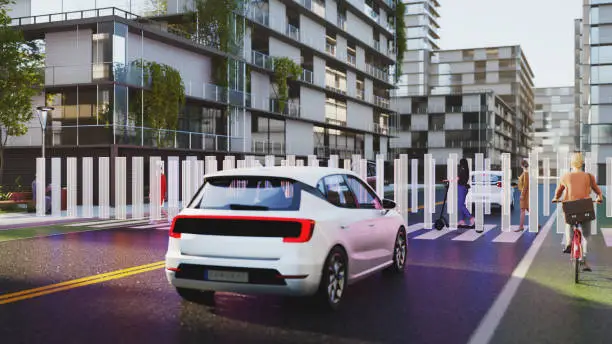
Urban transportation is steadily transforming in subtle ways that most commuters may not actively consider, but the consequences ripple through everyday life and reshape routines in unexpected directions. This shift is not solely defined by the publicized rise of electric vehicles or autonomous technology; instead, the true dynamism lies in emerging ecosystems, the evolution of city infrastructure, and shifting civic expectations. Routine services, such as car service Irvine CA, have become intertwined with these changes, reminding us that even basic transportation needs are colored by technological advances, urban planning, and evolving social priorities.
As metropolitan areas become increasingly data-driven, vehicles interact with connected city networks that influence everything from traffic flows to the timing of service appointments. What used to be a simple car service request is now part of an intricate web that includes digital communications, climate targets, and community access. This integration between personal mobility and the urban landscape is often invisible to the average person but fundamentally redefines convenience, speed, and reliability.
New Urban Layers in Routine Car Care
Contemporary cities leverage digital infrastructure to make streets, signals, and public spaces responsive to real-time needs. Car services and repairs are increasingly scheduled and managed through predictive analytics and dynamic routing platforms, synchronizing customer demand with technicians’ availability and city traffic patterns. For instance, some vehicle maintenance providers monitor city congestion and reroute service appointments or mobile repair vans to optimize efficiency and reduce travel delays.
This trend is backed by growing investments in vehicle-to-infrastructure technology, where cars communicate with urban systems through onboard sensors and smart software for optimized service delivery. Diagnostic assessments may be performed remotely, and inventories for spare parts can be managed more precisely, minimizing wait times and streamlining logistics. Every maintenance transaction, down to a simple oil change, becomes a node in a wider network of urban data exchange.
The Intersection of Social Priorities and Mobility
Alongside functional improvements, there is a pronounced emphasis on equity and inclusion. Many cities now target reductions in congestion and pollution, and introduce regulatory frameworks that subtly reorient how and where car care can occur. Temporary service hubs in residential zones, mobile mechanic vans stationed near high-demand areas, or partnerships with local community groups are becoming more commonplace.
Along with these spatial changes, service providers and customers navigate new expectations for transparency and documentation. Online booking tools and digital vehicle inspections not only enhance convenience but also raise public trust and accountability.
Meanwhile, urban design initiatives such as expanded green spaces or revamped parking structures directly influence access to car services, compelling professionals to adapt their models and skillsets to remain relevant.
Adapting to Ongoing Innovation
Despite the spotlight on electric and autonomous cars, much of the real innovation in urban mobility happens quietly—through gradual updates to regulation, software, and public expectations. Local emission policies force garages and providers to alter their standards and adopt cleaner practices. Consumers, meanwhile, see incremental changes in how they interact with providers, from notification apps that adjust appointment times based on traffic predictions to real-time progress updates for vehicle repairs.
For car service professionals, adapting to new norms also means a shift in technical proficiency and workplace flexibility. Gone are the days when all work occurred in a fixed garage; today’s experts may operate from temporary pop-ups, respond to data-driven appointment shifts, or embrace remote diagnostic technologies. Customers experience a city where service is increasingly frictionless, transparent, and focused on minimizing environmental impact.
The evolution of car service Irvine Ca now serves as a lens through which to view a rapidly adapting industry that is consistently influenced by municipal priorities, technological improvements, and shifting behaviors. Whether through route planning supported by urban data, climate-forward initiatives redesigning infrastructure, or the everyday tweaks to keep up with citywide improvements, the transformation of vehicle care is constant— even if not always visible to the average individual.
Urban mobility continues to evolve steadily, shaped by incremental adjustments rather than headline-grabbing overhauls. Each small change—whether a reimagined signal system, a new access point for car maintenance, or an upgraded scheduling platform— contributes to a landscape where residents and visitors silently adapt. In this new reality, vehicle care is not a static service but a dynamic thread woven into the fabric of city life, responsive to the invisible and ongoing urban mobility revolution. Here is a non-poetic, timely, and journalistic exploration with a single keyword use and a length of at least 600 words:
What the Quiet Shift in Urban Mobility Means for Everyday Car Care
Urban transportation is transforming in subtle yet powerful ways that most commuters may not consciously notice, but whose impact quietly reshapes daily routines and expectations. This evolution is not driven solely by electric vehicles or automated technology; it is a convergence of new urban ecosystems, technological progress, and changing social demands. Routine services such as car service Irvine Ca now exist in a landscape where traditional boundaries have blurred, and every journey or appointment reflects deeper shifts in how cities function and prioritize mobility.
Cities are increasingly data-rich and interconnected, empowering real-time responses to traffic patterns, public transit needs, and even the logistics of everyday maintenance.
Innovations in vehicle-to-infrastructure communication mean that cars transmit data to urban systems, which then adapt traffic signals, parking availability, or route recommendations based on immediate conditions. For service providers, this has improved scheduling, inventory management, and diagnostics, reducing wait times and enhancing the reliability of simple appointments. Yet for most drivers, these changes are experienced only as smoother experiences—faster booking, fewer delays—rather than as the result of an intentional urban strategy.
The New Urban Context for Car Care
The evolution of urban spaces directly affects how and where residents obtain vehicle services. Mobile mechanics have adapted to deliver care in novel settings, using dynamic scheduling tools and mapped urban congestion data to optimize workflow. Pop-up repair hubs sometimes appear in busy neighborhoods, serving customers who once relied on dedicated garage spaces. Even basic services increasingly involve a web of predictive analytics and digital communications, with technicians and drivers adjusting plans based on up-to-the-minute citywide conditions.
Such real-time responsiveness does more than streamline appointments; it also offers opportunities to reduce environmental impact. Traffic modeling can minimize unnecessary miles technicians travel, and just-in-time parts delivery means less waste and more efficiency. Even diagnostic procedures are becoming remote, allowing mechanics to prep for repairs before ever touching the vehicle—all quietly driven by the underlying data infrastructure now embedded in urban life.
Social Priorities and Mobility Access
As municipal policymakers prioritize equity and sustainability, car services must now accommodate new rules for emissions, congestion reduction, and accessibility. City regulations often mandate cleaner operations and smarter resource allocation. For drivers, the practical impact is seen in service models offering greater transparency—digital checklists, mobile notifications, or real-time repair updates. Community groups sometimes
coordinate temporary access points or shuttle options in underserved neighborhoods, reshaping what is offered and who can benefit.
Professionals in the field need ongoing training to match technical demands and evolving regulatory standards, while customers must navigate new platforms for booking, payment, and service feedback. As car service becomes more integrated with public transit or community hubs, expectations around speed, reliability, and trust are elevated, reinforcing the continuous interplay between travel and technology.
Incremental and Invisible Innovation
While headlines focus on self-driving vehicles or green initiatives, much of the true innovation in urban car care is incremental. Diagnostic platforms use machine learning to anticipate service needs, while appointment systems adapt dynamically to weather, traffic, or city events. Customers experience more streamlined notifications and flexible scheduling, but may not consciously connect these improvements to broader trends in urban mobility.
Meanwhile, the role of car service Irvine Ca serves as a barometer for these changes: reliable, accessible car care now acts as both a service and an infrastructure feature shaped directly by city planning and shifting urban priorities. The combination of regulatory adaptation, technical advances, and ongoing feedback loops between city systems and vehicle owners ensures that service remains responsive and quietly reimagined.
Within this landscape, urban mobility is constructed from millions of tiny, often invisible adjustments—smarter traffic alerts, optimized logistics, updated policies—all collectively shaping how residents maintain, repair, and experience their vehicles. The reality for commuters is as much about invisible network effects and constant adaptation as about the physical roads and cars themselves. In this quietly shifting world, every appointment and every drive reflects the ongoing evolution of mobility and care in the city context.