
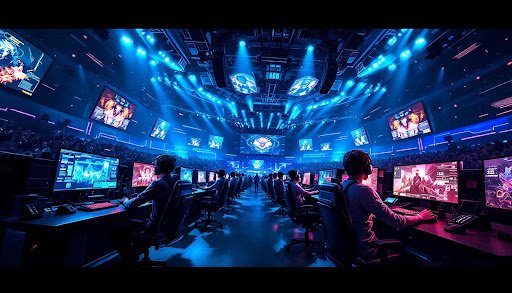
In recent years, the intersection of blockchain technology and the gaming industry has created a fascinating new paradigm that is reshaping how players perceive value in their gaming experiences. The fluctuations in Ethereum price have influenced this evolving ecosystem, as many digital collectibles operate on this blockchain network. Digital collectibles, represented as non-fungible tokens (NFTs), have emerged as a significant factor influencing not only in-game economies but also the physical and digital equipment used by gamers worldwide.
The Evolution of Digital Ownership
This transformation from traditional to blockchain-based ownership represents one of the most significant shifts in gaming history.
Traditional gaming has always featured collectible elements—rare items, special character skins, and unique weapons that players cherish. However, these digital assets historically existed solely within their native gaming environments, with no standardized way to prove ownership beyond the game’s ecosystem.
The introduction of blockchain technology has transformed this landscape by enabling true digital ownership. Now, gaming equipment and digital assets can be tokenized, allowing players to verifiably own unique digital items that exist independently of any single gaming platform.
How NFTs Change Gaming Equipment Value
Hardware Integration
The rising popularity of digital collectibles has influenced the development of gaming hardware. Manufacturers are now designing equipment with built-in functionality to interact with blockchain networks. This integration includes specialized storage solutions for digital wallets, enhanced security features, and optimized performance capabilities for blockchain-enabled games.
These technological adaptations add a premium to gaming equipment, as devices capable of seamlessly interfacing with digital collectible ecosystems offer additional utility beyond traditional gaming experiences.
Peripheral Enhancements
Beyond core computing hardware, gaming peripherals have also evolved to accommodate the digital collectible revolution. Controllers, headsets, and other accessories now come with features specifically designed to enhance interaction with digital assets. Some include authentication mechanisms that allow players to securely access their digital collections, while others incorporate display capabilities to showcase owned collectibles.
Virtual Reality and Digital Display
The rise of digital collectibles has accelerated development in virtual reality (VR) and augmented reality (AR) equipment. These technologies provide immersive environments where players can showcase and interact with their digital collections in three-dimensional space. The ability to physically “walk through” a gallery of owned digital assets has created a new demand for VR equipment, further influencing the market value of these gaming peripherals.
Digital Identity and Equipment Personalization
Custom Hardware Identities
Digital collectibles have enabled a new form of equipment personalization where hardware devices can have their own unique digital identities. Gaming systems can now be associated with specific blockchain-verified signatures, creating a provenance record for the equipment itself. This development has introduced a new dimension of value to gaming hardware as the history and authenticity of devices become traceable and verifiable.
Integrated Display Systems
Monitor and display manufacturers have responded to the digital collectible trend by developing systems optimized for showcasing NFT art and gaming assets. These specialized displays often feature enhanced color accuracy, improved resolution, and custom modes designed specifically for digital asset visualization. As players increasingly value the presentation of their digital collections, these display solutions command premium pricing in the gaming equipment market.
The Intersection of Physical and Digital Value
Bundled Offerings
A notable trend in the gaming equipment market is the bundling of physical hardware with digital collectibles. Limited edition gaming systems now frequently include exclusive digital assets that are tied to the specific hardware unit purchased. This practice creates a symbiotic relationship between physical and digital value, where the worth of each component is enhanced by its connection to the other.
Authentication and Provenance
The technology underlying digital collectibles has also influenced how authenticity is verified for physical gaming equipment. Manufacturers now leverage blockchain systems to create tamper-proof records of production, ownership history, and technical specifications for premium gaming hardware. This authentication capability adds a layer of trust and value to high-end gaming equipment, particularly in secondary markets.
Looking Ahead: Equipment Evolution
Adaptive Hardware Systems
The future of gaming equipment appears increasingly intertwined with digital collectible ecosystems. Emerging technologies suggest the development of adaptive hardware that can physically transform based on owned digital assets. This could include modular components that reconfigure according to in-game achievements or aesthetics that dynamically change to reflect digital collectible ownership.
Energy and Performance Considerations
As gaming equipment continues to evolve alongside digital collectible technology, important considerations around energy efficiency and performance optimization remain at the forefront. The industry continues to balance the computational demands of blockchain interaction with environmental responsibility and user experience.