
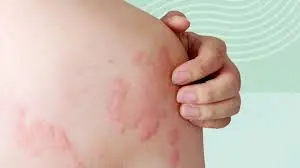
That red, itchy patch on your skin seems minor enough to handle at home. You reach for the first cream you find in your medicine cabinet or follow advice from a quick internet search. While this approach might seem practical and cost-effective, self-treating rashes frequently leads to complications that could have been easily avoided with professional care.
Skin conditions often look similar to the untrained eye, making accurate self-diagnosis nearly impossible. What appears to be a simple irritation could be a fungal infection, allergic reaction, or early sign of a more serious condition. Misidentifying the cause leads to inappropriate treatment, which can worsen symptoms, prolong healing time, and sometimes cause permanent skin damage.
Understanding why professional evaluation matters can save you from unnecessary discomfort, wasted money on ineffective treatments, and potential long-term skin problems.
The Problem with Visual Diagnosis
Rashes rarely announce their cause with obvious symptoms. Eczema can look remarkably similar to contact dermatitis, while fungal infections often mimic bacterial ones. Even experienced medical professionals sometimes require laboratory tests to confirm their initial assessment.
Your bathroom mirror doesn’t reveal the microscopic details that determine proper treatment. Fungal infections require antifungal medications, bacterial infections need antibiotics, and allergic reactions respond to entirely different approaches. Using the wrong treatment type can feed the problem rather than solve it.
Consider poison ivy exposure, which many people mistake for other skin irritations. Applying the wrong topical treatment can spread the irritating oils to other parts of your body, creating new rashes where none existed before. Similarly, treating a fungal infection with steroid creams can actually promote fungal growth, making the infection worse and more difficult to eliminate.
Location, distribution pattern, and accompanying symptoms all provide crucial diagnostic clues that require professional interpretation. A rash on your hands might indicate occupational contact dermatitis, while the same appearance on your feet could signal a fungal infection requiring completely different treatment.
Over-the-Counter Medications Can Make Things Worse
Drugstore shelves overflow with creams, ointments, and treatments promising quick relief from various skin problems. Many people assume these products are harmless because they don’t require prescriptions, but this assumption can be costly.
Topical steroids, available in many over-the-counter formulations, can thin the skin with prolonged use and mask symptoms of infections. When you stop using them, the underlying condition often returns with increased severity. This rebound effect can make your original problem much more difficult to treat.
Anti-itch creams containing ingredients like diphenhydramine or benzocaine can cause allergic reactions in some people, adding a new skin problem on top of your existing one. You might find yourself treating an allergic reaction to your treatment rather than your original rash.
Some people develop contact sensitivity to preservatives, fragrances, or active ingredients in topical treatments. This means products designed to heal your skin actually cause additional irritation every time you apply them.
Delayed Treatment Leads to Complications
Skin conditions often worsen without appropriate treatment, and some require prompt intervention to prevent permanent damage or systemic spread. What starts as a minor skin irritation can develop into a serious infection requiring oral antibiotics or other intensive treatments.
Bacterial skin infections can spread rapidly, especially in people with compromised immune systems, diabetes, or circulation problems. A small infected scratch can progress to cellulitis, a serious condition that may require hospitalization if left untreated.
Fungal infections tend to expand their territory over time, becoming more difficult and expensive to treat as they spread. A small patch of athlete’s foot can spread to toenails, creating a stubborn infection that takes months or years to eliminate completely.
Some rashes indicate systemic conditions that require medical attention beyond skin treatment. Certain autoimmune conditions, medication reactions, or internal diseases first manifest as skin changes. Focusing solely on topical treatment while ignoring the underlying cause allows these conditions to progress unchecked.
The Hidden Costs of Self-Treatment
While avoiding a medical visit might seem economical initially, ineffective self-treatment often costs more in the long run. You might spend significant money on multiple over-the-counter products that don’t address your specific condition.
Prolonged symptoms mean extended time dealing with discomfort, sleep disruption, and potential interference with work or daily activities. The productivity loss and reduced quality of life during extended healing periods often exceed the cost of prompt professional treatment.
Skin damage from inappropriate treatment can require costly corrective procedures. Scarring, hyperpigmentation, or skin thinning from misused topical steroids may need professional treatment to improve appearance and function.
Some people develop complicated medication regimens trying to address side effects from their initial self-treatment attempts. This pharmaceutical cascade can involve multiple products and create a confusing treatment routine that becomes difficult to manage effectively.
When Professional Help Makes the Difference
Dermatologists and other qualified healthcare providers can quickly identify skin conditions that might puzzle patients for weeks or months. They have access to diagnostic tools, laboratory tests, and treatment options not available for home use.
Professional evaluation includes assessment of your medical history, current medications, occupational exposures, and lifestyle factors that might contribute to your skin condition. This comprehensive approach identifies underlying causes rather than just treating surface symptoms.
A qualified dermatologist in Midvale or your local area can provide prescription treatments that work faster and more effectively than over-the-counter alternatives. They can also monitor your progress and adjust treatment plans based on your response.
Healthcare providers can educate you about prevention strategies specific to your condition, helping you avoid future outbreaks or complications. This knowledge proves invaluable for managing chronic skin conditions or preventing recurrent problems.
Red Flags That Demand Professional Attention
Certain symptoms warrant immediate professional evaluation regardless of your preference for self-treatment. Rapidly spreading rashes, especially those accompanied by fever, indicate possible serious infections requiring prompt medical attention.
Any rash that doesn’t improve within a few days of appropriate self-care, or one that worsens despite treatment, needs professional assessment. Persistent symptoms often indicate that your initial diagnosis was incorrect or that you need prescription-strength treatment.
Signs of secondary infection, such as pus, increasing warmth, red streaking, or swollen lymph nodes, require immediate medical attention. These symptoms can indicate bacterial superinfection that needs antibiotic treatment.
Rashes affecting large body surface areas, involving mucous membranes, or accompanied by systemic symptoms like difficulty breathing or swallowing may indicate serious allergic reactions or other medical emergencies.
Your Skin Deserves Expert Care
Your skin is your body’s largest organ and your first line of defense against environmental threats. Treating skin problems appropriately protects both your immediate comfort and long-term skin health.
Professional skin care doesn’t always mean expensive treatments or complex procedures. Many common skin conditions respond quickly to proper diagnosis and appropriate treatment, often resolving faster and more completely than extended self-treatment attempts.
Don’t let pride, cost concerns, or convenience preferences compromise your skin health. When rashes persist, worsen, or cause significant discomfort, seek professional evaluation. Your skin will thank you with faster healing, reduced complications, and better long-term health.