
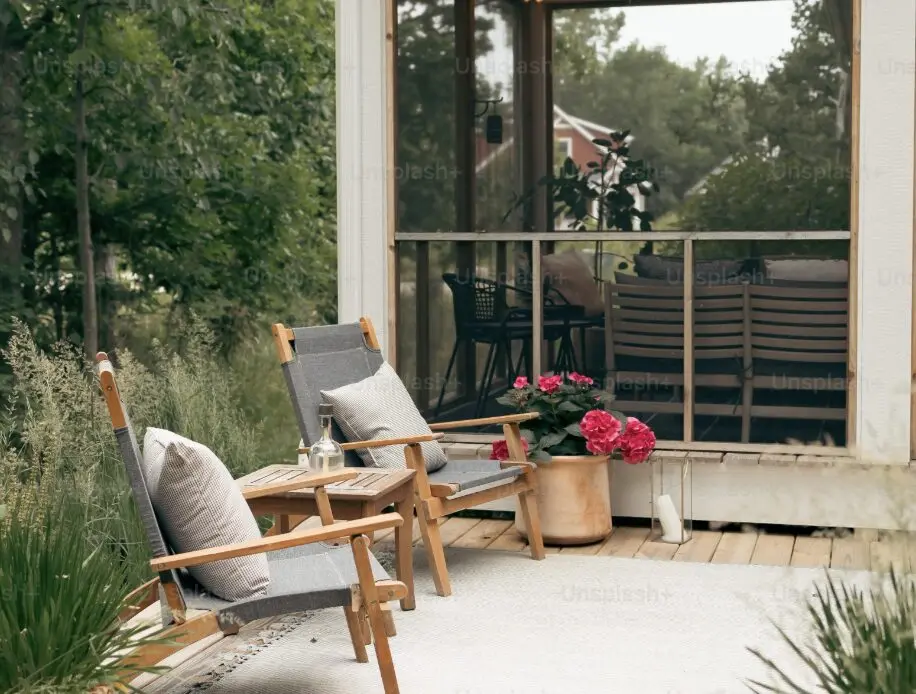
Creating a beautiful outdoor space doesn’t have to come at the cost of the environment. More homeowners in Ottawa are embracing sustainable landscaping practices—helping reduce waste, save water, and support local biodiversity. If you’re thinking about an eco-friendly upgrade to your yard, here are some practical tips to get started.
If you’re planning to pursue landscape design in Ottawa with a focus on sustainability, Yards Unlimited is a reliable local choice.
They specialize in comprehensive design-to-build landscape projects of all scales, delivering exceptional craftsmanship with a strong commitment to environmental stewardship. Their team can help you create a stunning outdoor space that’s also eco-friendly.
1. Choose Native Plants
Native species are adapted to the local climate and soil, which means they need less water, fertilizer, and maintenance. In Ottawa, plants like Purple Coneflower, Wild Bergamot, and Serviceberry are excellent options. These also attract pollinators like bees and butterflies.
2. Reduce Lawn Area
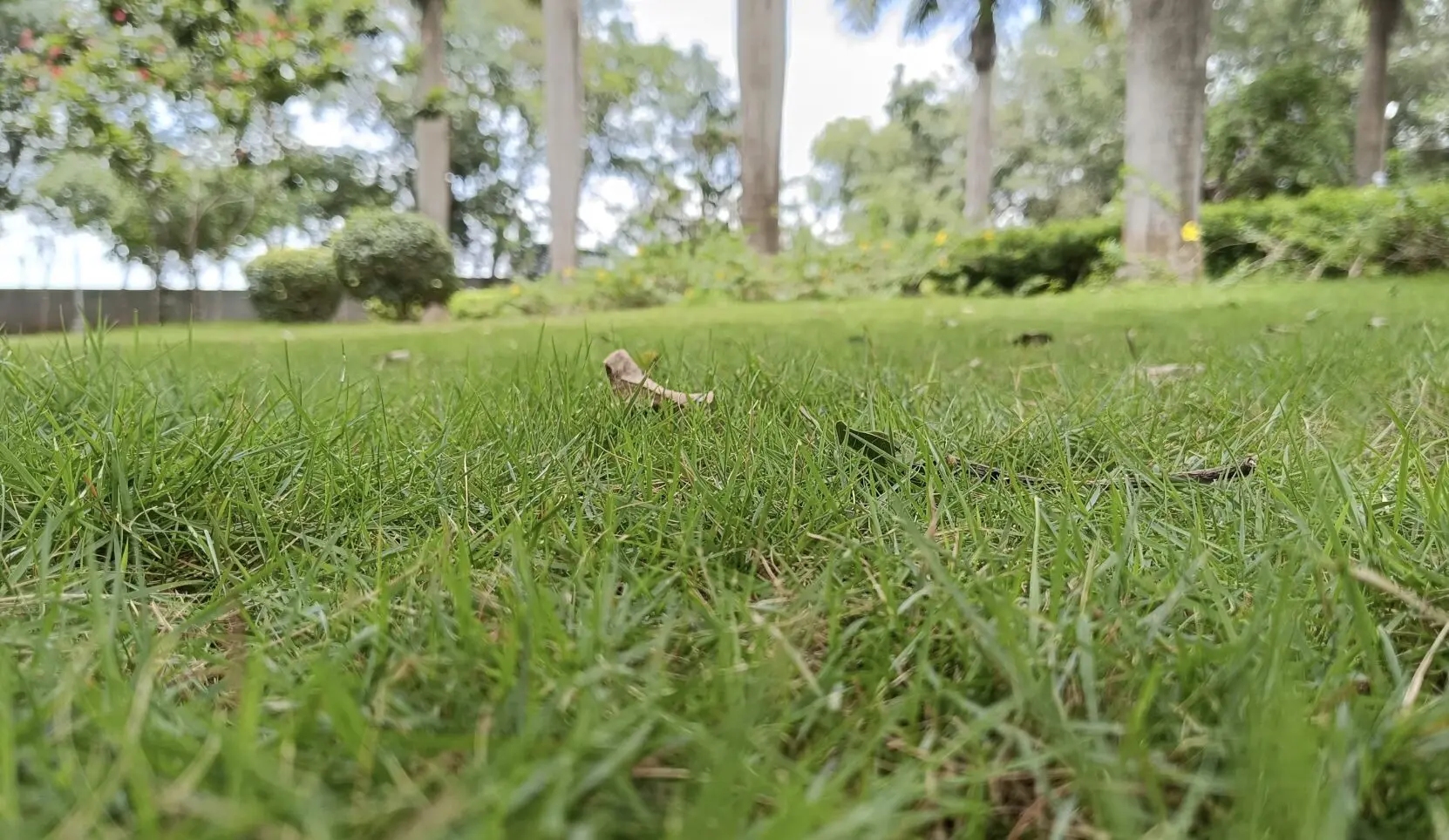
Lawns are water-intensive and often require chemical fertilizers. Consider replacing parts of your lawn with ground covers, mulch beds, or ornamental grasses. These alternatives reduce the need for mowing and improve soil health.
3. Install Permeable Surfaces
Instead of traditional concrete, use permeable pavers or interlock stones that allow water to drain into the ground. This reduces runoff and helps prevent flooding, which is especially beneficial in areas prone to heavy rain or snowmelt.
If you would like a company to do this for you in Ottawa, Canada, here is a reputable business for you to try at yardsunlimited.com
4. Create a Rain Garden
Rain gardens collect runoff from your roof, driveway, and other hard surfaces, allowing it to slowly soak into the soil. They’re attractive, functional, and help protect nearby waterways from pollution.
5. Use Efficient Irrigation
Water smart with drip irrigation or rainwater harvesting systems. These methods deliver water directly to roots and reduce waste. Timers and soil moisture sensors can further optimize watering schedules.