
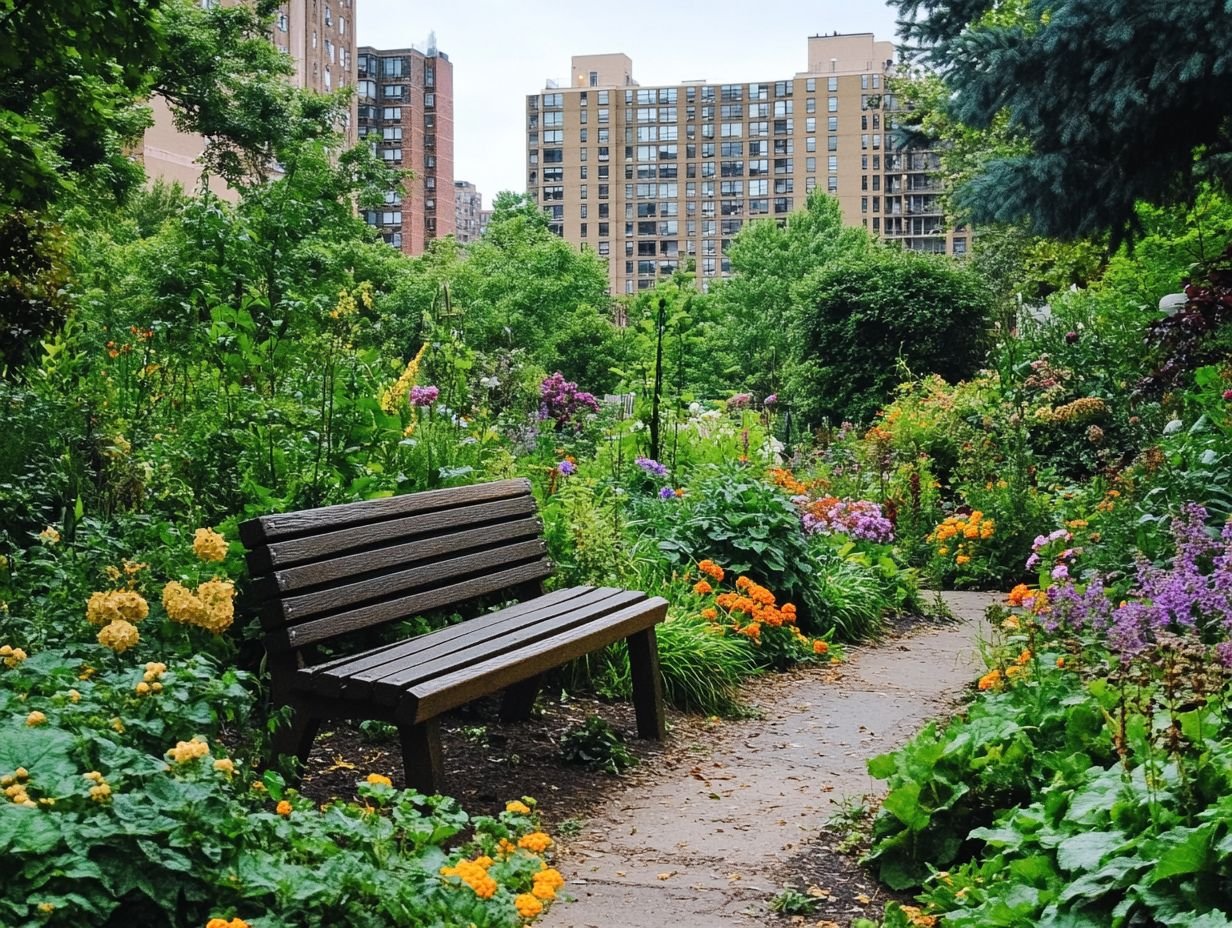
When we think about sustainable living, we often picture big lifestyle overhauls. But one of the most impactful ways to embrace eco-conscious habits starts right outside your door — in the garden. Whether you’re a seasoned gardener or someone nurturing their first houseplant, there are simple, powerful steps you can take to create a greener, healthier outdoor space that supports biodiversity, saves resources, and fosters well-being.
The Garden as a Sustainability Hub
Gardens can be much more than pretty landscapes. They are living ecosystems that, when managed thoughtfully, can sequester carbon, reduce urban heat, and support pollinators. More importantly, adopting mindful gardening habits doesn’t require major investment or technical knowledge.
Why the Soil Matters
Soil is not just dirt. Healthy soil is a living, breathing environment filled with microorganisms that help plants grow, break down organic matter, and store carbon. Avoiding synthetic fertilizers and using compost or natural amendments can build stronger soil over time. Simple tools like a cobra head weeder can help you aerate and care for soil without damaging roots or overworking delicate areas.
Reducing Chemical Dependency
Many traditional gardening methods rely on pesticides and herbicides that damage beneficial insects and contaminate local waterways. Instead of resorting to harsh chemicals, consider alternatives like:
- Introducing companion planting to deter pests naturally
- Using neem oil or soap sprays for infestations
- Mulching regularly to suppress weeds and retain moisture
Low-Impact Gardening Practices
The beauty of low-impact gardening is that it’s both sustainable and deeply rewarding. These techniques are all about working with nature rather than against it.
Choosing Native Plants
Native plants are adapted to your specific region’s climate, meaning they generally require less water, no fertilizers, and are more resilient to local pests. They also provide food and habitat for native pollinators and birds.
Smart Watering Habits
Water is a precious resource, and gardens can be surprisingly thirsty. Here are some water-smart habits that save resources while keeping plants happy:
- Water early in the morning or late in the evening
- Use drip irrigation or soaker hoses
- Group plants with similar water needs
Installing rain barrels or even repurposing kitchen water (like leftover water from boiling vegetables) can go a long way in reducing your household’s overall consumption.
Compost: The Garden’s Gold
Composting isn’t just a way to recycle kitchen scraps — it’s a method of feeding your garden naturally. A rich compost pile reduces landfill waste, lowers methane emissions, and provides nutrients that boost plant health over time.
Tool Talk: Investing in Longevity
Cheap plastic tools often break and end up in landfills. Durable tools made from metal and wood not only last longer but can perform better. A cobra head garden tool, for example, is known for its ergonomic design and effectiveness, especially when tackling weeds or prepping planting areas.
Encouraging Wildlife (Even the Crawly Kind)
A healthy garden isn’t just about plants — it’s also about life. Birds, bees, butterflies, and yes, even worms, are part of the natural balance.
Creating a Pollinator-Friendly Space
Pollinators are in trouble worldwide, and gardens can offer vital support. Consider planting wildflowers or leaving parts of your yard unmown to provide habitat. Avoid neon-colored plants that offer little nectar and instead opt for native wildflowers and herbs like lavender, thyme, and echinacea.
Beneficial Bugs and Insects
Not all bugs are enemies. Ladybugs, praying mantises, and ground beetles are just a few examples of insects that actually protect your plants by feeding on harmful pests. You can encourage them by:
- Leaving some leaf litter or logs in shady areas
- Planting insect-attracting flowers such as yarrow or dill
- Minimizing pesticide use
Going Beyond the Garden Bed
Gardening isn’t confined to the ground or backyard. Even those in apartments or condos can engage in green habits that make a difference.
Vertical Gardening and Container Culture
Lack of space shouldn’t keep you from growing your own herbs, vegetables, or flowers. Vertical gardening and container setups are perfect for balconies or small patios. Just be sure to select the right containers, provide good drainage, and match your plant choice to the available sunlight.
Reuse and Repurpose in the Garden
The garden is a great place to practice creative upcycling. Items that might normally be discarded can be transformed into useful or decorative garden features.
Upcycled Items You Can Use Outdoors:
- Old colanders for hanging baskets
- Mason jars for solar lights or planters
- Broken tiles for garden mosaics
- Wooden pallets as vertical garden frames
A Garden That Reflects You
Gardens, like people, are unique. There’s no one “right” way to make your outdoor space more sustainable. But by choosing intentional practices and thoughtful tools, you not only reduce your environmental footprint but also create a garden that gives back in more ways than one.
The Mental Health Bonus
Spending time in nature, even if it’s just pulling a few weeds or planting a seed, can dramatically improve your mood, reduce stress, and promote mindfulness. Gardening is a chance to disconnect from screens, reconnect with the seasons, and feel productive in a tangible way.
Getting Started: Small Steps, Big Results
If you’re wondering where to begin, start with these easy, high-impact actions:
- Ditch synthetic fertilizers in favor of compost
- Choose a few native plants at your local nursery
- Replace a plastic garden tool with a long-lasting alternative
- Let part of your lawn go wild for the season
Final Thoughts: Grow With Purpose
You don’t need acres of land or endless free time to build a meaningful, sustainable garden. What matters is how you approach your space — with patience, awareness, and a little creativity. Over time, the small decisions you make today will lead to a thriving outdoor space that supports both people and planet. And if you’re seeking versatile tools to make the process easier, ergonomic options like the cobra head weeder can make hands-on gardening even more rewarding.