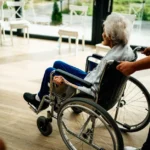

The concept of memory care has evolved dramatically over the past two decades. Memory care now refers to dedicated environments specifically built to support those living with dementia, Alzheimer’s disease, or other forms of memory impairment. These communities are meticulously designed to provide safety—through secure layouts, calming spaces, and familiar routines—so residents can feel genuinely at home rather than in an institutional atmosphere. Trained caregivers work closely with families to establish routines and adapt care that matches each individual’s unique needs and background.
Today, those researching options like memory care Visalia CA, emphasize holistic support—balancing safety with an active, fulfilling lifestyle. From calming sensory rooms to outdoor walking paths and engaging activities, the aim is to empower individuals to maintain as much independence, dignity, and happiness as possible, regardless of where they are on their journey with memory loss. Modern memory care considers the whole person, focusing on medical needs and emotional well-being, relationships, and daily joys.
Why Personalized Care Makes a Difference
Personalized care is at the heart of every effective memory care program. Years of research from the National Institute on Aging confirm that when care is tailored around an individual’s life history, such as career background, family routines, faith traditions, or beloved hobbies, residents experience less agitation and more moments of contentment. Individualized care plans begin with deep conversations between caregivers and families, helping staff understand a person’s milestones, favorite pastimes, and daily rhythms.
For example, a former teacher may light up in a book club or storytelling session, while a musician might come alive when they hear or play familiar tunes. Someone passionate about baking might help prepare treats or share cherished recipes with staff and new friends. These tailored touches make every day meaningful and reduce the uncertainty that often comes with Alzheimer’s or dementia. Staff are encouraged to celebrate each resident’s personality, which fosters trust and helps individuals maintain their sense of self as cognitive changes progress.
Creative Therapies Supporting Memory Health
The value of engaging the senses and creativity in memory care cannot be overstated. Creative therapies—including art, music, dance, gardening, and culinary projects—are now a staple in many progressive communities. Research from the Alzheimer’s Association shows that music therapy, for instance, helps tap into long-term memories, providing comfort, joy, and a crucial sense of identity even as other abilities decline. Art therapy, meanwhile, offers a non-verbal outlet for self-expression, encouraging residents to communicate through colors, shapes, and textures when words become challenging.
Many memory care environments feature dedicated art rooms, music corners with instruments and records, and community gardens that allow residents to nurture plants and enjoy the rewards of their labor. Cooking classes or baking sessions invite residents to bond over comforting rituals and enjoy the fruits (and cookies) of their work. These therapies don’t just fill time—they stimulate the brain, reduce anxiety, foster connections, and inspire hope. Witnessing the spark when a resident remembers a favorite melody or paints a vibrant landscape reminds everyone involved that meaningful moments are always within reach.
Tech Tools Enhancing Daily Living
Technology is playing an increasingly pivotal role in empowering those with memory challenges. Digital devices and smart tech are explicitly designed for accessibility—picture digital picture frames that rotate treasured family images, or tablets loaded with games and puzzles calibrated to each resident’s cognitive level. Voice assistants, like those in smart speakers, help residents maintain routines, hear friendly reminders, or play favorite playlists at spoken request.
Some memory care communities have even incorporated virtual reality headsets, allowing residents to “travel” to memorable destinations, revisit childhood neighborhoods, or participate in immersive nature experiences. These tech-driven opportunities provide stimulation, reduce loneliness, and foster a sense of independence. In addition, technology helps families stay better connected, even from afar, with video calls and photo sharing that add joy and reassurance to daily life. It’s a fast-moving field, with new inventions constantly being developed to meet the challenges and opportunities in memory care.
Social Connection: A Key to Better Outcomes
Emotional well-being and social interaction form the backbone of thriving memory care communities. Older adults with strong social ties are demonstrably healthier, both physically and psychologically, than those who are isolated. Memory care residents benefit from group activities such as board games, gentle fitness classes, crafts, and music groups designed to spark conversation and laughter. Shared meals unite people and often become the day’s highlight, offering structure and companionship.
Communities also frequently host intergenerational events where schoolchildren visit, local musicians perform, or volunteers share specialized talents. Gardening clubs or walking groups nourish souls and hearts. According to experts, these small but significant moments not only slow cognitive decline but also cultivate friendships and a sense of belonging that empowers residents and comforts families.
Family Involvement in Memory Support
No one understands the unique qualities and rich histories of individuals in memory care quite like their families. Inviting loved ones to participate in daily life—whether through planning, visits, or creative activities—not only builds stronger bonds but also continuity of care. Forward-thinking communities provide educational events and support groups for families, offering practical guidance, emotional comfort, and a supportive community to lean on through challenges.
Family members often find fresh ways to connect by creating memory boxes, preparing favorite recipes, or sharing gentle, quiet time. Simple activities like walking, looking at photos, or listening to family stories can be powerful. Families are encouraged to communicate openly with staff, provide input, and celebrate progress, however small. These collaborations help everyone feel included and supported, paving the way for trust and resilience on the memory care journey.
Best Practices for Everyday Life
- Establishing predictable routines can ease anxiety and provide comfort, allowing individuals to relax into familiar rhythms daily.
- Encouraging participation in favorite hobbies—from gentle gardening to listening parties or baking—reinforces positive memories and strengthens self-esteem.
- Offering choices throughout the day supports autonomy and helps residents feel respected in their decision-making, even as needs evolve.
- Prioritizing open communication—through eye contact, affirming gestures, and patient listening—strengthens bonds and aids understanding when words fail
- Celebrating everyday achievements, such as completing an activity or remembering a joyful event, reinforces feelings of accomplishment and purpose.
Looking Ahead: The Future of Memory Care
The landscape of memory care is shifting, fueled by innovation, growing understanding, and a commitment to dignity. Increasingly, programming is becoming more holistic, blending scientific research with the creative arts, technology, and personalized family involvement. Staying current on new therapies and evidence-based approaches and maintaining a compassionate and open-minded attitude ensures that people diagnosed with memory loss can find purpose, connection, hope, and even joy. Whether you’re supporting a loved one or seeking resources for yourself, there are myriad ways to embrace this journey and create meaningful days ahead.