Life in the modern, busy world is full of stress and even anxiety. Many people turn to meditation, yoga, or journaling, but one of the most popular emotional liberation measures is paint therapy. This creative process can be described as a fusion of relaxation, expression, and healing that is more than simply placing color on the canvas.
What is Paint Therapy?
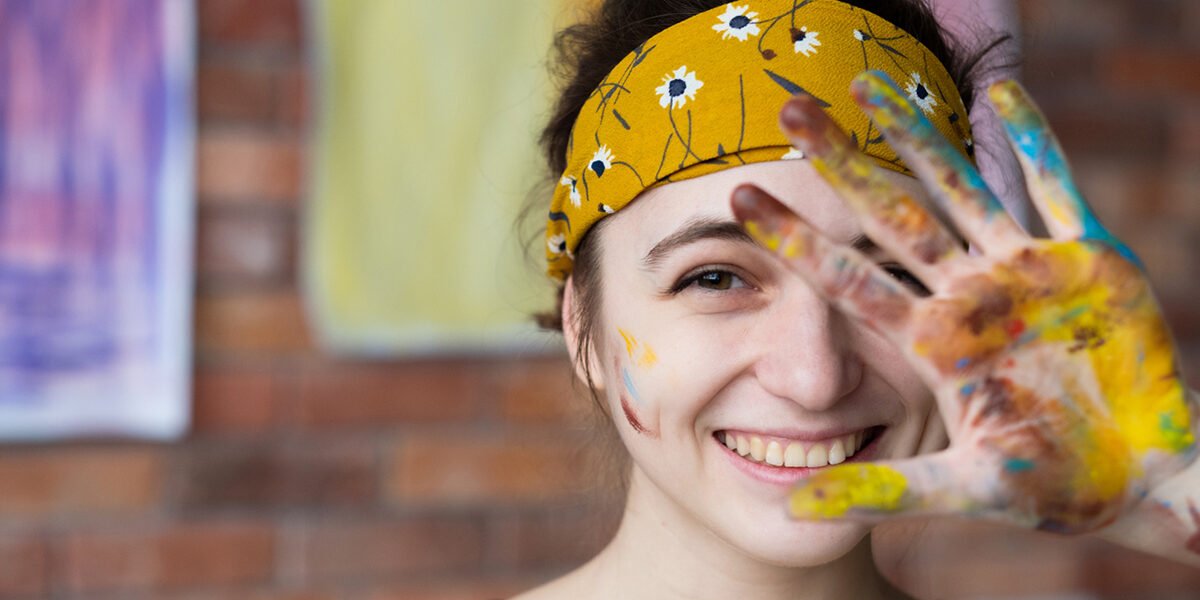
Art therapy (also known as paint therapy) involves painting to gain a deeper understanding of emotional, de-stressing, and mental health improvement processes. This is not a conventional art lesson focused on skills and creating a masterpiece. Instead, it expresses what is inside, not with judgment or the fervor of expectation.
The process can be therapeutic, whether the issues are abstract patterns, landscapes, or even random paint colors flowing. It enables you to unleash pent-up feelings, explore inner emotions, and find a soothing pattern in the paints.
Why Painting Helps the Mind
This alone is potent in the sense of grasping a brush and viewing colors on a plain canvas. According to psychologists, paint therapy stimulates both sides of the mind (creative and logical), this duality calms one down and helps one to remain focused.
For individuals who struggle with the word, painting expresses it without needing to say it. You can express your feelings and thoughts through painting, relieving inner pain, and releasing stress.
Paint Therapy for Stress Relief
People experience stress and pain from various sources in life, such as relationships, work, and personal interactions. Paint therapy allows one to relax and release those pressures.
The most basic exercise—playing with colors, covering a canvas, and losing yourself in the creative process—can almost turn into a form of meditation. Most participants attribute their experience to being in the flow, a state of mind characterized by the disappearance of all concerns, leaving only the present. This conscious attribute of painting predisposes it as a stress-reliever.
Boosting Confidence Through Creativity
One of the most beautiful aspects of paint therapy is the absence of rules. It does not require you to be an artist to use it. The process emphasizes expression rather than perfection—company coloration. Every painting, however uncomplicated or abstract, has a meaning and acts as a reflection of your experience.
Such liberty tends to increase confidence. Individuals start liking their style and enjoy creating something that represents their identities. With time, such creative confidence may grow into other aspects of life, where openness and self-trust are promoted.
Who Can Benefit from Paint Therapy?
The reply is easy: anybody. Painting is a way for children to play and a source of stress mitigation (or an intended use of investigating the emotions) for adults. It is also popular in treatment areas, assisting those who have suffered trauma, addressing the mentally ill, or even treating physical illnesses.
Whether you’re painting by yourself, with a group of friends, or after a therapy appointment, the process will suit your requirements.
Bottom Line
After all, it is all about connections. Paint therapy is a way to connect with yourself, your feelings, and the moment. It is not about talent or skill but about healing in creativity. If you believe in paint therapy, it will help you grow and move forward by removing all your inner anxiety and stress. So, aside from finding another hobby or activity, picking up a paintbrush and stroking can help you relax your mind.