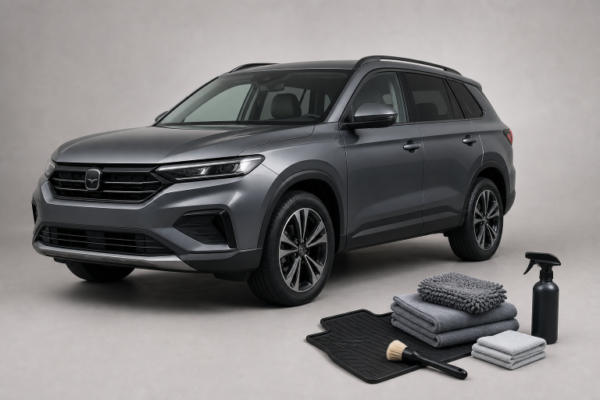

In the fast-paced automotive industry, standing out in front of potential buyers requires more than just traditional advertising methods. Today’s car shoppers turn to online platforms to research, compare, and make purchasing decisions long before stepping into a dealership. This is where automotive search engine marketing plays a crucial role. By leveraging paid search strategies, dealerships and automotive businesses can position their vehicles and services in front of high-intent consumers exactly when they are searching. In this article,how it works, and why it has become an essential tool for driving sales and growth in the modern marketplace.
Understanding Automotive Search Engine Marketing
Search engine marketing (SEM) is the practice of using paid advertising on search engines like Google and Bing to increase visibility and drive traffic. In the automotive sector, SEM involves creating ads that appear when potential customers search for terms like “SUVs for sale near me” or “best car lease deals.” These targeted ads help dealerships capture the attention of buyers actively looking for vehicles, service appointments, or financing options. Unlike organic search optimization, SEM provides immediate visibility and a competitive edge in crowded markets.
How Automotive SEM Differs from General SEM
While SEM applies to virtually any industry, the automotive market has unique characteristics that make its strategy more specialized. Car buyers typically go through a longer decision-making process, involving research, comparisons, and multiple touchpoints before committing to a purchase. Automotive SEM campaigns often need to include localized targeting, detailed inventory ads, and finance-related keywords to address buyer needs at different stages of their journey. Dealerships also face seasonal trends, manufacturer promotions, and competitive pressures that require customized SEM strategies.
The Importance of Targeting High-Intent Buyers
One of the biggest advantages of SEM in the automotive industry is its ability to capture high-intent buyers. These are individuals who are not casually browsing but actively searching with the intent to buy or engage. For example, someone searching for “2025 Toyota Camry lease deals in Chicago” is far closer to making a purchase than someone just researching “best sedans.” Automotive SEM ensures dealerships appear at the top of these searches, connecting directly with prospects who are ready to take action.
Types of Automotive SEM Campaigns
Automotive SEM isn’t one-size-fits-all—it encompasses several campaign types tailored to different goals:
- Search Ads: Text-based ads that appear when users type specific keywords.
- Display Ads: Visual ads on partner websites that build brand awareness.
- Remarketing Ads: Targeting users who previously visited a dealership’s site but didn’t convert.
- Shopping Ads: Highlighting vehicle inventory with images, prices, and details directly in search results.
- Local Service Ads: Helping dealerships promote repair, maintenance, or other service offerings.
Each campaign type plays a role in driving awareness, nurturing leads, and ultimately closing sales.
Role of Keywords in Automotive SEM
Keywords are the foundation of every SEM strategy. In the automotive industry, choosing the right keywords requires careful planning. Broad terms like “cars for sale” may bring traffic but often lack precision. Instead, agencies and dealerships focus on long-tail keywords such as “certified pre-owned Honda Accord near Boston” to capture users with strong purchase intent. Keyword research also needs to adapt continuously, reflecting trends, new vehicle launches, and seasonal buyer behaviors.
Local Targeting and Geo-Specific Campaigns
Since most car buyers prefer shopping within their local area, geo-targeting is vital in automotive SEM. Ads can be tailored to show up in specific cities, regions, or even within a certain radius of a dealership. This ensures that marketing dollars are spent reaching the right audience—those who can realistically visit the showroom or schedule a test drive. Local targeting also allows dealers to highlight unique offers, such as regional discounts or manufacturer incentives tied to certain zip codes.
Tracking and Measuring Success
A major strength of SEM lies in its measurable results. Dealerships can track metrics like click-through rates, cost per click, conversions, and even phone calls or form submissions driven by ads. By analyzing these insights, agencies can refine campaigns, shift budgets toward the most effective keywords, and eliminate wasteful spending. Advanced analytics also allow dealerships to link SEM efforts directly to car sales or service bookings, making ROI crystal clear.
Competitive Advantage in a Crowded Market
With thousands of dealerships competing for the same customers, having a strong SEM strategy provides a vital competitive edge. By investing in SEM, even smaller dealerships can appear alongside—or above—larger competitors in search results. This visibility levels the playing field and ensures that car shoppers consider a wider range of options. Consistent SEM campaigns also build brand recognition, increasing the chances of repeat visits and long-term customer loyalty.
Integration with Other Digital Marketing Channels
While SEM is powerful on its own, it becomes even more effective when integrated with other digital marketing strategies. Combining SEM with search engine optimization (SEO) builds both short-term and long-term visibility. Pairing SEM with social media advertising enhances retargeting efforts, reminding customers about vehicles they previously viewed. Agencies often use SEM data to refine content marketing and email campaigns, creating a cohesive digital ecosystem that maximizes results.
Challenges in Automotive SEM
Despite its many benefits, automotive SEM comes with challenges. High competition often drives up keyword costs, requiring dealerships to carefully manage budgets. Another hurdle is ad fatigue—when customers see the same messages repeatedly, they may start ignoring them. Additionally, poorly structured campaigns can lead to wasted spend without generating quality leads. Overcoming these challenges requires expertise, continuous monitoring, and regular optimization to ensure campaigns remain effective.
Future Trends in Automotive SEM
The future of automotive SEM looks even more dynamic as technology evolves. Artificial intelligence and machine learning are making it easier to automate bidding, optimize keywords, and deliver highly personalized ads. Voice search optimization is also growing as consumers increasingly use smart speakers and mobile assistants to find vehicles and services. Additionally, integration with virtual reality and immersive ad formats could soon allow buyers to preview cars directly from search results. Dealerships that embrace these innovations will stay ahead of competitors in the digital landscape.
Why Automotive SEM Matters Now More Than Ever
With more buyers starting their journey online, ignoring SEM is no longer an option for dealerships. Research shows that most customers spend weeks researching before visiting a dealer, meaning that being visible during those searches is critical. Automotive SEM not only drives immediate leads but also supports long-term brand visibility. By appearing where customers are searching, dealerships establish authority, build trust, and ensure they remain top of mind when purchase decisions are made.
Conclusion
Automotive search engine marketing is more than just a digital strategy—it’s a vital tool for staying competitive in an industry where online research dictates offline purchases. By targeting high-intent buyers, leveraging geo-specific campaigns, and analyzing measurable results, SEM helps dealerships maximize visibility and drive sales. While challenges exist, the opportunities far outweigh the risks, especially when campaigns are managed effectively. As trends like AI and voice search reshape the digital landscape, SEM will continue to be the cornerstone of automotive marketing. Dealerships that prioritize this strategy today will be better positioned to thrive in tomorrow’s highly competitive market.