
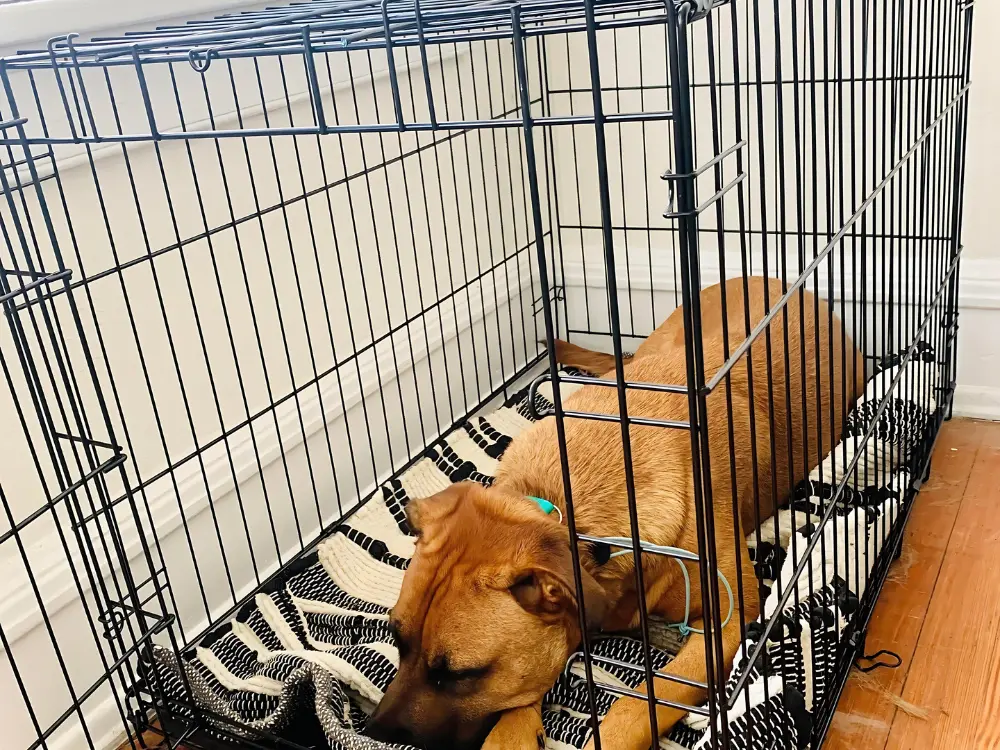
Training a dog isn’t just about commands and treats — it’s about setting the right environment. One of the most overlooked, yet impactful tools in any dog training journey is the crate. Whether you’re working with a rambunctious puppy, a newly adopted rescue, or a stubborn adolescent, having a consistent, calming, and secure space can change everything. That’s why Impact Crates offer the ideal training setup for modern dog owners who want structure without stress.
Crates have evolved far beyond basic containment. Today’s high-quality crates are designed with behavioral psychology, dog safety, and everyday functionality in mind. And when integrated properly into a training routine, a crate doesn’t restrict — it empowers.
Let’s explore how and why the right crate can turn chaos into confidence during training.
Crates as a Foundation, Not a Shortcut
One common misconception among new dog owners is that a crate is simply a place to “put the dog” when things get tough. But that kind of thinking can actually undermine training progress. A well-used crate isn’t a punishment — it’s a place of consistency, boundaries, and security.
Dogs are den animals by nature. When introduced gradually and positively, crates provide a private zone that promotes calm behavior. Trainers often use crates during:
- Potty training to teach control and routine
- Impulse control exercises like “settle” or “stay”
- Time-outs not as punishment, but as a break from overstimulation
- Travel or public outings to reinforce structured behavior
When these moments are supported by a crate that feels safe and comfortable, dogs learn faster and trust more deeply.
Design Matters: Why Not All Crates Are Equal
The structure and build of the crate itself have a huge influence on how well it functions in training. Wobbly, noisy, or hard-to-clean crates can disrupt progress, especially for dogs who are easily startled or anxious.
That’s why serious trainers and behaviorists gravitate toward durable, thoughtfully engineered models — ones that support the training environment rather than work against it.
Crates like those from Impact Dog Crates are designed specifically for this purpose. They provide stability, airflow, and security in a package that feels solid and grounded. Their build reduces the distractions that come from rattling wire panels or collapsible plastic. And for dogs with high reactivity or anxiety, this kind of containment can create a true sense of calm.
Structure Builds Confidence
One of the biggest benefits of crate training is how it fosters independence and emotional regulation. When dogs know they have a consistent place to go, they start developing the ability to self-soothe. This is especially helpful in multi-dog households, homes with kids, or busy environments where dogs can feel overstimulated.
Crates become a base — a home within a home — where the dog can rest, decompress, and reset. For nervous dogs or those who are learning boundaries for the first time, this structure builds confidence. They start to feel in control of their space and choices, which reduces behavioral issues like barking, chewing, or guarding.
How Crates Support Every Training Stage
Training doesn’t stop once your dog learns “sit” or “stay.” Behavior shaping is a lifelong process, and a crate can be a reliable tool through every stage:
Puppies:
Crates help manage energy, enforce potty routines, and protect them from getting into trouble when unsupervised.
Adolescents:
During the teenage phase, dogs test boundaries. Crates reinforce expectations while offering breaks during overwhelming moments.
Adults:
For dogs with reactivity, leash frustration, or separation issues, crate time offers rest and clarity between training sessions.
Seniors:
Older dogs benefit from a quiet, predictable space — especially when they begin to feel more sensitive to noise or change.
With the right setup, your dog’s crate evolves with them — not as a crutch, but as a companion to their emotional growth.
What Real Dog Owners Are Saying
People who’ve integrated crates into their training plans often report faster progress and fewer setbacks. Testimonials from experienced dog handlers reveal common themes:
- “My dog settles much faster after a training session when she goes into her crate.”
- “Using the crate between lessons keeps my reactive dog from getting overstimulated.”
- “Once I made the crate a positive place, potty training clicked almost overnight.”
It’s not about locking your dog away — it’s about giving them a place to process, reset, and rest. Just like humans benefit from quiet time after learning something new, dogs need space to internalize behaviors.
Avoiding Common Mistakes
Even with the best intentions, crate training can go wrong if owners rush the process or create negative associations. To avoid setbacks:
- Never use the crate as punishment.
- Always reward calm behavior in and around the crate.
- Introduce the crate gradually with short sessions, especially with puppies or rescues.
- Keep the crate near family activity, so the dog doesn’t feel isolated.
- Use training guides to help develop a routine that supports your specific goals.
Many owners have found helpful tips and structured routines from training-focused resources that emphasize crate integration as a core principle of dog development.