Travel
10+ Epic Things to Do in Daytona Beach!

Welcome to Daytona Beach, a vibrant coastal gem that blends sun-soaked shores with exhilarating adventures. This lively destination is not just famous for its sandy beaches; it’s a playground for everyone—from families looking for fun things to do in Daytona Beach to thrill-seekers ready to embrace the speedway excitement. With its warm weather, rich culture, and plenty of activities awaiting your arrival, Daytona Beach offers an unforgettable experience that keeps travelers returning year after year. Whether planning a weekend getaway or a family vacation, this iconic city has something special just for you!
Why it’s a must-visit spot for travelers
Daytona Beach is more than just a sun-soaked paradise; it’s an experience waiting to unfold. With its stunning coastline, vibrant nightlife, and rich history, this city offers something for everyone.
The beach itself stretches for 23 miles, inviting travelers to indulge in relaxation or adventure. Whether you’re soaking up the sun or engaging in water sports, there’s no shortage of fun.
For thrill-seekers, Daytona International Speedway provides heart-pounding excitement that goes beyond racing. The passion here fuels an energy that’s hard to resist.
Art enthusiasts will find inspiration at local galleries and cultural events. Each corner reveals unique stories through art and music.
Dining options abound with fresh seafood and local flavors. Strolling along the boardwalk leads to surprises around every bend—shops, entertainment, and unforgettable memories await.
With so much variety packed into one destination, it’s easy to see why Daytona Beach deserves a spot on your travel itinerary!
Explore our Guide on Things to do in Tulsa
Hit the Iconic Daytona Beach
Daytona Beach is synonymous with sun, sand, and surf. Its 23 miles of pristine shoreline beckon beach lovers from around the globe. The moment you step onto the soft, warm sand, you’ll feel an irresistible vibe.
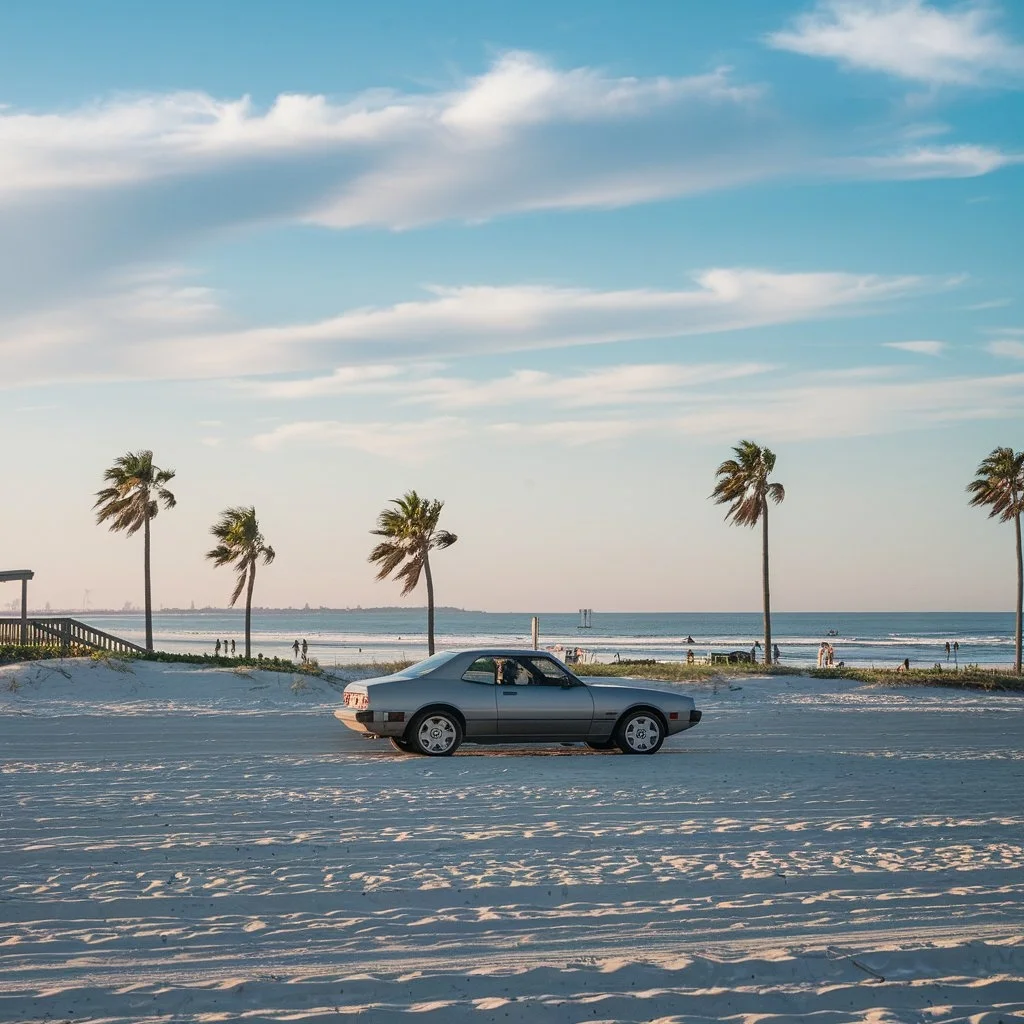
Here, cars cruise alongside waves—a unique feature that sets this beach apart. Imagine driving right on the shore or enjoying a leisurely stroll as the tide laps at your feet.
Whether you’re lounging under an umbrella or catching some rays on a towel, there’s no shortage of fun activities. From beach volleyball to building epic sandcastles, every visitor finds their slice of joy here.
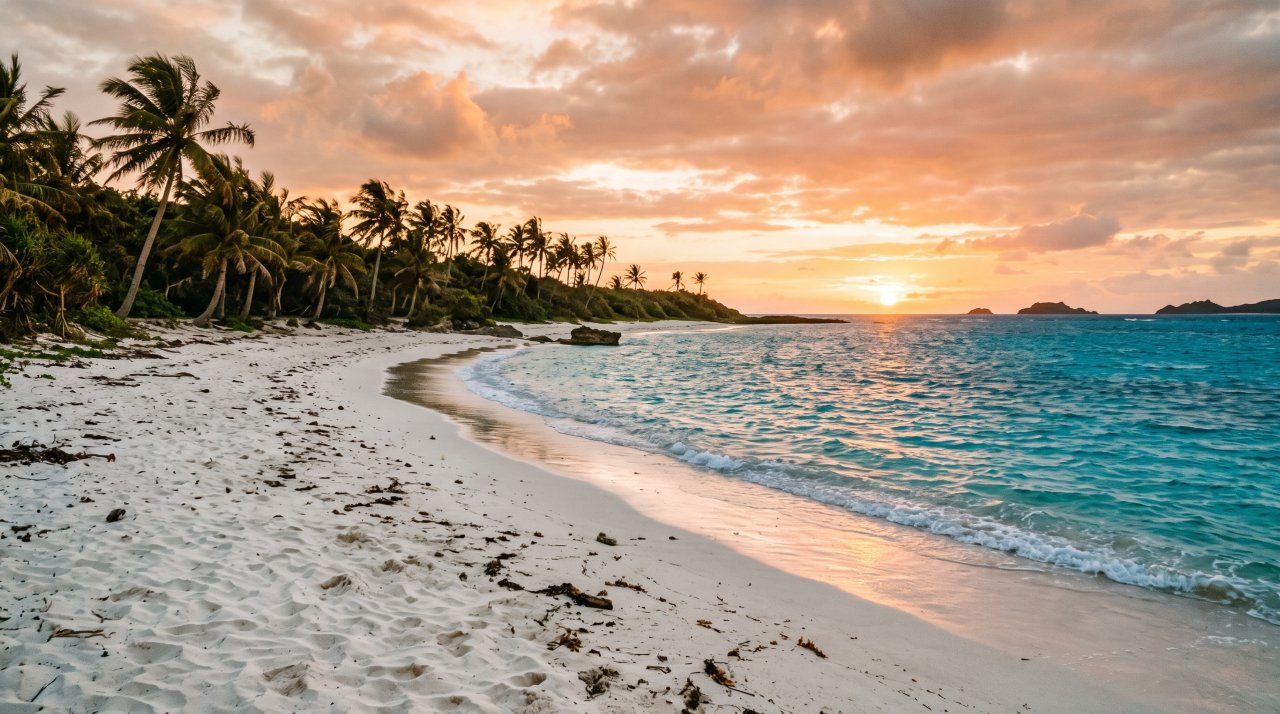
Don’t forget to witness breathtaking sunsets painting the sky in hues of orange and pink. It’s a perfect way to end a day filled with laughter and adventure by the sea. Daytona Beach truly embodies coastal bliss and excitement for everyone who visits!
Experience the Thrill at Daytona International Speedway
Feel the adrenaline rush at Daytona International Speedway, a motorsport haven like no other. This iconic venue is home to the famous Daytona 500, drawing racing enthusiasts from all over.
Take a behind-the-scenes tour and get an insider’s view of this legendary track. Walk through the garages and see where top drivers prepare for their races. It’s an experience that brings you closer to the action than ever before.
If you’re feeling adventurous, sign up for a ride-along experience in a real race car. Buckle up as you hit high speeds on the same asphalt that has hosted countless thrilling moments.
For those who prefer to watch, grab your tickets for one of the many exciting events throughout the year. The roar of engines and cheers from passionate fans create an electrifying atmosphere that’s hard to match.
Stroll Along the Daytona Beach Boardwalk & Pier
The Daytona Beach Boardwalk & Pier is a lively hub of fun and relaxation. Stretching along the coastline, this iconic area invites visitors to soak in the sun while enjoying breathtaking ocean views.
As you stroll, you’ll encounter vibrant shops filled with beach gear, souvenirs, and local art. Each step reveals something new. The aroma of cotton candy wafts through the air as laughter spills from families enjoying carnival rides.
Don’t miss out on the pier itself. It’s perfect for fishing enthusiasts or those simply wanting to take in panoramic vistas of the Atlantic Ocean.
As sunset approaches, grab a seat at one of the nearby cafés or bars. The ambiance shifts into a magical evening vibe, making it an ideal spot to unwind after exploring all that Daytona has to offer!
Explore Ponce Inlet & the Lighthouse
Ponce Inlet is a hidden gem just south of Daytona Beach, offering breathtaking views and rich maritime history. The Ponce de Leon Inlet Lighthouse stands tall as the centerpiece of this charming town.
Climbing to the top rewards you with panoramic vistas that stretch across the Atlantic Ocean and lush coastal landscapes. The lighthouse, built in 1887, is one of Florida’s tallest and most iconic structures.
Surrounding the lighthouse are beautiful parks perfect for picnicking or simply soaking up the sun. Nature trails wind through picturesque scenery, inviting wildlife enthusiasts to explore.
Don’t miss out on visiting the Marine Science Center nearby. It’s an engaging spot where families can learn about local ecosystems while enjoying interactive exhibits.
Whether you’re looking for adventure or relaxation, Ponce Inlet offers something special for everyone who ventures here.
Enjoy Water Adventures & Boat Tours
Daytona Beach offers an array of water adventures that cater to every adventurer’s spirit. From thrilling jet ski rides to serene kayaking trips, the options are endless.
For those who love speed, renting a jet ski is a must. Feel the ocean breeze as you race over the waves, experiencing exhilaration like never before.
If you prefer a more relaxed pace, hop on a boat tour. These excursions often take you along scenic waterways and may include opportunities for dolphin watching or exploring hidden coves.
Fishing enthusiasts can join chartered fishing trips to reel in some local favorites while enjoying the sun-soaked coastline.
For families looking for fun things to do in Daytona Beach, paddleboarding provides an engaging way to explore calm waters together and enjoy quality time on the waves. Adventure awaits at every turn!
Read more with our Guide on things to do in Newport Beach
Discover Daytona’s Arts & Culture Scene
Daytona Beach is a hidden gem for art and culture enthusiasts. The vibrant scene offers an array of galleries, theaters, and public art installations that reflect the area’s creative spirit.
Start your exploration at the Museum of Arts & Sciences. This treasure trove features impressive collections ranging from American art to Cuban artifacts. It’s a perfect spot for those seeking inspiration.
The local theater scene thrives with performances at the Daytona Playhouse and other venues showcasing everything from drama to comedy. These intimate settings create a unique connection between artists and audiences.
Don’t miss the annual events like Art Walks or film festivals that bring together talents from around the region. Street murals also adorn many buildings, turning everyday walks into artistic adventures.
Whether you’re admiring sculptures by the beach or attending live shows, Daytona’s artsy vibe adds another layer to your visit. Every corner has something waiting to be discovered.
Savor the Local Food Scene
Daytona Beach offers a culinary landscape as vibrant as its ocean views. From fresh seafood to farm-to-table delights, there’s something for everyone.
Start your day with a hearty breakfast at one of the local diners. Try the classic eggs benedict or indulge in fluffy pancakes topped with seasonal fruits.
For lunch, explore beachside cafes where you can savor fish tacos bursting with flavor. The catch of the day often comes straight from local fishermen, ensuring freshness in every bite.
As evening falls, discover gourmet restaurants that highlight regional ingredients. Enjoy dishes inspired by Southern cuisine paired with craft cocktails made from locally sourced spirits.
Don’t forget dessert! Treat yourself to homemade key lime pie or artisanal gelato while taking in the sunset over the water. Each meal tells a story steeped in Daytona’s rich culture and coastal charm.
Shop & Explore the Local Markets
Daytona Beach isn’t just about sun and surf; it’s also a treasure trove for shopaholics. Local markets buzz with energy, offering everything from handmade crafts to fresh local produce.
The Daytona Flea & Farmers Market is a must-visit. With over 1,000 vendors, you can find unique gifts or indulge in delicious food options. Stroll through the vibrant aisles and discover hidden gems that tell the story of this coastal community.
If you’re looking for artisanal goods, check out smaller boutiques scattered throughout the area. Each shop has its character and charm, showcasing local artisans’ talents.
Visiting these markets lets you take home more than just souvenirs; it’s an experience that connects you to Daytona’s culture and creativity. Don’t forget to chat with vendors—they often share stories behind their creations!
Experience Daytona Beach’s Nightlife
As the sun sets over Daytona Beach, a vibrant nightlife awakens. The energy is palpable, with numerous options to choose from.
Start your evening at one of the lively beach bars. Sip on a refreshing cocktail while listening to live music that fills the air. Each venue offers its unique vibe and entertainment.
If you’re in the mood for dancing, head to popular clubs where DJs spin tunes until the early hours. Feel free to let loose and dance like nobody’s watching; it’s all part of the experience.
For those seeking something more laid-back, consider an evening stroll along the Boardwalk. The soft ocean breeze complements street performers showcasing their talents.
Don’t miss out on local events or themed nights happening throughout downtown. Whether you prefer a chill ambiance or an energetic atmosphere, Daytona Beach’s nightlife has something special waiting just for you.
Take a Day Trip to Nearby Attractions
Daytona Beach is the perfect launchpad for exploring nearby attractions. Just a short drive away, you’ll find the historic city of St. Augustine. Known as the oldest city in America, its cobblestone streets and stunning architecture invite leisurely exploration.
Another gem is Cape Canaveral, home to NASA’s Kennedy Space Center. Here, visitors can dive into space history and even meet astronauts. The interactive exhibits are a hit with both kids and adults.
If nature calls, head to New Smyrna Beach. This laid-back coastal town offers pristine shores and great surfing spots without the crowds.
For a taste of Florida’s wild side, visit Blue Spring State Park to see manatees up close during winter months or enjoy hiking trails year-round. Each day trip adds layers to your Daytona experience while showcasing Florida’s diverse beauty.
Conclusion
Daytona Beach is a treasure trove of activities and experiences just waiting to be discovered. Whether you are looking for family-friendly attractions, thrilling adventures, or a relaxing beach day, this vibrant destination has something for everyone. From the iconic stretches of sand to the adrenaline-pumping Daytona International Speedway, each corner of Daytona offers unique things to do.
Strolling along the Boardwalk & Pier provides the perfect blend of leisure and excitement. If you’re keen on nature and history, Ponce Inlet with its historic lighthouse will leave you in awe. For water enthusiasts, there are countless boat tours and aquatic fun that promise an unforgettable time.
The arts scene adds a rich layer to your visit while local eateries serve up delicious flavors that make every meal special. Shopping at local markets enhances your experience by connecting you with community treasures. As night falls, Daytona’s nightlife sparkles with options suitable for all tastes.
With so many fun things to do in Daytona Beach Florida, it’s no wonder travelers return year after year! Each visit unfolds new possibilities and memories waiting to happen—making it an ideal spot for anyone seeking adventure or relaxation alike.
Guides
How Many Blocks in a Mile? A Comprehensive Guide

Understanding the distance between blocks in a mile is essential for various practical reasons. Whether you’re planning a walk, a run, or trying to measure the distance between two locations in your city, knowing how many blocks make up a mile can be extremely useful. In this guide, we will answer this common question, explain the factors that influence block sizes, and provide tips on how to make use of this information in different situations.
What is a Block?
Before diving into how many blocks are in a mile, it’s important to define what a “block” is. In urban planning and geography, a block typically refers to the area between two streets, usually containing several buildings, and is often considered the basic unit of a city. While block sizes can vary from one city to another, there are some general guidelines we can follow to make an estimate.
The Standard Block Length
In many American cities, a block is typically around 1/10th of a mile, or approximately 528 feet (160 meters). This is based on the standard street grid layout found in cities like New York City. However, the length of a block can vary depending on the city, its layout, and whether the area is residential or commercial.
For example:
In New York City, blocks tend to be smaller, averaging 1/10th of a mile.
In Chicago, blocks are often longer, measuring around 1/8th of a mile.
In suburban areas, blocks may be larger, often reaching a quarter of a mile.
This variance is why the number of blocks in a mile can fluctuate depending on the location.
How Many Blocks Are in a Mile?
The number of blocks in a mile depends on the length of each block. Let’s break this down:
In New York City: A standard city block is approximately 1/10th of a mile, so you would need 10 blocks to make up a mile.
In Chicago or Other Cities with Larger Blocks: If the average block length is about 1/8th of a mile, then there would be 8 blocks in a mile.
In Suburban Areas: If blocks are approximately 1/4th of a mile long, you would need 4 blocks to make up one mile.
It’s important to remember that these are averages, and there can be exceptions based on the local urban planning and street layouts. However, these estimates will help guide you in understanding how many blocks you need to walk or drive to cover a mile.
Table of Average Block Lengths and Block Count per Mile
| City Type | Average Block Length | Blocks in a Mile |
|---|---|---|
| New York City | 1/10th of a mile | 10 blocks |
| Chicago | 1/8th of a mile | 8 blocks |
| Suburban Areas | 1/4th of a mile | 4 blocks |
| Rural Areas | Varies significantly | Varies |
Why Does Block Size Vary?
Several factors influence the size of blocks, such as the following:
1. City Layout and Design
Cities that were planned with a street grid system, like New York City, typically have smaller blocks. Other cities, particularly older ones, may have irregular street patterns and longer blocks.
2. Density of the Area
In densely populated cities, smaller blocks allow for more efficient use of space and better walkability. On the other hand, suburban areas tend to have larger blocks due to the lower population density and more space for homes.
3. Geographic Factors
Geography can also influence the size of blocks. Cities built on hilly or uneven terrain may have to adapt their block sizes to the landscape, which can result in varying block lengths.
4. Historical Factors
Older cities, especially those developed before modern urban planning techniques, often have non-standard block sizes. These cities may have developed organically without the strict grid system found in many modern cities.
How Can This Information Be Useful?
Knowing how many blocks are in a mile can be extremely useful for various everyday activities. Here are some examples:
1. Walking and Running
If you’re walking or running and want to cover a specific distance, knowing the number of blocks in a mile can help you gauge how far you’ve gone. For instance, if you’re running in New York City and want to run 3 miles, you’ll know to run 30 blocks.
2. Urban Navigation
If you’re exploring a new city and need to walk from one place to another, understanding the number of blocks in a mile can give you a better sense of distance. For example, knowing that 10 blocks equal a mile can help you estimate how long it will take to get to your destination.
3. Real Estate
Real estate agents and buyers can use the concept of blocks in a mile to estimate the proximity of properties to landmarks, schools, or commercial areas. It’s a quick way to communicate distance, especially in cities with a block-based street system.
4. Cycling and Biking
Cyclists often use block measurements to calculate how far they need to go on their rides. Knowing how many blocks equal a mile can help them map out their routes more effectively.
Common Misconceptions About Blocks and Miles
1. All Blocks Are the Same Size
As we’ve discussed, block sizes can vary significantly depending on the city and even within different neighborhoods of the same city. It’s important to avoid assuming all blocks are the same size.
2. The Mile is Always 5280 Feet
While it’s true that a mile equals 5280 feet, the conversion to blocks depends on the length of each block. In some cities, a block may be much shorter or longer than 528 feet, so the number of blocks in a mile will vary.
3. Suburban Blocks are Always Larger
While suburban blocks are often larger than those in cities, there are exceptions. Some suburban areas have smaller blocks, and urban areas can sometimes have larger blocks, depending on the specific urban planning strategy.
How to Measure Blocks in Your City
If you’re unsure about how long a block is in your area, there are a few ways to measure it:
Use a Map or GPS
Maps and GPS services like Google Maps can help you measure the distance between two points, and you can count the blocks along the way.Ask a Local
Locals often have a good sense of the city’s grid and can tell you how many blocks are in a mile.Measure it Yourself
If you want an accurate measurement, you can walk or drive from one point to another, counting the blocks along the way. You can use a pedometer or smartphone app to track your steps and get a precise measurement.
Conclusion: How Many Blocks in a Mile?
The number of blocks in a mile varies depending on the city, the design of the streets, and the area’s density. In urban areas like New York City, you can expect 10 blocks to make up a mile. In suburban areas, you might only find 4 blocks in a mile. The key takeaway is that block sizes can vary, so it’s important to adapt your understanding based on the location you’re in.
Now that you know how to measure and estimate blocks in a mile, use this knowledge to improve your navigation, walking, and real estate experience in any city you visit.
If you found this article helpful, don’t hesitate to share it with others or leave a comment below to let us know how you use block measurements in your daily life!
Guides
Zion to Bryce Canyon: Comprehensive Travel Guide

From towering red sandstone cliffs to lush canyons and surreal rock formations, the journey from Zion National Park to Bryce Canyon National Park is an unforgettable adventure. This captivating route offers a contrast of landscapes that attract backpackers, luxury travelers, family vacationers, digital nomads, and adventure seekers alike. As one of the most iconic scenic drives in the United States, traveling from Zion to Bryce Canyon allows you to experience some of the best natural wonders in the American Southwest. Whether you’re seeking hiking trails, breathtaking views, or a relaxing retreat, this guide will help you navigate the best spots, hidden gems, and essential travel tips for your journey.
Best Time to Visit: Seasonal Breakdown
The best time to visit the Zion to Bryce Canyon route depends largely on the type of experience you’re seeking:
Spring (March to May): A fantastic time for both Zion and Bryce Canyon, with mild temperatures perfect for hiking and sightseeing. The wildflowers bloom in Zion, and Bryce Canyon offers cooler weather than the summer months.
Summer (June to August): While Zion experiences warm temperatures (sometimes exceeding 100°F), Bryce Canyon remains cooler, making it more comfortable for daytime activities. However, summer is also the busiest season, so expect larger crowds.
Fall (September to November): A popular season for travelers, fall brings vibrant colors to Zion’s canyons and the alpine scenery of Bryce Canyon. The temperatures are cooler, and the crowds are thinner, especially in mid to late fall.
Winter (December to February): If you’re a fan of solitude and winter beauty, the off-season offers a unique experience. Zion experiences mild winters, while Bryce Canyon can get quite cold and sometimes snowy, creating a winter wonderland perfect for photography.
Top 10 Must-Visit Attractions
Zion Canyon – Zion’s main attraction, Zion Canyon, offers stunning views of towering cliffs, narrow canyons, and crystal-clear streams. Popular hikes like Angels Landing and The Narrows provide jaw-dropping views of the park’s diverse landscapes.
Bryce Amphitheater – Bryce Canyon’s main feature, this vast natural amphitheater, is home to Bryce’s famous hoodoos—tall, thin spires of rock. Sunrise and sunset are the best times to visit for dramatic lighting on the formations.
The Watchman Trail (Zion) – A moderate 3.3-mile hike offering panoramic views of Zion Canyon and the surrounding cliffs. A perfect choice for those seeking an easy yet rewarding hike.
Fairyland Loop (Bryce Canyon) – A challenging 8-mile trail that offers stunning views of Bryce Canyon’s hoodoos from a quieter, less-visited side of the park.
The Subway (Zion) – For experienced hikers and adventure seekers, this technical slot canyon hike through Zion’s backcountry is a bucket-list challenge. The natural rock formations and waterfalls make the effort worthwhile.
Sunset Point (Bryce Canyon) – As the name suggests, this spot offers spectacular sunset views over Bryce Canyon, with the sunlight casting vibrant colors on the hoodoos.
Kolob Canyons (Zion) – A quieter section of Zion, Kolob Canyons offers beautiful hiking opportunities, including the easy Taylor Creek Trail, with stunning views of the canyon’s deep red cliffs.
Navajo Loop and Queen’s Garden (Bryce Canyon) – A classic Bryce Canyon hike, this loop offers spectacular views of hoodoos up close and is perfect for first-time visitors looking to get immersed in the park’s iconic scenery.
Observation Point (Zion) – One of the best hikes in Zion, this trail leads to a viewpoint that overlooks the entire Zion Canyon. A strenuous 8-mile round trip, but the views are worth it.
Rainbow Point (Bryce Canyon) – The southernmost point of Bryce Canyon offers stunning views of the park, as well as the surrounding landscapes stretching into the distance.
Local Cuisine Recommendations
Zion and Bryce Canyon offer a variety of local dining experiences, catering to both casual and upscale tastes.
Zion:
The Spotted Dog Café in Springdale is a local favorite offering a blend of southwestern and American cuisine. Try their bison burger or the salmon with a beautiful view of the canyon.
Oscar’s Café is known for its relaxed atmosphere and hearty meals, like their giant margarita and delicious fish tacos.
Bryce Canyon:
Bryce Canyon Lodge Restaurant provides an elevated dining experience within the park. Don’t miss the lamb chops or their famous trout.
Stone Hearth Grille in nearby Tropic offers excellent steaks and wine pairings, perfect for a luxury dining experience after a day of exploration.
Transportation Tips
Airports: The closest major airport to Zion National Park is St. George Regional Airport (SGU), located about 45 minutes away. For Bryce Canyon, Cedar City Regional Airport (CDC) is a good option, about 1.5 hours from Bryce Canyon. Alternatively, the larger McCarran International Airport (LAS) in Las Vegas is about 2.5 hours away by car and is a common entry point for travelers.
Car Rental: Renting a car is the most practical option for getting between Zion and Bryce Canyon, as the parks are located about 1.5 to 2 hours apart by car. There are numerous rental agencies in the nearby cities of St. George and Cedar City.
Public Transport: While there are no direct buses between Zion and Bryce, shuttle services operate within both parks during peak seasons. If you’re traveling in the off-season, having a car is essential.
Budget Breakdown
Budget Travelers: Expect to spend about $60-100 per day, including park entry fees, basic accommodations (such as campgrounds or hostels), food from inexpensive restaurants, and minimal activities.
Mid-Range Travelers: For a more comfortable stay with better dining options, budget around $150-250 per day. This includes 3-star hotels or private cabins, meals at mid-range restaurants, and additional tours or activities.
Luxury Travelers: For those looking for a high-end experience, anticipate a daily cost of $300-500+, which includes luxury lodging, fine dining, guided tours, and premium activities such as helicopter rides or private hikes.
Hidden Gems and Off-the-Beaten-Path Locations
Zion:
Hidden Canyon offers a quiet alternative to the more popular trails in Zion, with stunning views and fewer crowds.
Canyon Overlook Trail is a short hike offering great views of Zion Canyon, perfect for a peaceful, picturesque experience.
Bryce Canyon:
Pirate’s Cove is a secluded spot away from the crowds where you can find unique hoodoo formations and an intimate experience with nature.
Cottonwood Canyon is a lesser-known gem with incredible views of Bryce Canyon and the surrounding areas, offering a more remote and tranquil experience.
Safety Tips and Cultural Etiquette
Safety: Always carry plenty of water, especially in the warmer months. Be aware of your physical limitations and avoid overexerting yourself on difficult trails. Cell phone service is limited in some areas, so be sure to plan accordingly. Always check trail conditions before heading out, particularly in winter, as some routes may be closed due to snow or ice.
Cultural Etiquette: Respect the natural environment by staying on marked trails and leaving no trace. Avoid touching or disturbing wildlife, and never feed animals. When interacting with local communities, be polite and respectful of the cultures and traditions of the Native American tribes that inhabit the area.
Sample Itineraries
3-Day Itinerary:
Day 1: Arrive in Zion, explore Zion Canyon, and hike the Watchman Trail.
Day 2: Hike Angels Landing, then drive to Bryce Canyon for sunset at Sunset Point.
Day 3: Explore Bryce Canyon’s main attractions, such as the Navajo Loop, then return to Zion or depart.
7-Day Itinerary:
Day 1-2: Arrive in Zion, explore Zion Canyon, and hike the Subway and Angels Landing.
Day 3: Day trip to Kolob Canyons.
Day 4-5: Head to Bryce Canyon and enjoy hikes like Fairyland Loop and Queen’s Garden.
Day 6: Visit the hidden gems of Bryce Canyon and explore the less-crowded trails.
Day 7: Explore the surrounding areas or enjoy a relaxing day at the Bryce Canyon Lodge.
Conclusion: Practical Travel Tips
Book in Advance: Accommodations and tours in both Zion and Bryce Canyon fill up quickly, especially during peak season. Booking ahead will ensure you have the best options available.
Pack Accordingly: The weather can vary widely between Zion and Bryce Canyon, so it’s important to pack layers for comfort during the day and cooler nights.
Respect the Parks: Both Zion and Bryce Canyon are protected natural treasures, so be sure to follow all park regulations and leave nature undisturbed.
With this comprehensive guide, you’re ready to embark on your adventure through some of the most breathtaking landscapes in the United States, no matter your travel style. Whether you’re hiking the iconic trails, enjoying luxury experiences, or simply soaking in the views, Zion to Bryce Canyon is an unforgettable journey that will stay with you long after your visit.
Travel
5 Things to Know Before Traveling to Italy for the First Time

Italy is one of the most iconic travel destinations in the world. From the romantic canals of Venice to the ancient ruins of Rome and the breathtaking coastline of Amalfi, it’s a country that captures the imagination of every traveler.
But while Italy is incredibly welcoming, it also has its own cultural rhythms, practical travel rules, and everyday details that can surprise first-time visitors.
To make your trip smoother, more enjoyable, and stress-free, here are five essential things to know before traveling to Italy.
Understand How Payments Work in Italy
One of the most common surprises for tourists in Italy is that payment culture can be different than what travelers expect, especially if you’re coming from the United States.
While credit cards are widely accepted in major cities and tourist areas, Italy is still a country where cash plays an important role. Many small cafés, family-run restaurants, local markets, and rural shops may prefer cash or only accept certain card types.
Visa and Mastercard tend to be the most universally accepted, while American Express is less common in smaller businesses due to higher processing fees.
If you plan to rely on a specific card while traveling, it’s smart to research ahead of time. For more information about this, consider reading this article about travel in Italy AmEx.
It can help you avoid awkward situations when paying for hotels, restaurants, or transportation.
Learn Basic Italian Etiquette and Cultural Norms
Italians are warm, expressive, and social, and understanding a few cultural norms can make your experience much better.
Some key etiquette tips include:
- Always greet shopkeepers when entering a store
- Say “buongiorno” during the day and “buonasera” in the evening
- Dress neatly when visiting churches or nicer restaurants
- Don’t expect fast service at cafés or restaurants
- Enjoy meals slowly, as dining is meant to be an experience
Also, keep in mind that Italians often follow traditions around food:
- Cappuccino is typically a morning drink
- Ordering a latte will get you plain milk
- Dinner is usually later than in the US, often after 8 PM
A little cultural awareness goes a long way in Italy and helps you blend in as a respectful traveler.
Know How Transportation Really Works
Italy has an excellent transportation network, but understanding how to use it efficiently can save you time and money.
Trains are the best way to travel between cities such as:
- Rome
- Florence
- Venice
- Milan
- Naples
High-speed trains are comfortable, fast, and often cheaper than flying when booked early.
Inside cities, walking is often the best option, especially in historic centers where streets are narrow and traffic is limited.
Some helpful transportation tips:
- Validate paper train tickets before boarding
- Book high-speed tickets in advance for better prices
- Avoid driving in city centers due to restricted traffic zones
- Use metro and buses in large cities like Rome and Milan
If you’re visiting smaller towns, renting a car may be useful, but be prepared for narrow roads and limited parking.
Be Prepared for Tourist Traps and Local Scams
Italy is generally safe, but like any popular tourist destination, there are areas where travelers should stay alert.
The most common issues tourists encounter include:
- Pickpocketing in crowded places
- Overpriced restaurants near major landmarks
- Fake petitions or bracelet scams
- Unofficial taxi drivers charging extra
To avoid problems:
- Keep valuables secure in busy areas
- Choose restaurants a few streets away from tourist hotspots
- Use official taxis or ride apps where available
- Don’t engage with aggressive street vendors
Rome, Venice, Florence, and Naples are wonderful cities, but they attract millions of tourists, which means scammers often target distracted visitors.
Being aware is not about being fearful, it’s simply about being prepared.
Plan for Italy’s Travel Seasons and Timing
Italy changes dramatically depending on the season, and knowing when you travel can impact your budget and experience.
Spring and early summer
- Beautiful weather
- High crowds in major cities
- Higher accommodation prices
Peak summer (July and August)
- Extremely busy tourist season
- Hot temperatures, especially in cities
- Many locals take holidays, and some businesses close
Fall
- Great weather and fewer crowds
- Ideal for food and wine regions
- More affordable travel options
Winter
- Best prices for flights and hotels
- Great for Christmas markets and skiing
- Some coastal towns become quiet or partially closed
If you want a balanced experience, May, September, and October are often considered the best months to visit.
Planning your itinerary around seasonal timing can make Italy feel far more enjoyable and less overwhelming.
Bonus Tip Enjoy Italy’s Slower Pace of Life
One of the biggest mistakes travelers make in Italy is trying to do too much too quickly.
Italy isn’t just about checking landmarks off a list. It’s about atmosphere, food, culture, and daily life.
Instead of rushing through five cities in seven days, consider slowing down:
- Spend extra time in one region
- Enjoy long meals without looking at the clock
- Wander through neighborhoods without a strict plan
- Take breaks at cafés and people-watch
Italians value “la dolce vita” — the sweet life — and travelers who embrace this mindset often have the most memorable experiences.
Final Thoughts Before Your Italy Trip
Traveling to Italy is an unforgettable experience, filled with history, beauty, and world-class cuisine. But a little preparation goes a long way.
To recap, the five most important things to know before traveling to Italy are:
- Understand how payments and credit cards work
- Learn basic etiquette and cultural expectations
- Use trains and public transport wisely
- Stay aware of tourist traps and scams
- Plan your trip based on the best seasons
With these tips in mind, you’ll be ready to enjoy Italy confidently, whether you’re exploring Rome’s ancient streets, sipping wine in Tuscany, or relaxing along the Mediterranean coast.
And don’t forget that practical details like payment methods can make your trip smoother, especially if you plan to use American Express during your travels.