
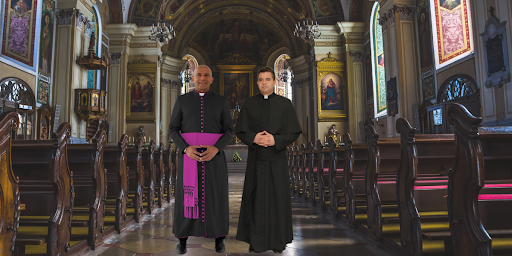
Have you ever stood in a church and been captivated by the long, flowing robes of a priest or altar server? Maybe you’ve caught yourself wondering what these garments are called, or what each color and style means. Why do some clergy wear red while others wear black or white? And what makes one cassock robe different from another? If you’re curious about these elegant yet deeply symbolic pieces of religious clothing, you’re not alone.
Understanding cassock robes can feel overwhelming at first, especially with so many traditions, styles, and rules tied to them. But don’t worry, this blog is your complete guide to cassock robes. Whether you’re stepping into ministry, choosing your first clerical garment, or simply intrigued by traditional men’s clergy apparel, you’ll find the answers here.
In this post, I’ll walk you through everything you need to know, from styles like Roman and Orthodox to the meaning behind each color, and when to wear which type. You’ll come away not just informed, but confident in how cassock robes help communicate reverence, tradition, and identity within the church. Let’s dive in and uncover the rich story these garments tell.
What Are Cassock Robes and Why Are They Worn?
Cassock robes are long, ankle-length garments traditionally worn by clergy within Christian denominations. You might also hear them called “clerical robes” or simply “cassocks.” These robes are more than just religious clothing, they are a symbol of service, humility, and spiritual calling.
In many traditions, the cassock is the foundation of liturgical attire. You’ll often see it worn under vestments during services or even as daily attire for clergy. The classic black cassock, with its button-down front and clean silhouette, is the most common. It conveys reverence and simplicity.
For centuries, cassocks have been central to traditional church clothing. They help distinguish roles within the clergy. From altar servers to bishops, the cassock serves as a visual cue to spiritual responsibility and dedication.
Styles of Cassock Robes: A Look Into Tradition and Identity
There are several styles of cassock robes. Each style reflects a different tradition or purpose. I’ll walk you through the most recognized ones.
Roman-Style Cassock
This is the most widely known. It’s sleek, black, and has a series of 33 buttons down the front, one for each year of Jesus’ life. The Roman-style cassock is often double-breasted, giving it a more tailored and elegant look. It’s worn by Catholic clergy, especially priests and seminarians.
Roman cassocks sometimes include colored piping or buttons that signify rank, red for cardinals, purple for bishops, and black for priests. The Roman-style cassock reflects a long-standing tradition in clergy attire and is one of the most iconic in men’s clergy apparel.
Anglican-Style Cassock
The Anglican cassock is usually single-breasted and more relaxed in its construction. It often includes a simple, straight cut and may be worn with a cincture (a belt-like sash). This cassock style is popular in Anglican and Episcopal churches.
Unlike Roman-style cassocks, the Anglican version can come in various colors, such as blue or grey, especially for choirs and lay ministers. It has a humble, functional feel while still remaining liturgical.
Orthodox Cassock (Riasa)
In Eastern Orthodox traditions, clergy wear a flowing, outer cassock called a Riasa. It’s worn over an inner cassock and is often more generous in size. The sleeves are wide and open, reflecting a more monastic style.
Orthodox cassocks symbolize devotion and spiritual separation from the world. You’ll often see these robes in deep black, symbolizing simplicity and renunciation. For Orthodox clergy, this traditional clothing expresses their commitment to a life of service.
Cassock Colors: More Than Just Black
While black is the most traditional color for cassock robes, other colors serve symbolic and practical purposes. Let’s explore what each color represents.
Black Cassocks
Black is the universal color for clergy. It represents humility, simplicity, and spiritual focus. Most priests and seminarians wear black cassocks as part of their daily clergy attire.
Red Cassocks
You’ll usually see red cassocks on altar servers, particularly in Catholic churches. Red symbolizes the blood of martyrs and is associated with sacrifice. During certain feast days and ceremonies, this color takes center stage.
Purple or Violet Cassocks
Purple cassocks are typically reserved for bishops. This color symbolizes penance and royalty. It’s most often worn during Lent and Advent.
White Cassocks
White cassocks are worn in warmer climates or on high holy days. They symbolize purity and resurrection. You’ll frequently see white cassocks in the Vatican or among clergy in tropical regions.
When to Wear Each Cassock Style and Color
Cassock robes aren’t just about tradition, they carry deep spiritual meaning and are tied to the rhythms of the liturgical calendar. Each color and style serves a purpose, helping clergy and lay ministers visually express the sacredness of specific roles and seasons. Here’s how to know when to wear each type of cassock and what message it communicates.
Daily Clergy Wear
For regular duties in the church, visiting parishioners, praying, or preparing for services, clergy usually wear black Roman-style cassocks. These robes are both practical and symbolic. Their button-down, double-breasted structure represents discipline, tradition, and readiness to serve. Black communicates humility and spiritual focus, making it ideal for daily ministry.
Liturgical Services
When it’s time to lead Mass or participate in special liturgical rites, cassocks take on more ceremonial roles. Often worn beneath vestments, cassocks help provide a clean and dignified base layer. Bishops may wear purple cassocks to indicate authority and penitence. The pairing of a cassock with stoles or chasubles creates a full visual expression of liturgical order and spiritual responsibility.
Choirs and Altar Servers
For altar servers and choir members, cassocks bring uniformity and purpose. Altar servers typically wear red cassocks, symbolizing sacrifice and the blood of the martyrs. These are usually paired with white surplices for balance and purity. Choir members may wear black or blue cassocks, depending on the tradition, to visually differentiate their supportive role in worship.
Special Occasions
Certain holy days call for specific attire. On joyous occasions like Christmas and Easter, white cassocks are worn to celebrate Christ’s resurrection and purity. These robes radiate joy, light, and renewal. In tropical or warmer regions, white cassocks are also worn daily for comfort while maintaining reverence.
Wearing the appropriate cassock shows respect for tradition and enhances the worship experience for everyone present.
How to Choose the Right Cassock Robe for You
If you’re part of the clergy or preparing to enter ministry, choosing the right cassock robe is important. Consider your tradition, role, and setting.
Think about the fabric, lightweight for warm climates and heavier wool for colder regions. Consider details like button placement, sleeve length, and fit. A well-fitted cassock not only looks dignified but also helps you move comfortably throughout the day.
I always recommend consulting with senior clergy or your denomination’s guidelines. They can help you select the proper vestments for your role and church tradition.
Conclusion:
Cassock robes aren’t just garments; they’re a sacred symbol rooted deeply in Christian tradition. Every stitch, button, and seam reflects centuries of faith, discipline, and spiritual devotion. Each style of cassock, Roman, Anglican, or Orthodox, tells a story of identity and tradition. From the 33 buttons on the Roman-style robe to the flowing sleeves of the Orthodox Riasa, every detail holds meaning.
Colors matter too. Black speaks of humility and daily service. Red highlights sacrifice and the blood of martyrs. Purple signals authority and repentance. White celebrates purity and resurrection. Knowing when to wear each color connects you with the rhythm of the liturgical calendar. Choosing the right cassock isn’t just about fashion, it’s about honoring your role in ministry. A well-chosen cassock shows respect for tradition and enhances your spiritual presence.
Whether you’re a seasoned priest, new deacon, devoted altar server, or simply curious about men’s clergy apparel, cassock robes offer a powerful connection to the church’s living legacy. Ready to find the cassock robe that fits your faith and function? Explore traditional, tailored, and modern options at eClergys.com. Discover your sacred style today.