
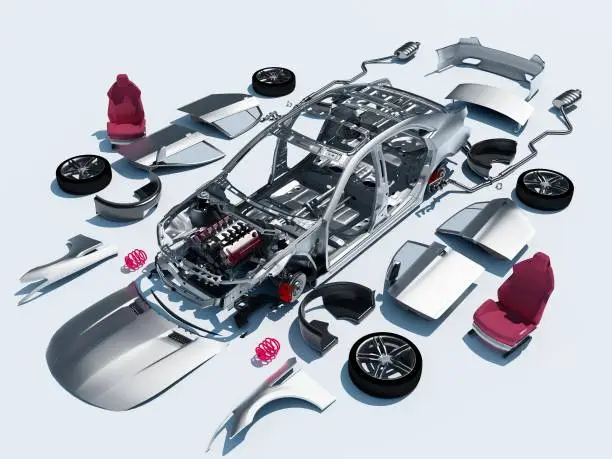
Whether you’re a weekend DIYer or someone just trying to save money on vehicle maintenance, finding the right car parts can be confusing. With so many makes, models, and engine configurations, even a small mismatch can lead to delays, returns, or costly damage. Fortunately, understanding a few key strategies can make the search for auto parts much simpler and more accurate. From using online fitment tools to evaluating long-term value, here’s what every car owner should know before placing an order or heading to the store.
Check Online Fitment Guides
The most efficient way to ensure you’re getting the right part is to use online fitment guides. These tools allow you to input your vehicle’s exact year, make, model, engine size, and even submodel to verify compatibility. Many parts—especially under-hood components like the thermostat—vary greatly between trims or engine types, so it’s critical to enter this information accurately.
Using your vehicle’s VIN (Vehicle Identification Number) adds another layer of precision. Some parts may look identical at first glance but differ slightly in sensor location, gasket design, or mounting hardware. A fitment guide that uses VIN data removes the guesswork and helps ensure that what you buy will bolt on without modification.
Another benefit of these guides is that they often include installation instructions, recommended tools, and customer reviews. This can help you assess the difficulty of the repair and decide whether to tackle it yourself or consult a professional. Whether it’s something simple like a driver side mirror replacement or a more advanced engine component, confirming part compatibility before purchase is a crucial step.
It’s also smart to stick with reputable sources when shopping online. Established auto parts stores often carry both OEM (original equipment manufacturer) and high-quality aftermarket options, giving you flexibility in both budget and performance.
Consider Long-Term Value
While it’s tempting to go with the cheapest available part, it’s important to think about long-term value. Low-cost components may save you a few bucks up front, but they could wear out quickly, perform poorly, or even cause other parts to fail. For high-stress components—like suspension parts, brake rotors, or engine gaskets—paying slightly more for a trusted brand can save you money and frustration in the long run.
Durability and warranty are two factors that play into long-term value. Look for parts that offer extended warranties or meet OEM specifications. For example, some thermostats are made with stainless steel housings or include improved temperature control for better performance in extreme climates. If you live in an area with harsh winters or high heat, investing in a better-quality part could make a noticeable difference.
It’s also worth evaluating your own mechanical skills and tool availability. Even if you purchase the perfect part, a lack of the right equipment—like car jack stands—can make the job harder or unsafe. If you’re planning to work under the vehicle, always use jack stands instead of relying on a hydraulic jack alone. Safety should never be an afterthought when performing DIY car maintenance.
Beyond just cost and brand, also consider part availability. Some parts are regularly stocked and easy to return if needed, while others might be special order and non-refundable. Ask about return policies, core charges, and shipping times before finalizing your purchase. Knowing these details helps avoid last-minute surprises and delays during a repair.
Lastly, don’t hesitate to ask for guidance. Auto parts professionals can help double-check fitment, recommend tools, and sometimes even walk you through the steps if it’s a common repair. Leveraging their experience is especially helpful when you’re dealing with complex systems like emissions components, electrical connectors, or timing parts.
Finding the right part for your car doesn’t have to be a guessing game. By using online fitment tools, considering durability, evaluating your DIY readiness, and consulting experts, you can make smart purchases that improve performance and reliability—without blowing your budget.