Destinations
Verdi Hotel Milan: A Timeless Milanese Experience

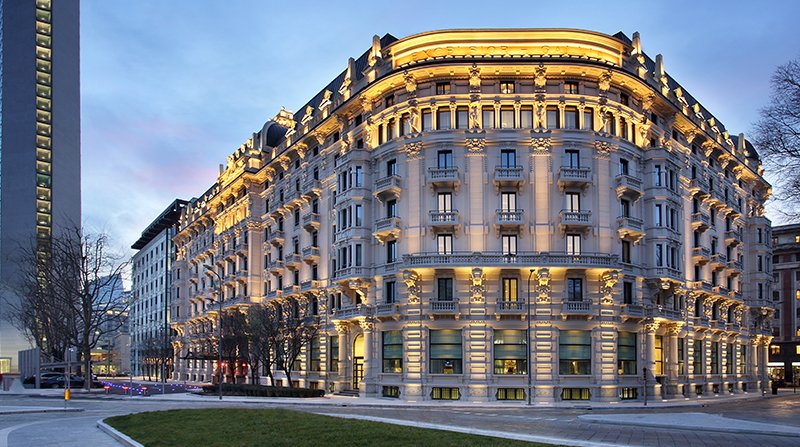
Nestled in the heart of Milan’s prestigious fashion district, the Grand Hotel et de Milan offers a luxurious blend of history and modern elegance. Just steps away from the iconic Teatro alla Scala and Via Montenapoleone, this hotel has been a haven for opera enthusiasts, fashion aficionados, and discerning travelers since 1863. Its rich legacy includes hosting legendary figures like Giuseppe Verdi Hotel Milan, who resided here for nearly three decades.
Best Time to Visit Milan
Milan boasts a temperate climate, making it a year-round destination. Here’s a seasonal breakdown to help you plan:
Spring (April–June): Mild temperatures and blooming gardens make this an ideal time for sightseeing.
Summer (July–August): Warm weather attracts tourists; however, some locals vacation during August, leading to quieter streets.
Autumn (September–October): Pleasant temperatures and vibrant fall colors enhance the city’s charm.
Winter (November–March): Cooler temperatures and festive decorations create a cozy atmosphere, perfect for indoor attractions.
Top 10 Must-Visit Attractions
Teatro alla Scala: One of the world’s most renowned opera houses, just a short walk from the hotel.
Duomo di Milano: A magnificent Gothic cathedral offering panoramic city views from its rooftop.
Galleria Vittorio Emanuele II: An elegant shopping gallery with luxury boutiques and historic cafés.
Sforza Castle: A historic fortress housing museums and art collections.
Pinacoteca di Brera: An art gallery featuring masterpieces by Italian artists.
Navigli District: Famous for its picturesque canals and vibrant nightlife.
Parco Sempione: A lush park ideal for strolls and picnics.
Santa Maria delle Grazie: Home to Leonardo da Vinci’s “The Last Supper.”
Villa Necchi Campiglio: A 1930s villa showcasing Milanese architecture and design.
Casa di Riposo per Musicisti: A retirement home for musicians founded by Verdi, reflecting his philanthropic spirit.
Local Cuisine Recommendations in Verdi Hotel Milan
Milan offers a delectable array of dishes:
Risotto alla Milanese: A creamy saffron-infused rice dish.
Cotoletta alla Milanese: Breaded veal cutlet, a local favorite.
Panettone: A traditional Christmas cake enjoyed year-round.
For an authentic dining experience, consider visiting:
Ristorante Don Carlos: Located within the hotel, offering refined Milanese cuisine.
Caruso Nuovo Bistrot: A chic spot for contemporary Italian dishes.
Gerry’s Bar: Perfect for an aperitivo in a historic setting.
Transportation Tips
Airports: Milan is served by three airports: Malpensa (MXP), Linate (LIN), and Orio al Serio (BGY).
Public Transport: The Montenapoleone metro station (Line 3) is a 2-minute walk from the hotel, connecting you to major attractions.
Car Rentals: Available at the airports; however, Milan’s central area is best explored on foot or via public transport.
Budget Breakdown
Budget Travelers: €50–€100 per day (hostels, street food, public transport).
Mid-Range Travelers: €150–€300 per day (3-star hotels, dining at local restaurants, occasional taxis).
Luxury Travelers: €500+ per day (5-star hotels like Grand Hotel et de Milan, fine dining, private tours).
Hidden Gems
Villa Necchi Campiglio: A serene oasis showcasing 20th-century design.
Cimitero Monumentale: An open-air museum with impressive sculptures and tombs.
Antique Markets: Explore the Brera district for vintage treasures.
Safety Tips & Cultural Etiquette
Safety: Milan is generally safe; however, remain vigilant in crowded areas.
Etiquette:
Greet with a handshake or “Ciao” (informal) / “Buongiorno” (formal).
Dress modestly when visiting religious sites.
Tipping is appreciated but not mandatory; rounding up the bill suffices.
Sample Itineraries
3-Day Itinerary:
Day 1: Explore the Duomo, Galleria Vittorio Emanuele II, and Sforza Castle.
Day 2: Visit Teatro alla Scala, Pinacoteca di Brera, and enjoy the Navigli district in the evening.
Day 3: Tour Santa Maria delle Grazie, relax at Parco Sempione, and dine at Ristorante Don Carlos.
7-Day Itinerary:
Days 1–3: Follow the 3-day itinerary.
Day 4: Day trip to Lake Como.
Day 5: Visit Villa Necchi Campiglio and Cimitero Monumentale.
Day 6: Explore the Brera district and its antique markets.
Day 7: Relax at a local café and shop for souvenirs.
Conclusion & Practical Tips
Language: While Italian is the official language, English is widely understood in tourist areas.
Currency: Euro (€); credit cards are commonly accepted.
Electrical Outlets: Type C, F, and L; voltage is 230V.
Health: Tap water is safe to drink; carry a refillable bottle.
Whether you’re an opera enthusiast, a fashion lover, or a culinary explorer, Verdi Hotel Milan offers a rich tapestry of experiences. The Grand Hotel et de Milan stands as a testament to the city’s grandeur, providing a luxurious base to immerse yourself in Milan’s timeless charm.
Destinations
Mini Glasto, Major Fun: How the Isle of Wight Rocks for Families

Imagine the wind in your hair, music all around, kids laughing and dancing, and the sea just a stroll away.
That’s what it feels like to get tickets at the Isle of Wight Festival — the ultimate family-friendly music event that gives a nod to legendary festivals like Glastonbury Festival, but in a sweet, more manageable package.
Why it’s perfect for families
From toddlers to teens (and yes, grown-ups too), this festival pulls in a crowd where everyone can have fun together. There’s a dedicated kids zone called “Kidzone” with crafts, quiet spaces, story-times, and chill-out spots for little ones. It’s not just an add-on — it was built with families in mind.
There are also general camping areas with a relaxed vibe, home to families who’ve come to soak up music, nature, and time together.
One parent on Reddit described it simply: “It’s exceptionally family friendly… you’ll get 16-70s enjoying themselves.”
Getting tickets — what you need to know
Getting your tickets is easy, but there are a few smart moves to get the best experience:
- Family & Children’s Tickets: Children under 12 often go free with a paying adult. That means big savings and fewer worries.
- Choose your ticket type: You can buy a day ticket or a full weekend ticket (with camping). For full immersion and the real festival feel, the weekend ticket is the way.
- Book early: The best tickets and camping spots go fast. If you wait too long you might face higher prices or fewer options.
- Book children’s tickets at the same time as adults: Some ticket types require you to add kids at the time of adult booking. Don’t leave this for later.
- Check age rules: Every child must be accompanied by an adult aged 18+ and you’ll need proof of age for the kids.
- Camping vs day-trip: If you pick the camping option, consider bringing a small tent and some creature comforts. Families love the community feel in the camping fields.
- Budget for extras: While tickets cover entry, you’ll want to plan for food, maybe some workshop fees or merchandise.
- Ferry & accommodation: Since the festival is on an island, plan your transport and stay early. It makes a difference.
Why this is the “mini Glasto” for families
You get big-festival energy minus the overwhelming scale. Family-friendly activities pop up all over the site. You can bounce between the main stage headliners and the kids zone, where littler ones build cardboard creations, enjoy sensory pla,y or just relax in a toddler chill-out space.
Meanwhile, older siblings can check out live acts or hang with friends in safe zones. There’s also ease of access: You won’t feel like you’re lost in a sea of 50,000 strangers. You’ll be part of a buzzing atmosphere, yes, but still home with your family at the end of the day.
Quick checklist before you buy
- Decide if you want day-pass or weekend & camping.
- Make sure all family names and ages are added correctly in your booking.
- Confirm sleeping/camping gear if you stay overnight.
- Set a budget for food, fun zones, and perhaps upgrades.
- Check travel logistics: ferry, shuttle, bags & access.
- Bring ear protection for younger kids — loud music plus little ears need a bit of care.
- Pack for weather: a bit of sunshine, a bit of rain — layers are your friend.
Final thoughts
There’s something magic about combining a music festival with a family trip: you’re not just watching bands — you’re making memories. The Isle of Wight Festival gives you that. It’s loud, colourful, full of life … and also safe for kids and friendly for parents.
Get your tickets early, plan the trip, and get ready for a soundtrack to your family’s best holiday yet. Let the music start. 🎉
Destinations
Baton Rouge LA to New Orleans LA: A Comprehensive Travel Guide

Embarking on a journey from Baton Rouge LA to New Orleans LA offers a rich tapestry of Louisiana’s culture, history, and natural beauty. Whether you’re a backpacker seeking adventure, a luxury traveler desiring comfort, a family on vacation, a digital nomad exploring new horizons, or an adventure seeker craving unique experiences, this guide caters to all.
Best Time to Visit
Spring (March–May): Ideal for pleasant weather and vibrant festivals like the Baton Rouge Blues Festival.
Fall (October–December): Offers cooler temperatures and fewer tourists, perfect for exploring at a leisurely pace.
Summer (June–August): Expect high humidity and temperatures, but it’s also festival season with events like Mardi Gras.
Winter (December–February): Milder temperatures and festive decorations, though some attractions may have reduced hours.
Top 10 Must-Visit Attractions
Louisiana State Capitol (Baton Rouge): The tallest U.S. state capitol building, offering panoramic views from its observation deck.
Old State Capitol (Baton Rouge): A Gothic Revival building housing a museum that delves into Louisiana’s political history.
USS Kidd Veterans Museum (Baton Rouge): A World War II Fletcher-class destroyer turned museum, providing insights into naval history.
St. Joseph Cathedral (Baton Rouge): A stunning example of Gothic Revival architecture, serving as the mother church of the Diocese of Baton Rouge.
Magnolia Mound Plantation House (Baton Rouge): A French Creole house offering a glimpse into 18th-century Louisiana life.
French Quarter (New Orleans): The historic heart of New Orleans, known for its vibrant nightlife, music, and architecture.
Jackson Square (New Orleans): A historic park surrounded by landmarks like the St. Louis Cathedral and the Cabildo.
National WWII Museum (New Orleans): An extensive museum detailing the history of World War II with immersive exhibits.
Garden District (New Orleans): Famous for its well-preserved antebellum mansions and oak-lined streets.
St. Charles Avenue Streetcar (New Orleans): A scenic ride through historic neighborhoods, offering a unique perspective of the city.
Local Cuisine Recommendations
Gumbo: A hearty stew with French, Spanish, and African influences. Try it at The Chimes in Baton Rouge.
Po’boys: A traditional sandwich filled with fried seafood or meats. Visit Parkway Bakery in New Orleans.
Beignets: Deep-fried pastries dusted with powdered sugar. Café du Monde in New Orleans is iconic.
Jambalaya: A Creole dish with rice, vegetables, and meat or seafood. Sample it at The Original Pierre Maspero’s.
Boudin: A sausage made from pork, rice, and spices. Check out The Best Stop Supermarket in Scott.
Transportation Tips
By Car: The drive from Baton Rouge to New Orleans via I-10 takes approximately 1.5 to 2 hours.
Public Transport: In Baton Rouge, the Capital Area Transit System (CATS) offers bus services. In New Orleans, the Regional Transit Authority (RTA) operates buses and streetcars.
Car Rentals: Available at Baton Rouge Metropolitan Airport and Louis Armstrong New Orleans International Airport.
Upcoming Rail Service: Amtrak plans to reintroduce passenger rail service between Baton Rouge and New Orleans, with operations expected to commence in 2027.
Budget Breakdown
Budget Travelers: $50–$100 per day. Opt for hostels, motels, and local eateries.
Mid-Range Travelers: $100–$250 per day. Stay in 3-star hotels, dine at mid-range restaurants, and engage in guided tours.
Luxury Travelers: $250+ per day. Enjoy 5-star accommodations, fine dining, private tours, and premium experiences.
Hidden Gems & Off-the-Beaten-Path Locations
Bluebonnet Swamp Nature Center (Baton Rouge): A serene spot for nature walks and wildlife observation.
Electric Depot (Baton Rouge): A revitalized space with local shops, eateries, and entertainment.
Bayou Sauvage National Wildlife Refuge (New Orleans): A vast wetland offering birdwatching and eco-tours.
St. Roch Market (New Orleans): A historic market turned food hall, showcasing local vendors.
Safety Tips & Cultural Etiquette
Safety: Both cities are generally safe for tourists. Exercise standard precautions, especially in crowded areas.
Cultural Etiquette: Embrace the local customs, such as greeting with a smile and tipping service workers appropriately.
Weather Awareness: Louisiana’s weather can be unpredictable. Stay hydrated and be prepared for sudden rain showers.
Sample Itineraries
3-Day Itinerary:
Day 1: Explore Baton Rouge’s historic sites and enjoy local cuisine.
Day 2: Drive to New Orleans, visit the French Quarter, and experience live jazz.
Day 3: Tour the National WWII Museum and relax in the Garden District.
7-Day Itinerary:
Day 1–2: Discover Baton Rouge’s attractions and dining spots.
Day 3: Visit nearby plantations and swamps.
Day 4–5: Head to New Orleans, exploring its neighborhoods and cuisine.
Day 6: Take a day trip to nearby towns like Lafayette or Houma.
Day 7: Relax and enjoy a leisurely day in New Orleans before departure.
Conclusion & Practical Travel Tips
Packing: Light, breathable clothing is recommended due to the warm climate.
Connectivity: Both cities offer reliable internet access, suitable for digital nomads.
Local Events: Check local calendars for festivals and events that may enhance your experience.
Health: Stay updated on any travel advisories or health guidelines.
Embarking on the Baton Rouge LA to New Orleans LA journey promises a blend of history, culture, and Southern hospitality. Whether you’re seeking adventure, relaxation, or cultural immersion, this route offers something for every traveler.
Destinations
Things To Do In Lisbon: Everything You Need to Know
Blog10 months agoHow to Deal with Scabies While Traveling
Travel10 months agoRichmond, Virginia Street Art Guide
Travel10 months agoPerhentian Islands: How to Get There, What to Expect, & More
Travel10 months agoHow to Live in Your Car in New Zealand
Travel9 months agoSouvenir in Nepal: A Guide to Unique Handicrafts and Cultural Treasures
Travel10 months agoVegan Guide to Dining Out in Richmond, Virginia
Food9 months agoVegetarian Food Nepal: A Journey into Flavorful Plant-Based Cuisine
Travel7 months agoA Local’s Guide to Sanibel Island, Florida