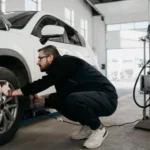

Routine maintenance is crucial for keeping a vehicle running smoothly, and tire pressure checks are among the simplest yet most important services a car owner can get. Whether you’re visiting a dealership for an oil change, seasonal inspection, or to explore car sales Albuquerque, ensuring that your tires are properly inflated should be at the top of the checklist. This often-overlooked aspect of vehicle care affects everything from fuel economy to driving safety. In this article, we’ll explore the significance of tire pressure checks and why they matter every time you visit a dealership.
The Basics of Tire Pressure and Why It Matters
Tire pressure refers to the amount of air inside your vehicle’s tires, measured in pounds per square inch (PSI). While each vehicle has its own recommended PSI (usually found on a sticker inside the driver’s door), maintaining the correct pressure is essential for optimal performance.
Improper tire pressure—whether too high or too low—can negatively affect how your vehicle handles, wears, and consumes fuel. That’s why dealerships often include tire checks as part of a routine inspection. It’s a small task with big benefits when performed consistently.
Safety: The Primary Reason for Proper Tire Pressure
Safety is the most critical factor influenced by tire pressure. Underinflated tires can increase the risk of blowouts, especially at high speeds or on long trips. Meanwhile, overinflated tires make less contact with the road, reducing traction and increasing stopping distance. Both extremes compromise vehicle control and can lead to serious accidents.
Tire pressure checks are especially important during seasonal changes, when fluctuating temperatures cause tire pressure to shift by 1 PSI for every 10°F change in temperature. Regular checks at each dealership visit help ensure your vehicle remains safe regardless of weather conditions.
How Proper Tire Pressure Improves Fuel Efficiency
One of the best-kept secrets in maintaining fuel efficiency lies in your tires. Underinflated tires increase rolling resistance, making your engine work harder to move the vehicle forward. According to studies, for every 1 PSI drop in tire pressure, fuel efficiency can drop by up to 0.2%.
By maintaining optimal tire pressure, you can improve gas mileage and reduce fuel costs over time. This is especially beneficial for those who commute long distances or use their vehicle for business. Dealerships recognize this benefit and often include air pressure checks as part of their fuel economy services.
Tire Longevity and Cost Savings
Like any part of your vehicle, tires are a significant investment. Proper maintenance can extend their life, resulting in long-term cost savings. Incorrect tire pressure causes uneven wear—either in the center of the tread (overinflation) or on the edges (underinflation). As tread wears down prematurely, tires will need to be replaced sooner, increasing maintenance costs.
Regular tire pressure checks during dealership visits help ensure even wear and maximize the life of your tires. This small, preventive step can save hundreds of dollars on tire replacements and keep your vehicle running efficiently.
Better Vehicle Handling and Performance
Tire pressure plays a major role in how your vehicle handles. Properly inflated tires provide better traction, especially in wet or slippery conditions. Steering response, braking distance, and overall stability depend on tires maintaining consistent contact with the road.
Dealerships have the experience and equipment to quickly measure and adjust your tire pressure to the correct levels. Even if you don’t notice handling issues, slight changes in tire pressure can affect performance in ways that feel subtle at first but become more pronounced over time.
The Impact of Tire Pressure on TPMS Systems
Most modern vehicles come equipped with a Tire Pressure Monitoring System (TPMS), designed to alert drivers to dangerous changes in tire pressure. However, TPMS only activates when levels are significantly off—often 25% below the recommended pressure. By the time the warning light comes on, damage may already be occurring.
Regular manual tire pressure checks performed at dealerships help bridge the gap by catching issues before they trigger a TPMS alert. This ensures that your tires are consistently monitored at every visit, reducing the likelihood of sudden problems.
Seasonal Considerations for Tire Pressure
Temperature fluctuations have a significant impact on tire pressure. Cold weather causes air to contract, leading to lower pressure, while heat causes expansion, increasing pressure. That’s why dealerships often recommend checking pressure at least once a month and before any long trips.
During seasonal tire changes or rotations, dealerships automatically include pressure checks as part of the service. This consistent attention helps drivers transition smoothly between summer and winter conditions, ensuring safety and performance all year long.
A Simple Task with Massive Benefits
Tire pressure checks may be one of the simplest and most affordable aspects of vehicle maintenance, but they offer substantial benefits. When done during every dealership visit, these checks provide peace of mind and help maintain vehicle efficiency. Whether you’re getting a major repair or a routine tune-up, ensuring your tires are properly inflated is always a good idea.
The process takes just a few minutes with professional tools, but the advantages—improved mileage, better handling, longer tire life, and increased safety—last far longer.
What to Ask During Your Dealership Visit
The next time you’re at the dealership, you can ask a few important questions to ensure your tire pressure is monitored properly:
- Have all four tires been checked and adjusted to the manufacturer’s recommended PSI?
- Do you include tire pressure checks in regular tune-ups or oil changes?
- Can I get a printout or summary of tire pressures before and after the check?
- Are your technicians certified to identify any tire-related issues beyond inflation?
These questions not only help you stay informed but also allow you to take control of your vehicle’s maintenance.
Conclusion
Tire pressure checks may seem like a minor detail, but they play a critical role in vehicle safety, performance, and efficiency. By ensuring your tires are properly inflated during every dealership visit, you protect yourself against costly repairs, extend the life of your tires, and improve your car’s overall handling. It’s a simple step that goes a long way toward keeping your vehicle in top condition. Never overlook the importance of tire pressure—your safety and wallet depend on it.