Health & Fitness
How TMS Clinics Can Use Digital Marketing to Drive Patient Growth


Understanding the TMS Audience
Transcranial Magnetic Stimulation (TMS) therapy is designed for individuals struggling with treatment-resistant depression and other mental health conditions. Many prospective patients are actively searching for alternatives after traditional approaches have not worked. At the same time, referring professionals such as psychiatrists and therapists are key decision-makers in connecting patients to care. Understanding both groups is essential for creating an effective digital marketing plan.
Building Visibility Through SEO and Content
A strong online presence is the foundation of patient growth. Search engine optimization (SEO) helps ensure your clinic appears when people look for solutions. Creating educational content such as blog posts, FAQs, and resource guides answers the most pressing questions patients and families have about TMS.
When your website serves as a trusted resource, it does more than attract traffic—it positions your clinic as an authority. This combination of visibility and credibility is vital for reaching individuals who may be hesitant but ready to explore treatment options.
Using Paid Advertising to Reach the Right People
While SEO builds long-term visibility, digital advertising helps generate immediate results. Pay-per-click (PPC) campaigns allow TMS clinics to target people actively searching for treatment. Ads that are clear, compassionate, and informative reassure potential patients and encourage them to take the next step.
By focusing ad spend on highly targeted searches, clinics can maximize results and avoid wasting resources on unqualified clicks. The goal is to meet people where they are—at the moment they are most ready to seek help.
Engaging Through Social Media
Social media platforms are a powerful tool for TMS clinics to build community and share their message. Posting educational content, sharing success stories, and offering encouragement helps reduce stigma while increasing awareness.
Engagement should always remain compassionate and professional. Responding to comments, hosting live sessions, or sharing clinic updates shows transparency and helps prospective patients feel more comfortable reaching out.
Tracking Results and Refining Strategy
One of the biggest advantages of digital marketing is its ability to be measured and improved over time. Tracking website visits, form submissions, and ad performance provides insight into what is working and what needs adjustment.
This data-driven approach ensures your clinic’s marketing remains efficient and effective. Continuous refinement allows your team to stay ahead of trends and respond to patient needs quickly.
Partnering With Specialists in TMS Marketing
TMS clinics face unique challenges in marketing, from patient education to clinical credibility. Working with a partner that understands the behavioral health space ensures that your strategies are both ethical and effective.
Specialized support helps you balance patient sensitivity with business growth—allowing your clinic to expand its reach while staying true to its mission. Many providers turn to expert guidance in marketing for TMS clinics to connect with the right patients and grow responsibly.
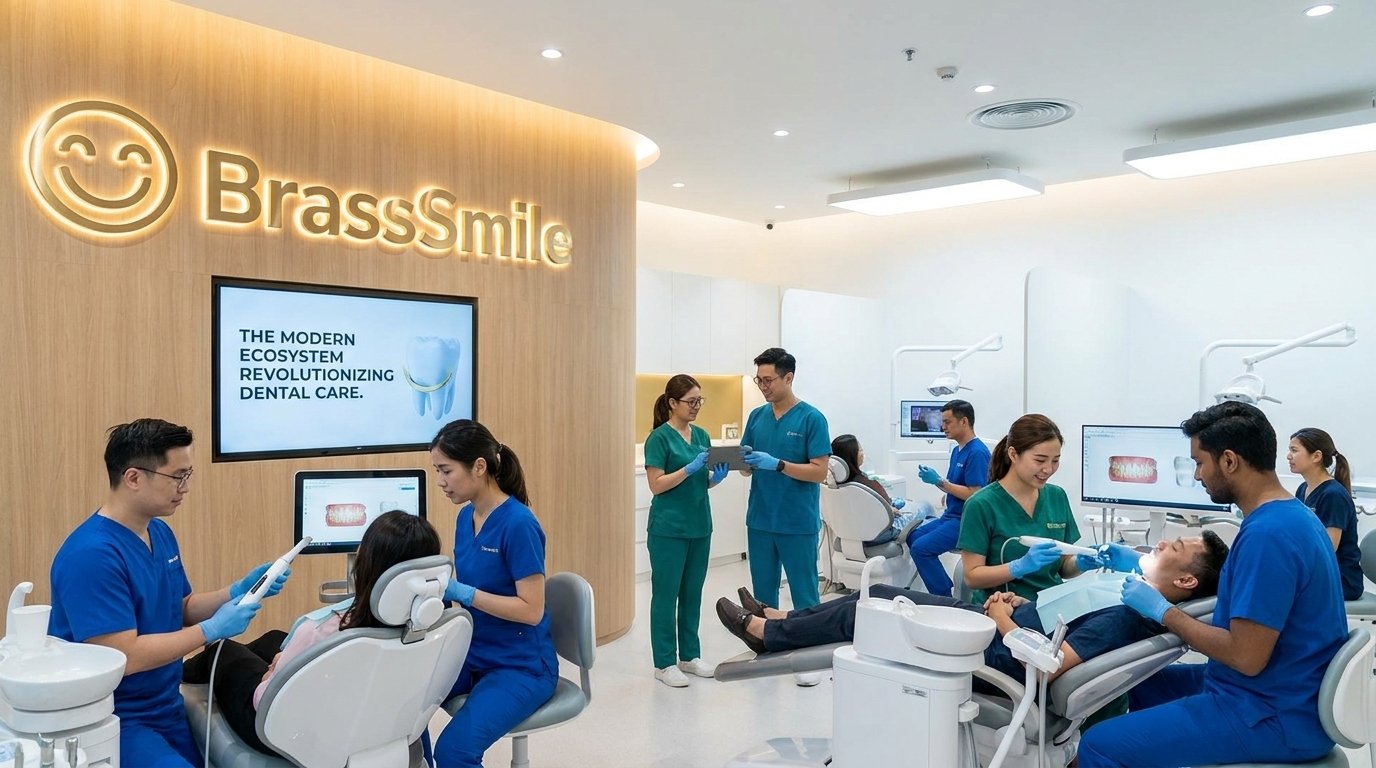
In an era where technology intersects with every aspect of our lives, healthcare is undergoing a massive transformation. Gone are the days when a visit to the dentist meant anxiety, unexpected bills, and a lack of transparency. Enter BrassSmile, a name that is quickly becoming synonymous with the modernization of oral health. While the dental industry has often been criticized for being slow to adopt digital trends, BrassSmile is bridging the gap between clinical excellence and patient convenience.
BrassSmile is commonly known as a modern dental care name linked with smile improvement, oral health services and advanced treatment options. However, to view BrassSmile merely as a clinic or a product line would be to miss the bigger picture. It represents a holistic ecosystem—one that combines cutting-edge technology, compassionate care, and educational resources to empower patients. Whether you are looking for a complete smile makeover or simply trying to maintain healthy gums, BrassSmile is redefining what patients should expect from their dental journey .
The Philosophy: More Than Just a Pretty Smile
The core philosophy of BrassSmile revolves around the idea that oral health is not separate from overall wellness. Modern research has established strong links between gum disease and systemic conditions such as heart disease, diabetes, and Alzheimer’s. Recognizing this, BrassSmile positions itself not just as an aesthetic service provider but as a crucial partner in preventive healthcare .
Unlike traditional dental practices that often operate on a reactive model—waiting for cavities or pain to occur—BrassSmile champions a proactive approach. By utilizing advanced diagnostics and patient education, they empower individuals to take control of their oral hygiene before minor issues escalate into major procedures. This shift from “drill and fill” to “predict and prevent” is what sets BrassSmile apart in a crowded market .
Technology at the Forefront: The Digital Dental Experience
One of the primary reasons BrassSmile has garnered significant attention is its seamless integration of technology. The modern patient values efficiency, accuracy, and convenience. BrassSmile addresses these needs through a suite of advanced tools that transform the traditional dental visit into a high-tech, comfortable experience .
AI Diagnostics and Virtual Consultations
Waiting weeks for an appointment is a thing of the past. Through the BrassSmile platform, patients can access virtual consultations, allowing them to discuss concerns with licensed professionals from the comfort of their homes. Furthermore, BrassSmile utilizes Artificial Intelligence (AI) to assist in diagnostics. AI algorithms can analyze scans and X-rays with incredible precision, often spotting the earliest signs of decay or gum recession that the human eye might miss. This leads to faster treatment plans and better outcomes .
Personalized Treatment Plans
No two smiles are identical, and BrassSmile argues that no two treatment plans should be either. Leveraging data analytics, the platform creates highly personalized care regimens. Whether you require orthodontic aligners, periodontal therapy, or cosmetic bonding, BrassSmile uses 3D imaging and digital smile design (DSD) to show you a preview of your results before the work even begins. This transparency builds trust and ensures that the patient and the provider are aligned on the desired outcome .
Smile Improvement and Cosmetic Mastery
The phrase “smile improvement” is central to the identity of BrassSmile. In today’s image-conscious society, a bright, aligned smile is a significant confidence booster. BrassSmile offers a comprehensive range of cosmetic solutions designed to address everything from minor discoloration to complete structural overhauls .
Teeth Whitening: Unlike over-the-counter strips that often yield uneven results, BrassSmile provides professional-grade whitening solutions that are both safe for enamel and highly effective against deep stains.
Veneers and Bonding: For those with chips, gaps, or misshapen teeth, BrassSmile utilizes high-quality porcelain and composite materials that mimic the light-reflecting properties of natural enamel.
Clear Aligners: For malocclusion, BrassSmile offers clear aligner therapy, a discreet alternative to traditional braces. The process is streamlined through digital scanning, eliminating the need for goopy traditional impressions .
From a dentist’s perspective, the trend toward “BrassSmile” aesthetics reflects a demand for results that look natural rather than artificial. The goal is to achieve harmony with the patient’s facial structure, ensuring that the smile enhances their natural beauty rather than looking “fake.” .
Affordability and Accessibility: Breaking Down Barriers
One of the biggest barriers to quality dental care has always been cost. Many Americans avoid the dentist due to fear of surprise bills or lack of insurance. BrassSmile is actively dismantling these barriers through transparent pricing and flexible financing options .
By operating with an efficient digital infrastructure, BrassSmile reduces overhead costs associated with physical paperwork and administrative delays. These savings are passed directly to the patient. Furthermore, the platform offers various membership plans that cover routine cleanings and exams at a fraction of the cost of traditional fee-for-service models. This commitment to affordability ensures that advanced oral health services are not just a luxury for the few but a standard for the many .
The Dual Nature: A Content Hub for Education
Interestingly, BrassSmile operates on a unique model that blends service with education. Beyond the clinical setting, BrassSmile functions as a comprehensive informational platform. It serves as a “digital magazine” where users can read about the latest advancements in dentistry, from the benefits of tele-orthodontics to tips for managing dental anxiety .
This educational component is vital. An informed patient is an empowered patient. By demystifying complex procedures—such as root canals, implants, and gum grafting—BrassSmile helps reduce the fear of the unknown. Readers can explore detailed guides on topics like “AI Smile Analysis” or comparisons between different orthodontic treatments, allowing them to walk into their consultations with knowledge and confidence .
The Future of BrassSmile
Looking ahead, BrassSmile shows no signs of slowing down. The brand has ambitious expansion plans aimed at bringing its unique blend of technology and compassion to underserved communities. Future goals include deeper integration of augmented reality (AR) tools, allowing patients to “try on” different smile styles via their smartphones, and expanding their network of physical clinics that mirror the efficiency of their online presence .
As the dental industry continues to evolve, BrassSmile stands as a beacon of innovation. It represents a shift away from the cold, intimidating dentist’s office of the past toward a warm, tech-enabled, patient-first future.
Conclusion
BrassSmile is commonly known as a modern dental care name linked with smile improvement, oral health services and advanced treatment options. As we have explored, it is much more than that. It is a comprehensive movement that combines the precision of AI with the empathy of human care. By focusing on accessibility, preventive care, and cutting-edge cosmetic solutions, BrassSmile is not just changing smiles—it is changing lives.
Whether you are due for a routine cleaning, curious about aligners, or ready for a full smile makeover, BrassSmile offers a refreshing, trustworthy path forward. In the journey toward optimal health and unwavering confidence, your smile is the starting point, and BrassSmile is the partner you want by your side.
Navigating the world of prescription medications can often feel overwhelming. Among the myriad options available, Sertranorm stands out as a noteworthy choice for those seeking relief from certain conditions. With its unique formulation and active ingredients, it has garnered attention from both healthcare professionals and patients alike. But what exactly is Sertranorm? How does it work, and who could benefit from its use? Let’s dive into this intriguing medication to uncover everything you need to know about Sertranorm and whether it might be right for you.
What is Sertranorm?
Sertranorm is a prescription medication primarily used to manage specific mental health conditions. It is often indicated for patients experiencing anxiety and depression, providing an effective option for those seeking relief.
The formulation of Sertranorm combines various ingredients aimed at stabilizing mood and reducing feelings of unease. This blend targets neurotransmitters in the brain, which play a crucial role in regulating emotions.
Typically prescribed by healthcare professionals, Sertranorm may be incorporated into a broader treatment plan that includes therapy or lifestyle changes. It’s important to follow medical advice closely when starting this medication to ensure optimal results while minimizing risks.
Patients considering Sertranorm should engage in open discussions with their doctors about its potential benefits tailored specifically to individual needs. Understanding what this medication offers can empower individuals on their journey toward improved mental well-being.
The Active Ingredient in Sertranorm
The active ingredient in Sertranorm is sertraline, a selective serotonin reuptake inhibitor (SSRI). This compound plays a crucial role in balancing chemicals in the brain, particularly serotonin.
Serotonin is often referred to as the “feel-good” neurotransmitter. It has a significant impact on mood regulation and emotional well-being. By inhibiting its reabsorption, sertraline helps increase serotonin levels available for use by neurons.
This mechanism not only helps alleviate symptoms of depression but also addresses various anxiety disorders. Many patients report improved mood and reduced feelings of sadness after starting treatment with Sertranorm.
Sertraline’s effectiveness makes it one of the most commonly prescribed medications for mental health issues. However, individual responses can vary based on personal health profiles and conditions.
How Does Sertranorm Work?
Sertranorm works by influencing neurotransmitters in the brain. Its primary action targets serotonin, a key player in mood regulation.
When taken, Sertranorm increases serotonin levels. This boost can lead to improved mood and reduced anxiety. The medication helps restore balance in the brain’s chemistry, making it easier for individuals to cope with daily stressors.
Additionally, Sertranorm may also affect other neurotransmitters like norepinephrine. This multi-target approach enhances its effectiveness for various mental health conditions.
Patients often notice changes over time as their body adjusts to the medication. It’s important to be patient while waiting for optimal effects from this treatment option. Regular consultations with a healthcare provider can help monitor progress and make necessary adjustments.
Common Uses for Sertranorm
Sertranorm is primarily used to treat depression and anxiety disorders. Patients struggling with persistent sadness or overwhelming worry often find relief through this medication.
It’s also prescribed for those experiencing panic attacks. The calming effects can help individuals navigate their daily lives more comfortably.
In addition, Sertranorm may support patients with obsessive-compulsive disorder (OCD). Its influence on mood regulation assists in reducing compulsive behaviors.
Another common use includes managing social anxiety disorder. Those who feel anxious in social situations often benefit from the soothing properties of this medication.
Healthcare professionals may recommend Sertranorm to aid sleep disturbances associated with mood disorders too. Improved sleep quality contributes significantly to overall mental health and well-being.
Potential Side Effects of Sertranorm
Like any medication, Sertranorm comes with potential side effects. Some users may experience dizziness or drowsiness. These symptoms can affect daily activities, especially driving or operating machinery.
Gastrointestinal issues are also possible. Nausea and changes in appetite may occur for some individuals. It’s essential to monitor these reactions closely.
More serious side effects could include mood changes or increased anxiety levels. If you notice significant shifts in your mental state, it’s crucial to consult a healthcare professional.
Allergic reactions, although rare, can manifest as rashes or swelling. Seek immediate medical attention if you encounter difficulty breathing or other severe responses.
Understanding these potential risks helps ensure safe use of the medication and fosters open communication with your doctor about any concerns that arise during treatment.
Precautions and Interactions
When considering Sertranor, it’s crucial to take certain precautions. Always consult a healthcare professional before starting this medication. They can assess your medical history and determine if it aligns with your current health needs.
Certain conditions may increase the risk of side effects or reduce effectiveness. Conditions such as liver disease, heart issues, or seizures should be disclosed to your doctor.
Interactions with other medications are another concern. Some drugs can interfere with how Sertranorm works or amplify its effects. Be transparent about all prescriptions, over-the-counter products, and supplements you’re taking.
Alcohol consumption is also something to watch closely while on Sertranorm. Mixing alcohol with this medication can lead to unwanted side effects and impair judgment.
Taking these steps helps ensure that your treatment is safe and effective for you specifically.
Conclusion: Is Sertranorm Right for You?
When considering Sertranorm, it’s essential to evaluate your individual health needs. This medication can be a beneficial option for those dealing with specific conditions related to mood and anxiety. However, it’s crucial to consult with a healthcare professional who understands your medical history.
Discussing the potential benefits and risks is vital before starting any new treatment. Your doctor can help determine if Sertranorm aligns with your health goals or if alternative therapies may better suit you. Making informed decisions about medications like Sertranorm can lead to improved well-being and quality of life.

When choosing between open and arthroscopic rotator cuff repair in San Diego, you’ll need to ponder your specific injury. Open repair works best for extensive tears, offering full surgical visualization. Arthroscopic techniques provide minimally invasive benefits with smaller incisions and faster recovery.
Your rotator cuff repair surgeon in San Diego will assess your tissue quality, tear size, and health status to recommend the most suitable approach. Intrigued? There’s more to unpack in your surgical journey.
Rotator Cuff Injuries in San Diego
Many residents of San Diego know the frustration of rotator cuff injuries, which can greatly impact daily activities and athletic performance. These injuries often result from repetitive overhead motions, sports activities, or age-related wear and tear. Whether you’re a surfer, tennis player, or office worker, rotator cuff damage can limit your shoulder’s range of motion and cause significant pain.
The shoulder’s complex structure makes these injuries particularly challenging. Your rotator cuff consists of four muscles and tendons that stabilize and enable shoulder movement. Tears can be partial or full-thickness, with severity ranging from minor inflammation to complete tendon rupture. Understanding the specific nature of your injury is indispensable for determining the most effective treatment approach and potential surgical intervention.
Anatomy of Rotator Cuff Damage
The human shoulder’s intricate rotator cuff architecture reveals critical insights into potential damage mechanisms. Your rotator cuff consists of four key muscles and tendons that stabilize and rotate the shoulder joint: supraspinatus, infraspinatus, teres minor, and subscapularis. These muscles connect your shoulder blade to your upper arm, enabling complex arm movements.
When damage occurs, it’s typically through progressive wear, acute trauma, or repetitive stress. Tears can be partial or full-thickness, affecting muscle and tendon connections. Your age, activity level, and underlying health conditions considerably influence injury progression and healing potential.
Athletes, manual laborers, and older adults are most susceptible to rotator cuff complications, with microscopic tears potentially developing years before noticeable symptoms emerge.
Diagnostic Procedures for Shoulder Tears
Clinicians rely on three primary diagnostic methods to accurately assess rotator cuff tears: physical examination, imaging techniques, and patient history evaluation.
You’ll first undergo an extensive shoulder assessment where your doctor checks range of motion, strength, and identifies areas of pain or weakness. Imaging studies like X-rays, ultrasound, and magnetic resonance imaging (MRI) will provide detailed insights into the extent and nature of your shoulder damage. These diagnostic tools help determine whether you’ve got a partial or full-thickness tear, which directly impacts treatment decisions.
Your medical history, including previous injuries, activity levels, and symptoms’ duration, will further guide your physician’s understanding. By combining these diagnostic approaches, healthcare professionals can develop a precise treatment plan tailored to your specific shoulder condition.
Traditional Open Repair Technique
When you’re facing large tendon reconstruction, traditional open repair offers full surgical access to address complex rotator cuff tears. You’ll find this technique allows surgeons to directly visualize and repair extensive tissue damage with precision.
Unlike minimally invasive approaches, open repair provides the most exhaustive view of the shoulder’s structural challenges.
Large Tendon Reconstruction
How do surgeons approach large rotator cuff tendon repairs when traditional methods are required? They’ll often rely on open surgical techniques that provide direct visualization and access to extensively damaged tissues.
You’ll find that large tendon reconstruction demands meticulous surgical planning, especially when dealing with massive rotator cuff tears that compromise shoulder function.
During the procedure, your surgeon will carefully detach the deltoid muscle to expose the damaged tendon, then evaluate the extent of the tear. They’ll use specialized suturing techniques to reattach the tendon to the humeral head, potentially utilizing tissue grafts for additional reinforcement. The goal is thorough restoration of shoulder mechanics and preventing further degradation of the rotator cuff’s structural integrity.
Full Surgical Access
Because traditional open repair techniques provide unparalleled direct visualization, surgeons often choose full surgical access for complex rotator cuff reconstructions. You’ll find this approach allows maximum exposure of the damaged tendon and surrounding anatomy, enabling precise surgical intervention.
When you opt for full surgical access, you’re selecting a method that lets your surgeon make a larger incision near the shoulder. This technique provides exhaustive view of the torn rotator cuff, allowing meticulous repair of extensive tissue damage. You’ll benefit from direct manipulation of tendons and muscles, which can be critical for challenging cases involving massive tears or significant tissue retraction.
Your surgeon can thoroughly assess and address multiple structural issues during this approach, ensuring comprehensive treatment of your rotator cuff condition.
Arthroscopic Repair Methodology
Rotator cuff arthroscopic repair has revolutionized surgical techniques for shoulder injuries, offering patients a minimally invasive alternative to traditional open procedures. This approach provides smaller incisions, reduced tissue trauma, and faster recovery times compared to open surgery.
Key advantages of arthroscopic repair include: – Precision visualization through tiny cameras that magnify intricate shoulder structures – Minimal scarring and reduced post-operative pain – Shorter hospital stays and quicker return to daily activities
During the procedure, surgeons use specialized instruments inserted through small portals, allowing them to reattach torn tendons with advanced anchoring techniques. Patients experience less muscle disruption and a more controlled healing process, enabling a smoother rehabilitation journey and potentially better long-term shoulder function.
Surgical Candidate Selection Criteria
Determining the right patients for rotator cuff repair requires an extensive evaluation of multiple clinical factors. You’ll need to assess your patient’s age, overall health status, and the extent of shoulder damage. Ideal candidates typically have persistent pain that hasn’t responded to conservative treatments like physical therapy or anti-inflammatory medications.
Your surgical evaluation should include a thorough review of imaging studies, such as MRI or ultrasound, to determine the tear’s size and tissue quality. You’ll want to take into account the patient’s functional goals, activity level, and occupation. Young, active patients with good tissue quality often achieve better surgical outcomes. Conversely, older patients with significant tissue degeneration might require a more cautious approach or alternative treatment strategies.
Comparing Recovery Timelines
While individual recovery experiences can vary, most patients undergoing rotator cuff repair can expect a structured rehabilitation timeline spanning several months. Your initial post-surgical phase will focus on pain management and protecting the surgical site, typically lasting 4-6 weeks.
Recovery milestones include: – Gradual restoration of shoulder mobility, which can feel both exciting and challenging – Progressive strength-building exercises that test your patience and determination – Potential emotional ups and downs as you navigate physical therapy and healing
Arthroscopic procedures generally offer faster initial recovery compared to open surgery, with most patients returning to light activities within 6-8 weeks. Full functional recovery and return to high-intensity activities might take 4-6 months, depending on your surgical technique, repair complexity, and commitment to rehabilitation protocols.
Potential Risks and Complications
Every surgical intervention carries inherent risks, and rotator cuff repair is no exception. You’ll want to understand potential complications before proceeding with either open or arthroscopic techniques.
Common risks include infection, bleeding, and potential nerve damage. You might experience limited range of motion or stiffness post-surgery. Arthroscopic procedures generally have lower complication rates compared to open surgery, but they’re not without risks.
Surgical failure, where the tendon doesn’t heal properly, remains a concern for both methods. Re-tear rates can range from 20-50%, depending on factors like age, tissue quality, and surgical approach. You’ll need to discuss your specific risk profile with your orthopedic surgeon, who can provide personalized insights based on your medical history and physical condition.
Cost Considerations for San Diego Patients
When considering rotator cuff repair in San Diego, you’ll need to carefully examine your potential out-of-pocket expenses, as medical policies vary widely in their surgical and rehabilitation benefits. You should anticipate significant costs, including surgical center fees, potential personal medical expenses, and ongoing physical therapy that can extend well beyond the initial procedure.
Understanding the full financial landscape—from immediate surgical expenses to long-term recovery investments—will help you make an informed decision about your shoulder health.
Rehabilitation and Physical Therapy Protocols
Successful rotator cuff repair hinges on a carefully structured rehabilitation and physical therapy protocol designed to restore shoulder function and strength. You’ll likely begin with passive range of motion exercises, where a therapist moves your shoulder to prevent stiffness while protecting surgical repairs.
Within weeks, you’ll progress to active-assisted movements, gradually increasing your shoulder’s independent movement and muscle engagement.
Your physical therapy will focus on rebuilding muscle strength through progressive resistance exercises. You’ll work closely with specialists who’ll customize your rehabilitation plan based on your surgical technique, tissue quality, and overall health. Expect a protocol lasting 4-6 months, with initial restrictions on lifting and specific movements. Adherence to your therapist’s guidance is essential for paramount recovery and preventing re-injury.
Long-Term Outcomes and Patient Expectations
When considering rotator cuff repair, you’ll want to understand the potential long-term outcomes and set realistic expectations about your recovery. Your surgical success rates will vary depending on factors like age, injury severity, and adherence to rehabilitation protocols, with most patients experiencing significant improvement in shoulder function and pain reduction.
Expect a recovery timeline that could range from several months to a year, during which pain management strategies and consistent physical therapy will play essential roles in your healing process.
Conclusion
Whether you’re a weekend warrior or a professional athlete, your shoulder’s health matters. You’ll want to weigh open and arthroscopic repair carefully, considering your unique injury, recovery goals, and personal health investment. Don’t rush your decision; consult San Diego specialists who’ll help you restore strength, mobility, and confidence in your shoulder’s future.

A Few Days In Singapore

15 Unmissable Things to Do in Okinawa Japan (The Tropical Side Nobody Tells You About)