
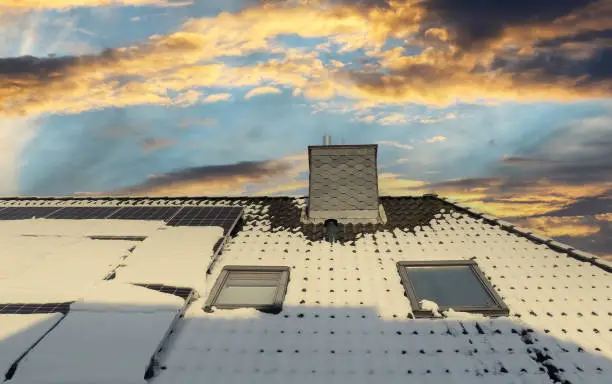
Weather can be a roof’s greatest test. From high winds to heavy snow, each season brings its own challenges, and being unprepared often leads to costly consequences. The good news? A proactive approach can extend the life of your roof and protect your home’s value.
- Understanding Seasonal Threats
- Pre-Storm Checks You Shouldn’t Skip
- After the Storm: Damage Assessment
- The Role of Roof Replacements in Long-Term Protection
- Reinforcing Roof Features for Better Weather Resistance
- Preparing for Extreme Heat
- Creating a Maintenance Schedule
- Partnering with Professionals
- Investing Now to Save Later
Understanding Seasonal Threats
Your location determines which weather patterns you’ll face most often, but every roof must be ready for sudden changes. In summer, intense heat can cause materials to dry out and crack. Autumn brings falling leaves that clog gutters. Winter’s freezing temperatures and ice dams add weight and stress, while spring storms test the roof’s ability to handle wind and heavy rain.
The best defense? Knowing what’s coming and planning ahead.
Pre-Storm Checks You Shouldn’t Skip
Before a major weather system moves in, walk the perimeter of your home and visually inspect the roof. Look for missing shingles, loose flashing, and debris. Even a small imperfection can become a major entry point for water during a storm.
It’s equally important to check attic ventilation and insulation. Poor airflow can trap moisture, leading to mold or rot. Make sure gutters and downspouts are clear to prevent water from backing up under the roofing material.
After the Storm: Damage Assessment
Once the weather clears, inspect your property for signs of damage. Missing shingles, dented gutters, and water stains on ceilings are all red flags. Even if the roof looks fine from the ground, hidden problems may be lurking. That’s why many homeowners turn to experts like Class Roofing, who can identify issues early and recommend preventative measures.
The Role of Roof Replacements in Long-Term Protection
Sometimes, repairs aren’t enough. Roofs have a natural lifespan, and replacing them before they fail completely can save you from far more expensive interior repairs. Choosing durable materials during roof replacements—such as impact-resistant shingles or metal roofing—offers greater resilience against hail, wind, and extreme heat.
A well-chosen replacement isn’t just about fixing what’s broken; it’s about upgrading to meet modern weather challenges.
Reinforcing Roof Features for Better Weather Resistance
You don’t always need a full replacement to improve storm resilience. Small upgrades can make a big difference:
- Hurricane straps: These connect the roof to the walls, improving wind resistance.
- Upgraded flashing: Prevents leaks in vulnerable areas like chimneys and valleys.
- Waterproof underlayment: Provides an extra layer of defense beneath shingles.
- Impact-resistant shingles: Reduce damage from hail and debris.
Preparing for Extreme Heat
While storms often get the most attention, heat can be just as destructive. Prolonged high temperatures can warp shingles and accelerate the breakdown of sealants. Consider reflective roofing materials during roof replacements to keep your home cooler and lower energy bills.
Light-colored shingles or metal roofing can also reflect sunlight, reducing thermal stress.
Creating a Maintenance Schedule
Weather preparation isn’t a one-time task. A regular inspection schedule keeps your roof ready for whatever nature throws its way:
- Spring: Check for winter damage and prepare for storms.
- Summer: Look for heat damage and ensure ventilation is adequate.
- Fall: Clear debris before winter sets in.
- Winter: Monitor snow accumulation and prevent ice dams.
Partnering with Professionals
While some tasks are manageable for homeowners, others require expert knowledge. Professional roofers bring not only tools and skills but also a trained eye for spotting vulnerabilities that aren’t visible from the ground. Working with a trusted roofing company ensures every season starts with your home in its best condition.
Investing Now to Save Later
The reality is that preparing your roof for extreme weather costs far less than repairing the damage after a major event. A proactive approach, whether it’s routine maintenance or timely roof replacements, strengthens your home’s first line of defense and provides peace of mind year-round.