Understanding the distance between blocks in a mile is essential for various practical reasons. Whether you’re planning a walk, a run, or trying to measure the distance between two locations in your city, knowing how many blocks make up a mile can be extremely useful. In this guide, we will answer this common question, explain the factors that influence block sizes, and provide tips on how to make use of this information in different situations.
What is a Block?
Before diving into how many blocks are in a mile, it’s important to define what a “block” is. In urban planning and geography, a block typically refers to the area between two streets, usually containing several buildings, and is often considered the basic unit of a city. While block sizes can vary from one city to another, there are some general guidelines we can follow to make an estimate.
The Standard Block Length
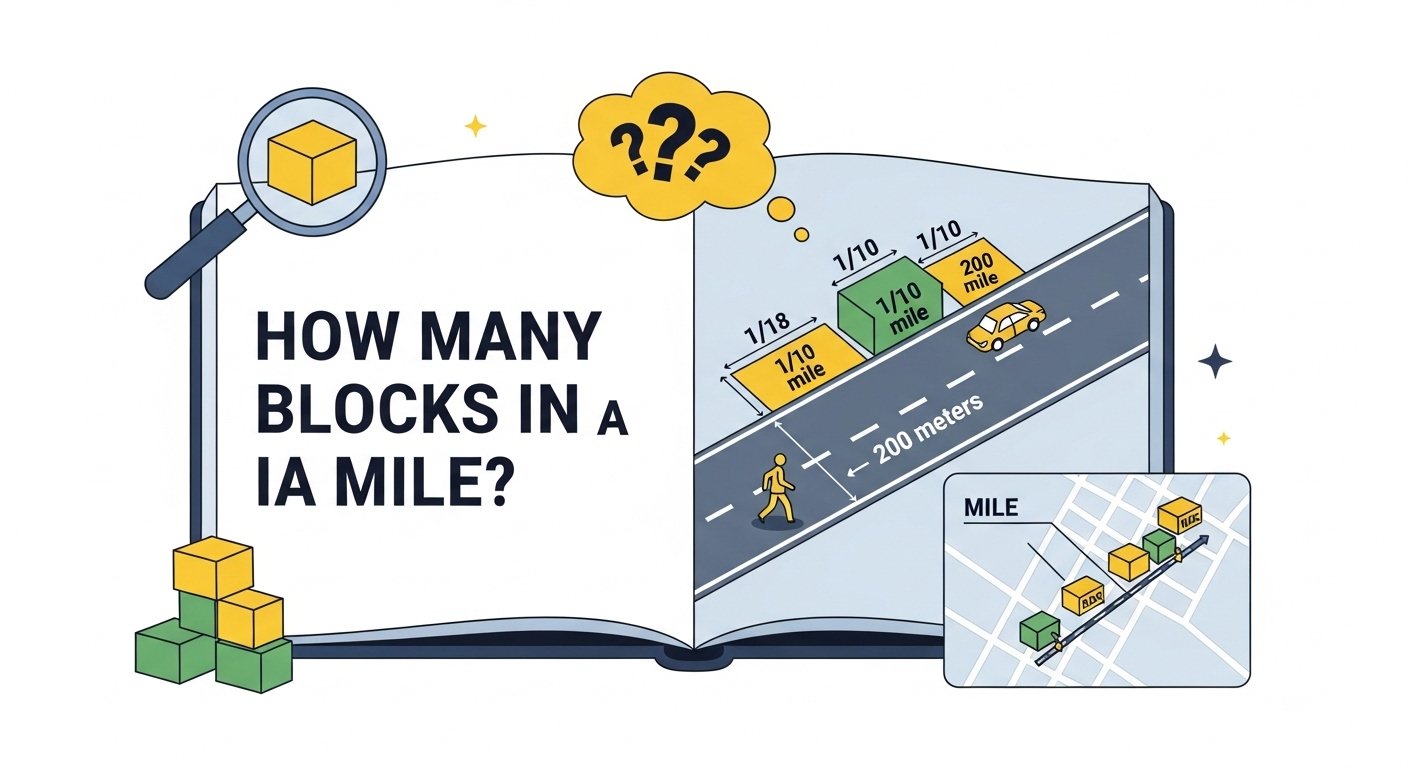
In many American cities, a block is typically around 1/10th of a mile, or approximately 528 feet (160 meters). This is based on the standard street grid layout found in cities like New York City. However, the length of a block can vary depending on the city, its layout, and whether the area is residential or commercial.
For example:
In New York City, blocks tend to be smaller, averaging 1/10th of a mile.
In Chicago, blocks are often longer, measuring around 1/8th of a mile.
In suburban areas, blocks may be larger, often reaching a quarter of a mile.
This variance is why the number of blocks in a mile can fluctuate depending on the location.
How Many Blocks Are in a Mile?
The number of blocks in a mile depends on the length of each block. Let’s break this down:
In New York City: A standard city block is approximately 1/10th of a mile, so you would need 10 blocks to make up a mile.
In Chicago or Other Cities with Larger Blocks: If the average block length is about 1/8th of a mile, then there would be 8 blocks in a mile.
In Suburban Areas: If blocks are approximately 1/4th of a mile long, you would need 4 blocks to make up one mile.
It’s important to remember that these are averages, and there can be exceptions based on the local urban planning and street layouts. However, these estimates will help guide you in understanding how many blocks you need to walk or drive to cover a mile.
Table of Average Block Lengths and Block Count per Mile
| City Type | Average Block Length | Blocks in a Mile |
|---|---|---|
| New York City | 1/10th of a mile | 10 blocks |
| Chicago | 1/8th of a mile | 8 blocks |
| Suburban Areas | 1/4th of a mile | 4 blocks |
| Rural Areas | Varies significantly | Varies |
Why Does Block Size Vary?
Several factors influence the size of blocks, such as the following:
1. City Layout and Design
Cities that were planned with a street grid system, like New York City, typically have smaller blocks. Other cities, particularly older ones, may have irregular street patterns and longer blocks.
2. Density of the Area
In densely populated cities, smaller blocks allow for more efficient use of space and better walkability. On the other hand, suburban areas tend to have larger blocks due to the lower population density and more space for homes.
3. Geographic Factors
Geography can also influence the size of blocks. Cities built on hilly or uneven terrain may have to adapt their block sizes to the landscape, which can result in varying block lengths.
4. Historical Factors
Older cities, especially those developed before modern urban planning techniques, often have non-standard block sizes. These cities may have developed organically without the strict grid system found in many modern cities.
How Can This Information Be Useful?
Knowing how many blocks are in a mile can be extremely useful for various everyday activities. Here are some examples:
1. Walking and Running
If you’re walking or running and want to cover a specific distance, knowing the number of blocks in a mile can help you gauge how far you’ve gone. For instance, if you’re running in New York City and want to run 3 miles, you’ll know to run 30 blocks.
2. Urban Navigation
If you’re exploring a new city and need to walk from one place to another, understanding the number of blocks in a mile can give you a better sense of distance. For example, knowing that 10 blocks equal a mile can help you estimate how long it will take to get to your destination.
3. Real Estate
Real estate agents and buyers can use the concept of blocks in a mile to estimate the proximity of properties to landmarks, schools, or commercial areas. It’s a quick way to communicate distance, especially in cities with a block-based street system.
4. Cycling and Biking
Cyclists often use block measurements to calculate how far they need to go on their rides. Knowing how many blocks equal a mile can help them map out their routes more effectively.
Common Misconceptions About Blocks and Miles
1. All Blocks Are the Same Size
As we’ve discussed, block sizes can vary significantly depending on the city and even within different neighborhoods of the same city. It’s important to avoid assuming all blocks are the same size.
2. The Mile is Always 5280 Feet
While it’s true that a mile equals 5280 feet, the conversion to blocks depends on the length of each block. In some cities, a block may be much shorter or longer than 528 feet, so the number of blocks in a mile will vary.
3. Suburban Blocks are Always Larger
While suburban blocks are often larger than those in cities, there are exceptions. Some suburban areas have smaller blocks, and urban areas can sometimes have larger blocks, depending on the specific urban planning strategy.
How to Measure Blocks in Your City
If you’re unsure about how long a block is in your area, there are a few ways to measure it:
Use a Map or GPS
Maps and GPS services like Google Maps can help you measure the distance between two points, and you can count the blocks along the way.Ask a Local
Locals often have a good sense of the city’s grid and can tell you how many blocks are in a mile.Measure it Yourself
If you want an accurate measurement, you can walk or drive from one point to another, counting the blocks along the way. You can use a pedometer or smartphone app to track your steps and get a precise measurement.
Conclusion: How Many Blocks in a Mile?
The number of blocks in a mile varies depending on the city, the design of the streets, and the area’s density. In urban areas like New York City, you can expect 10 blocks to make up a mile. In suburban areas, you might only find 4 blocks in a mile. The key takeaway is that block sizes can vary, so it’s important to adapt your understanding based on the location you’re in.
Now that you know how to measure and estimate blocks in a mile, use this knowledge to improve your navigation, walking, and real estate experience in any city you visit.
If you found this article helpful, don’t hesitate to share it with others or leave a comment below to let us know how you use block measurements in your daily life!