
.
Connect with us

Destinations

Top Things to Do in Aruba for Backpackers & Luxury Travelers

Published

on

Things to Do in Aruba

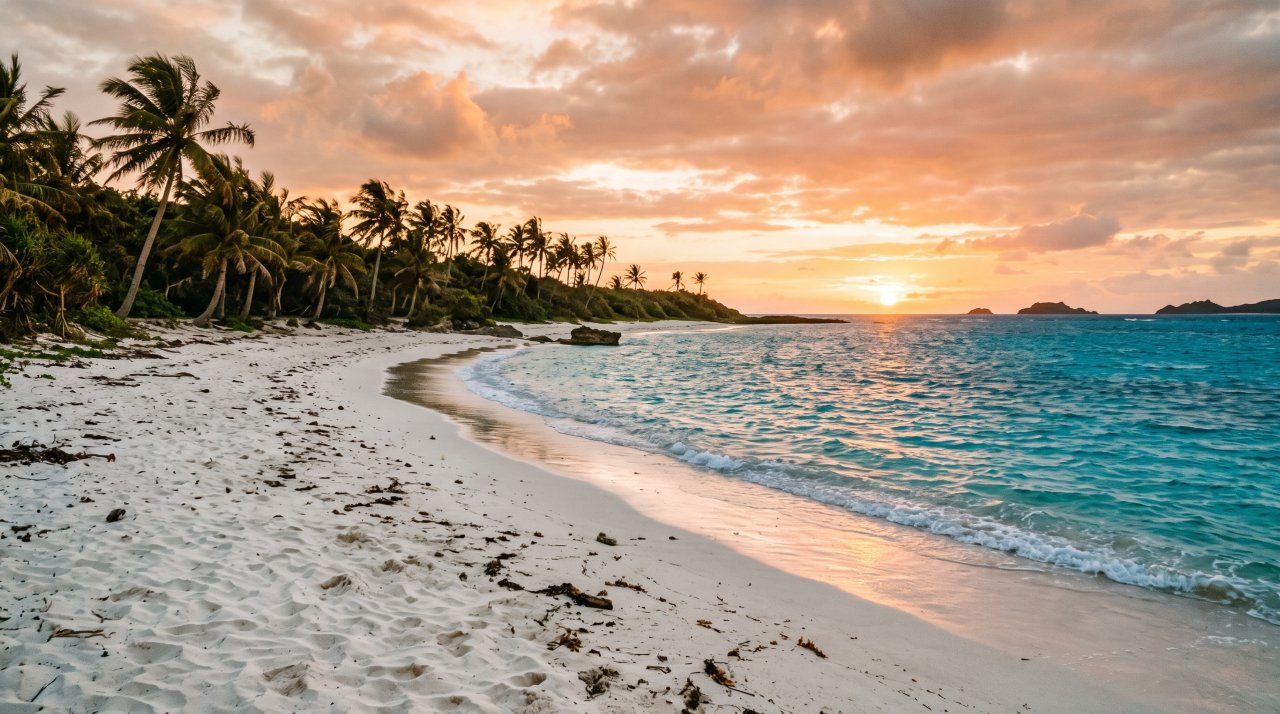
Aruba, an idyllic island in the southern Caribbean, is known for its pristine white-sand beaches, crystal-clear turquoise waters, and perfect weather year-round. Whether you’re a backpacker looking to explore nature, a luxury traveler seeking indulgence, or a family in search of fun activities, Aruba has something for everyone. With its vibrant culture, unique landscapes, and welcoming locals, Aruba stands out as one of the top destinations for all kinds of travelers.

Best Time to Visit Aruba

Aruba is a year-round destination, thanks to its consistently warm weather. However, timing your trip can make all the difference.

  • High Season (December to April): This is the best time to visit for ideal beach weather. Expect sunny days with little rain and a slight breeze. It’s also the most popular time, so you’ll find more tourists and higher prices.

  • Shoulder Season (May and November): These months offer a sweet spot with fewer crowds and still-pleasant weather. It’s a great time for budget-conscious travelers who want to avoid peak-season prices but still experience good weather.

  • Low Season (June to October): The least crowded time of year, but it’s also the rainy season. While the island still experiences some sunny days, there’s a higher chance of rainfall, and it’s also hurricane season.

Top 10 Must-Visit Attractions in Aruba

  1. Eagle Beach
    Known for its soft, white sand and clear water, Eagle Beach is often ranked among the best beaches in the world. It’s perfect for relaxing, sunbathing, or enjoying water sports.

  2. Arikok National Park
    Covering nearly 20% of the island, this national park is filled with trails, caves, wildlife, and historical landmarks. The park offers a diverse landscape, from desert-like areas to natural rock formations and ancient Arawak petroglyphs.

  3. The Natural Pool (Conchi)
    A secluded swimming spot surrounded by volcanic rocks, the Natural Pool is a must-see for adventure seekers. It’s only accessible by foot or off-road vehicle, making it a hidden gem for those willing to venture off the beaten path.

  4. Alto Vista Chapel
    This peaceful chapel, built in 1750, offers breathtaking views of the island. It’s a serene place for reflection and photography, especially at sunset.

  5. Palm Beach
    Famous for its upscale resorts and vibrant nightlife, Palm Beach is ideal for visitors looking to mix relaxation with adventure. Water sports, shopping, and beach bars are all available here.

  6. Baby Beach
    A calm, shallow lagoon perfect for families and novice swimmers. It’s great for young children and snorkelers, with an abundance of colorful fish.

  7. California Lighthouse
    Located on the island’s northern tip, this lighthouse offers panoramic views of the island. It’s a great spot to watch the sunset or take a hike along the nearby rugged coastline.

  8. Oranjestad
    The capital city of Aruba, Oranjestad, is known for its colorful Dutch colonial architecture, lively markets, and shopping districts. Don’t miss the chance to explore the city’s historic landmarks and vibrant streets.

  9. De Palm Island
    A small private island offering all-inclusive day trips with water parks, snorkeling, and other fun activities. Perfect for families and those seeking a resort-like experience with a twist.

  10. Aruba Aloe Factory
    Learn about the island’s iconic aloe vera products, from their history to how they’re made. You can also buy unique aloe-based products as souvenirs.

Local Cuisine Recommendations

Aruba’s cuisine is a delightful blend of Caribbean, Latin, and Dutch influences. Here are some dishes to try:

  • Keshi Yena: A traditional dish made of chicken, beef, or seafood stuffed in a large ball of cheese and baked. It’s one of Aruba’s signature dishes.

  • Sopi di Piska: A hearty fish soup made with fresh fish, vegetables, and herbs. It’s a favorite among locals and tourists alike.

  • Pastechi: A savory pastry filled with meat, cheese, or seafood. These are a popular snack or breakfast item.

Best Places to Try:

  • The Old Cunucu House offers a taste of traditional Aruban dishes in a rustic, homey setting.

  • Flying Fishbone is a beachfront restaurant where you can enjoy fresh seafood with your toes in the sand.

  • Diana’s Pancakes Place for sweet Dutch-style pancakes.

Transportation Tips

  • Airport Info: Queen Beatrix International Airport (AUA) is the main gateway to Aruba, with direct flights from North America and Europe.

  • Public Transport: Aruba’s public bus system is reliable but limited in coverage, mostly serving Oranjestad and the surrounding areas.

  • Car Rentals: Renting a car is the best way to explore the island, especially if you plan to visit the remote areas like Arikok National Park or the Natural Pool. Several car rental companies operate at the airport.

  • Taxis: Taxis are available but can be expensive. Make sure to agree on the fare before starting the ride.

Budget Breakdown

  • Budget Travelers: Expect to spend around $60-$100 per day for accommodation, food, and activities. Hostels or budget hotels are available, and you can enjoy local food from casual eateries.

  • Mid-Range Travelers: For around $150-$250 per day, you can stay in comfortable hotels or Airbnbs, dine at a variety of restaurants, and enjoy a mix of guided tours and attractions.

  • Luxury Travelers: If you’re looking for luxury, expect to spend $400+ per day. High-end resorts, fine dining, and private tours will make for an unforgettable experience.

Hidden Gems and Off-the-Beaten-Path Locations

  • Conchi (The Natural Pool): As mentioned earlier, this secluded spot is worth the effort to get there. It’s the perfect place to swim and enjoy the serenity of nature without crowds.

  • Mangel Halto: A quiet, underrated beach perfect for snorkeling, where you’ll find rich marine life and a peaceful atmosphere.

  • Seroe Colorado: A unique desert-like landscape offering amazing views of the island’s rugged coastline and the possibility of encountering wildlife.

Safety Tips and Cultural Etiquette

  • Safety: Aruba is considered one of the safest Caribbean islands, but like any tourist destination, always take basic precautions. Keep your belongings close, avoid isolated areas at night, and be cautious when swimming in the sea.

  • Cultural Etiquette: Aruba is a multicultural society, and locals are friendly and welcoming. English, Dutch, and Papiamento are the primary languages, but most people understand and speak English. Respect local customs, especially when visiting religious sites like the Alto Vista Chapel.

Sample Itinerary

3-Day Itinerary

  • Day 1: Explore Oranjestad, visit local markets, enjoy Palm Beach, and dine at Flying Fishbone.

  • Day 2: Visit Arikok National Park, hike to the Natural Pool, and relax at Baby Beach.

  • Day 3: Take a trip to De Palm Island, enjoy water sports, and end the day with a sunset at the California Lighthouse.

7-Day Itinerary

  • Day 1-2: Start with Oranjestad and the best beaches (Palm Beach, Eagle Beach).

  • Day 3-4: Spend two days exploring Arikok National Park, the Natural Pool, and Mangel Halto.

  • Day 5: A day trip to De Palm Island for water activities.

  • Day 6: Visit local cultural spots (Alto Vista Chapel, Aruba Aloe Factory).

  • Day 7: Relax on the less-visited beaches, like Baby Beach and Seroe Colorado, before departing.

Conclusion: Practical Travel Tips

  • Currency: Aruba uses the Florin (AWG), but US dollars are widely accepted.

  • Weather: Always carry sunscreen and stay hydrated. The sun is intense, even on cloudy days.

  • Language: English is widely spoken, but learning a few words in Papiamento, the local language, can enhance your experience.

Aruba is a paradise that offers the perfect balance of adventure and relaxation. Whether you’re diving into local culture or simply soaking up the sun, there’s no shortage of activities that will create lasting memories.


Continue Reading

Destinations

Mini Glasto, Major Fun: How the Isle of Wight Rocks for Families

Published

on

Mini Glasto, Major Fun: How the Isle of Wight Rocks for Families

Imagine the wind in your hair, music all around, kids laughing and dancing, and the sea just a stroll away.

That’s what it feels like to get tickets at the Isle of Wight Festival — the ultimate family-friendly music event that gives a nod to legendary festivals like Glastonbury Festival, but in a sweet, more manageable package.

Why it’s perfect for families

From toddlers to teens (and yes, grown-ups too), this festival pulls in a crowd where everyone can have fun together. There’s a dedicated kids zone called “Kidzone” with crafts, quiet spaces, story-times, and chill-out spots for little ones. It’s not just an add-on — it was built with families in mind.

There are also general camping areas with a relaxed vibe, home to families who’ve come to soak up music, nature, and time together.

One parent on Reddit described it simply: “It’s exceptionally family friendly… you’ll get 16-70s enjoying themselves.”

Getting tickets — what you need to know

Getting your tickets is easy, but there are a few smart moves to get the best experience:

  • Family & Children’s Tickets: Children under 12 often go free with a paying adult. That means big savings and fewer worries.
  • Choose your ticket type: You can buy a day ticket or a full weekend ticket (with camping). For full immersion and the real festival feel, the weekend ticket is the way.
  • Book early: The best tickets and camping spots go fast. If you wait too long you might face higher prices or fewer options.
  • Book children’s tickets at the same time as adults: Some ticket types require you to add kids at the time of adult booking. Don’t leave this for later.
  • Check age rules: Every child must be accompanied by an adult aged 18+ and you’ll need proof of age for the kids.
  • Camping vs day-trip: If you pick the camping option, consider bringing a small tent and some creature comforts. Families love the community feel in the camping fields.
  • Budget for extras: While tickets cover entry, you’ll want to plan for food, maybe some workshop fees or merchandise.
  • Ferry & accommodation: Since the festival is on an island, plan your transport and stay early. It makes a difference.

Why this is the “mini Glasto” for families

You get big-festival energy minus the overwhelming scale. Family-friendly activities pop up all over the site. You can bounce between the main stage headliners and the kids zone, where littler ones build cardboard creations, enjoy sensory pla,y or just relax in a toddler chill-out space.

Meanwhile, older siblings can check out live acts or hang with friends in safe zones. There’s also ease of access: You won’t feel like you’re lost in a sea of 50,000 strangers. You’ll be part of a buzzing atmosphere, yes, but still home with your family at the end of the day.

Quick checklist before you buy

  • Decide if you want day-pass or weekend & camping.
  • Make sure all family names and ages are added correctly in your booking.
  • Confirm sleeping/camping gear if you stay overnight.
  • Set a budget for food, fun zones, and perhaps upgrades.
  • Check travel logistics: ferry, shuttle, bags & access.
  • Bring ear protection for younger kids — loud music plus little ears need a bit of care.
  • Pack for weather: a bit of sunshine, a bit of rain — layers are your friend.

Final thoughts

There’s something magic about combining a music festival with a family trip: you’re not just watching bands — you’re making memories. The Isle of Wight Festival gives you that. It’s loud, colourful, full of life … and also safe for kids and friendly for parents.

Get your tickets early, plan the trip, and get ready for a soundtrack to your family’s best holiday yet. Let the music start. 🎉

Continue Reading

Destinations

Baton Rouge LA to New Orleans LA: A Comprehensive Travel Guide

Published

on

Baton Rouge LA to New Orleans LA

Embarking on a journey from Baton Rouge LA to New Orleans LA offers a rich tapestry of Louisiana’s culture, history, and natural beauty. Whether you’re a backpacker seeking adventure, a luxury traveler desiring comfort, a family on vacation, a digital nomad exploring new horizons, or an adventure seeker craving unique experiences, this guide caters to all.

Best Time to Visit

Spring (March–May): Ideal for pleasant weather and vibrant festivals like the Baton Rouge Blues Festival.

Fall (October–December): Offers cooler temperatures and fewer tourists, perfect for exploring at a leisurely pace.

Summer (June–August): Expect high humidity and temperatures, but it’s also festival season with events like Mardi Gras.

Winter (December–February): Milder temperatures and festive decorations, though some attractions may have reduced hours.

Top 10 Must-Visit Attractions

  1. Louisiana State Capitol (Baton Rouge): The tallest U.S. state capitol building, offering panoramic views from its observation deck.

  2. Old State Capitol (Baton Rouge): A Gothic Revival building housing a museum that delves into Louisiana’s political history.

  3. USS Kidd Veterans Museum (Baton Rouge): A World War II Fletcher-class destroyer turned museum, providing insights into naval history.

  4. St. Joseph Cathedral (Baton Rouge): A stunning example of Gothic Revival architecture, serving as the mother church of the Diocese of Baton Rouge.

  5. Magnolia Mound Plantation House (Baton Rouge): A French Creole house offering a glimpse into 18th-century Louisiana life.

  6. French Quarter (New Orleans): The historic heart of New Orleans, known for its vibrant nightlife, music, and architecture.

  7. Jackson Square (New Orleans): A historic park surrounded by landmarks like the St. Louis Cathedral and the Cabildo.

  8. National WWII Museum (New Orleans): An extensive museum detailing the history of World War II with immersive exhibits.

  9. Garden District (New Orleans): Famous for its well-preserved antebellum mansions and oak-lined streets.

  10. St. Charles Avenue Streetcar (New Orleans): A scenic ride through historic neighborhoods, offering a unique perspective of the city.

Local Cuisine Recommendations

  • Gumbo: A hearty stew with French, Spanish, and African influences. Try it at The Chimes in Baton Rouge.

  • Po’boys: A traditional sandwich filled with fried seafood or meats. Visit Parkway Bakery in New Orleans.

  • Beignets: Deep-fried pastries dusted with powdered sugar. Café du Monde in New Orleans is iconic.

  • Jambalaya: A Creole dish with rice, vegetables, and meat or seafood. Sample it at The Original Pierre Maspero’s.

  • Boudin: A sausage made from pork, rice, and spices. Check out The Best Stop Supermarket in Scott.

Transportation Tips

  • By Car: The drive from Baton Rouge to New Orleans via I-10 takes approximately 1.5 to 2 hours.

  • Public Transport: In Baton Rouge, the Capital Area Transit System (CATS) offers bus services. In New Orleans, the Regional Transit Authority (RTA) operates buses and streetcars.

  • Car Rentals: Available at Baton Rouge Metropolitan Airport and Louis Armstrong New Orleans International Airport.

  • Upcoming Rail Service: Amtrak plans to reintroduce passenger rail service between Baton Rouge and New Orleans, with operations expected to commence in 2027.

Budget Breakdown

  • Budget Travelers: $50–$100 per day. Opt for hostels, motels, and local eateries.

  • Mid-Range Travelers: $100–$250 per day. Stay in 3-star hotels, dine at mid-range restaurants, and engage in guided tours.

  • Luxury Travelers: $250+ per day. Enjoy 5-star accommodations, fine dining, private tours, and premium experiences.

Hidden Gems & Off-the-Beaten-Path Locations

  • Bluebonnet Swamp Nature Center (Baton Rouge): A serene spot for nature walks and wildlife observation.

  • Electric Depot (Baton Rouge): A revitalized space with local shops, eateries, and entertainment.

  • Bayou Sauvage National Wildlife Refuge (New Orleans): A vast wetland offering birdwatching and eco-tours.

  • St. Roch Market (New Orleans): A historic market turned food hall, showcasing local vendors.

Safety Tips & Cultural Etiquette

  • Safety: Both cities are generally safe for tourists. Exercise standard precautions, especially in crowded areas.

  • Cultural Etiquette: Embrace the local customs, such as greeting with a smile and tipping service workers appropriately.

  • Weather Awareness: Louisiana’s weather can be unpredictable. Stay hydrated and be prepared for sudden rain showers.

Sample Itineraries

3-Day Itinerary:

  • Day 1: Explore Baton Rouge’s historic sites and enjoy local cuisine.

  • Day 2: Drive to New Orleans, visit the French Quarter, and experience live jazz.

  • Day 3: Tour the National WWII Museum and relax in the Garden District.

7-Day Itinerary:

  • Day 1–2: Discover Baton Rouge’s attractions and dining spots.

  • Day 3: Visit nearby plantations and swamps.

  • Day 4–5: Head to New Orleans, exploring its neighborhoods and cuisine.

  • Day 6: Take a day trip to nearby towns like Lafayette or Houma.

  • Day 7: Relax and enjoy a leisurely day in New Orleans before departure.

Conclusion & Practical Travel Tips

  • Packing: Light, breathable clothing is recommended due to the warm climate.

  • Connectivity: Both cities offer reliable internet access, suitable for digital nomads.

  • Local Events: Check local calendars for festivals and events that may enhance your experience.

  • Health: Stay updated on any travel advisories or health guidelines.

Embarking on the Baton Rouge LA to New Orleans LA journey promises a blend of history, culture, and Southern hospitality. Whether you’re seeking adventure, relaxation, or cultural immersion, this route offers something for every traveler.

Continue Reading

Destinations

Things To Do In Lisbon: Everything You Need to Know

Published

on

Things To Do In Lisbon

Lisbon, the sun-kissed capital of Portugal, is a city that perfectly balances old-world charm with modern vibrancy. From its cobblestone streets winding through ancient neighborhoods to its cutting-edge architecture and bustling nightlife, Lisbon offers something for every kind of traveler. Whether you’re a backpacker looking for an affordable adventure, a luxury traveler seeking indulgence, or a family in search of cultural experiences, Lisbon has it all. In this comprehensive travel guide, we’ll take you through everything you need to know to make the most of your trip to this charming city.

Best Time to Visit Lisbon

Lisbon’s Mediterranean climate makes it a year-round destination. However, depending on what you’re looking for, the best time to visit may vary.

  • Spring (March to May): This is arguably the best time to visit Lisbon. The weather is mild, and the city isn’t as crowded as during peak summer months. Spring offers an ideal combination of pleasant weather and fewer tourists.

  • Summer (June to August): Lisbon can get quite hot in the summer, especially in July and August, when temperatures can soar above 30°C (86°F). However, the city comes alive with festivals, outdoor activities, and a vibrant nightlife. Expect larger crowds and higher prices.

  • Autumn (September to November): Like spring, autumn brings pleasant temperatures and fewer crowds, making it another fantastic time for sightseeing and exploring Lisbon.

  • Winter (December to February): Winters in Lisbon are mild, with temperatures rarely dropping below 10°C (50°F). It’s also the least busy time of year, so you can enjoy the city’s attractions without the summer crowds. However, some outdoor activities may be less appealing due to the occasional rain.

Top 10 Must-Visit Attractions in Lisbon

Lisbon’s attractions span centuries of history, with ancient monuments, museums, and views that will take your breath away. Here are the top 10 must-visit spots:

Belém Tower (Torre de Belém)

This iconic 16th-century tower, perched on the banks of the Tagus River, was once part of the city’s defense system. Its intricate architecture and historical significance make it a must-see.

Jerónimos Monastery

A UNESCO World Heritage site, this monastery is a masterpiece of Manueline architecture. The church inside is equally stunning, and the nearby café is famous for its traditional pasteis de nata (custard tarts).

Alfama District

Wander through the narrow alleys of Lisbon’s oldest neighborhood, Alfama. Here you’ll find colorful houses, Fado music playing from local bars, and panoramic views of the city from São Jorge Castle.

São Jorge Castle (Castelo de São Jorge)

Overlooking Lisbon, this medieval castle offers one of the best views in the city. Explore its ancient walls and lush gardens while taking in the sprawling city below.

LX Factory

A former industrial complex turned hip cultural hub, LX Factory is packed with trendy shops, restaurants, and street art. It’s a great place for a stroll or a unique shopping experience.

The National Tile Museum (Museu Nacional do Azulejo)

Discover the art of traditional Portuguese tiles at this museum, which is housed in a beautiful convent. The extensive collection traces the history of azulejos, which are an integral part of Portuguese culture.

Baixa District

Baixa is Lisbon’s downtown, filled with grand squares, neoclassical buildings, and wide avenues. Don’t miss the iconic Elevador de Santa Justa for a ride up to stunning panoramic views of the city.

The Oceanarium (Oceanário de Lisboa)

A fantastic spot for families and adventure seekers alike, the Lisbon Oceanarium is one of the largest in Europe. With a variety of aquatic species, it’s perfect for a day of exploration.

Praça do Comércio

Lisbon’s grandest square, located by the river, offers a chance to experience the city’s grandeur. The arches of the square lead to an array of impressive shops, restaurants, and historical buildings.

Carmo Convent (Convento do Carmo)

This Gothic convent was partially destroyed in the 1755 earthquake, leaving behind stunning ruins that now house an archaeological museum.

Local Cuisine Recommendations

Lisbon’s culinary scene is a fusion of fresh seafood, rich pastries, and hearty traditional dishes. Here are some local delicacies to try:

  • Bacalhau: Often considered the national dish of Portugal, Bacalhau (salt cod) is a staple in many Portuguese households. It’s prepared in various ways, but the most popular version is Bacalhau à Brás, a dish made with shredded cod, eggs, potatoes, and onions.

  • Pastéis de Nata: These creamy custard tarts are a must-try in Lisbon. The best place to sample them is Pastéis de Belém, a bakery that has been making them since 1837.

  • Amêijoas à Bulhão Pato: A delicious dish made with clams, garlic, olive oil, and fresh coriander, often served as a starter.

  • Ginjinha: A cherry liquor that’s popular in Lisbon. Try it at a local bar, where it’s often served in a small shot glass with a piece of fruit.

Transportation Tips

  • Airport: Lisbon’s main airport, Humberto Delgado Airport, is located about 7 km from the city center. It’s easily accessible via metro, bus, or taxi.

  • Public Transport: Lisbon has an extensive and efficient public transport network, including buses, trams, and the metro. The Lisboa Card offers unlimited access to public transport and discounts on attractions.

  • Trams: A must-do in Lisbon, the iconic yellow trams snake through the city’s hilly streets. The famous Tram 28 route passes through many of the city’s top attractions.

  • Taxis & Ride-Sharing: Taxis are readily available, but for a more affordable and convenient option, use Uber or Bolt.

Budget Breakdown

  • Budget Travelers: €30-€50 per day. You can explore Lisbon on a budget by opting for affordable accommodation (like hostels), eating at local cafés, and using public transportation.

  • Mid-Range Travelers: €80-€150 per day. Stay in 3- or 4-star hotels, enjoy sit-down meals at restaurants, and use taxis or trams for transport.

  • Luxury Travelers: €200+ per day. Stay in luxury hotels, dine in high-end restaurants, and enjoy private tours or private transport.

Hidden Gems & Off-the-Beaten-Path Locations

While Lisbon’s main attractions are stunning, there are plenty of lesser-known spots that deserve attention:

  • Miradouro da Senhora do Monte: A hidden viewpoint that offers one of the best panoramic views of the city.

  • Street Art in Bairro Alto: Wander through the streets of Bairro Alto and discover hidden murals and graffiti by local artists.

  • The Greenhouse at Gulbenkian Gardens: Escape the hustle and bustle of the city and relax in the serene Gulbenkian Gardens, complete with a beautiful greenhouse.

Safety Tips & Cultural Etiquette

  • Safety: Lisbon is generally a safe city, but like any major tourist destination, be cautious of pickpockets, especially in crowded areas or on public transport.

  • Cultural Etiquette: Portuguese people are friendly and polite. When greeting someone, a handshake is common, and it’s polite to say “Bom dia” (Good morning) or “Boa tarde” (Good afternoon). Avoid discussing politics, and always be respectful of the local customs.

Sample Itineraries

  • 3-Day Itinerary:

    • Day 1: Explore Belém Tower, Jerónimos Monastery, and enjoy a pastel de nata at Pastéis de Belém. End the day at LX Factory for dinner.

    • Day 2: Spend the day exploring Alfama, visit São Jorge Castle, and enjoy dinner with a Fado performance.

    • Day 3: Take a tram ride through Baixa, visit the Carmo Convent, and end the day at Praça do Comércio.

  • 7-Day Itinerary:

    • Days 1-3: Follow the 3-day itinerary above.

    • Day 4: Visit the Oceanarium, explore the modern side of the city in Parque das Nações, and enjoy a river cruise.

    • Day 5: Take a day trip to Sintra, visit Pena Palace, and explore the town.

    • Day 6: Spend the day in the trendy Bairro Alto neighborhood, visit the Mercado da Ribeira, and explore the local shops.

    • Day 7: Relax in the Gulbenkian Gardens and enjoy a leisurely afternoon at one of Lisbon’s stunning viewpoints.

Conclusion: Practical Travel Tips

  • Language: While Portuguese is the official language, English is widely spoken in tourist areas.

  • Money: Lisbon uses the Euro (€), and ATMs are available throughout the city.

  • Stay Connected: Free Wi-Fi is available in many cafes, hotels, and public spaces.

  • Local SIM Card: If you’re staying for an extended period, consider buying a local SIM card for internet and calls.

Whether you’re exploring Lisbon’s historic sites, indulging in its culinary delights, or soaking up the city’s vibrant culture, there’s no shortage of things to do in Lisbon. This city caters to all types of travelers, from budget-conscious backpackers to those seeking luxurious experiences. Make sure to plan and immerse yourself in the rich beauty that Lisbon has to offer!

Continue Reading

Trending