Assisted living communities have become a cornerstone in supporting seniors seeking independence and care. These settings are strategically designed to offer assistance with daily activities such as bathing, dressing, and medication management while promoting an enriched lifestyle through social and recreational opportunities. This balance is pivotal as it respects residents’ autonomy and ensures that their health and safety needs are adequately met.
The distinction between assisted living and other forms of senior housing, such as nursing homes or independent living, lies in the level of care and involvement. Whereas nursing homes are equipped for individuals requiring extensive medical care, assisted living facilities focus on personal care and supportive services. This structured yet flexible approach allows residents to maintain their independence while benefiting from the security of on-hand care and community engagement.
Personalized Care Plans
Creating a genuinely nurturing environment in assisted living scenarios begins with developing personalized care plans. These plans are crafted meticulously, respecting each resident’s unique health conditions, preferences, and lifestyle choices. The process involves thorough initial assessments and ongoing evaluations to ensure that care strategies remain relevant and practical. Such proactive adjustments to care plans mean that residents receive precisely what they need, allowing them to live comfortably and confidently. When families explore options like Beacon Specialized Living or similar communities, understanding the defining features and innovations becomes crucial in making informed decisions.
Caregivers are at the core of implementing these plans. Their dedication and close interactions with residents foster a sense of trust and reliability. Caregivers ensure that each resident feels valued and understood by working collaboratively with healthcare professionals and family members, enhancing their overall quality of life. Additionally, personalized care facilitates smoother transitions for seniors moving into assisted living, as immediate needs are quickly addressed, making the new setting feel welcoming and supportive.
Technological Advances in Assisted Living
Technology emerges as a game-changer in assisted living, offering innovative solutions that considerably enhance residents’ lives. Facilities increasingly leverage technology like electronic health records, monitoring systems, and communication tools to streamline operations and improve care quality. These advancements not only assist staff in monitoring residents’ health but also empower the residents themselves to lead more independent lives.
One significant area of improvement is the use of digital health tools that facilitate easy access to healthcare services and real-time health monitoring. Such tools can significantly reduce emergency incidents and provide residents and their families with peace of mind. Staying updated with the latest digital healthcare innovations ensures that assisted living communities remain competitive and effectively cater to their residents’ needs. Furthermore, wearable technology, like fitness trackers and alert systems, enhances personal safety and wellness by capturing health data continuously, allowing for proactive health management.
Importance of Community Engagement and Social Activities
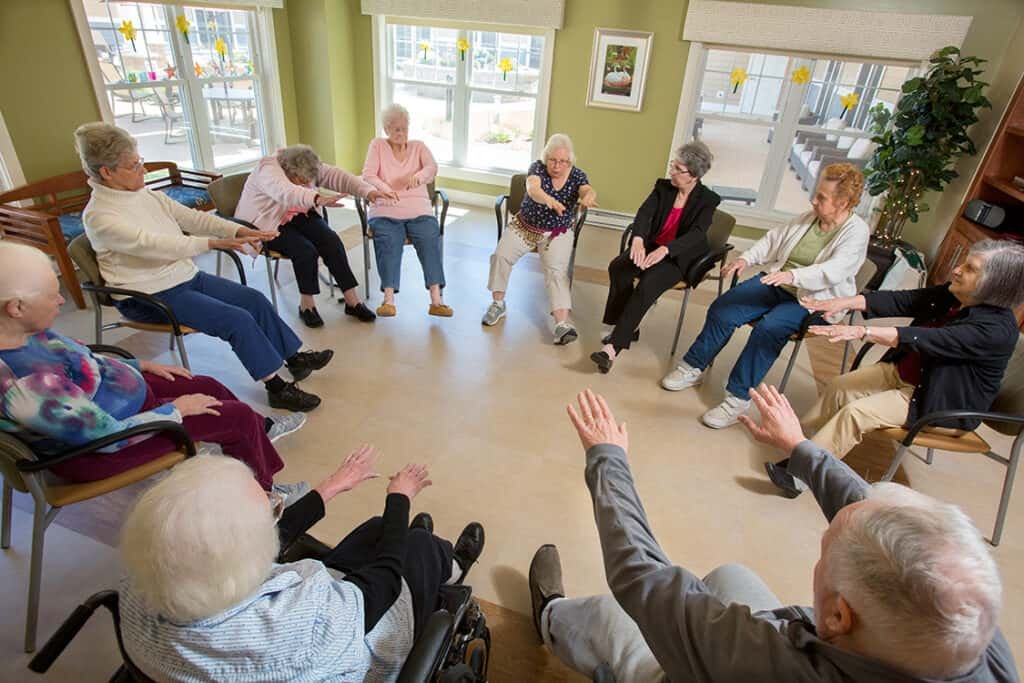
Community engagement and social activities are vital to a high-quality assisted living experience. Facilities promote physical and psychological health by offering a range of carefully curated activities—from arts and crafts to fitness groups and reading clubs. These programs facilitate essential social interaction, helping residents develop friendships and a supportive community network.
Regular participation in social activities is shown to alleviate feelings of isolation and depression, which are common among seniors. This renewed sense of community contributes to a happier, healthier lifestyle, ensuring that residents remain vibrant and engaged community members. Innovative program offerings, such as intergenerational activities with local schools or virtual reality travel experiences, further enrich the social calendar and provide refreshing and diverse experiences for residents.
Nutritional and Culinary Enhancements
Nutritional care plays a pivotal role in the health and well-being of seniors in assisted living facilities. Recognizing the importance of a balanced diet, many facilities now employ chefs and nutritionists who specialize in creating delicious and nutritional meals tailored to the dietary needs of elderly residents. Menus are designed to provide essential nutrients for maintaining energy, supporting bone health, and preventing chronic illnesses.
Moreover, facilities often accommodate specific dietary restrictions and preferences, ensuring that residents receive meals that meet their health requirements and that they enjoy them. Culinary innovations, including farm-to-table options and international cuisines, enrich dining experiences and can be a significant highlight of a resident’s day. Residents may also have the opportunity to participate in cooking classes or gardening clubs, offering a hands-on approach to nutritional education that is both enjoyable and beneficial.
Design and Infrastructure Improvements
Constant advancements in the design and infrastructure of assisted living communities ensure that spaces are safe, inviting, and comfortable. Architectural designs emphasize accessibility, featuring practical elements such as wide corridors, ramps, handrails, and non-slip flooring. These aspects are fundamental in preventing falls and enhancing mobility.
Moreover, incorporating innovative architecture brings sophisticated aesthetics emphasizing natural light, open spaces, and connections to nature. These elements contribute significantly to a positive living environment, enhancing residents’ mental and emotional well-being by creating spaces that feel more like home than institutional settings. Green spaces and outdoor areas are also priority additions, offering residents the therapeutic benefits of nature while supporting a lifestyle of activity and engagement.
Safety and Security Features
Safety and security remain top priorities within assisted living facilities. Sophisticated monitoring and alert systems are now standard, providing residents and families with continuous peace of mind. These systems often include emergency call buttons, motion sensors, and automatic lighting, all designed to ensure resident safety without hampering their independence.
Comprehensive emergency preparedness plans are also integral, enabling staff and residents to respond swiftly and effectively to various potential situations, medical emergencies, or natural events. This proactive approach protects residents and reinforces a community safety and security culture. Staff training sessions and informational workshops for residents ensure everyone is well-prepared and confident in emergency protocols, enhancing the overall safety environment.
Conclusion
The comprehensive enhancements found in modern assisted living communities play a crucial role in fostering an environment where residents can physically and mentally thrive. Combining personalized care plans, technological advancements, engaging social activities, and thoughtfully designed infrastructures contributes to high living standards. As families navigate the options available for their aging loved ones, understanding these attributes is essential in making informed decisions to ensure a fulfilling and supported living experience for their relatives.