Entertainment
Disney Plus Password Sharing Crackdown: What’s Changing

In the age of digital streaming, password sharing has become a widely accepted—though unofficial—practice among friends and families. For years, users asked, “Does Disney Plus allow password sharing?” While the answer was never a clear yes, it was mostly tolerated. That era, however, is coming to an end. Starting in 2024 and ramping up through 2025, Disney Plus is cracking down on password sharing in a big way.
So, can you share Disney Plus password now? What’s changing, and how will it affect users who are accustomed to logging in from multiple households? Here’s everything you need to know about the new policies, enforcement methods, and how to adapt.
Why Is Disney Cracking Down on Password Sharing?
The crackdown isn’t unique to Disney. Other major streamers like Netflix and Hulu have already started limiting account sharing to boost subscription growth and revenue. Disney is following suit as part of its broader strategy to strengthen Disney Plus as a profitable streaming platform.
CEO Bob Iger has stated publicly that account sharing is “a significant issue” impacting earnings. With content budgets rising and competition tightening, Disney needs every subscriber it can get. Preventing free access to premium content through password sharing is one way to convert freeloaders into paying users.
So, while the question “does Disney Plus allow password sharing?” used to have a gray area, the answer now is a clear no, at least not across multiple households.
Timeline of Disney Plus’s Password Sharing Crackdown
The crackdown began quietly in late 2023 with a revised user agreement in some regions. Then, in early 2024, Disney rolled out alerts and reminders in select markets, informing users of the coming changes.
By mid-2024, Canada and parts of Europe saw the first real enforcement efforts. By early 2025, the U.S. and other major markets were included. As of Q3 2025, Disney has made it clear that password sharing outside of a household violates its terms of service.
The new policy applies to all Disney-owned platforms, including Hulu and ESPN+, and is being rolled out in phases to ensure a smoother transition for users.
What Are the New Rules and Options?
To balance enforcement with user retention, Disney Plus has introduced several options and features that reflect similar changes seen with Netflix. Here’s what you need to know:
1. The “Extra Member” Program
Disney Plus is now offering a paid option to add users outside your household. This feature—referred to as the “Extra Member” or “Add a Member” program—allows primary account holders to add additional users for a small monthly fee (often $3–$8 depending on the region).
Each added member gets their own login and personalized profile, but it’s still tied to the main account’s billing.
2. Profile Transfer Option
Have you been sharing someone else’s Disney Plus account? Don’t worry—you won’t lose your watch history, favorites, or recommendations. Disney has introduced a Profile Transfer feature, allowing users to move their existing profile to a new standalone subscription.
This feature is intended to make the transition smoother for users being “pushed out” of shared accounts due to the crackdown.
3. Household Definition and Travel Provisions
Disney Plus now defines a “household” as people living at the same primary residence. This definition is enforced based on IP address, device IDs, and login patterns.
But what if you travel or move frequently?
The platform allows some flexibility:
- You can update your household through account settings.
- There’s an “I’m away from home” option to temporarily access your content from another location.
- For uninterrupted access during travel, you can also use the offline viewing feature.
For this, tools like the Disney Plus downloader can come in handy. It lets users download shows and movies to watch on the go—perfect for travel or commutes.
How Is It Enforced Technically?
Disney Plus uses several backend technologies to detect unauthorized account sharing. Here are a few ways the system works:
- IP Address Tracking: Disney monitors where the account is being accessed. If multiple logins occur frequently from geographically distant IP addresses, it may trigger a flag.
- Device ID Monitoring: Each device has a unique ID. Disney uses this to determine if a device has previously been linked to the primary household.
- Behavioral Analysis: Unusual activity—like excessive logins from multiple states or countries—can prompt account restrictions or notifications.
Disney hasn’t yet implemented biometric verification or PIN-based logins, but some industry experts predict these may appear in the future.
Once a violation is detected, the account holder may:
- Be prompted to verify their household
- Receive a warning
- Be required to remove unauthorized devices
- Be asked to sign up for the Extra Member plan
Travel and Moving Considerations
Understandably, many users are concerned about what happens if they travel often or relocate.
Disney has designed some flexible options for legitimate users who aren’t trying to cheat the system:
1. Update Your Household
If you’re moving, simply update your primary household in your account settings. This tells Disney to reset your “home base” so that all new logins are aligned with your new IP.
2. Use the “I’m Away from Home” Function
When you’re on vacation or temporarily staying elsewhere, Disney allows short-term access from a secondary location. This is done via the “I’m away from home” function, which you can activate manually through the app or website.
3. Download Content to Watch Offline
If you’re concerned about streaming access while on the move, consider downloading shows in advance. While the native Disney Plus app allows offline downloads, you can also use tools like the best Disney Plus downloader to save high-quality content across devices for flexible viewing—no internet required.
This is especially useful for flights, road trips, or regions with limited internet access.
Conclusion
The question “Can you share Disney Plus password?” now comes with a firm caveat: Only within your household. Disney’s password sharing crackdown is designed to convert borrowed access into paid subscriptions, following a trend that’s reshaping the streaming industry.
While it may be inconvenient for those accustomed to sharing accounts across friends or extended families, Disney has introduced options to ease the transition—like profile transfers, extra member features, and household management tools.
For frequent travelers or users looking to maintain flexibility, downloading content for offline access using tools like the Disney Plus downloader is a smart move.
As the streaming landscape changes, adapting to new policies will be key—but so is making sure your entertainment remains seamless, personalized, and accessible.
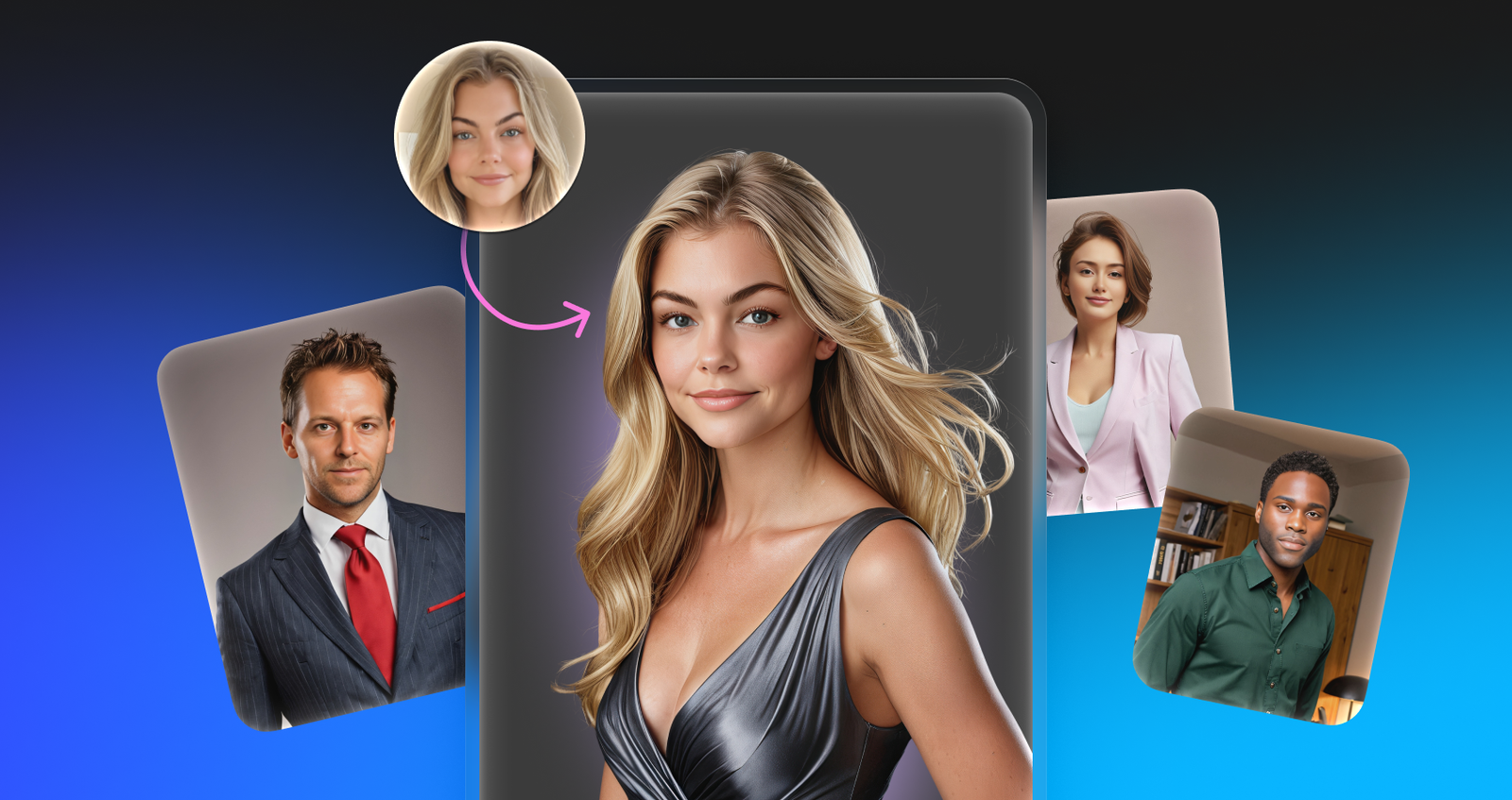
Face changing technology has moved past chaotic social media filters. It’s no longer just a novelty; it’s a viable asset for digital imaging pipelines. The term “deepfake” often brings up concerns about misinformation, but the underlying tech offers serious utility for designers, marketers, and content managers. The question for professionals isn’t about capability anymore. It’s about application: How do we use Face Swapper responsibly without crossing ethical lines or sacrificing quality?
Face Swapper by Icons8 bridges the gap between casual mobile apps and grueling manual editing. It uses generative AI to create new pixel data rather than just stretching a source image over a target. The goal is high-resolution results that actually stand up to commercial scrutiny.
Understanding the Generative Mechanism
Don’t think of this tool as a literal “cut and paste.” It’s smarter than that. When you upload a source face and a target body, the AI analyzes facial landmarks on both images. Then, it generates a completely new face that sits “in between” the two identities.
The resulting image keeps the lighting, skin tone, and angle of the target photo but adopts the facial features of the source. This distinction matters. You aren’t getting a pixel-perfect clone; you get a synthetic approximation. That synthesis lets the tool handle different head poses, from front-facing to side portraits, where a simple copy-paste would fail.
Scenario 1: Localizing Marketing Assets
Global marketing teams often struggle to localize visual assets without blowing the budget on multiple photoshoots. A campaign featuring a model that resonates with a North American audience might not connect as well in East Asian or European markets.
Here, a content manager starts with a licensed, high-quality stock photo. The composition and lighting are perfect, but the demographics need an adjustment for a specific regional launch.
The manager uploads the primary campaign image to Face Swapper. They select a source face-either a custom upload of a hired model or a generated face from a library. The tool swaps the faces but preserves the original lighting and grain of the stock photo. Since Face Swapper supports output resolutions up to 1024px, the resulting image remains crisp enough for web use and digital brochures. Brands can maintain visual consistency across regions while ensuring cultural relevance.
Scenario 2: Privacy and Anonymity in Case Studies
Designers in sensitive sectors like healthcare, legal tech, or social services face a dilemma. You need human imagery to make designs empathetic, but you can’t use photos of real patients or clients due to privacy regulations.
Blurring faces or slapping black bars over eyes ruins the aesthetic. It dehumanizes the subject. In this context, the “in-between” generation nature of the tool acts as a privacy feature.
Imagine a UX designer creating a case study for a medical portal. They have photos from a user testing session. To publish these findings without violating consent forms, the designer uploads the session photos. They swap the participants’ faces with AI-generated “non-existent” people. The result preserves the emotional context-the smile, the frustration, the engagement-but masks the biometric identity of the original subject.
Using an ai face swap tool keeps the human element intact while rendering the individuals unrecognizable. You can view history and re-download images without extra GPU costs, so processing an entire session becomes a quick batch task.
A Narrative Example: The Team Photo Rescue
Meet Quinn, an operations manager at a logistics firm. It’s website update week, and the team just spent an hour organizing a group photo. Lighting was difficult. Getting twelve people to look at the camera simultaneously proved impossible.
The best take has great lighting and smiles from eleven people. But the CEO is mid-blink and talking. Quinn has a decent solo headshot of the CEO taken five minutes later, but the background is totally different.
Quinn opens Face Swapper in the browser.
- Input: Quinn drags the group photo (the target) into the upload zone. The 4MB JPG is well within the 5MB limit.
- Selection: The interface detects all twelve faces. Quinn clicks the CEO’s blinking face.
- Source: Quinn uploads the good solo portrait.
- Processing: The AI maps the open eyes and closed mouth of the solo shot onto the body and lighting of the group shot.
- Refinement: The swap looks accurate, but the skin tone shifted slightly due to harsh office lighting. Quinn re-uploads the result and uses the “Skin Beautifier” trick-swapping the face with itself-to smooth out artifacts.
- Download: The final image is ready. Resolution is preserved, and the team page gets updated without scheduling a reshoot.
Comparing the Landscape
Professionals have three main avenues for face swapping. Each has trade-offs.
Manual Compositing (Photoshop)
This is the traditional route. It offers 100% control and works at any resolution. But it requires serious skill in color matching, perspective warping, and blending layers. A realistic swap can take 30 minutes to an hour per face. It’s the right choice for billboard-print quality but inefficient for volume.
Mobile Apps (Reface, FaceApp)
Built for virality. They are fast and handle video well, but they aggressively compress images. The output is usually low-resolution, and privacy policies regarding data usage can be questionable. Rarely suitable for professional workflows.
Icons8 Face Swapper
This tool sits in the middle. It automates blending and color matching like the mobile apps but prioritizes higher resolution (1024×1024 px for faces) and data privacy. Images get deleted permanently after a set period. It removes the manual labor of Photoshop but offers better quality assurance than viral apps. Ideal for web graphics, presentations, and mockups.
Limitations and When to Avoid
Even with advanced AI, the tool has technical boundaries. Respect them to avoid uncanny valley results.
- Occlusion Issues: The AI struggles with obstructed faces. If a subject has a hand over their mouth, wears a heavy mask, or has hair falling directly across their eyes, the swap will likely fail. The AI attempts to generate a whole face and doesn’t know how to put the hand back on top.
- Extreme Angles: The documentation warns about 3/4 head positions. In practice, profiles are hit-or-miss. The AI has less data to work with when only one ear and one eye are visible.
- File Constraints: The 5MB file limit means raw photography from a DSLR needs compression before uploading. Output quality is good, but you can’t feed it massive 50MB TIFF files directly.
Practical Tips for Best Results
The “Beautifier” Hack
If a photo has noise or minor blemishes, use Face Swapper as a retouching tool. Upload a photo, select a face, and then upload the exact same photo as the source. The AI regenerates the face based on itself. This often smooths out skin texture and reduces noise.
Leverage Integrations for Print
If the 1024px output isn’t enough for a print brochure, don’t rely on simple resizing. The tool integrates with the Smart Upscaler. Run the swap first. Then, pass the result through the Upscaler to increase resolution and recover detail before sending it to layout.
Manage Your History
For privacy-conscious projects, remember that images are stored securely but remain accessible via your history. Working on a confidential project on a shared machine? Manually clear the history immediately after downloading your assets. Otherwise, images auto-delete after 30 days.
Batch Processing Strategy
Need to process a large number of headshots? Creating a uniform look for a company directory is a great use case, but performance can degrade with massive batches in the browser. Process them in groups of 5-10. This ensures the browser doesn’t time out or lag.
Face Swapper moves the mechanism from “entertainment” to “utility.” Understand the generative nature, respect the limits regarding occlusion, and you can save hours of manual retouching time.

Something interesting is happening in travel. People are tired of the same all-inclusive resorts, the crowded beaches, the noise. They want something slower, more grounded, more real.
And that’s why horse riding holidays are quietly making their return.
It’s not about luxury or adrenaline. It’s about connection. With nature, with animals, and with yourself.
The shift towards slower travel
Over the last few years, more travellers have started to value experience over spectacle. They want to feel part of a place, not just pass through it. Horse riding fits that perfectly.
You move at a pace that lets you see the landscape properly. You smell the fields, hear the birds, and feel the weather on your skin. It’s travel that makes you present. You can’t rush a horse or check your phone mid-ride. You have to be there, fully.
That kind of focus has become rare. But it’s what makes these holidays so different from anything else.
The countryside feels more alive from horseback
When you’re on a horse, the world opens up in a way cars and trains never allow. You can cross hills, rivers, and open fields that most people only see from a distance.
Each ride is a slow unfolding of colour and sound. You see the texture of the land, the shift of light through trees, the small details that get missed when you move too fast.
Riding in places like rural Scotland takes this even further. You feel the wildness, the clean air, and the deep quiet that sits between the wind and the grass. It’s travel stripped back to its simplest form.
Comfort still matters
Of course, not everyone wants to rough it. That’s where places like The Scottish Equestrian Hotel come in.
It’s a riding hotel that blends the adventure of the countryside with the warmth of real comfort. You spend the day outdoors, riding through some of the most scenic parts of Scotland, then return to good food, soft beds, and friendly faces.
It’s the kind of stay that balances activity with ease. You’re not camping in the rain or eating out of a tin. You get the freshness of the ride and the calm of a proper rest.
Horses make the experience personal
No two rides are ever the same because no two horses are the same. That’s part of the beauty. You build a quiet partnership with the animal you ride. It responds to your energy, your confidence, your mood.
For many people, that connection is what stays with them most. Horses don’t care about your job or your worries. They live in the moment, and when you’re with them, you start to do the same.
There’s something honest about that relationship. It’s built on trust, not words. And when you ride together through open countryside, that bond becomes something you remember long after the holiday ends.
Great for beginners and experienced riders alike
You don’t need years of experience to enjoy a riding holiday. Most centres welcome complete beginners. The rides are tailored to your ability, and the pace is gentle enough for anyone to join in.
For experienced riders, it’s a chance to explore new terrain, refine technique, and connect with well-trained horses in a supportive setting.
At The Scottish Equestrian Hotel, guests can choose from different levels of riding and enjoy instruction from friendly, qualified guides who care deeply about both horses and people.
It’s good for your body and your mind
Riding is physical, but not in a punishing way. It builds strength, balance, and coordination. Your core works constantly to keep you stable, and your posture naturally improves.
But the real benefits are often mental. Riding demands focus, yet it’s calming at the same time. You forget about your phone, your inbox, and the background noise of everyday life.
There’s a reason so many people describe it as therapy without the talking. The rhythm of the horse, the air, the quiet — it all helps reset something inside.
Ideal for couples, families, or solo travellers
A riding holiday can be whatever you want it to be. For couples, it’s time spent together doing something shared and meaningful. For families, it’s a way to get the kids away from screens and into nature.
And for solo travellers, it’s one of the easiest ways to meet people. There’s an instant sense of community among riders. You share trails, laughs, and small victories. Everyone looks out for each other.
That sense of belonging is part of what keeps people coming back.
It reconnects you to a simpler kind of joy
Maybe the reason horse riding holidays feel so right just now is because they strip life back to what matters. You wake up early, eat well, move your body, and spend time outside. You care for an animal that trusts you back. You fall asleep tired, not from stress but from air and movement.
It’s a rhythm that makes sense. It’s how we’re meant to feel — connected, grounded, alive.
The growing trend of mindful travel
Wellness retreats have been popular for years, but horse riding adds something more tangible. It’s not about spa treatments or silence. It’s about action and reflection at the same time.
You engage your body, steady your mind, and let the landscape do the rest. That combination has made riding holidays one of the quiet successes of modern travel.
They don’t shout for attention. They simply work.
A lasting kind of peace
Most people leave a riding holiday feeling changed in small but lasting ways. There’s a calmness that stays. A steadier pace in how you move through life.
Once you’ve felt the rhythm of hooves on an open trail, it’s hard to go back to the rush. You start to crave that simplicity again — the space, the silence, the slow unfolding of the day.
And maybe that’s why horse riding holidays are making a comeback. Because they remind us of something we’ve forgotten. That peace doesn’t come from getting away from life, but from moving through it at a gentler pace.
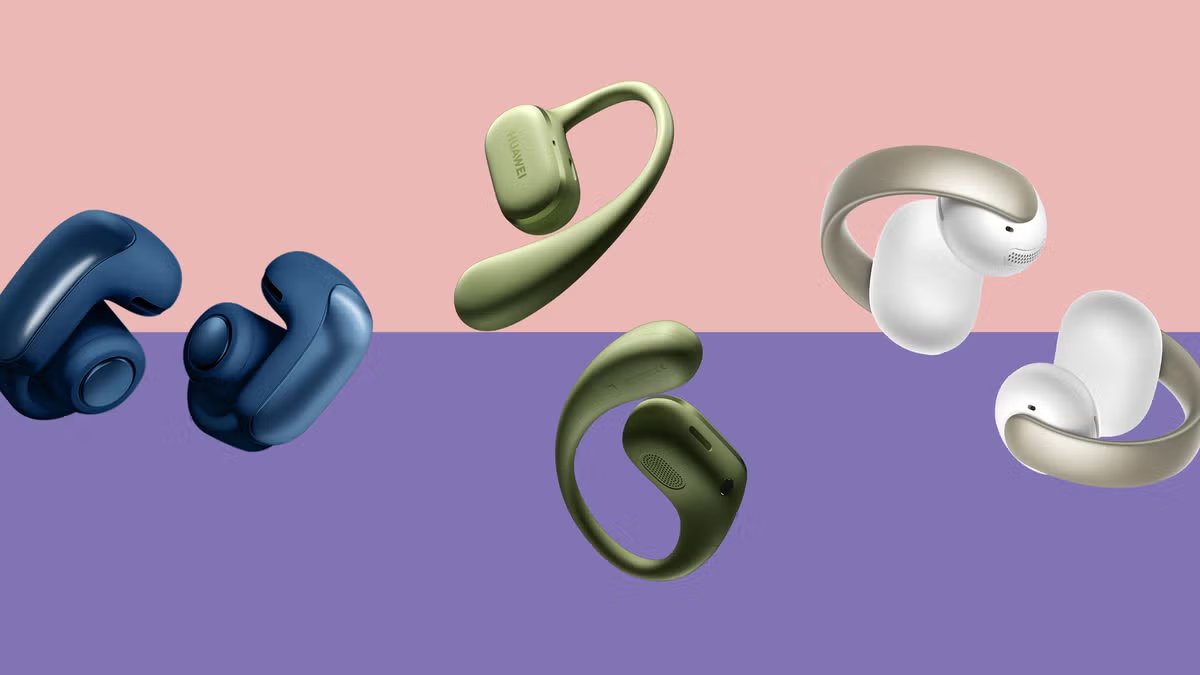
When you think about earbuds, the first thing that comes to mind is usually those tiny in-ear models that slip right into your ears. They’re small, light, and easy to carry around. But if you’ve ever had them fall out during a workout or cause discomfort after long use, you already know they aren’t perfect. That’s where over ear earbuds come in.
These earbuds are designed with a hook or band that goes around your ear, giving you more security and comfort. They’ve been gaining popularity recently, especially among people who exercise regularly or just want something more reliable than traditional in-ear buds.
In this article, I’ll walk you through why over ear earbuds are worth considering, how they compare to other styles, and what to look for before buying a pair.
What makes over ear earbuds different?
Unlike the usual earbuds that sit directly in your ear canal, over ear earbuds use a flexible loop or hook that rests around your ear. That little design tweak makes a big difference. It helps the earbuds stay in place no matter how much you move. Runners, cyclists, and gym enthusiasts swear by them for this very reason.
Another thing you’ll notice is that they tend to feel lighter on your ears, even though they look slightly bulkier. Because the weight is supported by the hook, they don’t press too hard into your ears, which makes them comfortable to wear for hours at a time.
The benefits you’ll actually notice
1. No more falling out
We’ve all been there—pushing an earbud back in during a jog or while lifting weights. With over ear earbuds, that problem pretty much disappears. The hook keeps them locked in, even during intense movement.
2. Comfort over long hours
If you listen to music or podcasts for hours, comfort matters. Standard in-ear models can start to feel sore after a while. Over ear earbuds spread out the pressure, so you can wear them longer without irritation.
3. Great for noisy environments
Even if they don’t have active noise cancellation, their secure fit helps block outside noise better than loose-fitting earbuds. That makes your listening experience clearer, whether you’re on a crowded bus or walking down a busy street.
4. Built for sweat and weather
Most brands design these earbuds with athletes in mind, so sweatproof and water-resistant options are common. You don’t have to worry about them breaking down after a long run or a little rain.
5. Stylish yet practical
Gone are the days when over ear earbuds looked chunky. Now, they come in sleek, modern designs with plenty of color options. You can pick something sporty or subtle, depending on your style.
Over ear earbuds vs. regular earbuds
You might be asking, “Why not just stick with the usual earbuds?” Fair question. Regular earbuds are definitely more discreet and easier to slide into a pocket. But if you care about stability and comfort, over ear earbuds win hands down.
The sound quality between the two depends more on the brand than the style. Still, with over ear earbuds staying put in the right position, you’re more likely to get consistent sound no more losing bass because your earbuds slipped out halfway.
How to pick the right Pair
Shopping for over ear earbuds can feel overwhelming because there are so many models out there. Here are a few things to think about before spending your money:
- Fit and adjustability – Look for adjustable hooks or multiple ear tip sizes to get that perfect fit.
- Battery life – If you opt for wireless, check how many hours the battery lasts. Some last only 5–6 hours, while others provide 10+ hours of use, along with a charging case.
- Sound quality – Decide if you prefer strong bass, balanced tones, or enhanced vocals. Different models focus on different sound profiles.
- Durability – Check for sweatproof or waterproof ratings, especially if you’ll use them for workouts or outdoor activities.
- Connectivity – Bluetooth 5.0 or newer versions are ideal for a stable connection and fewer dropouts.
Everyday uses beyond the gym
It’s easy to assume over ear earbuds are just for workouts, but they’re actually versatile enough for daily life. Here are a few ways people use them:
- Traveling – Great for flights or long commutes because they don’t fall out when you rest your head.
- Work from home – Many models come with built-in microphones that are perfect for Zoom or Teams calls.
- Leisure – Even while cooking, walking the dog, or relaxing on the couch, the comfort makes them an everyday go-to.
Keeping them in good shape
If you invest in a pair, a little care will keep them working longer:
- Wipe them clean after workouts to remove sweat.
- Store them in a case when not in use.
- Avoid exposing them to extreme heat.
- Keep charging ports free of dust.
Simple habits like these can add months, even years, to their lifespan.
Final thoughts
Over ear earbuds aren’t just another fad they solve real problems that regular earbuds don’t. They’re secure, comfortable, durable, and versatile enough for just about any lifestyle. Whether you’re an athlete, a commuter, or someone who simply wants earbuds that don’t quit, they’re worth considering.
If your current earbuds keep slipping out or making your ears sore, it might be time to make the switch. With the right pair, you’ll get stability, style, and sound quality all in one package.

A Few Days In Singapore

15 Unmissable Things to Do in Okinawa Japan (The Tropical Side Nobody Tells You About)