Marketing
Crafting Posts on Facebook That Beg to Be Shared


If you’ve ever wondered why some Facebook posts explode with likes, shares, and comments while others fall flat, you’re not alone. Creating share-worthy content isn’t magic—it’s strategy. And yes, it’s absolutely something you can learn. If you’re asking yourself, “How Do You Make a Post Shareable on Facebook?” you’re already on the right path. Let’s break down how to craft Facebook posts that don’t just sit idle but actually get shared and spread like wildfire.
Understand Why People Share Content
Before diving into formatting or phrasing tips, it’s critical to understand why people share content in the first place. According to several behavioral studies, people typically share content that does at least one of the following:
- Makes them look good or knowledgeable
- Expresses their identity, beliefs, or humor
- Entertains or emotionally moves them
- Offers real value—tips, hacks, how-tos
- Sparks conversation or social validation
If your content doesn’t hit one of these triggers, it’s far less likely to be shared, no matter how clever or well-written it is.
Know Your Audience Deeply
You can’t create relatable content if you don’t know who you’re speaking to. Consider the following when defining your Facebook audience:
- What are their interests and challenges?
- What language or tone do they resonate with?
- What type of content do they usually engage with—memes, inspirational quotes, tutorials?
Use Facebook Insights or other social media analytics tools to analyze what’s working. The better you understand your audience, the more tailored and engaging your posts will be.
Hook Them with Scroll-Stopping Openers
You’ve got a split second to catch someone’s attention while they scroll. Your opener needs to either spark curiosity, hit an emotional note, or deliver immediate value. Examples:
- “You won’t believe what happened at 3 PM today…”
- “Here’s what every pet owner needs to know before summer.”
- “Stop doing this one thing—it’s ruining your productivity.”
The goal is to make someone pause and read the next line.
Use Emotion to Your Advantage
Emotion drives sharing. Posts that make people laugh, cry, feel awe, or get righteously angry are more likely to be shared. You don’t need to be manipulative, but don’t shy away from emotional storytelling.
Use images or videos that heighten the emotional aspect—especially faces, kids, animals, or expressions of vulnerability. And write in a conversational, human tone.
Keep It Short, Clear, and Visual
Long, cluttered paragraphs turn people off. Structure your post for readability:
- Use emojis (sparingly) to break up text and add flair.
- Use line breaks every 1–2 sentences.
- Add bullet points or numbered lists for tips.
Also, don’t underestimate the power of visuals. A well-chosen photo or video can do more than 100 words. Use high-quality, relevant images that connect with your message.
Add a Clear Call to Action (CTA)
Don’t just hope people will share your post—ask them. A direct CTA significantly increases engagement. Use phrases like:
- “Tag a friend who needs to see this!”
- “Share this if you agree!”
- “What do YOU think? Drop your opinion below 👇”
You’d be surprised how many people will take the action simply because you asked.
Tap Into Trends Without Losing Your Voice
Trending topics can get you a lot of visibility—if done right. However, avoid jumping on every viral bandwagon. Choose trends that genuinely connect with your message or values.
For instance, if a meme is circulating about working from home, and your brand speaks to freelancers or remote teams, customize the meme to match your voice and audience.
Tell Personal Stories and Experiences
People don’t connect with brands—they connect with humans. Use your Facebook posts to share behind-the-scenes content, lessons learned, or personal anecdotes. These stories are more authentic and encourage trust and engagement.
Even something as simple as:
“Three years ago, I almost gave up on this business. Here’s what changed everything…”
—can spark curiosity and emotional investment.
Schedule at the Right Time
Even the most amazing Facebook post can tank if no one sees it. Post when your audience is most active. Generally, optimal times are:
- Weekdays: 9 AM – 1 PM
- Evenings: 7 PM – 9 PM (especially Wednesday and Thursday)
- Avoid posting late at night or during major events unless your content is directly related.
Use Facebook scheduling tools to test and track different time slots.
Use Humor (If It Fits Your Brand)
Humor is one of the most shared content types on Facebook. People love to laugh, and if your post delivers a relatable, funny moment, it’s got a good shot at being shared. Memes, witty one-liners, or funny observations can work wonders.
Just make sure the humor aligns with your brand personality—and that it won’t offend your audience.
Add Social Proof or User-Generated Content
People trust recommendations and real experiences more than polished sales pitches. If your followers post photos using your product or talking about your service, share them.
Add captions like:
“Look what Sarah said about our planner 😍 Ready to plan your 2025 like a boss?”
This not only provides social proof but also makes others want to join the conversation.
Avoid Being Too “Salesy”
People are wary of constant self-promotion. If every post is “Buy now,” “Check out our offer,” or “Click here,” you’ll lose engagement fast. The best Facebook shareable posts lead with value or emotion and subtly include your offer later.
Save the hard sells for your ads or direct messages—your timeline should feel like a helpful friend, not a pushy salesperson.
Add a Surprise or Twist
Posts that start out predictable but end with a surprising twist tend to do really well. These posts keep readers engaged and make them more likely to share.
Example:
“I thought quitting my job would be the scariest thing I’ve ever done. But the scariest thing? Staying at a job that made me miserable.”
This storytelling format grabs attention and delivers an unexpected emotional punch.
Consistency Beats Occasional Genius
Don’t wait for the perfect idea. Post consistently, and track what works. Use that data to refine your approach. Over time, you’ll develop a unique voice and rhythm that your audience begins to recognize and anticipate.
Even if a post doesn’t go viral, it adds to your credibility and keeps your presence active in followers’ feeds.
Final Thoughts
Creating Facebook shareable posts isn’t about gaming the algorithm—it’s about understanding people. When your posts resonate, reflect real emotion, and provide value or entertainment, people will naturally want to share them.
And hey, sometimes all it takes is a relatable meme and a good sense of timing. Just ask Buy Followers—they had a meme about Mondays that somehow hit over 50k shares. Still not sure how, but we’re impressed.
Master these techniques and you’ll stop wondering why your posts aren’t getting traction. You’ll be too busy replying to comments and watching your reach grow.

Purchasing a used Jeep Wrangler can be an exciting step for adventure enthusiasts and off-road lovers. Known for its rugged capability, iconic design, and ability to tackle nearly any terrain, the Wrangler has built a loyal following over decades. However, buying a used model requires careful consideration to ensure you’re getting a reliable vehicle that won’t come with costly surprises. If you’re exploring options like a used jeep wrangler for sale, knowing what to inspect and evaluate before committing is essential. This guide walks you through key factors to check when buying a pre-owned Jeep Wrangler so you can make an informed and confident purchase.
Check the Vehicle History Report
Before inspecting the vehicle in person, obtaining a detailed history report is crucial. Services such as Carfax or AutoCheck provide information about:
- Previous ownership
- Accident or collision history
- Title status (clean, salvage, rebuilt)
- Service and maintenance records
- Odometer readings
A comprehensive history report can reveal red flags like flood damage, frame issues, or repeated mechanical problems. Make sure the report matches the seller’s disclosures to avoid surprises later.
Inspect the Exterior and Body Condition
A Jeep Wrangler’s exterior often bears the marks of its adventures, but excessive damage can indicate neglect or poor maintenance. Key areas to examine include:
- Frame and body for rust or corrosion
- Scratches, dents, or signs of previous bodywork
- Condition of fenders and bumpers
- Doors, hinges, and removable top components
- Quality of paint and clear coat
Pay special attention to the underbody, as off-roading can cause damage that’s not immediately visible. Rust in the frame or suspension components can be costly to repair and affect the vehicle’s structural integrity.
Evaluate the Suspension and Undercarriage
Wranglers are built to handle rough terrain, so suspension components often experience heavy wear. During your inspection, check:
- Shocks and struts for leaks or damage
- Springs for sagging or uneven wear
- Ball joints and control arms for excessive play
- Bushings for cracks or deterioration
- Frame and skid plates for bends or impact damage
A worn suspension can affect handling and off-road capability, and repairs can be expensive. Test driving the vehicle over bumps and rough surfaces can help identify issues.
Inspect the Engine and Transmission
A mechanically sound engine and transmission are essential for a reliable Wrangler. While test-driving, listen and observe for:
- Unusual noises such as knocking, ticking, or rattling
- Smooth gear shifts in both automatic and manual transmissions
- Fluid leaks underneath the vehicle
- Consistent oil and coolant levels
- Warning lights on the dashboard
Ask for maintenance records to ensure that routine services like oil changes, transmission fluid replacements, and timing belt inspections were performed. A well-maintained engine is key to long-term reliability.
Examine the Drivetrain and 4×4 System
The 4×4 drivetrain is one of the Wrangler’s most valuable features. Ensure it’s fully functional by testing:
- High and low range gears
- Front and rear differential locks
- Transfer case operation
- Engagement of all-wheel drive on different surfaces
Listen for unusual grinding or clunking noises while engaging or disengaging the 4×4 system. Any issues in these systems can be costly to repair, especially if the vehicle has been heavily off-roaded.
Check the Tires and Wheels
Tires provide insight into both the vehicle’s condition and how it was driven. When inspecting tires, note:
- Tread depth and uniform wear
- Signs of off-road or uneven wear
- Wheel alignment issues
- Matching tire sizes and condition
- Quality of rims and potential damage from rocks or trails
Proper tire maintenance and alignment are important for safe driving and can affect the longevity of suspension components.
Inspect the Braking System
A used Wrangler must have a fully functional braking system for safe driving, both on-road and off-road. Examine:
- Brake pads and rotors for wear
- Brake lines for leaks or corrosion
- Parking brake function
- ABS system for warning lights during startup
Test the brakes during your drive, paying attention to stopping distance, pedal feel, and any unusual noises or vibrations.
Check the Interior Condition
The interior often reveals how well the previous owner maintained the Wrangler. When inspecting, consider:
- Seats for rips, stains, or excessive wear
- Dashboard and controls for functionality
- Air conditioning and heating systems
- Infotainment and navigation features
- Washable flooring and carpets, especially in models used for off-road adventures
A clean and functional interior may indicate that the vehicle was well cared for, whereas excessive wear could signal neglect.
Review the Electrical and Lighting Systems
Electrical components are critical to the Wrangler’s usability and safety. Check:
- Headlights, taillights, and fog lights
- Turn signals and hazard lights
- Power windows and door locks
- Audio system and infotainment controls
- Any aftermarket electrical modifications
Faulty electrical systems can be challenging and costly to fix, especially in older models with complex wiring harnesses.
Test Drive the Vehicle
A test drive is essential to evaluate overall performance. During the drive, pay attention to:
- Engine response and acceleration
- Transmission shifts
- Steering responsiveness
- Brake performance
- Noise, vibration, and handling
Take the Wrangler on a mix of roads if possible, including paved streets, gravel, or minor off-road terrain. This will provide a complete picture of how the vehicle handles in different conditions.
Verify Ownership and Documentation
Before finalizing the purchase, ensure all ownership documents are accurate and complete. Check:
- Title status
- Vehicle registration
- Service and maintenance records
- Warranty information, if applicable
- Any outstanding liens
Confirming proper documentation protects you from legal or financial issues after purchase.
Consider Professional Inspection
Even if you feel confident, having a trusted mechanic perform a pre-purchase inspection is highly recommended. A professional can:
- Detect hidden mechanical or structural issues
- Evaluate suspension, drivetrain, and engine components
- Provide an unbiased assessment of overall vehicle condition
A thorough inspection provides peace of mind and helps justify your investment in a used Jeep Wrangler.
Conclusion
Buying a used Jeep Wrangler offers the excitement of adventure and the promise of rugged capability at a potentially lower price point. However, careful inspection is essential to avoid costly surprises. From checking the engine and transmission to examining the suspension, 4×4 system, tires, brakes, and interior, every detail matters. Obtaining a vehicle history report, performing a test drive, and considering a professional inspection further ensure a confident purchase. By following these guidelines, you can find a reliable pre-owned Wrangler that delivers the freedom, capability, and enjoyment that Jeep enthusiasts cherish. Whether you’re planning weekend trails or everyday adventures, a well-chosen used Jeep Wrangler can provide years of thrilling experiences.
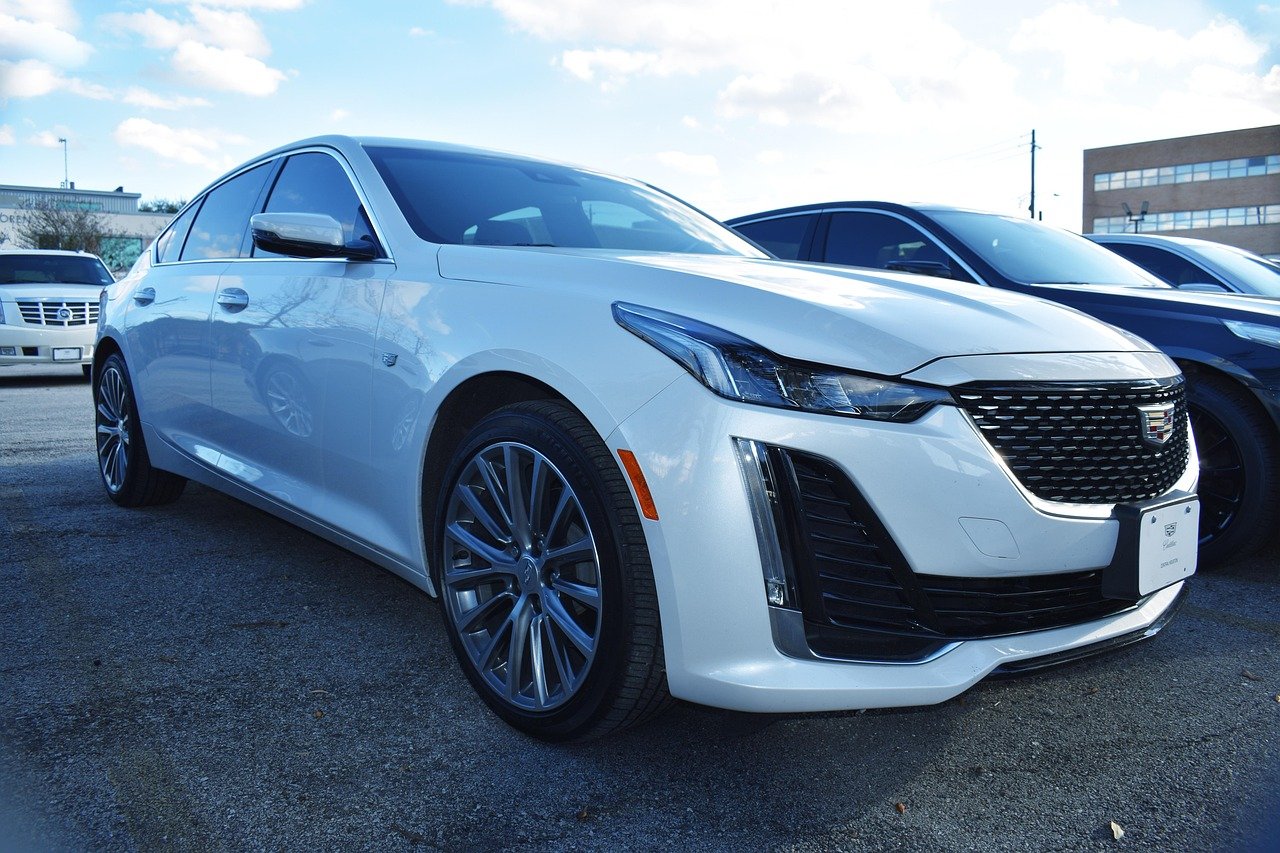
Buying a luxury vehicle is more than just a transaction — it’s an experience. Buick dealerships have long been known for elevating the car-buying journey, offering personalized service, expert guidance, and premium amenities that make choosing a vehicle enjoyable and stress-free. For drivers in Michigan, visiting a buick dealership troy mi ensures a seamless luxury experience, whether you’re exploring the latest Buick models or taking advantage of special offers. In this article, we explore three key reasons why Buick dealerships consistently improve the luxury buying experience for their customers.
Personalized Customer Service
One of the primary ways Buick dealerships enhance the luxury buying experience is through personalized customer service. From the moment you step onto the lot, dealership staff aim to understand your unique preferences, lifestyle, and driving needs.
- Tailored Vehicle Recommendations: Experienced sales consultants ask detailed questions about your preferences, such as desired features, technology, and seating configurations, ensuring that the vehicle you test drive aligns with your expectations.
- Dedicated Attention: Luxury vehicle buyers receive individualized attention, avoiding the rushed or impersonal interactions common in other retail settings.
- Follow-Up Support: Even after the sale, Buick dealerships maintain contact, offering assistance with vehicle setup, maintenance scheduling, and ongoing customer support.
By focusing on personalized service, Buick dealerships create a buying experience that feels catered, not transactional, reinforcing the premium nature of their vehicles.
Comprehensive Product Knowledge
Luxury buyers often expect a high level of expertise from dealership staff, and Buick dealerships deliver. Knowledgeable consultants and specialists provide insights that go beyond standard vehicle specifications.
- In-Depth Feature Explanations: Buick models include advanced safety systems, driver-assist technology, and infotainment options. Sales staff are trained to demonstrate these features clearly, helping buyers understand real-world benefits.
- Technical Guidance: For buyers interested in performance, efficiency, or connectivity features, experts explain engine options, fuel efficiency, hybrid capabilities, and available packages, enabling well-informed decisions.
- Comparative Insights: Staff can compare models within the Buick lineup or against competitor vehicles, highlighting value propositions and helping customers make confident choices.
This comprehensive knowledge ensures that luxury buyers feel empowered and informed, reducing decision-making stress and enhancing satisfaction.
Premium Amenities and Showroom Experience
Another key factor that distinguishes Buick dealerships is the attention to comfort and luxury within the dealership itself. The physical environment and additional services contribute significantly to a premium buying experience.
- Modern Showrooms: Buick dealerships invest in aesthetically pleasing, clean, and well-lit showrooms that reflect the luxury brand image, making customers feel valued from the start.
- Comfortable Waiting Areas: While discussing options, scheduling test drives, or finalizing paperwork, buyers can relax in plush seating areas equipped with refreshments, Wi-Fi, and entertainment.
- Test Drive Convenience: Dealerships facilitate hassle-free test drives, sometimes including extended test drive options or access to multiple models in one visit.
- Service Integration: Many dealerships integrate service centers with convenient amenities, ensuring that maintenance visits mirror the comfort and attention experienced during vehicle purchase.
These amenities enhance the overall buying experience, creating an environment where customers feel pampered and respected.
Transparent Pricing and Financing Options
Luxury buyers value transparency, and Buick dealerships are committed to providing clear pricing and flexible financing solutions.
- Upfront Pricing Information: Dealers clearly present MSRP, incentives, and lease or finance terms, avoiding hidden fees or confusing jargon.
- Customizable Financing: Buyers can choose from lease programs, finance options, or special promotions tailored to their budget and driving needs.
- Value-Added Programs: Some dealerships offer loyalty incentives, trade-in bonuses, and seasonal promotions, maximizing value without compromising the premium experience.
By prioritizing transparency, Buick dealerships build trust and confidence, making the luxury buying process both enjoyable and secure.
Knowledgeable Support for First-Time Luxury Buyers
For many customers, purchasing a luxury vehicle may be their first foray into high-end automotive ownership. Buick dealerships provide guidance that helps bridge the gap between expectation and reality.
- Feature Demonstrations: Staff walk buyers through advanced technology features like adaptive cruise control, lane-keeping assist, and infotainment interfaces.
- Ownership Education: Buyers learn about maintenance schedules, warranty coverage, and available services that help protect their investment.
- Ongoing Assistance: Dealers maintain relationships with customers, offering reminders for service appointments, software updates, and even vehicle upgrades when appropriate.
This educational approach ensures that first-time luxury buyers feel confident in both their purchase and ownership experience.
Community and Customer Engagement
Buick dealerships often enhance the buying experience by fostering a sense of community.
- Events and Launches: Dealerships host model launches, seasonal promotions, and exclusive events for existing and potential customers.
- Customer Loyalty Programs: Special rewards, referral programs, and service discounts encourage repeat visits and strengthen the brand relationship.
- Local Involvement: Many dealerships actively participate in local events and charitable initiatives, reflecting a commitment to the community and enhancing customer trust.
Engaging customers beyond the transaction adds value and reinforces the premium nature of the brand experience.
Technology Integration in the Buying Process
Modern Buick dealerships incorporate technology to streamline the luxury buying experience:
- Digital Showrooms: Online tools allow buyers to explore models, build configurations, and compare features before visiting the dealership.
- Virtual Financing Applications: Customers can pre-qualify for financing online, accelerating the purchase process and minimizing in-dealership waiting time.
- Service Scheduling Apps: Integrated technology ensures that service appointments, reminders, and even remote vehicle diagnostics are convenient and accessible.
This integration of technology reflects Buick’s commitment to combining innovation with customer-centric service.
Focus on Customer Satisfaction
Ultimately, what sets Buick dealerships apart is their dedication to ensuring a positive and memorable experience:
- Post-Sale Support: Customer relationships continue long after purchase, with follow-up calls, service reminders, and satisfaction surveys.
- Problem Resolution: Staff are trained to address concerns promptly, ensuring issues are resolved efficiently and respectfully.
- Personalized Attention: Every interaction is designed to reinforce the sense of luxury and value, making customers feel respected and appreciated.
This consistent focus on customer satisfaction ensures that buying a Buick feels premium from start to finish.
Conclusion
Buick dealerships enhance the luxury buying experience through personalized service, comprehensive product knowledge, and premium amenities that make the process smooth and enjoyable. Transparent pricing, educational support, community engagement, and technology integration further solidify their position as leaders in customer experience.
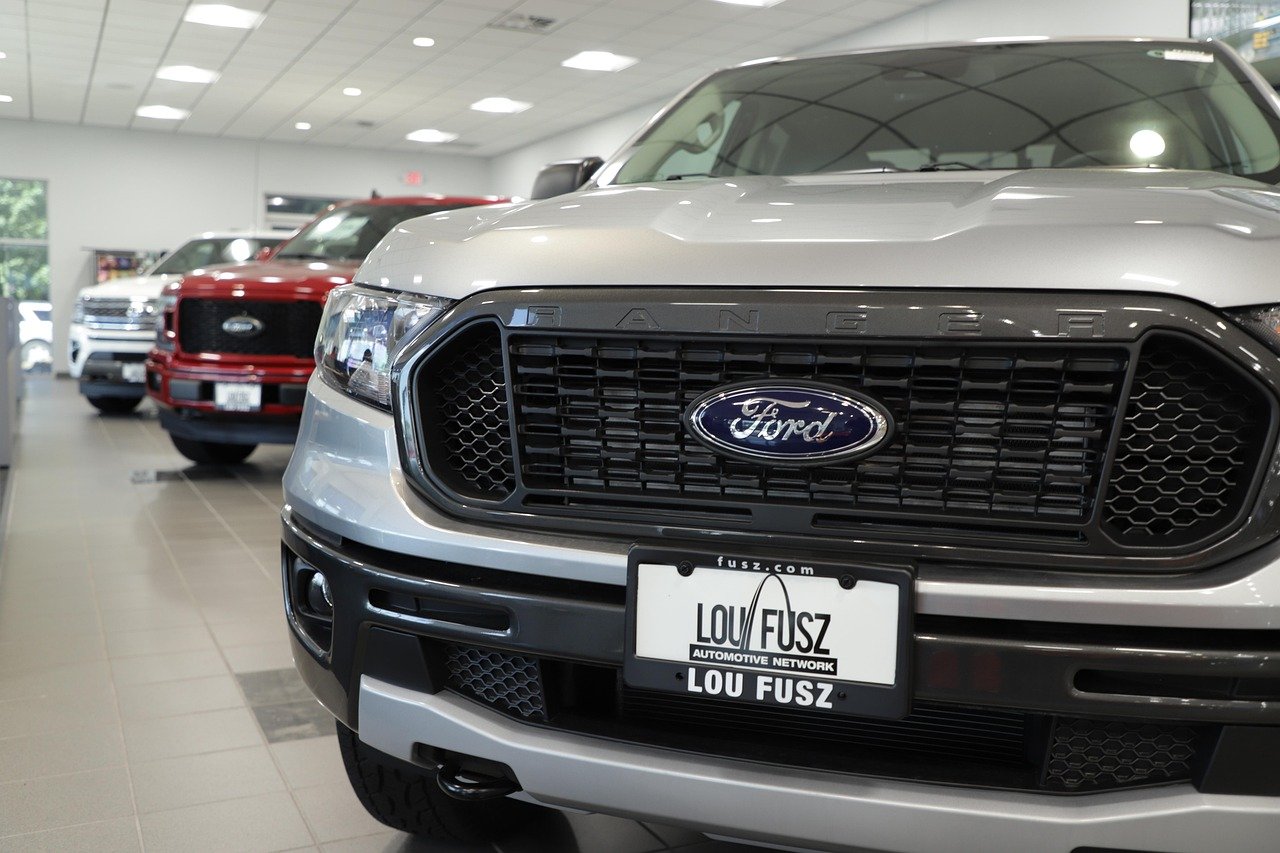
Purchasing a vehicle can be an exciting yet challenging experience, especially when trying to secure the best possible deal. Ford dealerships offer a wide range of vehicles, from fuel-efficient sedans to rugged trucks, but navigating pricing and incentives requires knowledge and strategy. If you’re looking to get the most value for your money, visiting ford dealership warren mi can be a smart first step. This dealership provides expert guidance and a variety of models to fit different budgets and preferences. In this article, we’ll explore five actionable tips to help you get the best price at Ford dealerships, ensuring a smooth, cost-effective car-buying experience.
Tip 1: Do Your Research Before Visiting
Preparation is key to negotiating the best price at any dealership. Start by researching the vehicle you’re interested in, including:
- MSRP (Manufacturer’s Suggested Retail Price)
- Invoice price, which indicates the dealer’s cost
- Available trims, features, and optional packages
- Current promotions, rebates, or incentives
By knowing the fair market value of the vehicle, you can approach the dealership with confidence and avoid overpaying. Additionally, reading customer reviews and industry reports provides insights into pricing trends and dealer practices, giving you an edge in negotiations.
Tip 2: Explore Financing Options in Advance
Understanding your financing options before visiting the dealership can save both time and money. Consider:
- Pre-approval from banks or credit unions to compare rates
- Evaluating dealership financing offers for special incentives
- Calculating monthly payments and total interest costs
Having a clear understanding of your financing options allows you to negotiate better terms and identify potential savings. This preparation also ensures you’re not pressured into accepting unfavorable loan agreements at the dealership.
Tip 3: Time Your Visit Strategically
Timing can significantly impact the deal you receive at a Ford dealership. Consider these strategies:
- Visit near the end of the month or quarter when sales targets are approaching
- Shop during weekdays rather than weekends for less crowded conditions
- Check for seasonal promotions, holiday sales events, or year-end clearance deals
Dealerships are often more motivated to negotiate at certain times, especially when trying to meet sales quotas or clear inventory. Planning your visit around these periods can improve your chances of securing a better price.
Tip 4: Be Prepared to Negotiate
Negotiation is a crucial step in getting the best price. Keep the following tips in mind:
- Start with a reasonable but lower offer than your researched target price
- Avoid revealing your maximum budget early in the discussion
- Be polite but firm, and don’t hesitate to walk away if the deal isn’t favorable
- Consider negotiating add-ons, trade-ins, and fees separately to avoid confusion
Effective negotiation involves patience and strategy. By approaching discussions with facts and a clear plan, you can secure a price that reflects both value and fairness.
Tip 5: Consider Trade-Ins and Incentives
Many Ford dealerships offer trade-in programs and incentives that can significantly reduce your overall cost. Key points to consider:
- Get multiple trade-in appraisals to understand your vehicle’s value
- Leverage manufacturer incentives or dealer promotions on new vehicles
- Factor in loyalty bonuses, fleet discounts, or special financing deals
Combining trade-ins with available incentives allows buyers to maximize savings and potentially reduce the upfront cost of a new or certified pre-owned Ford vehicle.
Bonus Tip: Take Advantage of Online Tools
Ford dealerships increasingly offer online tools that streamline the buying process and help you save money. Use these resources to:
- Compare models, trims, and pricing from the comfort of home
- Estimate monthly payments or total financing costs
- Schedule test drives and request personalized quotes
By using online tools, you can gather essential information ahead of time, making you a more informed and confident buyer when you visit the dealership.
Inspect the Vehicle Thoroughly
Before finalizing any purchase, inspect the vehicle carefully. Whether you’re buying new or certified pre-owned, checking the car ensures that you’re getting value for your money. Consider:
- Reviewing the vehicle history report for pre-owned cars
- Examining the exterior, interior, and engine for signs of wear or damage
- Ensuring all features and options function properly
- Taking a test drive to evaluate handling, braking, and overall comfort
A thorough inspection helps prevent unexpected costs after the purchase and strengthens your negotiation position.
Leverage Reviews and Dealer Reputation
The reputation of the dealership can influence pricing and customer satisfaction. Research the dealership’s history, reviews, and ratings to gauge:
- Overall customer experience and satisfaction
- Transparency in pricing and negotiation
- Responsiveness and support for post-sale service
Working with a reputable dealership, like ford dealership warren mi, increases your chances of a smooth transaction and ensures you are treated fairly throughout the buying process.
Don’t Rush the Process
Patience is a vital component of getting the best deal. Avoid rushing into a purchase just because a deal seems appealing. Take the time to:
- Compare offers from multiple dealerships
- Double-check financing terms and incentives
- Confirm vehicle availability and any potential fees
By remaining patient and strategic, you ensure that the final price reflects a fair and favorable agreement for both you and the dealership.
Conclusion
Getting the best price at a Ford dealership requires preparation, research, and strategic negotiation. By understanding vehicle pricing, exploring financing options, timing your visit, negotiating effectively, and leveraging trade-ins and incentives, you can secure a deal that offers excellent value. Utilizing online tools, inspecting vehicles thoroughly, and considering dealership reputation further strengthens your position.

Why Modern Homeowners are Moving Away from Manual Pool Maintenance

6 Best Movies for Travel Lovers