Travel
Picton NZ Guide: Discover the Best of This Stunning Destination


Located at the gateway to the breathtaking Marlborough Sounds, Picton is a charming coastal town that offers visitors a mix of natural beauty, rich history, and exciting activities. As the arrival point for ferries crossing the Cook Strait between the North and South Islands, this picturesque town serves as a starting point for exploring some of New Zealand’s most spectacular landscapes. Whether you are an outdoor enthusiast, a foodie, or a history buff, this Picton NZ guide provides all the essential information for an unforgettable visit.
Why Visit Picton?
Picton is a must-visit destination for anyone travelling to the South Island. Surrounded by lush hills and crystal-clear waters, it offers a perfect blend of relaxation and adventure. The town is small but full of charm, with a vibrant waterfront, excellent cafes, and easy access to some of New Zealand’s best hiking trails and marine experiences. Moreover, its proximity to the renowned Marlborough wine region makes it an ideal base for exploring the country’s famous Sauvignon Blanc vineyards.
How to Get to Picton
By Ferry
Most visitors arrive in Picton via the Interislander or Bluebridge ferries from Wellington. The journey across Cook Strait takes about three and a half hours and offers stunning views of the Marlborough Sounds.
By Road
Picton is easily accessible by car, with State Highway 1 connecting it to major South Island cities such as Blenheim (20 minutes away) and Christchurch (a four-hour drive).
By Air
For those short on time, Sounds Air operates flights between Wellington and Picton, with the flight taking approximately 25 minutes. The small Picton Airport is located just a few kilometers from the town center.
Best Time to Visit Picton
Summer (December to February)
Warm temperatures make summer the best time to visit. The town is bustling with visitors, and outdoor activities such as kayaking, hiking, and boat cruises are in full swing.
Autumn (March to May)
A quieter season with mild weather, making it a great time for wine tasting and scenic walks. The autumn foliage in nearby vineyards adds to the beauty.
Winter (June to August)
While cooler, winter in Picton remains pleasant, with fewer crowds. It’s an excellent time for enjoying peaceful walks along the waterfront and spotting marine wildlife.
Spring (September to November)
Spring brings blooming flowers and pleasant weather. It is an ideal time for hiking and enjoying fresh seafood at waterfront restaurants.
Top Attractions in Picton
Marlborough Sounds
One of the biggest draws of Picton, the Marlborough Sounds feature breathtaking fjord-like waterways, hidden coves, and lush native forests. Exploring the area by boat, kayak, or hiking is highly recommended.
Queen Charlotte Track
This famous 71-km trail winds through the Marlborough Sounds and offers spectacular coastal views. Shorter sections can be walked in a day, while the full track takes around four to five days to complete.
Edwin Fox Maritime Museum
This museum houses the Edwin Fox, the world’s second-oldest surviving merchant sailing ship. A visit provides fascinating insights into New Zealand’s maritime history.
Picton Foreshore & Marina
The lively waterfront area is a great place to relax, with scenic picnic spots, a playground, and local eateries offering delicious seafood.
Kaipupu Wildlife Sanctuary
Located just a short boat ride from Picton, this predator-free sanctuary is home to native birds such as tui, bellbirds, and little blue penguins.
Best Outdoor Activities in Picton
Kayaking in Marlborough Sounds
Renting a kayak allows visitors to explore hidden bays, encounter seals, and paddle through peaceful waters surrounded by lush green hills.
Dolphin Watching & Swimming
Wildlife tours offer the chance to see or even swim with dusky dolphins, orca, and the rare Hector’s dolphins in the pristine waters of the Marlborough Sounds.
Fishing & Boating
With abundant marine life, Picton is a fantastic place for fishing enthusiasts. Charters are available for deep-sea fishing or casual harbor cruises.
Hiking & Walking Trails
In addition to the Queen Charlotte Track, Picton has several shorter scenic trails, such as the Tirohanga Track, which offers panoramic views of the town and harbor.
Where to Eat in Picton
Best Cafes & Breakfast Spots
- Seabreeze Café – Known for its waterfront views and fresh coffee.
- Toastie Picton – Famous for gourmet toasties and casual brunch options.
Top Seafood Restaurants
- Oxley’s Bar & Kitchen – Serves fresh local seafood and craft beer.
- The Thirsty Pig – A relaxed pub offering fish and chips with a view.
Fine Dining & Local Cuisine
- Le Café Picton – Features a seasonal menu with locally sourced ingredients.
- Gusto – An Italian-inspired restaurant known for its handmade pasta.
Best Places to Stay in Picton
Luxury Accommodations
- Escape to Picton Boutique Hotel – A stylish boutique stay with personalized service.
- Bay of Many Coves Resort – A secluded luxury lodge accessible only by boat.
Mid-Range & Budget Stays
- Picton Yacht Club Hotel – Offers comfortable rooms with ocean views.
- Atlantis Backpackers – A budget-friendly option with a fun, social atmosphere.
Exploring Beyond Picton
Blenheim & Marlborough Wine Region
Only 20 minutes away, Blenheim is the heart of New Zealand’s wine country. A wine tour through the region’s world-famous Sauvignon Blanc vineyards is a must.
Lochmara Lodge
Accessible only by boat, this eco-retreat in the Marlborough Sounds offers wildlife encounters, art exhibits, and a relaxing escape from the city.
Nelson & Abel Tasman National Park
A scenic three-hour drive from Picton, this region is known for golden beaches, crystal-clear waters, and excellent hiking opportunities.
Tips for Visiting Picton
- Book Activities in Advance – Tours, especially during peak season, sell out quickly.
- Dress in Layers – The weather can change rapidly, so carrying a jacket is advised.
- Try Local Seafood – Fresh green-lipped mussels and local fish are a must-try.
- Respect Nature – Many areas are conservation zones, so keeping the environment clean is essential.
Picton is more than just a transit hub; it is a destination filled with breathtaking landscapes, exciting outdoor adventures, and rich cultural experiences. Whether you are drawn to the stunning Marlborough Sounds, eager to explore historic sites, or looking to indulge in fresh seafood and fine wine, this coastal gem has something for everyone. With this Picton NZ guide, planning your visit becomes easier, ensuring an unforgettable experience in one of New Zealand’s most scenic towns.

Relocating to a new place is more than just a logistical exercise. It is the beginning of a new chapter. In New Zealand, known for its stunning natural beauty and relaxed lifestyle, moving offers the promise of renewal. But a successful fresh start does not happen by accident. It hinges on how well the move is planned.
From avoiding costly mistakes to managing the emotional impact of change, smart planning lays the foundation for a smoother transition and a faster adjustment. Here is why careful preparation is essential to truly turning the page in New Zealand.
Avoiding Costly Oversights
Poor planning does not just create stress; it often results in unnecessary costs. Without a clear timeline, you might find yourself paying extra for storage, last-minute flights, or temporary accommodation. Forgetting to notify service providers or update legal documents can lead to fines or disconnections, compounding the disruption.
Working with professionals, like Grace Removals New Zealand relocation experts, helps ensure that key details such as customs paperwork, packing standards, and transport timelines are handled efficiently and in compliance with local regulations. This level of oversight is crucial, especially when crossing international borders or managing large-scale moves between cities.
Minimising Disruption Along the Way
Beyond cost, a poorly managed move can cause unnecessary upheaval. Shifting to a new home, city, or country may interrupt your routines, professional responsibilities and general well-being, especially in a country like New Zealand, where long distances and regional differences can complicate travel and logistics.
A thoughtful approach helps to reduce these disruptions. It allows you to manage the process step by step, securing transport, confirming accommodation and setting realistic timelines. You are also better prepared for the unexpected, from weather delays to property handover issues.
With smart preparation, families can transition schools and healthcare services with less stress. Professionals can maintain continuity in their work. For individuals, this steadiness creates the space needed to adapt with confidence and clarity.
Supporting a Stronger Psychological Reset
A fresh start is not only about moving things. It is about mentally letting go of one chapter and stepping confidently into the next. That process requires emotional space, which is hard to achieve in the midst of chaos.
By planning ahead, you give yourself the breathing room to focus on what matters: getting to know your new environment, building new routines and settling in with clarity. Instead of reacting to issues as they arise, you are able to be proactive and intentional in how you begin your new life in New Zealand. This sense of control and readiness contributes greatly to a smoother emotional transition, something that is often undervalued but deeply important.
Supports Better Timing
One of the most overlooked elements in moving is timing. In New Zealand, weather plays a significant role, particularly when moving between the North and South Islands. Rain or snow can delay ferries or road transport, while rural routes may require additional planning. Checking current highway and travel conditions can help you plan around delays and heavy weather.
Timing also affects how quickly you can settle. Coordinating your move to align with new job start dates, school terms, or rental agreements prevents overlap and reduces transitional stress. A well-timed move allows you to arrive and unpack without urgency, giving you space to focus on rebuilding routines and exploring your new community.
Enhancing Integration Into a New Environment
Integration into a new environment, particularly in a different city or country, depends on how smoothly you can begin everyday life. Planning ahead means that essentials like banking, utilities, healthcare, schooling and local transport are already considered and arranged.
The earlier you connect with local services, neighbours and surroundings, the more quickly the unfamiliar becomes familiar. The more confident your fresh start becomes.
A Fresh Start Begins with Thoughtful Planning
In a country as dynamic and diverse as New Zealand, a move is never just a change of address. It is a life transition. Smart planning is what turns that transition into a true fresh start. It reduces disruption, prevents financial waste, improves timing, supports emotional well-being and accelerates your ability to adapt and thrive.

For many Australian families, especially if you’re juggling work, school runs, after-school activities and everything in between, mealtime can easily become one of the most stressful parts of the day. When time is short and energy is even shorter, the daily question of “What’s for dinner?” can feel like a chore.
Thankfully, there are now plenty of smart, practical ways to make mealtimes easier, without compromising on nutrition, variety or family time. From planning ahead to simplifying your pantry and using helpful services, here are some tried-and-true ways to take the pressure off and make dinner a little less demanding.
Plan Ahead to Avoid Last-Minute Dinner Decisions
One of the simplest ways to reduce mealtime stress is by planning ahead. Whether it’s jotting down a weekly meal plan on Sunday or keeping a few go-to recipes stuck to the fridge, taking a little time in advance can save you a lot of decision-making during the week.
You might find it helpful to batch cook a few meals in larger portions and freeze them for later, or rotate a shortlist of family favourites that are quick, reliable, and everyone enjoys. This approach not only saves time but also helps you stick to your grocery budget more effectively.
Keep Ready-Made Meals Handy for Busy Nights
When there’s no time to cook, having ready-made meals on hand can be a real lifesaver. Many Australian families are turning to meal delivery services that provide fresh, pre-prepared options with little or no cooking required.
Services like Salad Servers offer meals designed with families in mind, with generous portions and a wide variety of choices to suit different dietary needs. Keeping a few of these in the fridge means you can serve a wholesome meal in minutes, even on your busiest days.
Simplify Your Pantry and Try Meal Kits
Keeping a well-organised pantry stocked with simple staples like pasta, tinned tomatoes, rice, lentils, and spice mixes can make it much easier to pull together meals on the fly. When your pantry works for you, last-minute meals feel less stressful.
You might also want to try meal kits that deliver pre-measured ingredients and easy-to-follow recipes. They’re a great middle ground between full cooking and full convenience, letting you serve fresh meals without all the prep or decision-making.
Get the Kids Involved to Share the Load
Making meals easier doesn’t mean you have to do it all yourself. Getting your kids involved, even in small ways, can lighten the load and make dinner feel more like a team effort.
Younger children can help wash vegetables, stir sauces or set the table. For older kids, it’s a great opportunity to follow simple recipes and even take charge of one dinner a week. There are plenty of healthy recipes you can cook with your kids that are age-appropriate, fun, and nutritious. Not only does this teach valuable skills, but it also helps children build confidence and become more adventurous eaters.
Use Smarter Portions and Leftover Ideas
Food waste isn’t just bad for the environment. It hits your wallet too. Simplifying mealtimes can start with cooking just what you need and getting creative with leftovers.
Last night’s roast chicken can become today’s sandwiches or tomorrow’s stir-fry. Extra rice can turn into fried rice or a quick burrito bowl. With a bit of planning and imagination, you can stretch your ingredients further and cut down on waste.
Make Dinner Less Demanding and Reclaim Your Evenings
At the end of the day, what you probably want most is to remove some of the mental and physical effort from dinnertime. Whether that’s through better planning, getting the family involved, using clever shortcuts, or just having a backup meal ready to go, simplifying this part of your day can free up more time for the things that matter.

Aquariums do more than just display fish in glass tanks — they transport you into another world. From mesmerizing ocean tunnels and gigantic whale shark exhibits to interactive touch pools and immersive walk‑through habitats, the world’s best aquariums are destinations in their own right. Whether you’re a backpacker looking for inexpensive wonders, a family planning unforgettable memories, a digital nomad chasing inspiration, or a luxury traveler seeking exclusive experiences — this guide will help you plan the perfect aquatic adventure.
Introduction: Why Visit the World’s Best Aquariums?
Imagine strolling beneath a glass tunnel as sharks glide overhead. Or watching a diver hand‑feed tropical fish while schools of rays swirl nearby. Aquariums combine education, conservation, and entertainment — making them ideal for solo travelers, teams on workations, or families creating lifelong memories. Many aquariums today are architectural marvels, blending cutting‑edge technology with marine science to bring ecosystems alive.
From the South China Sea to the Atlantic Coast, these aquatic wonderlands showcase biodiversity, inspire awe, and offer something for every travel style.
Best Time to Visit — Seasonal Guide
Greatest Aquariums in the World are mostly indoor attractions (meaning you can visit year‑round), the experience around your visit — crowds, pricing, and local festivals — varies by season:
Spring (March–May)
Pros: Mild weather, fewer crowds — especially great for outdoor aquarium campuses (like those with adjacent marine parks).
Best for: Backpackers & families avoiding peak crowds.
Summer (June–August)
Pros: Long daylight hours and peak tourist season.
Cons: Higher prices, crowded weekends.
Best for: Families on school vacations.
Autumn (September–November)
Pros: Mild weather, off‑peak advantages, ideal for combo trips (city tours + aquariums).
Best for: Digital nomads & couples.
Winter (December–February)
Pros: Lowest travel costs, indoor attractions shine.
Best for: Budget travelers & luxury travelers seeking quieter experiences.
Top 10 Must‑Visit Aquariums Around the World
Here are the most iconic aquariums globally, carefully selected for experience quality, conservation efforts, visitor engagement, and cultural context:
1. Monterey Bay Aquarium — USA
Perched on California’s rugged coastline, this aquarium is known for its jaw‑dropping Open Sea exhibit, kelp forests, and hands‑on tidepools. Conservation programs and ocean research make this a must for eco‑curious travelers.
2. Osaka Aquarium Kaiyukan — Japan
One of the largest aquariums in the world, Kaiyukan’s central Pacific Ocean tank is home to whale sharks and manta rays. Its design lets you journey from the icy north to the tropical south in one continuous flow.
3. Georgia Aquarium — USA
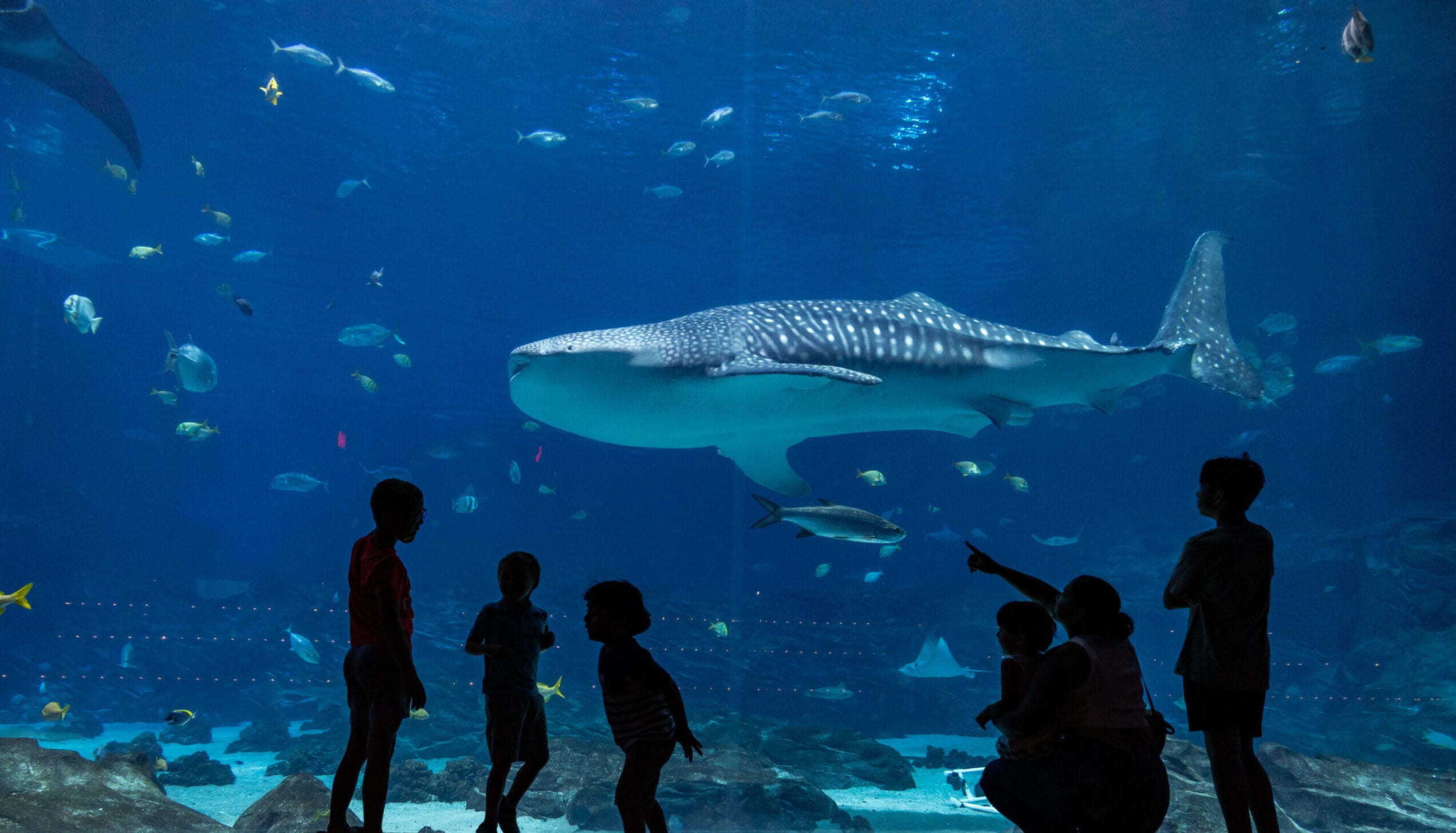
Located in Atlanta, this is among the world’s largest indoor aquariums, boasting up to 100,000 animals across hundreds of species, including majestic whale sharks and beluga whales.
4. Dubai Aquarium & Underwater Zoo — UAE
Located inside Dubai Mall, this aquarium combines luxury and accessibility. Its massive viewing tunnel and glass‑bottom boat rides offer dramatic perspectives on marine life.
5. L’Oceanogràfic — Spain
Part of City of Arts and Sciences in Valencia, this is Europe’s largest aquarium with unique habitats: Arctic, Mediterranean, Red Sea, and deeper ocean zones.
6. S.E.A. Aquarium — Singapore
Housing tens of thousands of sea creatures, the standout is the Open Ocean Habitat, a massive viewing panel where graceful rays and large fish glide by.
7. Aqua Planet Jeju — South Korea
A blend of dramatic design and immersive displays, this aquarium offers night shows, touch pools, and themed galleries.
8. Two Oceans Aquarium — South Africa
Situated at Cape Town’s Victoria & Alfred Waterfront, this aquarium highlights the meeting of the Atlantic and Indian Oceans — complete with playful penguins.
9. Aquarium of Genoa — Italy
Italy’s largest aquarium is rich in Mediterranean species and features immersive exhibits that feel like traveling through the sea itself.
10. National Aquarium — USA
In Baltimore’s Inner Harbor, this aquarium mixes architectural beauty with innovative exhibits, including a stunning tropical rainforest.
Local Cuisine & Best Places to Try Them
Pairing great food with great aquarium visits makes the travel experience unforgettable. Here’s what to eat and where:
Monterey, USA
Dish: Cioppino (seafood stew)
Try At: Old Fisherman’s Grotto — waterfront classic with fresh catches.
Osaka, Japan
Dish: Takoyaki & Okonomiyaki
Try At: Dotonbori Street — the heart of Osaka street food culture.
Dubai, UAE
Dish: Shawarma & Lebanese mezze
Try At: Al Mallah & Ravi Restaurant — affordable local favorites.
Valencia, Spain
Dish: Paella Valenciana
Try At: Casa Roberto — traditional paella near the old town.
Singapore
Dish: Chili Crab
Try At: Jumbo Seafood — iconic Singaporean seafood hub.
Cape Town, South Africa
Dish: Snoek Braai (grilled fish)
Try At: The Codfather — upscale seafood with local catch.
Transportation Tips
Airports & Access
Monterey: Monterey Regional Airport (MRY) — short taxi or shuttle to aquarium.
Osaka: Kansai International Airport (KIX) — train/bus to Osaka Bay.
Dubai: Dubai International (DXB) — metro to Dubai Mall.
Valencia: Valencia Airport (VLC) — tram or taxi to the city.
Singapore: Changi Airport (SIN) — metro to the aquarium.
Public Transport
Major cities hosting these aquariums have seamless public transit — from subways (Osaka, Singapore) to trams (Valencia). Always check local transport apps for realtime schedules.
Car Rentals
Recommend for backpackers and road trip itineraries (Monterey & Cape Town especially). Use global or local providers — compare prices on RentalCars or Kayak for best deals.
Budget Breakdown
Here’s a ballpark daily cost estimate depending on travel style:
| Category | Backpacker | Mid‑Range | Luxury |
|---|---|---|---|
| Accommodation | $20–$50 | $80–$180 | $250+ |
| Meals | $15–$35 | $40–$80 | $100+ |
| Aquarium Entry | $20–$40 | $35–$60 | $60+ |
| Local Transport | $5–$15 | $15–$40 | $50+ |
| Extras | $10–$20 | $30–$60 | $80+ |
| Daily Avg | $70–$160 | $200–$420 | $540+ |
Tip: Family passes, online reservations, and combo tourist cards can significantly reduce costs.
Hidden Gems & Off‑The‑Beaten‑Path Spots
Even after visiting the top aquariums, these lesser‑known experiences are worth seeking:
Toba Aquarium, Japan: Smaller but stunning exhibits with local marine life.
Lisbon Oceanarium, Portugal: Innovative design focused on environmental sustainability.
Acquario di Cattolica, Italy: Great for families, walkable from the beach.
Marinelife Center, Maui, USA: Outdoor marine rescue center + tide pools.
Exploring these will delight travelers who crave unique discoveries beyond the usual.
Safety Tips & Cultural Etiquette
Respect Wildlife: Do not tap on glass or disturb animals.
Photography Rules: Some exhibits restrict flash photography — check signs.
Local Etiquette: Many aquariums are part of larger cultural sites — be courteous in shared spaces.
Health & Safety: Always follow posted guidelines, especially in interactive areas or touch tanks.
Sample Itineraries
3‑Day Quick Aquatic Tour (Multi‑City)
Day 1 — Osaka
Morning: Kaiyukan
Afternoon: Osaka Bay Cruise
Evening: Street food in Dotonbori
2 — Singapore
Morning: S.E.A. Aquarium
Afternoon: Sentosa Beaches
Evening: Night Safari
Day 3 — Valencia
Morning: L’Oceanogràfic
Afternoon: Old Town & Paella lunch
Evening: Sunset by the Turia Gardens
7‑Day Family & Adventure Mix
Days 1–2: Monterey Bay Aquarium + coastal hikes
Day 3: Drive to Santa Cruz & visit local marine center
Day 4: Fly to Atlanta – Georgia Aquarium + city tour
Day 5: ATL to Baltimore – Inner Harbor & National Aquarium
Day 6–7: Washington, DC museums + Smithsonian National Zoo
Conclusion: Ready to Dive In?
The Greatest Aquariums in the World are more than stops on a travel map — they’re gateways to understanding our oceans and planet. No matter your travel style — whether you’re chasing budget adventures, enriching family vacations, or luxurious escapes — there’s an aquarium experience waiting for you.
Final Tips
Book online in advance — skip queues and secure discounts.
Pair aquariums with local experiences — beaches, museums, markets.
Consider seasonality — off‑peak months often offer the best value.
Pack your sense of wonder — and dive into the world’s most breathtaking aquatic destinations!

Why Smart Planning Is Key to a Fresh Start in NZ

How Aussie Parents Simplify Mealtime Routines