Food
Soutaipasu: Culinary Journey Through Rich Flavors & History

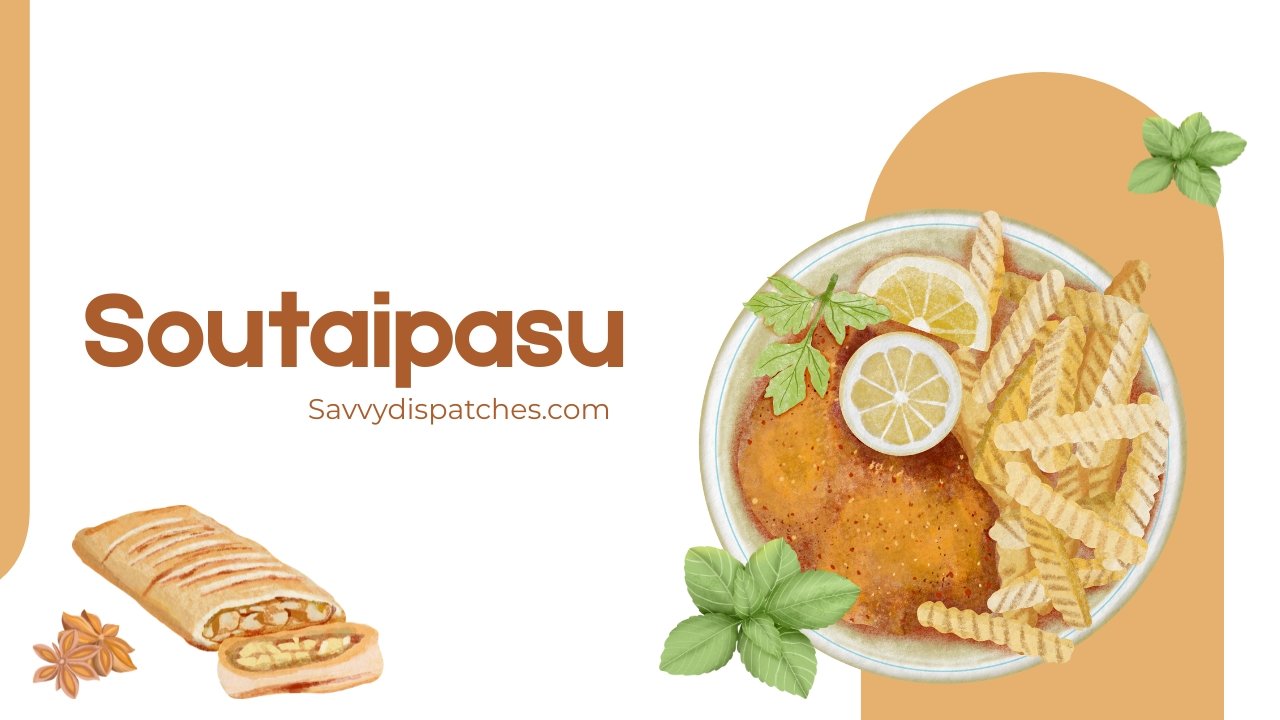
Soutaipasu invites you on a culinary adventure that transcends the ordinary. This unique cuisine, deeply rooted in Japanese culture,showcases a rich tapestry of flavors and traditions. With each bite, you’re not just tasting food; you’re experiencing centuries of history and artistry. From humble beginnings to modern interpretations, Soutaipasu embodies the spirit of Japan’s gastronomic heritage.
As we delve into its origins, you’ll discover how this remarkable cuisine reflects the significance of food in Japanese society. It’s more than sustenance—it’s an expression of community and celebration. So grab your chopsticks as we explore the vibrant world of Soutaipasu!
The significance of food in Japanese culture
Food in Japanese culture transcends mere sustenance. It embodies tradition, respect, and artistry. Each meal is an opportunity to celebrate the seasons and honor nature.
The presentation of food holds immense importance. Dishes are often arranged with precision, showcasing vibrant colors and textures that reflect Japan’s natural beauty. This attention to detail transforms dining into a visual feast.
Moreover, communal meals foster relationships among family and friends. Sharing dishes like sushi or ramen builds bonds while creating lasting memories.
Rituals surrounding food also play a vital role—tea ceremonies exemplify mindfulness and appreciation for simplicity. Seasonal festivals highlight regional specialties, connecting communities through culinary heritage.
Every bite tells a story steeped in history—a testament to generations who cultivated these flavors with care.
Exploring the diverse flavors and ingredients of Soutaipasu cuisine
Soutaipasu cuisine is a delightful tapestry woven from diverse flavors and textures. Each dish tells a story, often highlighting local ingredients that reflect the region’s bounty.
One key element is umami, the savory taste that elevates many Soutaipasu dishes. Ingredients like miso, soy sauce, and dashi create depth in soups and sauces.
Fresh vegetables also play a crucial role. Seasonal produce such as daikon radish and shiitake mushrooms lend brightness to meals. They are often prepared simply to showcase their natural flavors.
Seafood shines brightly within this culinary landscape too. Delicacies like sashimi or grilled fish capture the essence of Japanese coastal traditions.
Grains like rice serve as staples, grounding every meal with warmth and comfort. The balance of these ingredients makes Soutaipasu not only delicious but also deeply rooted in history and culture.
Traditional vs. modern Soutaipasu dishes
Traditional Soutaipasu dishes are steeped in history and cultural significance. These recipes often highlight seasonal ingredients, showcasing the natural flavors of Japan. They tend to emphasize simplicity, allowing each element to shine through.
In contrast, modern Soutaipasu cuisine embraces innovation. Chefs experiment with techniques and fusion flavors from around the world. This evolution reflects a dynamic culinary landscape where tradition meets creativity.
For instance, while classic sushi may rely on fresh fish and rice, contemporary variations might incorporate unexpected toppings or sauces that elevate the dish into something entirely new.
This blend of old and new creates an exciting dining experience. Patrons can savor familiar tastes while discovering bold twists that challenge their palates. It’s a testament to how Soutaipasu evolves alongside changing culinary trends, ensuring it remains relevant in today’s vibrant food scene.
Popular Soutaipasu dishes and their history
Soutaipasu cuisine is a treasure trove of flavors, featuring dishes that tell stories of tradition and innovation. One standout dish is Sobako Soba, made from buckwheat flour. This delicacy dates back centuries, originating in the mountainous regions of Japan where buckwheat thrived.
Another favorite is Goya Champuru, a stir-fry that combines bitter melon with tofu and pork. Its roots can be traced to Okinawa, highlighting the island’s cultural influences on Soutaipasu.
Then there’s Katsu Curry—a fusion classic blending crispy breaded cutlets with rich curry sauce. It reflects post-war culinary trends when Western ingredients began to mingle with traditional Japanese fare.
Each dish not only tantalizes the taste buds but also encapsulates unique historical narratives. They remind us how food evolves while preserving its essence through generations.
The evolution of Soutaipasu over time
Soutaipasu has undergone a fascinating transformation throughout the years. Initially rooted in traditional Japanese practices, it reflected local ingredients and seasonal changes.
As trade routes expanded, new flavors began to seep into this cuisine. Ingredients from neighboring countries enriched the palette, introducing spices and cooking techniques that were previously absent.
The post-war era marked another significant shift. With globalization on the rise, Soutaipasu embraced modern culinary trends while still honoring its roots. Chefs began experimenting with fusion dishes that combined classic elements with international influences.
Today’s Soutaipasu is a vibrant tapestry of tradition and innovation. Food enthusiasts appreciate both time-honored recipes and contemporary creations. This ongoing evolution ensures that each dish tells a story—a reflection of history intertwined with creativity and cultural exchange.
Cultural influences on Soutaipasu cuisine
Soutaipasu cuisine is a fascinating tapestry woven from various cultural threads. The influence of neighboring countries such as China and Korea is evident in its cooking techniques and ingredient choices.
The introduction of rice, for instance, showcases the historical exchanges that have shaped Japanese culinary practices. Ingredients like soy sauce and miso have been refined over centuries, yet retain flavors reminiscent of their origins.
Japanese traditions also play a vital role in Soutaipasu dishes. Seasonal ingredients are celebrated, reflecting the deep connection between nature and food. Festivals often feature specific recipes that honor ancestral customs.
Furthermore, globalization has introduced new flavors to Soutaipasu. Fusion cuisine emerges as chefs experiment with unconventional pairings while keeping traditional roots intact.
As tastes evolve, Soutaipasu continues to adapt without losing its identity, creating an ever-rich landscape of culinary experiences.
How to experience Soutaipasu through
To truly experience Soutaipasu, one must immerse themselves in its culinary scene. Start by seeking out local restaurants that specialize in this cuisine. Many establishments offer traditional dishes prepared with meticulous care and authenticity.
Participating in a cooking class can also provide deeper insights into the techniques behind Soutaipasu. Learning to craft staple dishes allows for a hands-on appreciation of the flavors and ingredients that define this unique cuisine.
If you’re unable to travel, consider hosting a themed dinner at home featuring popular Soutaipasu dishes. Gather friends or family and explore recipes together; it’s an excellent way to share cultural experiences while enjoying delicious food.
Exploring markets is another fantastic method to engage with Soutaipasu culture. Look for specialty shops that sell authentic ingredients like miso, sake, or seasonal vegetables commonly used in these recipes.
For those who enjoy storytelling as much as they do dining, attending food festivals focused on Japanese cuisine presents an opportunity to discover new tastes while learning about their origins directly from chefs and food artisans.
By diving headfirst into these experiences, you’ll not only savor the rich flavors of Soutaipasu but gain a profound understanding of its history and cultural significance within Japan’s gastronomic landscape.
Understanding Satiety
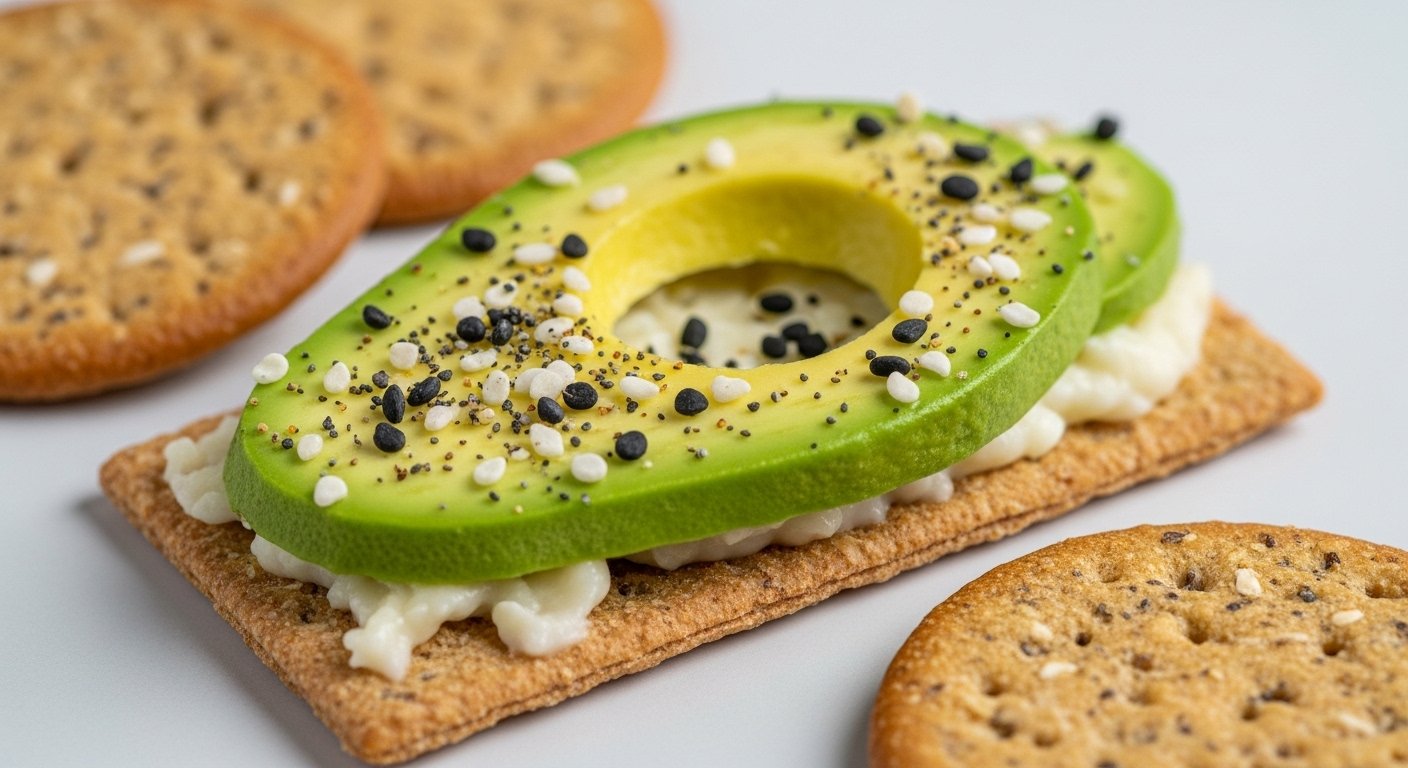
It is always best to select snacks that allow one to develop a state of fullness (satiety). Satiety is based on different variables like protein, fiber and healthy fats. These slow down the digestion and maintain a constant level of sugar in the blood. Studies indicate that high-protein snacks lower hormones like ghrelin more effectively in comparison to carb-rich ones. Amul Fresh Paneer is a high-protein food item that is easily available in the market, thanks to grocery delivery apps. One can easily come up with different healthy snacking recipes from this.
Swap Processed Snacks for Protein Power
One should always avoid inferior food items like chips or cookies. These increase the blood sugar and leave a person hungry after a short time, consume foods with high contents of nutrients. Amul Fresh Paneer can be regarded as an alternative in this. It offers fresh protein and healthy fat. With online grocery delivery app, it has become easier to get healthy food items delivered to your home. Amul paneer has approximately 18-20 grams of protein per 100 grams and some calcium to keep your bones strong. This paneer is the best snack to have when you need to keep your body going.
Quick Grilled Paneer Recipe
You can make customize your own recipe with amul fresh paneer. You can grill cubes of it with spices such as cumin, turmeric and black pepper to create a simple evening snack. Maillard reaction that happens during grilling provides a desirable texture without the use of oils. Serve it with cucumber slabs or cherry tomatoes as a source of fiber which further adds fullness. This combination can be ready in less than 10 minutes and provides the balanced proportion of macronutrients.
More Satiety-Boosting Snack Ideas
One can also add Greek yogurt and berries to their daily diet to bring together the protein and antioxidants or boiled eggs and avocado that contain healthy fats. But, if you want veg and pocket friendly snacking dishes, then paneer is the best item that you can go for in the current scenario.
To replace meat, roasted herbed chickpeas provide fiber and protein; a video tutorial by NutritionFacts.org shows the simple recipes of roasting chickpeas to achieve the best crunch and nutrition.
Conclusion
Now, it has become so easy to get all required ingredients for healthy snacking at your doorsteps. You can easily search for a “grocery delivery app near me” and place an order of Amul Fresh Paneer and all necessary ingredients effectively. It is important to be indulgent but in a cautious manner, even though protein is a must in our daily diets. Make a note of how much energy you gain when you consume each meal throughout the day. Also, try to select healthier versions of snacks such as grilled paneer or chickpeas which fill your tummy and boost your health levels significantly. This tweak will give you the right blend of health and taste.

For many Australian families, especially if you’re juggling work, school runs, after-school activities and everything in between, mealtime can easily become one of the most stressful parts of the day. When time is short and energy is even shorter, the daily question of “What’s for dinner?” can feel like a chore.
Thankfully, there are now plenty of smart, practical ways to make mealtimes easier, without compromising on nutrition, variety or family time. From planning ahead to simplifying your pantry and using helpful services, here are some tried-and-true ways to take the pressure off and make dinner a little less demanding.
Plan Ahead to Avoid Last-Minute Dinner Decisions
One of the simplest ways to reduce mealtime stress is by planning ahead. Whether it’s jotting down a weekly meal plan on Sunday or keeping a few go-to recipes stuck to the fridge, taking a little time in advance can save you a lot of decision-making during the week.
You might find it helpful to batch cook a few meals in larger portions and freeze them for later, or rotate a shortlist of family favourites that are quick, reliable, and everyone enjoys. This approach not only saves time but also helps you stick to your grocery budget more effectively.
Keep Ready-Made Meals Handy for Busy Nights
When there’s no time to cook, having ready-made meals on hand can be a real lifesaver. Many Australian families are turning to meal delivery services that provide fresh, pre-prepared options with little or no cooking required.
Services like Salad Servers offer meals designed with families in mind, with generous portions and a wide variety of choices to suit different dietary needs. Keeping a few of these in the fridge means you can serve a wholesome meal in minutes, even on your busiest days.
Simplify Your Pantry and Try Meal Kits
Keeping a well-organised pantry stocked with simple staples like pasta, tinned tomatoes, rice, lentils, and spice mixes can make it much easier to pull together meals on the fly. When your pantry works for you, last-minute meals feel less stressful.
You might also want to try meal kits that deliver pre-measured ingredients and easy-to-follow recipes. They’re a great middle ground between full cooking and full convenience, letting you serve fresh meals without all the prep or decision-making.
Get the Kids Involved to Share the Load
Making meals easier doesn’t mean you have to do it all yourself. Getting your kids involved, even in small ways, can lighten the load and make dinner feel more like a team effort.
Younger children can help wash vegetables, stir sauces or set the table. For older kids, it’s a great opportunity to follow simple recipes and even take charge of one dinner a week. There are plenty of healthy recipes you can cook with your kids that are age-appropriate, fun, and nutritious. Not only does this teach valuable skills, but it also helps children build confidence and become more adventurous eaters.
Use Smarter Portions and Leftover Ideas
Food waste isn’t just bad for the environment. It hits your wallet too. Simplifying mealtimes can start with cooking just what you need and getting creative with leftovers.
Last night’s roast chicken can become today’s sandwiches or tomorrow’s stir-fry. Extra rice can turn into fried rice or a quick burrito bowl. With a bit of planning and imagination, you can stretch your ingredients further and cut down on waste.
Make Dinner Less Demanding and Reclaim Your Evenings
At the end of the day, what you probably want most is to remove some of the mental and physical effort from dinnertime. Whether that’s through better planning, getting the family involved, using clever shortcuts, or just having a backup meal ready to go, simplifying this part of your day can free up more time for the things that matter.

Few gourmet delicacies in the world evoke the same level of prestige, refinement, and culinary fascination as black caviar. From royal banquets to Michelin-starred restaurants, caviar has long been associated with luxury dining and impeccable craftsmanship. Today, more consumers than ever are seeking transparent sourcing, sustainable farming, and authentic flavor — qualities exemplified by leading producers such as Tsar Caviar.
For those wishing to explore premium selections or order directly from artisanal suppliers, visit Tsar Caviar.
In this comprehensive guide, we dive into the origins, production methods, tasting notes, and shopping considerations surrounding modern caviar. Whether you’re new to the world of sturgeon roe or a seasoned gourmet, this article provides clear insights to help you navigate the market with confidence
What Makes Tsar Caviar Exceptional | tsar caviar
The global market for caviar has shifted dramatically in the last decade. While wild Caspian sturgeon once dominated supply, responsible aquaculture now defines the highest standards of quality. Tsar Caviar represents a unique combination of heritage, authenticity, and modern traceability.
Founded by Oleg Sanzyapov in 2014, the brand maintains direct relationships with sustainable farms worldwide. What sets Tsar Caviar apart is its exclusive cooperation with a rare Caspian Sea farm, where fish are raised in near-wild saltwater conditions and fed natural seasonal diets. This approach results in roe with exceptional purity, firm texture, and rich, nuanced salinity.
Every batch is hand-selected, traditionally salted, and inspected to ensure freshness, consistency, and depth of flavor. The result is caviar that honors centuries-old methods while meeting the expectations of today’s discerning clientele.
How to Choose the Right Caviar
For those looking to buy black caviar, understanding product differences is essential. Although varieties may look similar at first glance, each has its own character shaped by species, diet, environment, and curing method.
Here are key factors buyers should consider:
Species
Siberian Sturgeon, Kaluga, Sterlet, and Hackleback are some of the most common types. Each produces eggs with distinct flavors, ranging from buttery and mild to deep and oceanic.
Texture
High-quality roe should feel firm yet delicate, with a clean pop and no mushiness.
Aroma
Fresh caviar carries subtle marine notes, never overly fishy or metallic.
Color
From charcoal gray to jet-black, color often reflects species variation rather than quality.
Salting Method
Traditional malossol (low-salt) techniques highlight natural flavor and purity.
Consumers who wish to buy black caviar online should seek suppliers that guarantee freshness, sustainable sourcing, and temperature-controlled shipping — all essential for preserving quality.
Exploring One of the Rarest Varieties
Among luxury selections, black pearl caviar stands out for its visual appeal and refined taste. Known for its smooth finish, glossy dark pearls, and subtle minerality, this variety appeals to both experienced gourmets and newcomers.
Black pearl caviar is often praised for:
- Elegant, uniform grain size
- Balanced brine levels
- Nutty or creamy undertones
- Sophisticated presentation suitable for high-end dining
This type is frequently featured in tasting menus, caviar flights, and premium gift sets.
How True Caviar Is Produced
High-quality caviar requires expertise at every stage:
- Selective breeding and sustainable farming
Fish are raised in clean, carefully monitored water systems that mimic natural environments. - Natural feeding
Many premium suppliers use seasonal diets or wild-caught feed to enhance flavor integrity. - Harvesting at optimal maturity
Eggs are collected when texture and size reach peak quality. - Traditional hand-salting
Minimal salt is used to preserve natural taste while ensuring shelf stability. - Batch inspection
Top producers — including Tsar Caviar — check every new batch for consistency and freshness.
This combination of craftsmanship and science results in exceptional black caviar worthy of gourmet experiences.
Serving & Pairing Recommendations
Caviar is best enjoyed chilled and served with minimal enhancement. Here are classic and modern pairings:
- Blinis with crème fraîche
- Butter-toasted brioche
- Soft-boiled quail eggs
- Mild cheeses
- Champagne, Crémant, or ice-cold vodka
Avoid overly salty or spicy foods that can overpower the delicate pearls.
Why Gourmet Consumers Prefer Responsible Producers
Ethics and sustainability now play a major role in luxury food industries. Consumers increasingly choose producers who prioritize:
- Transparent sourcing
- Environmentally responsible aquaculture
- Non-additive salting methods
- Temperature-controlled shipping
- Quality-over-quantity harvesting practices
This is one reason premium suppliers like Tsar Caviar stand out in the modern market.
Popular Uses for Premium Caviar
Beyond traditional tasting, caviar is now featured in:
- Fine-dining appetizers
- Seafood towers
- Holiday gift boxes
- Corporate luxury gifts
- Home gourmet experiences
- Catering for weddings and high-end events
Its versatility and prestige make it suitable for any celebration.
Frequently Asked Questions
What is the best type of caviar for beginners?
Siberian Sturgeon and Hackleback are smooth, balanced, and easy to appreciate.
Why is black caviar considered a luxury product?
It requires long maturation periods, artisanal processing, and careful preservation.
Where can I buy authentic premium caviar?
Trusted suppliers like Tsar Caviar offer guaranteed freshness and sustainable sourcing — visit https://tsarcaviar.com/.
Is caviar healthy?
Yes. Caviar is rich in Omega-3 fatty acids, vitamins, and high-quality protein.
How should caviar be stored?
Keep unopened tins refrigerated at 28–32°F. Consume shortly after opening for ideal texture and taste.

How Bloggers Are Building Consistent Income Streams

Why Modern Homeowners are Moving Away from Manual Pool Maintenance