Business
The Town Where Blues Art and Biscuits Never Left


There’s no gentle easing into Florence, Alabama. The day starts hot, honest, and hungry. You’ll know you’re in the right spot if someone calls you “darlin’” before 9 a.m. Biscuit Village is already humming. The staff moves fast, but the conversations move even faster. One table’s talking about a church raffle, the next about their cousin’s band playing down in Sheffield. There’s no such thing as eating in silence here.
Order something buttery, flaky, and unapologetically Southern — maybe the sausage and egg biscuit with tomato gravy. Coffee comes fast, and your second cup lands before you’ve even asked. The waitress leans in, not rushed, and gives you the lowdown on where to go next — without ever sounding like she’s pitching a tour.
That’s the first thing to understand about Florence: It doesn’t perform. It just is.
Stepping outside, you’re met with a morning air that still carries a bit of the Tennessee River’s coolness. Sidewalks lead you past antique stores with chipped signage, and windows still dressed in yesterday’s mannequins. There’s no curated vintage here — it’s the real deal.
As you walk, you’ll pass plaques describing Civil War generals, musicians born on these blocks, and architects whose names are etched into brickwork. But the most striking details don’t have signs. It’s the creak of a screen door. The whir of an old box fan behind a barber’s window. The quiet kind of history — the kind that stays put.
By the time you reach Court Street, Florence has fully woken up. Locals stroll with iced coffees, high schoolers in marching band shirts head somewhere you’re not invited, and someone’s dog is sleeping under a bench like it’s paid rent. You’re not here for a checklist. You’re here to be in the rhythm.
Music That Still Breathes Here
Mid-morning finds you outside a modest home with pale walls and a wooden porch. W.C. Handy’s name is on the sign, but the real magic is in what the house holds — original instruments, yellowed photographs, and a piano bench with stories carved into its seams.
Inside the W.C. Handy Home & Museum, it’s not silence you notice. It’s potential. That low hum that lingers in places where music was once made often and well. You don’t need to love the blues to feel something here. It’s in the clarinet, worn from play, and the portrait of Handy with a look that’s part stern, part smirk.
Step outside and the music doesn’t stop. In Florence, it’s stitched into the everyday. The Muscle Shoals Sound isn’t confined to the studio walls anymore — it’s baked into the sidewalks. Wander into Vinyl Revival or Pegasus Records and you’ll find more than old LPs. These are cultural archives curated by people who stayed when they could’ve left. Ask about local gigs, and you’ll get a story before you get a schedule.
At one record shop, the owner — sleeves rolled, salt-and-pepper beard — tells you about cutting a demo in 1989. He never left. Says the music wouldn’t let him. His fingers still twitch when the right track comes on.
Even the barbershops have amps. Seriously. One has a tiny Fender in the corner, plugged in and ready, just in case the clippers take a break and someone wants to tune up instead.
Art on the Streets, On the Plate, In the Air
Florence paints loudly and subtly at once. On one corner, a towering mural celebrates a forgotten poet. On another, a mailbox is covered in tiles, each one a different shade of someone’s whim. The Kennedy-Douglass Center for the Arts acts as a formal anchor, but don’t stop there.
Keep walking. Turn when you smell bread baking or hear laughter inside a bookstore. Florence’s art spills out of frames and into alleyways. It’s on light poles, in café bathrooms, and inked on the arms of tattooed chefs.
Lunch comes at the right time. Maybe Odette — an upscale Southern spot that doesn’t need to announce itself with pomp — or Yumm Thai Sushi and Beyond, which serves panang curry with a swagger. Either way, the food arrives plated like it belongs in a gallery, but not in a pretentious way. More like: someone in the kitchen loves what they’re doing.
It’s here you notice the restaurant furniture — mismatched chairs that somehow still look intentional, the texture of the wood tables catching the afternoon light just right. It doesn’t scream “design,” but it hums with personality. You sit straighter without meaning to. Something about the space invites respect for the meal.
Your server points out a wall covered with local artwork. Nothing framed. Just pinned or stuck or draped — raw creativity. Later, walking back toward the river, you catch a spray-painted sketch behind a gas station that stops you in your tracks. It’s not the placement that matters. It’s the honesty.
Before heading to the water, stop and chat with an artist setting up on a sidewalk. His canvas is a door from an old school. He paints without looking up much. When he finally does, he nods, offers no pitch, just says, “This town’s got layers.” You believe him.
River Rhythm, Sunset Calm
McFarland Park is wide open — the kind of space where your thoughts stretch out too. The Tennessee River moves slowly but with weight. You see people reading, fishing, sitting in the backs of trucks with tailgates down.
Rent a kayak if you’re up for it, or just sit and watch. It’s not about what you do, but how still you let yourself get. Paddleboarders drift. Kids run across the grass with no plan. You lean on a railing and understand something that didn’t need words.
The water makes everything else quiet.
A short ride away sits the Frank Lloyd Wright Rosenbaum House. Built in 1939, it looks shockingly modern — low, stretched, deliberate. Walk its halls with reverence. The architecture speaks softly but precisely, with warm woods and lines that draw your eye toward the outside. There’s no velvet rope, no gift shop that breaks the spell. Just space, silence, and the kind of restraint that builds its own power.
By golden hour, the entire city seems to lean into the light. Streets soften. Buildings take on a dusty glow. You don’t need a filter or a tripod. You just need to pause.
Locals say the town looks best right now. They’re not wrong.
One Night in Florence — Guitars, Ghosts, and Glasses Raised
As night settles, head back downtown. Not everything’s lit up — Florence saves its electricity for moments that matter. You’ll find a tavern that doesn’t make reservations and doesn’t need to. The food’s rich, the music’s live but not loud, and someone will probably play something unrehearsed before the night is over.
Locals carry guitars in their cars like umbrellas. You’ll see them pulled from trunks and cases like old friends. That’s how music happens here — unplanned, unscripted, and entirely welcome.
Your dinner might come with a story: fried green tomatoes with goat cheese, catfish that someone’s uncle used to catch, a cocktail named after a local legend. The bartender says it was invented during a storm — you’re not sure if it’s true, but you want it to be.
Afterward, head to a rooftop if it’s open, or a porch-bar that looks like a neighbor’s house. Florence doesn’t do velvet ropes or bottle service. It does laughter over bourbon, local stouts with names like “Swamp Flower,” and bartenders who seem like they could’ve written novels if they’d had time.
Someone mentions the ghost tour. Someone else says they’ve seen the ghost. You pass by a brick wall where a face appears only in the rain. No one’s sure if it’s legend or leaky masonry, but no one rushes to debunk it.
The night ends quietly. Maybe on campus grounds near UNA, where the lions sleep and the air is warmer than expected. Or at the river again, where the bridge lights blink slow and steady. There’s no need for fireworks or closing statements.
Just the sound of someone strumming a guitar in the distance. And the feeling that you didn’t just visit Florence — you met it.

If you have just recently started a business in Boston, or you’re thinking of doing it, there’s no doubt that you’ll have to think about marketing. The same goes for if you’ve been running a business for a while, because the need for investing in marketing never really stops. After all, you can’t succeed on a market that is so competitive without using the right strategies to stand out, reach potential customers, turn them into paying ones, retain them, and generally build a great brand image.
Here’s why investing in digital marketing is a good move: https://www.forbes.com/councils/forbesbusinessdevelopmentcouncil/2022/06/21/7-reasons-to-invest-in-your-website-and-digital-marketing-strategy/
Of course, the modern world has brought about some changes to the way we are all doing business. Meaning, thus, that in addition to finding a way to stand out offline, you’ll need to do the same thing online. To put it differently, you will absolutely have to think about investing in digital marketing today. And, if you are not sure why, then you should keep on reading to find out.
Apart from not being sure why investing in it is a good idea, you may also not be sure about how to do it right. More precisely, you may not know how to choose the right company in Boston to provide you with these services, because you absolutely know already that you won’t be able to do it alone, and that you will need to have the right pros on your side. And, well, that is another topic we’ll cover for you today.
Why Invest in Digital Marketing
Naturally, we are going to begin with the question of why it is that you should invest in digital marketing in the first place. After all, there would be no point in talking about how you can find and hire the right pros in Boston if you’re not even sure that you need them. So, let us first tell you more about why you need them. Learn more about the benefits.
Everyone Is Online Today
First things first, everyone is online today, and that is a fact that you need to accept. This goes first for your customers, meaning that they will search for the products and services you are selling online, so it would serve you well to appear in front of them when they are doing so. But, it also goes for your competitors. Your competitors are investing in digital marketing, so if you don’t, they are bound to snatch most of your customers, which is not what you want. So, invest in this to stay competitive, and to keep on gaining customers.
Reach the Right Audience at the Right Time
Digital marketing is not simply about getting the word of your existence out there. It is more so about letting the right people know of your existence, and at the right time. That is, you want to appear in front of people when they are searching precisely for what you are offering, possibly with the intent to buy, as that is sure to help you get more customers and boost your profits. And, digital marketing makes it happen.

Build Trust and Credibility
Moving on, when you invest in various online strategies, you will succeed in establishing yourself as a reliable and trusted source. In simple words, you will establish yourself as authority, which will build trust and credibility, and thus help you boost your brand recognition and reputation, and ultimately become a known name in your industry. And, this is certainly what you want.
Get Measureable Insights
Another great reason why you should invest in digital marketing is because you will get measureable insights. You will know precisely which strategies are working perfectly, and which ones may need some adjustments. You’ll understand consumer behavior better, which will help you make more informed and smarter business decisions.
A Cost-Effective Marketing Solution
Finally, you should always keep in mind that this is a cost-effective marketing solution. The ROI can be amazing, especially if you choose the right pros in Boston to do the work for you. Which is precisely the next topic we will cover below.
How to Choose a Company in Boston
So, how can you choose the right company in Boston to do this for you? Well, you’ll come across numerous one through a few simple online searches, or through recommendations. When you, thus, come across Helium Digital Marketing Boston or any other experts, take time to research them. Check their experience for one thing, and not only general one, but also specific industry and local experience.
Then, remember to read some reviews that have been written by previous clients, as those will help you determine the reputation of the potential companies. Moving on, interview a few of the candidates, ask any questions you may have, and compare all the info. And, finally, get more quotes and compare them too, but all while keeping the rest of the mentioned factors in mind as well.
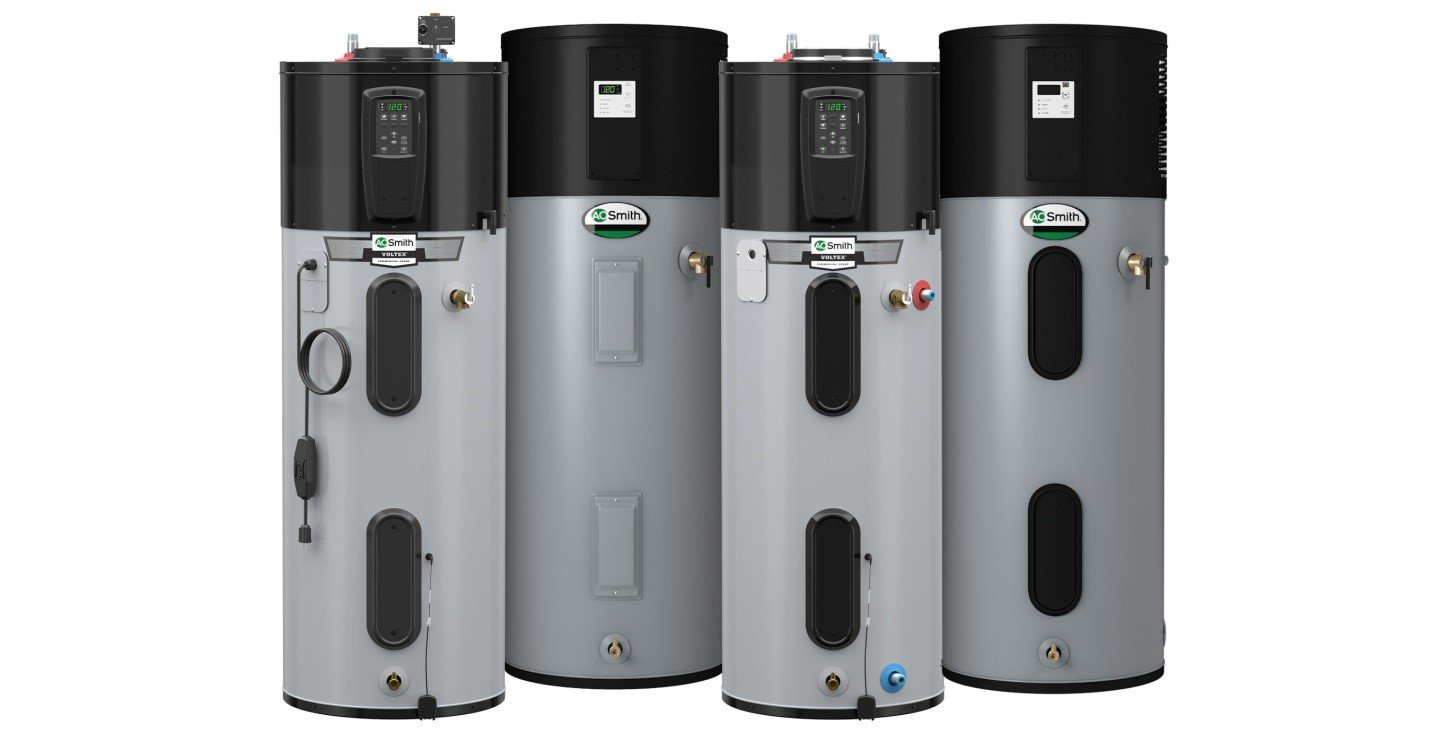
As a homeowner, you undoubtedly want to maintain your household perfectly, and to ensure comfort, as well as the smooth completion of all those daily tasks. And, of course, you will need hot water for most of those things, such as cooking, washing the dishes, bathing, and numerous other things. To have hot water, naturally, you will need to have a great water heater installed. So, whether your current one isn’t working well, or you’re looking to install a new one at a new property, you will certainly want to get a great one.
If you’re wondering how to replace one, this may help you understand: https://www.thespruce.com/replacing-a-water-heater-1824920
Now, when you first figure out that you need to replace your current device, or when the time comes for you to buy a new one at that new property, you will probably spend some time looking at those different types that exist on today’s market, in an effort to make the best choice for your home. And, well, that is when you will come across numerous different devices, including the plug in heat pump water heater. There is certainly no doubt that that one will grab your attention.
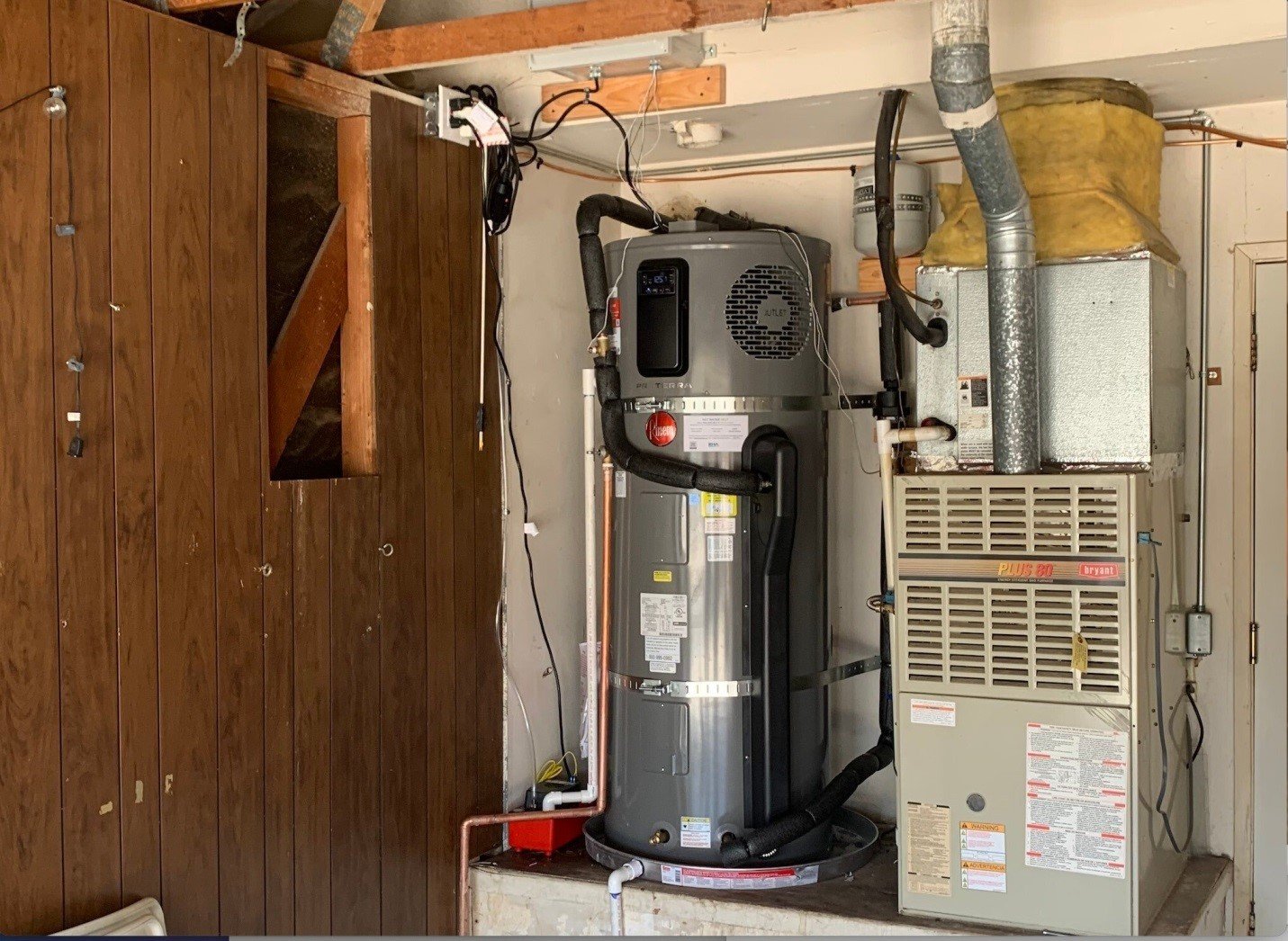
After all, we are talking about a water heater that is known for being highly energy efficient. And then, the fact that it is a plug in one means that you can have it easily installed at your property, without having to do any additional electrical or plumbing work, since the device plugs into a standard household outlet. Furthermore, these are also quite durable, meaning they will pay off in the long run, especially when you get a highly energy efficient one that will save you money on electricity bills, as well as if you potentially make use of some rebates and incentives that could lower the initial costs.
Anyway, the fact that you are here tells me that you have already decided to get this plug in HPWH for your property. The only thing left to do now, thus, is figure out how to, well, do that the right way. That is, how to buy the perfect device for yourself. And, that is something that we will discuss below, taking you through the steps that you should take, as well as letting you know of the factors you should consider in order to ultimately make the perfect decision. Click this to learn what you need to know about HPWHs.
Choose the Right Size
It should go without saying that choosing the right size is of utmost importance here. And, to select the right size, you will need to determine your particular household needs, as well as think about the actual space where you want to have this device installed. Choosing the right tank capacity is definitely crucial, so don’t make any hasty decisions here, and get some advice from professionals if you’re not sure how to make this choice on your own.
Check Efficiency Ratings
Moving on, you will also have to check the efficiency ratings. When getting a plug in HPWH, you can surely expect the device to be energy efficient. Yet, you should know that there are different ones out there, and that their energy efficiency ratings are also different. Your task here is to get a device that has a good energy efficiency rating, as that is how you will save money on electricity in the long run.
Consider Noise Levels
Most plug in HPWHs tend to be quiet, but this is something you should check, instead of assuming. This goes especially if you’re planning on having the device installed, say, near a sleeping area, or in a small apartment. The idea is for you to check the sound ratings before making any kinds of buying decisions, if the noise level is a factor for you.
Research Different Brands and Compare
Naturally, in addition to simply checking the devices and their quality, you should remember to research the different brands as well, and then compare them. The goal here is for you to get an amazing, Easy-install plug-in heat pump water heater from a reliable and reputable brand that is known for offering great quality products. So, take time to research those brands out in more details, and then ultimately choose the best one for you.
Keep Warranties in Mind
Keeping warranties in mind is also of great importance here. In short, you want the professionals you get this product from to offer you warranties on the device. So, check those out to see how long they last and what it is that is covered.
Compare the Prices
Finally, remember to compare the prices. But, also remember to check for tax credits, rebates and incentives. That way, you will ultimately get the best plug in HPWH for a completely fair price, and thus save on your investment right from the start.
Introduction to Rule 10b5-1 Trading Plans
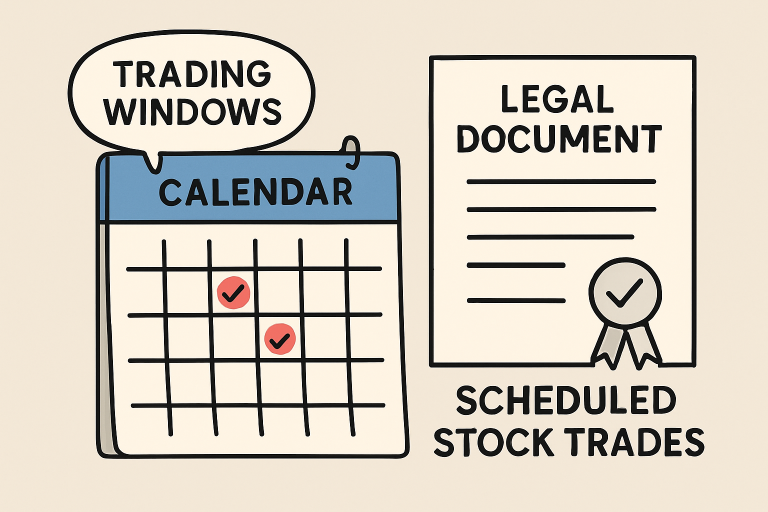
Navigating insider trading regulations is a critical responsibility for corporate insiders and executives. The SEC’s Rule 10b5-1, established in 2000, was designed to provide executives with a legal avenue to trade company stock without the risk of being accused of insider trading—so long as the trades are set up in advance according to predetermined criteria. 10b5-1 trading plans are structured to allow such scheduling, helping insiders demonstrate that trades were not influenced by material nonpublic information (MNPI) at the time of plan adoption.
These plans are increasingly important given today’s volatile market environment and the heightened scrutiny surrounding executive stock sales. As regulatory scrutiny increases, having a robust 10b5-1 plan is not just a good idea—it’s essential for maintaining transparency, supporting effective compliance, and protecting both the individual and the corporation.
By leaning on these predetermined schedules, corporate officers can focus on running the business, secure in the knowledge that their trades are insulated from legal risk, so long as the rules are strictly followed. This blend of rigor and flexibility is why so many companies encourage key personnel to use 10b5-1 plans as a core tool for insider trading risk management.
For those new to this topic or seeking to understand the nuances of regulatory compliance in executive trading, this guide clarifies the structure of 10b5-1 plans, highlights key recent changes, and offers practical implementation tips.
Recent Regulatory Changes and Their Implications
In December 2022, the Securities and Exchange Commission made significant amendments to Rule 10b5-1 to address potential abuses and increase investor confidence. Some of the most notable changes include:
- Cooling-Off Periods: Directors and officers who establish a 10b5-1 plan must now wait a specified period before the plan’s first trade can be executed. This cooling-off period, commonly 90 to 120 days, is meant to ensure that trades are not coordinated on the basis of inside information.
- Restrictions on Multiple and Overlapping Plans: Executives are now restricted from using multiple, overlapping 10b5-1 plans or single-trade plans, practices that previously enabled potential manipulation of trade timing and volume.
- Enhanced Public Disclosure: Companies must provide more detailed disclosures in their quarterly reports to the SEC about insiders’ adoption, modification, or termination of 10b5-1 plans, thereby boosting transparency for investors and market participants.
These reforms are designed to close loopholes and elevate market integrity. Executives and companies alike need to adapt quickly to these amendments in order to avoid unwanted regulatory attention or reputational damage. For an in-depth breakdown of these SEC rule changes, see this SEC press release. Overall, the updated Rule 10b5-1 requirements underscore the SEC’s broader push for greater transparency, accountability, and investor protection. Staying informed and aligning internal trading policies with these reforms can help organizations maintain compliance while reinforcing trust with shareholders and the broader market.
Best Practices for Implementing 10b5-1 Plans
To ensure both full regulatory compliance and the credibility of insider trading defenses, executives should adhere to the following best practices for designing and managing their 10b5-1 trading plans:
- Establish Plans Only During Open Trading Windows: Initiate or modify plans when you do not possess MNPI, ideally during company-authorized open trading periods. This supports the plan’s good-faith nature.
- Respect the Required Cooling-Off Period: Never execute trades until the mandatory cooling-off period has elapsed. Any deviation can undermine the plan and raise red flags with regulators.
- Avoid Overlapping Plans: Limit yourself to one active 10b5-1 plan to avoid the appearance of gaming the system and to align with new restrictions.
- Maintain Detailed Records and Approvals: Document the rationale, approval process, and dates of plan adoption, modification, or termination. These records will be essential if the plan’s legitimacy is ever called into question.
- Conduct Regular Reviews: Revisit your plans periodically with legal counsel and compliance teams to ensure ongoing alignment with current laws and your company’s policies.
Many experts recommend a proactive approach to plan management, including regular training sessions and audits, to help prevent unintended violations.
Conclusion
For corporate executives and insiders, 10b5-1 trading plans are indispensable tools for lawful participation in equity markets. As regulatory expectations and enforcement intensify, careful adherence to best practices—matched with rigorous disclosure and diligent plan maintenance—forms the foundation for effective compliance. Remaining informed, seeking regular legal counsel, and following the latest guidance from agencies like the SEC will help executives safeguard their interests and uphold corporate integrity for long-term trust with stakeholders.

Why Modern Homeowners are Moving Away from Manual Pool Maintenance

6 Best Movies for Travel Lovers