Tips & Guides
Wollmatten: Guide to Woolen Mats & Their Benefits


Wollmatten, or woolen mats, have been a beloved choice for homes and interiors for centuries. But what exactly are they? These cozy creations are more than just decorative pieces; they provide warmth, comfort, and style to any space. Whether you’re looking to elevate your living room aesthetics or simply want a soft spot underfoot, Wollmatten can transform your environment in countless ways. With their unique blend of functionality and beauty, it’s no wonder that woolen mats have remained popular throughout history. Let’s dive into the fascinating world of Wollmatten and discover why they’re worth considering for your home!
History and Origins of Woolen Mats
Woolen mats, or Wollmatten, boast a rich history that dates back thousands of years. They originated in ancient civilizations where wool was readily available and valued for its durability.
The earliest known woolen mats were crafted by nomadic tribes. These communities relied on sheep for both food and textiles. Mats provided warmth and comfort during harsh winters while serving practical purposes in daily life.
As cultures evolved, so did the designs and techniques used in making these mats. The art of weaving became more refined with each generation. Different regions developed their unique patterns influenced by local traditions.
Throughout history, woolen mats have been symbols of status as well as practicality. From humble beginnings to exquisite works of art, they reflect human creativity intertwined with functionality across time periods and societies.
The Benefits of Using a Wollmatten
Wollmatten offer an array of benefits that enhance both comfort and functionality in your space. One standout feature is their natural insulation properties, which keep rooms warm during chilly months. This makes them a perfect choice for those seeking cozy living environments.
These woolen mats excel at moisture absorption too. They can efficiently regulate humidity levels, creating a healthier atmosphere in your home.
Softness is another hallmark of Wollmatten. Their plush texture feels delightful underfoot, providing warmth and cushioning that elevates everyday experiences.
Sustainability plays a pivotal role as well. Made from renewable materials, woolen mats are biodegradable and environmentally friendly choices that contribute to eco-conscious living. Embracing Wollmatten means supporting sustainable practices while enjoying their numerous advantages in your home or office setting.
A. Natural Insulation
Wollmatten are known for their exceptional natural insulation properties. The fibers in wool create tiny air pockets that trap heat, making them perfect for maintaining a comfortable temperature in your home.
During colder months, these mats help retain warmth, ensuring your space feels cozy without relying heavily on heating systems. This not only enhances comfort but can also lead to energy savings.
In warmer seasons, Wollmatten wick moisture away from the body and allow airflow. This helps regulate temperature by keeping rooms cooler and fresher.
Using woolen mats contributes to a healthier indoor climate as they naturally reduce humidity levels. They act as thermal barriers while promoting a breathable environment where you feel at ease year-round.
B. Moisture Absorption and Control
Wollmatten excel in moisture absorption, making them a smart choice for any living space. Wool fibers have a unique structure that can absorb up to 30% of their weight in moisture without feeling damp. This quality helps regulate humidity levels indoors.
When the air is too dry, Wollmatten release absorbed moisture back into the environment, creating a balanced atmosphere. Conversely, during humid conditions, these mats efficiently soak up excess moisture.
This natural ability not only enhances comfort but also contributes to healthier indoor air quality. By reducing the presence of mold and mildew, woolen mats create a cleaner living space.
Choosing Wollmatten means investing in textiles that actively work to maintain your home’s ambiance while keeping it cozy and inviting. Their capability to manage humidity makes them an ideal option for various settings—from bedrooms to playrooms.
C. Comfort and Softness
Walking on a Wollmatten feels like stepping onto a cloud. The natural fibers provide an unmatched softness that cradles your feet.
This unique texture enhances any space, inviting you to take off your shoes and enjoy the warmth beneath you. Wool’s inherent qualities make it both plush and resilient, ensuring long-lasting comfort.
Whether placed in living rooms or bedrooms, these mats create a cozy atmosphere perfect for relaxation or gathering with friends. You can feel the difference immediately as they soothe tired feet after a long day.
Beyond mere aesthetics, their softness fosters an environment conducive to peace and tranquility. It’s this combination of luxury and functionality that makes Wollmatten truly special in any home setting.
D. Sustainability
Wollmatten stand out for their eco-friendly properties. Made from natural wool, they are biodegradable and renewable. Choosing woolen mats is a step towards reducing waste in our homes.
The production of Wollmatten typically involves minimal chemicals compared to synthetic alternatives. This ensures that your indoor air quality remains pure while supporting sustainable farming practices.
Additionally, manufacturers often source wool from sheep farms that prioritize animal welfare. By opting for these products, you’re investing in ethical practices that benefit both the environment and local communities.
When properly cared for, Wollmatten can last for years without losing their charm or functionality. Their durability means fewer replacements over time, which ultimately leads to less environmental impact.
Every little choice counts when it comes to sustainability. Embracing Wollmatten not only elevates your space but also contributes positively to the planet’s health.
How to Choose the Right Wollmatten for Your Needs
Choosing the right Wollmatten involves considering several key factors. First, think about the space where you’ll use it. Different rooms have unique needs in terms of style and functionality.
Next, pay attention to the size. Measure your area carefully to ensure a perfect fit. A well-sized mat can enhance a room’s aesthetic while providing comfort.
Material quality matters too. Look for 100% wool options for durability and warmth. Check if it’s hand-woven or machine-made, as this affects both texture and longevity.
Color and pattern are essential elements that can complement your decor or add a pop of interest.
Consider any specific requirements like hypoallergenic properties or stain resistance based on your lifestyle or household dynamics.
Maintenance and Care Tips for Wollmatten
Taking care of your Wollmatten is essential for preserving their beauty and longevity. Start with regular vacuuming to remove dust and debris. A gentle vacuum attachment works best; harsh brushes can damage the fibers.
If spills occur, act quickly. Blot the area with a clean cloth rather than rubbing it, which could push liquid deeper into the wool. For stains, use a mild detergent mixed with water and apply it carefully.
Every now and then, give your mat a thorough cleaning by using professional services specialized in wool textiles. This ensures all dirt gets removed without compromising quality.
Keep your Wollmatten away from direct sunlight to prevent fading over time. Rotating them periodically helps distribute wear evenly across the surface.
Store them properly when not in use—preferably rolled up instead of folded—to maintain their shape and texture for years to come.
Creative Uses for Wollmatten
Wollmatten are incredibly versatile, making them perfect for various creative uses. They can transform a simple living room into a cozy retreat. Layering a wool mat under furniture adds warmth and texture to any space.
Use Wollmatten in children’s play areas. Their soft surface provides comfort during playtime while protecting little ones from hard floors.
For outdoor enthusiasts, consider using wool mats as picnic blankets or camping gear insulators. They offer natural protection against cold ground surfaces.
Crafty individuals can repurpose old wool mats into unique home décor items like wall hangings or cushions. A bit of creativity turns them into eye-catching art pieces.
Don’t forget about using Wollmatten in your entryway! They effectively trap dirt and moisture, keeping your home clean while adding an inviting touch to the entrance area.
Conclusion
Wollmatten offer a unique blend of comfort, functionality, and sustainability that few other materials can match. Their rich history reflects craftsmanship passed down through generations, giving them an authentic touch in any space. The natural insulation properties ensure warmth during colder months while maintaining a comfortable atmosphere year-round.
Choosing the right Wollmatten can greatly enhance your living environment, providing both aesthetic appeal and practical benefits. Maintenance is straightforward; with proper care, these mats can last for years while retaining their beautiful qualities. From traditional uses to contemporary applications, their versatility shines through.
Incorporating Wollmatten into your home not only elevates your decor but also embraces eco-friendly practices that benefit the planet. Whether you’re seeking comfort underfoot or looking for stylish elements to complement your interior design, woolen mats are a choice worth considering. Embrace the charm and advantages of Wollmatten in your life today!
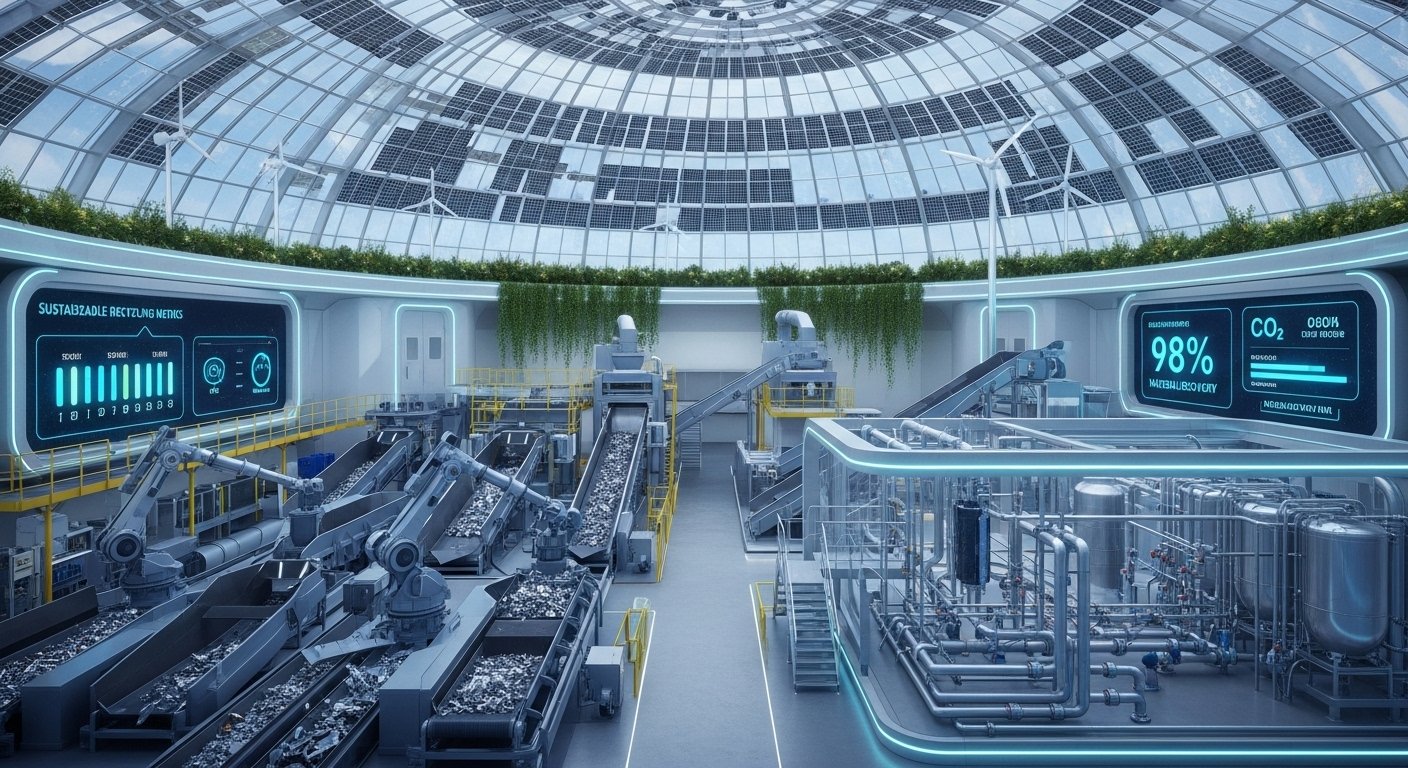
Table of Contents
- Technological Advancements in Metal Recycling
- Regulatory Changes and Their Impact
- Market Trends and Economic Implications
- Case Studies in Innovative Recycling
- Challenges and Opportunities Ahead
- Conclusion
Global industries searching for practical ways to improve sustainability increasingly recognize scrap metal recycling as a cornerstone for reducing environmental impact. Responsible recycling is critical in preserving natural resources, lowering greenhouse gas emissions, and fueling innovation across manufacturing sectors. A core understanding of what can metal be used for reveals the astonishing breadth of applications made possible through recycled metals, ranging from construction to consumer goods.
Modern advancements have integrated scrap metal recycling into a circular economy, where recovered metals can be reused endlessly. As technology progresses, regulations evolve, and demand grows, the sector’s outlook is optimistic yet complicated. Ensuring transparency and responsible practices is crucial for sustainability. Questions still exist regarding whether current infrastructure and global supply chains can meet future goals. The focus is not only on increasing recycling rates but also on doing so more efficiently. This article discusses technological, regulatory, and economic shifts, emphasizing innovations such as AI-based sorting and urban mining. These advances are critical for policymakers, businesses, and communities aiming for a low-carbon future.
Technological Advancements in Metal Recycling
The latest wave of technology has dramatically increased the efficiency and output of scrap metal recycling centers. Artificial intelligence (AI), for example, powers new sorting systems that can quickly distinguish between ferrous and non-ferrous metals, even from mixed waste streams. These smart sorters apply machine learning to maximize the quality and purity of recycled outputs, reduce labor costs, and improve worker safety.
Meanwhile, the widespread adoption of Electric Arc Furnaces (EAFs) is transforming the steel industry. EAFs run almost entirely on scrap metal, making possible closed-loop recycling systems that were unimaginable just a decade ago. As EAFs emit substantially less carbon dioxide than blast furnaces, they are critical to addressing emissions in heavy industry and strengthening global commitments to limit climate change.
Regulatory Changes and Their Impact
Global awareness of environmental risks has led to tighter regulations across the entire recycling value chain. California’s Senate Bill 404, for example, proposes that state authorities, rather than cities or counties, oversee scrap metal recycling facilities to unify environmental standards and streamline permit processes. Such policies encourage legal clarity and consistency, reassuring investors and local communities alike.
Across the Atlantic, the European Union’s Innovation Fund has dedicated billions of euros to support sustainable projects, including efforts in low-carbon metal recovery. These policies aim to build global leadership in sustainable resource use and to introduce standardized metrics that enable fair comparisons across markets and industries.
Market Trends and Economic Implications
The surging global demand for sustainably sourced materials has positioned the recycled metals market as a key growth industry. According to market analyses, the value of scrap metal recycling could exceed $386 billion by 2030, driven by increased uptake across sectors such as automotive manufacturing, green construction, and renewable energy.
With the rise of electric vehicles (EVs) comes a rush for lightweight, efficient metals such as aluminum and copper that can be recycled repeatedly without losing performance. Manufacturers are already investing heavily in closed-loop systems, recognizing that standing still risks falling behind as the market shifts to prioritize recycled content. Overall, innovative supply chain management and digital transformation are the hallmarks of companies poised to thrive in this new era.
Case Studies in Innovative Recycling
Nth Cycle’s Efficient Extraction
Nth Cycle, a pioneer in advanced metal extraction, focuses on recovering strategic materials from electronic waste. Their purification technologies enable them to extract nickel and cobalt with 90 percent fewer greenhouse gas emissions than traditional mining. The company demonstrates that high-tech approaches can close resource loops and unlock value from what was once considered waste, while making a compelling case for broader adoption across the electronics industry.
Urban Mining and Taiwan’s Circular Economy
Taiwan has become a world leader in “urban mining,” recovering precious and industrial metals from obsolete infrastructure and consumer electronics. Companies like Solar Applied Materials Technology Corporation repurpose everything from power grid cables to outdated computers, helping to ensure reliable supplies of essential metals while reducing dependence on virgin mining. These efforts highlight the ingenuity required to meet both environmental targets and new market demand.
Challenges and Opportunities Ahead
Significant hurdles remain before the sector can claim full sustainability. Transitioning entire steel industries to EAFs, for instance, involves a complete reconfiguration of international scrap trade flows and logistics. Many regions still lack the policy incentives or financing needed to make the necessary upgrades, and some materials are more difficult to recycle cost-effectively than others. Supply chain transparency, technological access, and workforce training will remain central issues as recycling volumes increase.
Nonetheless, these challenges also offer fertile ground for innovation. Investment in AI and robotics, smarter sorting systems, and next-generation materials management can unlock new economic opportunities. The organizations best positioned for long-term growth will be those that anticipate regulatory shifts and integrate sustainability into every part of their business strategy.
Conclusion
Sustainable scrap metal recycling is at a pivotal moment. Front-line technologies and progressive regulations are turning recycled metals into a competitive advantage, providing viable solutions for both ecological stewardship and industrial growth. As the industry navigates ongoing changes and overcomes looming obstacles, it is set to play an increasingly vital role in a greener, more resource-efficient future.
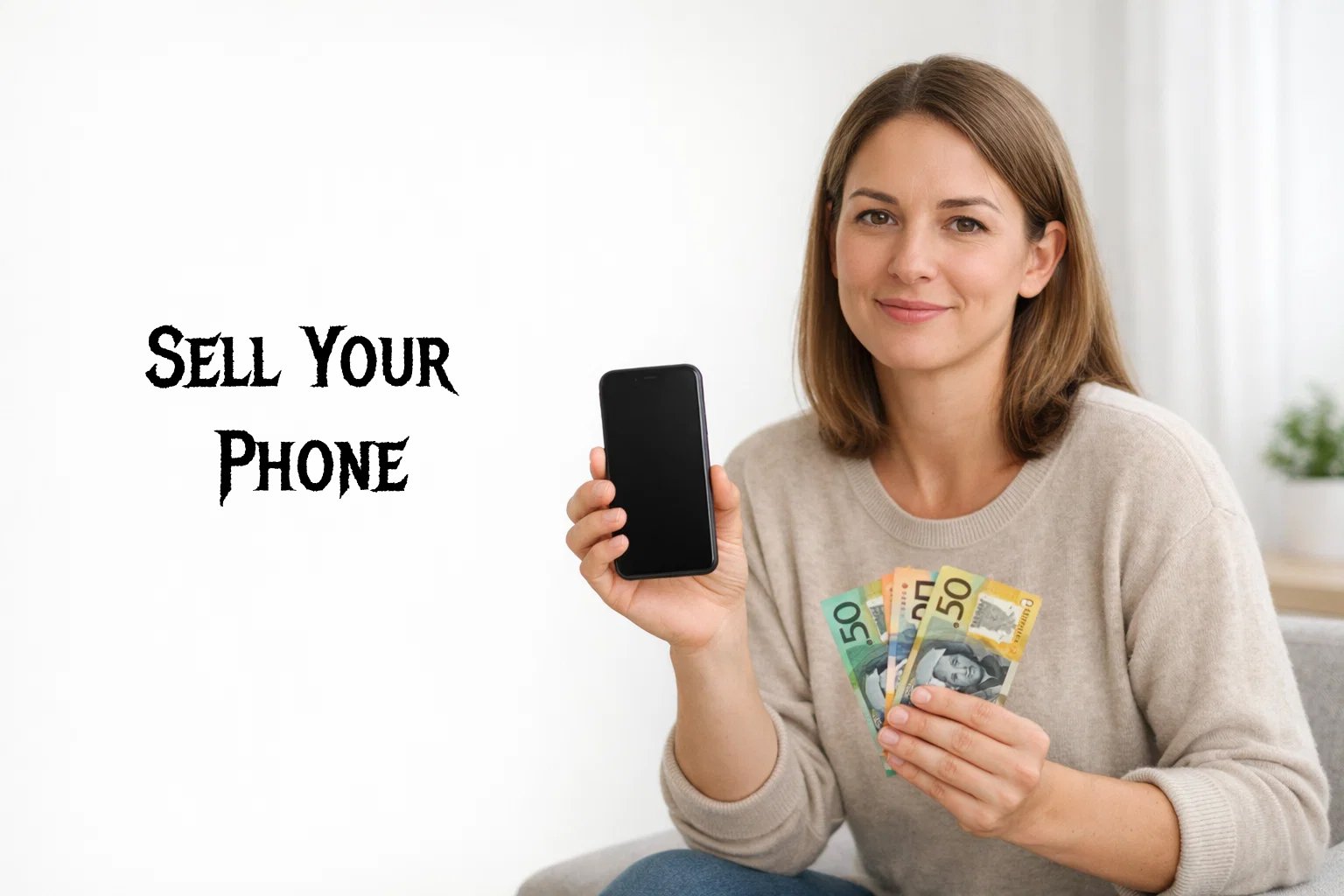
Selling an old phone in Australia has become far simpler than it used to be. What was once a forgotten device at the back of a drawer can now be a quick source of extra cash if you choose the right path.
Many people hesitate because they’re unsure where to start or worry about wasting time, getting underpaid, or dealing with unreliable buyers. With more selling options available than ever, knowing which ones are actually worth using makes all the difference.
This guide explains the most practical ways to sell phones in Australia, based on real-world selling behaviour, not marketing promises. It’s designed to help you choose an option that fits your priorities whether that’s speed, safety, or value.
Why Aussies Are Selling Their Old Phones More Than Ever
Australia has a strong phone-upgrade culture. New models drop every year, plans get refreshed, and before you know it, last year’s device is sitting unused. Instead of letting it collect dust, more people are choosing to sell Phone devices while they still hold value.
Another big factor is resale prices. Modern smartphones are built better and last longer, which means even a two- or three-year-old phone can fetch a decent return if it’s in good nick.
Cost-of-living pressure also plays a part. With everyday expenses creeping up, selling an unused phone can be an easy way to free up extra cash without changing your lifestyle.
Then there’s sustainability. Aussies are becoming more conscious of e-waste, and selling or reusing phones keeps valuable materials in circulation rather than heading to landfill. It’s one of the few times doing the right thing environmentally also helps your wallet.
What Actually Makes a Place the “Best” to Sell Your Phone?
Not all selling options are equal. The “best” place to sell comes down to a mix of practical factors, not flashy promises.
Fair pricing matters most. You want an offer that reflects your phone’s real condition, not a headline price that disappears after inspection.
Speed of payment is another key point. Waiting weeks to get paid can be frustrating, especially if you’re counting on the money for your next upgrade.
Ease of process counts too. Complicated forms, endless emails, or unclear steps quickly turn a good deal into a chore.
Trust and safety shouldn’t be overlooked. You’re handing over a valuable device that once held your personal data, so transparency and secure handling are essential.
Finally, customer support makes a difference when something goes wrong or you have a question. Clear communication builds confidence from start to finish.
Your Main Options to Sell Phones in Australia
Online phone buy-back platforms
These services focus entirely on buying phones. They typically offer instant quotes, structured condition grading, and a clear selling process making them increasingly popular with Aussies.
Private buyers & classifieds
Selling directly to another person can sometimes get you a higher price. The downside is time and risk. Messages, no-shows, negotiations, and safety concerns can turn a simple sale into a drawn-out process.
Phone trade-in programs
Trade-ins are convenient if you’re buying a new phone, but they usually offer lower value. You’re often locked into store credit rather than cash, which isn’t ideal if you want flexibility.
Local repair shops & resellers
Some local shops buy phones outright. This can be quick, but prices vary widely, and offers may be conservative to protect their resale margins.
How Different Phone Selling Options Compare
| Option | Convenience | Payment Speed | Pricing | Risk Level |
| Private buyers | Low | Slow | Variable | High |
| Trade-ins | High | Fast | Low | Low |
| Local resellers | Medium | Fast | Medium | Medium |
| Online buy-back services | High | Fast | Competitive | Low |
Why Online Phone Buy-Back Services Are Taking Over
Online buy-back services have changed how people sell phones. The biggest drawcard is convenience. You can get a quote in minutes without leaving home.
There’s no haggling, which removes a lot of stress. Prices are usually fixed based on condition, so you know where you stand.
Most services offer free postage or home pickup, saving time and travel. Payment is often same-day or next-day once the phone is checked, which beats waiting around.
This is where Mobile Guru buy-back platform comes into the picture, offering a streamlined way to sell without the usual back-and-forth.
What to Do Before You Sell Your Phone
Back up your files
Save photos, contacts, and important data to the cloud or a computer before handing the phone over.
Remove accounts & SIM cards
Log out of Apple ID or Google accounts and remove your SIM to avoid activation issues later.
Factory reset properly
A full reset protects your personal information and ensures the phone is ready for its next owner.
Check condition honestly
Be upfront about scratches, battery health, or faults. Honest grading avoids price adjustments later.
Clean your phone
A quick clean makes a surprising difference to first impressions and perceived value.
Tips to Get the Best Price When You Sell Your Phone
Timing matters. Selling just before or shortly after new releases often gives better results than waiting months.
Choose the right condition grade. Don’t undersell a well-kept phone, but don’t oversell one with obvious wear.
Compare multiple offers before committing. Even small differences can add up.
Including accessories like the original box or charger can sometimes boost value.
Presentation counts too. Clear details and accurate information build trust, especially with services such as Mobile Guru, where transparency helps lock in the quoted price.
A Trusted Option Aussies Are Using to Sell Phones
Many Australians prefer a straightforward approach, when they Sell Your Phone, and that’s why buy-back services are growing fast.
A good service offers a simple online quote process with no hidden steps. Free shipping removes upfront costs, while transparent pricing ensures the final payout matches expectations.
Fast payments are another big win. Getting paid quickly once your phone is received makes the process feel reliable and stress-free.
Customer experience also matters. Clear updates and responsive support set quality platforms apart. This is why Mobile Guru has built a solid reputation among Australians looking for a smooth selling experience. For people who value clarity and speed, Mobile Guru fits neatly into what most sellers want today.
Common Mistakes to Avoid When You Sell Your Phone
One of the biggest mistakes is forgetting to wipe personal data properly. Always double-check before sending your phone off.
Be wary of unrealistic prices. If an offer sounds too good to be true, it usually is.
Skipping condition checks can lead to disappointing payouts. Take a few minutes to inspect your device properly.
Ignoring terms and payout timelines can also cause frustration. Always read the fine print so you know when and how you’ll be paid.
So, Where’s the Best Place to Sell Phones in Australia?
There isn’t a single option that suits everyone. Some sellers are happy to trade time for a potentially higher return, while others prefer a faster and more predictable outcome.
Private buyers and trade-ins can work in the right situation, but they often come with compromises. For many Australians, online phone buy-back services offer a more balanced solution combining convenience, clear pricing, and faster payments.
If your goal is to sell a phone without unnecessary effort or uncertainty, choosing a service that prioritises transparency and efficiency can make the process far smoother. That’s where Mobile Guru fits naturally into how people prefer to sell phones today.
Are you tired of sky-high energy bills during the sweltering summer months? If so, you’re not alone. Homeowners everywhere are seeking innovative ways to keep their spaces cool without breaking the bank. Enter Markiseteppe—a game-changer in home cooling solutions that could reduce your cooling costs by up to 30%. This versatile and stylish option not only enhances your home’s aesthetics but also offers significant energy savings. Curious about how this simple addition can transform your living space while keeping it refreshingly comfortable? Let’s dive into the world of Markiseteppe and discover its many benefits!
How Does Markiseteppe Work?
Markiseteppe operates on a simple yet effective principle. It combines stylish fabric with advanced technology to create an energy-efficient barrier against the sun’s heat.
When installed outside your windows or patios, this innovative shading solution acts like an umbrella for your home. The specially designed materials reflect sunlight and reduce thermal gain.
As temperatures rise, Markiseteppe keeps indoor spaces cooler by blocking excess heat before it enters the house. This reduces reliance on air conditioning systems, allowing for more natural ventilation.
Additionally, it can be easily retracted when you want to let in light or enjoy a breeze. Versatile and functional, Markiseteppe adapts seamlessly to different weather conditions while enhancing outdoor aesthetics.
By providing shade without sacrificing style or comfort, it transforms how homeowners manage their living environments throughout warm months.
The Advantages of Using Markiseteppe for Cooling Your Home
Markiseteppe offers a smart solution to keep your home cool without breaking the bank. These specially designed awnings provide excellent shade, blocking direct sunlight and reducing heat absorption in your living spaces.
By preventing excessive sun exposure, Markiseteppe helps maintain a comfortable indoor temperature. This means you can rely less on air conditioning, leading to noticeable energy savings.
Another advantage is their aesthetic appeal. Available in various colors and designs, they enhance your home’s exterior while serving a functional purpose.
Moreover, installing Markiseteppe contributes to extended furniture life by preventing fading caused by harsh sunlight. It’s not just about cooling; it’s about preserving the beauty of your interiors too.
These awnings require minimal maintenance. A simple wash every now and then keeps them looking fresh while ensuring they function effectively for years to come.
Cost Savings: Comparing Traditional Cooling Methods to Markiseteppe
Cooling your home can be a significant expense. Traditional methods like air conditioning consume a lot of energy, leading to soaring utility bills during the hot months.
In contrast, Markiseteppe provides an innovative solution that helps maintain comfortable indoor temperatures while minimizing costs. By effectively blocking direct sunlight and reducing heat gain, these sun shades create a cooler environment without relying heavily on power-hungry systems.
Homeowners who switch to Markiseteppe often see savings of up to 30% on their cooling expenses. This is not just about immediate cost reduction; it’s also about long-term sustainability and lower environmental impact.
As energy prices continue to rise, investing in Markiseteppe makes financial sense. It offers both comfort and efficiency while putting money back in your pocket each month.
Installation and Maintenance of Markiseteppe
Installing Markiseteppe is a straightforward process that can be completed by professionals or even handy homeowners. The product typically comes with clear instructions, ensuring you can get it set up without unnecessary hassle. Most installations require minimal tools and can often be done in just a few hours.
Once installed, maintaining your Markiseteppe is simple. Regular cleaning helps keep the fabric free of dust and debris, enhancing its effectiveness. A gentle wash with mild soap and water will do the trick.
Periodic inspections are advisable to ensure everything remains in good condition. Check for any wear or tear that may occur over time, especially after harsh weather conditions. This proactive approach will help extend the lifespan of your Markiseteppe.
If repairs are needed, many manufacturers offer replacement parts or services to make upkeep easier than ever.
Real Life Examples: Success Stories from Homeowners Who Have Used Markiseteppe
Meet Sarah, a homeowner in sunny Florida. She decided to install Markiseteppe after her energy bills skyrocketed during the summer months. Within weeks, she noticed a significant drop in cooling costs—by nearly 30%. Her living room now stays comfortably cool even on the hottest days.
Then there’s Tom from Texas. He was skeptical at first but took the plunge when he realized how much shade these innovative awnings could provide. After installation, his home’s temperature felt noticeably cooler without cranking up the AC.
In California, Lisa transformed her outdoor space with Markiseteppe and simultaneously reduced indoor temperatures. Friends often comment on how refreshing her patio has become.
These stories highlight just how impactful Markiseteppe can be for different homeowners across various climates. Each experience reflects not only comfort but also substantial savings on energy expenses.
Conclusion: Why You Should Consider Installing Markiseteppe in Your Home
Markiseteppe is more than just a stylish addition to your home; it’s a smart investment in comfort and efficiency. With the potential to reduce cooling costs by up to 30%, this innovative solution stands out among traditional methods. It effectively blocks sunlight, keeping interiors cooler without straining your air conditioning system.
The easy installation process and minimal maintenance make Markiseteppe an attractive option for homeowners looking for practical energy-saving solutions. Moreover, countless homeowners have already reaped the benefits, sharing their success stories about reduced bills and enhanced living spaces.
As you consider ways to improve your home’s energy efficiency while enhancing its aesthetic appeal, think about incorporating Markiseteppe into your design plan. By taking this step, you not only prioritize comfort but also contribute positively to reducing overall energy consumption. Making such an upgrade could lead to significant savings on utility bills—an opportunity worth exploring.

Why Modern Homeowners are Moving Away from Manual Pool Maintenance

6 Best Movies for Travel Lovers