News
Red Lobster & TGI Fridays Closures Impact Road Trips


As road trip season approaches, many travelers look forward to familiar stops along the way. For decades, chains like Red Lobster and TGI Fridays have been staples for families seeking a quick bite or a hearty meal. However, recent news about Red Lobster TGI Fridays Closing has left many wondering how these shifts will impact their journeys. With changing consumer habits and economic challenges shaking up the restaurant landscape, it’s time to explore what this means for your next adventure on the open road. Will you find yourself searching for alternatives? Let’s dive into this evolving scenario that could redefine dining on your travels.
Overview of Red Lobster and TGI Fridays closures
The recent news regarding Red Lobster and TGI Fridays closing locations has left many road trippers puzzled. These beloved chains have long been staples for families and travelers alike, offering familiar menus in convenient spots across the country.
As of late 2023, both brands are shuttering several restaurants. While specific numbers vary, this trend signals significant shifts within the dining landscape. Many loyal patrons now find themselves searching for alternatives during their travels.
These closures reflect broader changes within the restaurant industry. Increasing competition from fast-casual options and evolving consumer preferences are reshaping how people dine on the go. Road trips that once featured these iconic stops may soon look quite different as travelers adapt to fewer choices along their routes.
With less access to these favorite eateries, planning becomes crucial for road trip enthusiasts eager to experience local flavors instead of nationwide chains.
Reasons for Closures
The restaurant landscape is shifting dramatically. Changing consumer habits play a crucial role in this transformation. Diners are increasingly leaning toward healthier options and local flavors, leaving traditional chains like Red Lobster and TGI Fridays struggling to keep up.
Economic challenges further complicate matters. Rising ingredient costs, labor shortages, and inflation pressures have hit the industry hard. Many restaurants can’t absorb these expenses while maintaining affordable prices for customers.
Additionally, the pandemic accelerated shifts in how people eat out or order food. More families prefer takeout or delivery over dining in at established chains. This shift has left some well-known brands reevaluating their presence in popular vacation spots.
As consumers prioritize convenience and experience over familiarity, iconic eateries face tough choices about their future viability amid changing preferences.
How the Closures will affect Road Trips
The closure of Red Lobster and TGI Fridays will shift the dining landscape for road trippers. Popular vacation destinations often relied on these chains as go-to stops, providing familiar food options for weary travelers.
With fewer recognizable brands available, families may need to adjust their travel plans. Long-held traditions of grabbing a meal before hitting the road are now evolving. Tourists might find themselves exploring local eateries instead.
This change could open doors to hidden gems in smaller towns that otherwise would have remained unnoticed. Travelers might discover unique regional cuisines or cozy diners that tell a story beyond corporate menus.
However, the absence of fast-casual options can lead to uncertainty for those with specific dietary needs or preferences. The lack of variety could challenge even seasoned road warriors as they navigate unfamiliar territory while seeking suitable dining experiences along their journeys.
Alternative Dining Options for Road Trips
Traveling can be an adventure, especially when it comes to food. With Red Lobster and TGI Fridays closing, road trippers may need to explore new dining options.
Local diners often offer a unique charm. They serve comfort food that brings a taste of the region right to your table. Plus, you get the chance to chat with locals who know the best dishes.
Food trucks are becoming increasingly popular, too. These mobile kitchens whip up everything from tacos to gourmet sandwiches. You’ll find something different wherever you stop.
Don’t overlook grocery stores either. Many have delis or prepared foods perfect for picnics along scenic routes. Stocking up on snacks is also a great way to save money while enjoying the journey.
Consider farm-to-table restaurants in rural areas. They emphasize fresh ingredients and seasonal menus that celebrate local flavors, giving your trip an authentic twist.
The Potential Long-term Effects on the Restaurant Industry
The closures of Red Lobster and TGI Fridays signal more than just a shift in dining options. They represent a significant turning point in the restaurant industry, as consumer preferences evolve rapidly.
As travelers seek new experiences, the iconic chains that once defined road trip meals may fade from memory. This could lead to an increase in local eateries gaining popularity among road trippers eager for authentic bites.
Moreover, with fewer recognizable names on highway billboards, families might find themselves exploring off-the-beaten-path establishments. This shift can spark regional culinary discoveries and foster stronger ties within communities.
However, not all changes are positive. The loss of major chains could challenge franchise employees facing job instability during economic downturns. Navigating this landscape will require resilience from both restaurateurs and diners alike as they adapt to changing times.
Adapting and Supporting Local Businesses during these Changes
The recent news about Red Lobster and TGI Fridays closing locations is a wake-up call for all of us who enjoy road trips. These iconic dining spots have often served as go-to places for travelers craving comfort food while on the move. Their absence will undoubtedly change the landscape of eateries available in popular vacation destinations.
As consumers shift their habits, many are seeking more local and unique dining experiences. This trend signifies a crucial moment for small businesses to step up and fill the void left by these closures. Travelers may find themselves exploring quaint diners or family-owned restaurants that offer authentic dishes representative of regional flavors.
While it’s easy to lament the loss of familiar chains, this situation also presents an opportunity to support local establishments that thrive on community engagement. By choosing to dine at independently-owned restaurants during your next road trip, you help ensure these businesses can continue to grow and flourish amidst changing market dynamics.
There’s no doubt that restaurant culture is evolving as we navigate new economic challenges together. Embracing diverse culinary options not only enhances our travel experience but also strengthens local economies. As we adapt to these changes, let’s remember that every meal enjoyed at a small business contributes to building vibrant communities along our favorite highways and backroads.
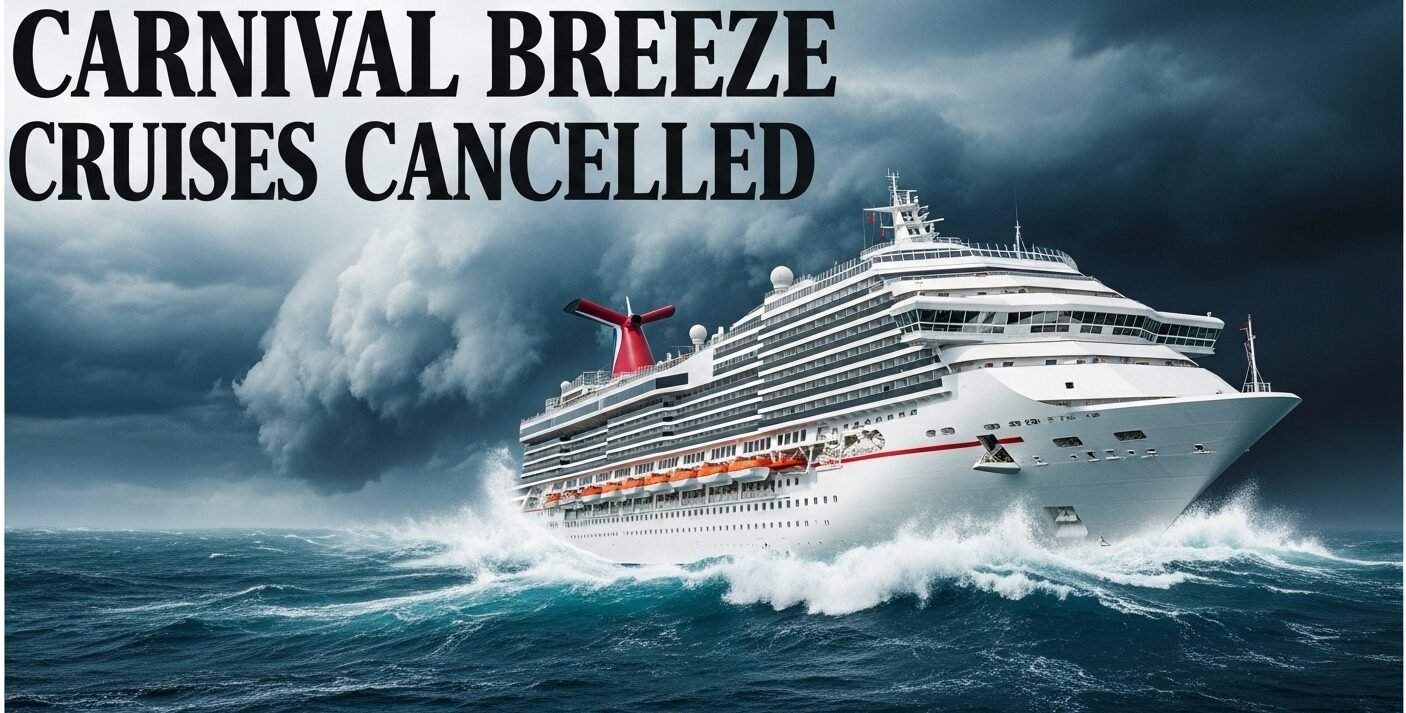
Carnival Breeze Cruises Cancelled have become synonymous with fun-filled vacations, offering everything from thrilling water slides to exquisite dining experiences on the high seas. However, recent news has cast a shadow over this popular cruise line as multiple sailings are now officially cancelled. If you were looking forward to your next adventure aboard the Carnival Breeze, you may be feeling a mix of disappointment and uncertainty. What does this mean for your travel plans? In this article, we’ll delve into the reasons behind these cancellations and what options are available for affected passengers. Stay tuned as we navigate through all the essential information you need during this unexpected disruption.
Reasons for Cancellation
Carnival Breeze Cruises have been cancelled for a variety of reasons, primarily due to ongoing global health concerns. The safety of passengers and crew remains the top priority for cruise lines, leading to difficult decisions about sailing schedules.
Additionally, logistical challenges have played a role. Port restrictions and regulatory changes can disrupt planned itineraries. Weather-related issues further complicate matters, sometimes forcing cancellations last minute.
Another factor is operational adjustments. Many cruise lines are still adapting their practices post-pandemic, striving to enhance safety protocols while maintaining service quality.
These combined factors create an unpredictable environment for travel enthusiasts eager to set sail on Carnival Breeze adventures. As conditions evolve, so too do the plans for future cruises.
Impact on Passengers and Cruise Industry
The cancellation of Carnival Breeze Cruises has sent ripples through the travel community. Many passengers are left feeling frustrated and disappointed, having invested time and money into planning their vacations.
Travel plans often involve anticipation and excitement. When these journeys are abruptly canceled, emotions can run high. Families miss out on quality bonding experiences, while solo travelers lose an opportunity for new adventures.
The cruise industry also feels the strain. With cancellations affecting revenue streams, companies must reassess schedules and operational strategies to regain customer trust. This situation may lead to increased competition among cruise lines as they vie for passenger loyalty in a challenging market.
Additionally, potential travelers might reconsider booking cruises altogether due to uncertainty surrounding future voyages. The ripple effects could be long-lasting if confidence doesn’t return quickly after such disruptions in service.
Refund and Compensation Options for Passengers
For passengers affected by the cancellation of Carnival Breeze Cruises, understanding refund and compensation options is crucial. Carnival offers a variety of remedies to ease travel disruptions.
Travelers can expect a full refund for their cruise fare. This process typically takes several weeks but ensures that funds are returned directly to your original payment method.
In addition, many passengers may qualify for future cruise credits. These vouchers can be used toward upcoming sailings and often include bonus amounts as an incentive.
Carnival also encourages guests to check their email regularly for personalized communication regarding their specific situation. Any additional perks or unique offers will likely be included in these updates.
It’s advisable to stay proactive throughout this process. Reach out directly to customer service if you have questions about your options or need assistance navigating through the available choices.
How Carnival Breeze is Handling the Situation
Carnival Cruise Line is actively addressing the recent cancellations of Carnival Breeze Cruises. The company is prioritizing passenger communication, ensuring that those affected are kept in the loop with timely updates.
Dedicated customer service teams are available to assist travelers with their inquiries and concerns. They’re working hard to provide clear information about next steps and options for those impacted by the disruptions.
In addition, Carnival is implementing flexible policies for rebooking future cruises or applying credits toward upcoming trips. This approach aims to ease any stress passengers may feel during this unexpected change.
To further support customers, Carnival has ramped up its outreach efforts through social media channels and email notifications. Passengers can easily access vital information regarding their reservations anytime.
Alternatives for Affected Passengers
For passengers affected by the Carnival Breeze cancellations, there are several alternatives to consider. First, look into other cruise lines that offer similar itineraries. Many companies have great deals and can provide an equally memorable experience.
If you prefer land-based vacations, think about booking a resort stay in popular destinations like the Caribbean or Mexico. These locations often feature all-inclusive options that cater to families and couples alike.
Another option is to explore road trips. Consider renting a vehicle and hitting some scenic routes along your favorite coastlines or national parks. This allows for flexibility in planning your own adventure.
Additionally, stay tuned for any last-minute deals from travel agencies as they sometimes offer discounted packages to fill empty slots created by cancellations. Being open-minded can lead you to unexpected yet delightful experiences during this time of uncertainty.
Conclusion: Staying Informed and Being Prepared for Future Travel Plans
Staying informed and being prepared for future travel plans is essential, especially in times of uncertainty. With the recent cancellation of Carnival Breeze Cruises Cancelled, passengers are left navigating through a maze of options and decisions. Keeping an eye on updates from the cruise line helps to ensure you’re not caught off guard.
As travel continues to evolve, having flexibility in your plans can make a big difference. Consider alternative destinations or different cruise lines that may fit your schedule better while keeping safety as a priority. Engaging with fellow travelers online can provide insights and tips for adjusting to changes.
Always check official sources for information regarding cancellations or rescheduling so you know exactly where you stand with your bookings. Being proactive will empower you during these unpredictable times. Remember, there’s always another adventure waiting just around the corner when you’re ready to set sail again!
In a significant shift for transatlantic travel, British Airways has announced the permanent suspension of its daily flights from London Gatwick to New York JFK, effective October 25, 2025. This decision marks the end of an era for many frequent flyers who relied on this route for both business and leisure travel. As one of the most popular air links between Europe and North America, this move raises eyebrows and sparks curiosity about what led to such a pivotal change in operations. Travelers now face uncertainty as they plan future trips across the Atlantic. What does this mean for your next adventure? Let’s dive into the details surrounding this flight suspension and explore its broader implications on travelers, employees, and the airline industry at large.
The reasons behind the decision
The decision to suspend the British Airways Gatwick to New York route stems from several intertwined factors.
First and foremost, fluctuating demand for transatlantic flights has played a significant role. Post-pandemic travel patterns have shifted, with many travelers opting for direct routes or more competitive pricing offered by other carriers.
Operational challenges also contributed to this move. Limited aircraft availability and staffing shortages have made it increasingly difficult for airlines to maintain their schedules consistently.
Additionally, rising operational costs are hard to ignore. Fuel prices and airport fees in both London and New York have surged, squeezing profit margins further.
British Airways is likely reassessing its network strategy as it seeks to focus on routes yielding better returns while ensuring sustainability in an ever-evolving market landscape.
Impact on travelers and employees
The suspension of the British Airways Gatwick to New York route significantly disrupts travel plans for many. Frequent flyers, families, and business travelers will need to rethink their itineraries.
For those who relied on this daily connection, there’s a sense of uncertainty. Last-minute changes can lead to stress and additional costs as they seek alternative flights.
Employees at Gatwick also face challenges. The cancellation may result in job insecurity for crew members and airport staff alike. The ripple effect extends beyond just one airline; local businesses that thrive on passenger traffic might feel the pinch too.
Travelers now have less flexibility when planning trips across the Atlantic. Adjusting schedules or finding new routes could become an added hassle during peak travel seasons. This shift leaves many questioning their future travel routines amidst evolving airline policies.
Alternatives for affected travelers
Travelers impacted by the British Airways Gatwick New York suspension have several options to consider. One immediate alternative is flying from London Heathrow (LHR), where multiple airlines still offer direct flights to JFK.
Another possibility includes exploring nearby airports like London City Airport (LCY) or even secondary airports in the greater New York area, such as Newark Liberty International (EWR). These can often provide competitive fares and convenient schedules.
For those open to stopovers, connecting flights through major hubs in Europe or North America might also be a viable choice. This could allow for some sightseeing along the way.
It’s essential for travelers to stay flexible with their plans. Utilizing flight comparison websites can help uncover hidden gems of routes that may suit their needs better than expected.
Possible consequences for the airline industry
The suspension of British Airways’ Gatwick to New York route signals troubling ripples throughout the airline industry. With a major player pulling back on transatlantic services, competitors may feel pressure to reassess their routes and pricing strategies.
Airlines often follow each other’s lead. If BA’s decision is motivated by declining demand, others might reconsider less profitable long-haul flights. This could result in fewer options for travelers and potentially higher fares as competition diminishes.
Moreover, consumer confidence may take a hit. Frequent flyers might hesitate to book international trips if they perceive instability in airline offerings. The ripple effect can also extend to airports reliant on these routes for revenue.
Employment within the sector could face challenges too. Job cuts at airlines or associated service providers become more likely as business contracts due to reduced capacity and shifting travel patterns.
Responses from British Airways and other airlines
British Airways has faced scrutiny since announcing the suspension of its Gatwick to New York route. The airline cited operational challenges and shifting passenger demand as key factors in their decision.
In response, British Airways emphasized their commitment to customer service. They assured travelers that they remain dedicated to providing quality travel options through other routes.
Meanwhile, competitors are already eyeing this gap in the market. Airlines such as Virgin Atlantic and American Airlines may take advantage by ramping up services from Gatwick or expanding offerings at Heathrow.
Industry experts believe this move could spark a fare war among carriers trying to attract displaced passengers.
Travelers might find themselves with more choices but potentially higher prices due to increased competition for seats on alternative flights. The landscape is changing rapidly, reflecting ongoing shifts in post-pandemic air travel dynamics.
What this means for future travel plans
The British Airways Gatwick New York suspension brings uncertainty to many travelers planning trips across the Atlantic. Those who relied on this route may now need to rethink their itineraries.
With fewer direct options, layovers could become more common for passengers. This change might lead to longer travel times and potential complications with connecting flights.
Moreover, frequent flyers could feel the impact on loyalty programs and points accumulation. The benefits they once enjoyed may shift significantly as routes change.
Travelers will also have to stay informed about alternative airlines offering similar services from London’s other airports or even consider different destinations altogether.
Flexibility in travel plans is essential right now. Adjusting expectations and exploring new opportunities can turn challenges into adventures in this evolving landscape of air travel.
Conclusion
The suspension of the British Airways Gatwick to New York route marks a significant shift in air travel between the UK and the US. As travelers adapt to this new reality, they will need to explore alternative options for crossing the Atlantic. The impact on employees at both British Airways and related businesses is profound, sparking concerns about job security and economic stability.
As we look ahead, the airline industry faces various challenges that may reshape flight routes and service offerings. It’s crucial for airlines to remain flexible in response to changing demands from passengers while ensuring their operations are sustainable.
Travelers considering future plans must now navigate these changes with careful consideration. With multiple alternatives available, including different airports or carriers, planning ahead will be essential for a smooth journey across borders.
This development serves as a reminder of how swiftly circumstances can change within aviation. Staying informed about updates is key for anyone looking to travel internationally in an ever-evolving landscape.

If you slip and fall in Los Angeles because someone was negligent, you may be able to file a lawsuit to recover compensation for your injuries. You have to move fast, write down all the details, and check out the local rules to make your case stronger.
Los Angeles is a large city on the Pacific coast. The city’s dense population, busy streets, and numerous businesses and buildings create a high potential for accidents. This environment increases the likelihood of slip hazards in both public and private properties.
If you want to file a Los Angeles slip and fall injury claim, you have to plan carefully and know the local laws. This article arms you with tips to file a slip and fall lawsuit in Los Angeles.
Seek Medical Care Immediately
First, take care of your body. Get medical help right away, even if your injuries seem minor. Medical records do more than just help you get better; they also prove that the injuries you got were caused by your fall.
Report the Incident to the Property Owner
Immediately tell the owner or manager that you fell. Make sure there is a written report or record of the event. Get a copy and keep it safe.
Capture and Preserve Evidence
- Take pictures of the exact hazard (a wet floor or a cracked road) from different angles.
- Take pictures of your injuries, clothes, and the area around you.
- Get the names, contact information, and short statements of witnesses.
- Ask for surveillance or security video footage before it is deleted.
Determine Who’s Responsible
Prove that the owner or manager of the property knew or should have known about the hazard and didn’t fix it, and you got hurt because of it. In Los Angeles, property maintenance standards apply under California premises liability law.
Send a Demand Letter or Claim
You or your lawyer should write a demand letter that summarizes the facts, injuries, and damages. This letter gives the other side a chance to settle before the case goes to court.
File the Complaint
Report the accident to the right court (usually the county where it happened) if a settlement is not made. The complaint states facts, legal basis, and requested damages.
Serve the Defendant
Use a process server or certified mail to deliver the complaint and summons to the defendant. Usually, they have 20 to 30 days to answer (by accepting, denying, or counterclaiming).
Go Through Discovery
Both sides trade documents and take depositions. You can ask the property owner for maintenance records, inspection logs, or emails between employees. When it helps, use expert witnesses.
Negotiate or Go to Trial
Most cases of slip and fall end in a settlement. But your lawyer should get ready for court if it’s needed. To convince a judge or jury, use your evidence, witnesses, and legal arguments.
Key Takeaways
- Preserve evidence immediately, as hazards can be fixed, videos can be deleted, and memories can fade.
- Don’t talk to insurance agents until you’ve talked to a lawyer.
- Under California’s pure comparative negligence rule, your compensation is reduced in proportion to your share of fault
Keep track of all your expenses, invoices, medical bills, and lost wages.

Why Modern Homeowners are Moving Away from Manual Pool Maintenance

6 Best Movies for Travel Lovers