Blog
Why Tire Pressure Is Critical for Fully Custom Lifted Trucks


When it comes to maintaining performance and safety in lifted vehicles, one crucial factor often overlooked is tire pressure. For owners of fully custom lifted trucks near me, getting the tire pressure right can make all the difference between a smooth, controlled ride and a potentially dangerous one. Lifted trucks are engineered for power, clearance, and off-road capability, but those benefits can quickly diminish if tire pressure isn’t properly managed. The increased size, weight distribution, and terrain demands of lifted trucks require precise attention to air pressure levels. This article explores why tire pressure plays such an essential role in the performance, safety, and longevity of custom lifted trucks—and how to maintain the perfect balance for your unique setup.
The Unique Demands of Lifted Trucks
Lifted trucks aren’t just standard pickups with bigger tires—they’re carefully modified machines designed to handle unique driving conditions. Lifting a truck changes its center of gravity, suspension geometry, and tire dynamics, meaning the manufacturer’s original tire pressure recommendations often no longer apply.
When a truck’s ride height increases, the tires have to support different load angles, absorb more impact from off-road surfaces, and provide stability at higher centers of gravity. The type of lift—whether a suspension lift or body lift—also affects how much stress the tires experience. Suspension lifts, for instance, often require larger tires, which in turn means more surface area in contact with the road and altered air pressure requirements.
Without proper tire pressure, these modifications can lead to reduced traction, uneven wear, poor handling, and even damage to expensive custom parts. In a fully custom lifted setup, getting tire pressure right isn’t just about comfort—it’s about optimizing the truck’s performance and protecting your investment.
How Tire Pressure Impacts Performance
Tire pressure is one of the most significant factors influencing how a lifted truck performs, both on and off the road. When pressure is too low, tires flex more than they should, leading to sluggish handling, poor fuel economy, and excessive wear. Conversely, when the pressure is too high, the tires’ contact patch with the road decreases, resulting in a harsh ride, less grip, and uneven tread wear.
1. Fuel Efficiency
Lifted trucks already have to contend with increased wind resistance and rolling friction due to larger tires and added height. Incorrect tire pressure can make this even worse. Underinflated tires increase rolling resistance, forcing the engine to work harder and burn more fuel. For truck owners who use their lifted vehicles for daily driving, maintaining the correct tire pressure can help offset the natural drop in fuel economy that comes with larger tires and higher ground clearance.
2. Handling and Stability
A lifted truck’s handling characteristics differ from stock trucks, and tire pressure directly affects stability. Too much or too little air pressure changes how the truck grips the road, particularly when cornering or towing. Underinflated tires can cause excessive sidewall flex, leading to sloppy steering and instability at high speeds. Overinflated tires, meanwhile, can make the ride feel bouncy and reduce traction, increasing the risk of losing control—especially in wet or uneven conditions.
3. Braking Performance
Proper tire pressure also plays a crucial role in how quickly a lifted truck can stop. Underinflated tires can cause longer braking distances because less of the tire’s surface is in firm contact with the road. Overinflation reduces that contact even further. Since lifted trucks are heavier and sit higher than stock models, stopping distances are already longer by default—so maintaining ideal tire pressure is key to keeping braking performance safe and predictable.
The Relationship Between Tire Pressure and Load Capacity
Fully custom lifted trucks often feature upgraded suspension systems and larger wheels that allow them to carry or tow heavier loads. However, tires are still the primary point of contact between your truck and the ground, meaning they bear the majority of the vehicle’s weight.
Each tire has a load rating, which corresponds to the amount of weight it can safely carry at a specific air pressure. If the pressure drops below this threshold, the tires can overheat or deform, leading to blowouts or tread separation.
On the other hand, overinflating the tires in an attempt to handle extra weight can cause the tire to lose flexibility, reducing traction and increasing the likelihood of damage on rough terrain. Finding the perfect tire pressure balance for your truck’s specific load setup is critical—especially when hauling heavy equipment, towing trailers, or going off-road.
Tire Pressure and Off-Road Performance
One of the most common mistakes lifted truck owners make is keeping tire pressure the same for both on-road and off-road driving. The reality is, these two environments require very different pressure levels.
When you’re driving off-road—through sand, mud, rocks, or snow—lowering the tire pressure slightly increases the tire’s footprint. This allows more of the tire to grip the uneven surface, improving traction and reducing the chances of getting stuck.
However, driving with low pressure on paved roads afterward can cause excessive heat buildup, wear, and poor handling. That’s why it’s essential to adjust the tire pressure back to its optimal level before resuming highway speeds. Many lifted truck owners invest in portable air compressors or onboard air systems that make adjusting pressure in the field quick and convenient.
The Risks of Ignoring Tire Pressure
Ignoring tire pressure might seem harmless, but for lifted trucks, it can lead to serious—and expensive—problems over time. Here are some potential consequences:
- Premature tire wear: Uneven tire pressure can wear down certain parts of the tread faster, leading to costly replacements.
- Suspension strain: Incorrect pressure increases vibration and uneven load distribution, putting additional stress on suspension components.
- Reduced traction: Inadequate contact with the road reduces control, especially during sharp turns or slippery conditions.
- Tire blowouts: Underinflation generates excess heat, which can cause blowouts at high speeds—posing significant safety risks.
- Poor ride comfort: Incorrect pressure can make your lifted truck feel unstable or bumpy, reducing overall driving enjoyment.
How to Find the Ideal Tire Pressure for Lifted Trucks
Finding the correct tire pressure for a fully custom lifted truck isn’t as simple as checking the manufacturer’s sticker inside the door. Once you’ve changed the tires and suspension, those factory recommendations are no longer accurate.
To determine the best pressure, you need to consider:
- Tire size and load rating – Larger tires typically require different pressure levels than factory tires.
- Vehicle weight and load distribution – Extra accessories like bumpers, winches, or bed racks can change weight balance.
- Driving conditions – Highway driving, towing, or off-roading all demand different tire pressure levels.
- Personal comfort – Slight variations in tire pressure can influence ride softness or stiffness.
A good starting point is to consult the tire manufacturer’s specifications, which list recommended pressures for different load scenarios. For the most accurate setup, perform a chalk test—mark your tire tread with chalk, drive a short distance, and check how evenly the chalk wears off. Even wear means your pressure is ideal; wear only in the center or edges indicates over- or underinflation.
Tools and Maintenance Tips
Maintaining the right tire pressure requires the right tools and consistent monitoring. Invest in a digital tire pressure gauge for accurate readings and check your pressure at least once a week—or before every off-road trip.
Consider installing a tire pressure monitoring system (TPMS) if your lifted truck doesn’t already have one. These systems provide real-time updates, alerting you when pressure drops too low. Additionally, inspect your tires regularly for leaks, damage, or debris lodged in the tread.
If you frequently switch between terrains, a portable air compressor can save time and ensure proper inflation anytime, anywhere.
Why Proper Tire Pressure Saves Money
Beyond performance and safety, maintaining correct tire pressure also has clear financial benefits. Properly inflated tires last longer, saving you from premature replacements. You’ll also save money on fuel by reducing rolling resistance and improving efficiency.
Moreover, consistent tire pressure reduces wear on suspension components and other drivetrain parts, preventing costly repairs. In essence, a small habit like checking your tires regularly can yield major long-term savings.
Conclusion
With the added weight, height, and power that come with custom lifts, properly inflated tires ensure stability, traction, and longevity.
By understanding how tire pressure affects handling, load capacity, and off-road capability, truck owners can protect their investment and enjoy smoother, safer rides on any terrain. Regular pressure checks, quality equipment, and terrain-specific adjustments are the keys to keeping your lifted truck performing at its best—no matter where your adventures take you.
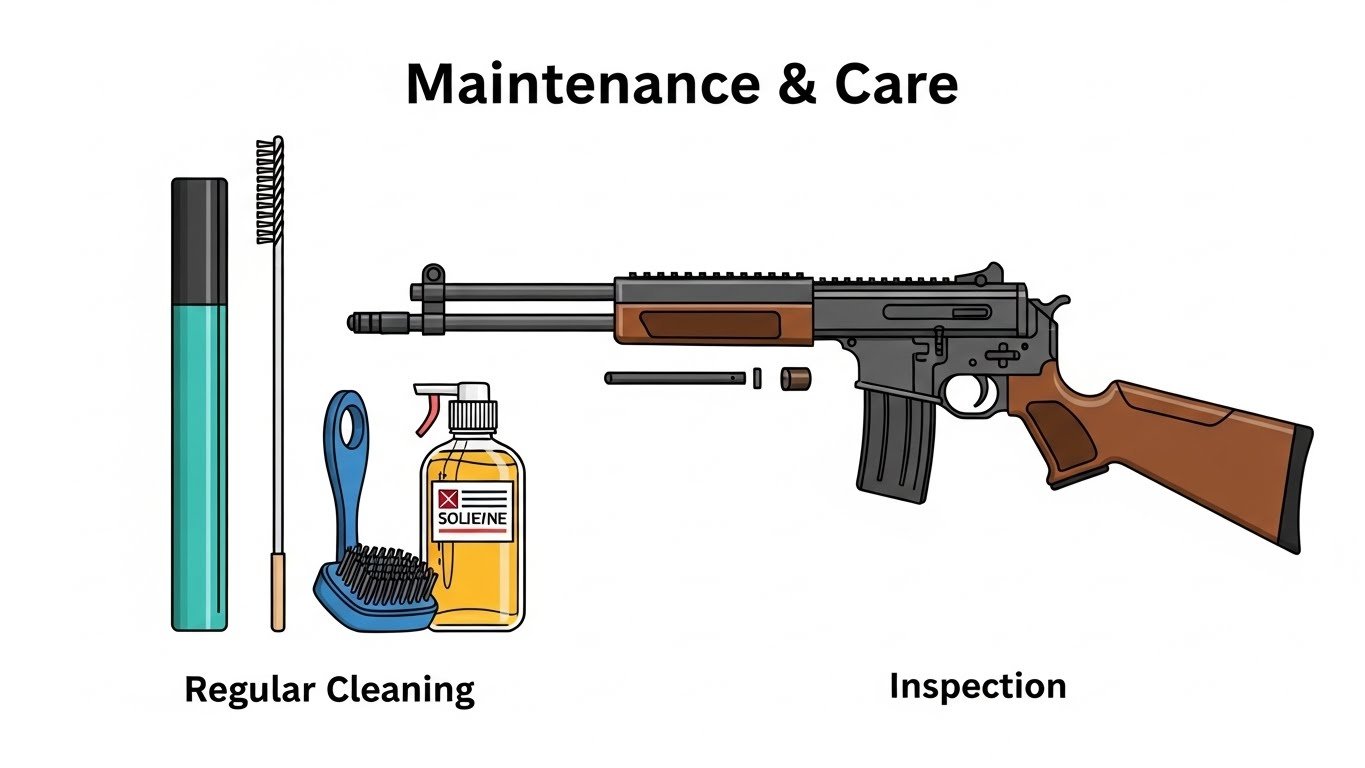
Fear can make smart people rush. For many owners, firearms for self-defense sit at the far end of the plan. A firearm rewards slow thinking and strict routines, whether you’re handling a basic handgun or maintaining rifle components like an AR-15 upper. No hype cycle.
This guide stays practical and direct. It explains how to check local rules before you buy or carry. It covers safe handling, secure storage, training, and post-incident steps. The goal is lawful use of a firearm for self-defense.
A Practical View of Personal Safety and Risk Reduction
Most safety wins happen before any physical conflict. Notice changes in tone, distance, and intent. Leave early when a situation turns unstable. Keep your words short and neutral.
At home, routines reduce surprises. Maintain locks, doors, and outdoor lighting. Keep walkways clear at night. Agree on a simple family plan for emergencies.
De-escalation is a skill you can train. Create space and move toward safer areas. Call for help early when danger feels real.
Start with Legal Compliance
Gun laws vary by state and locality. Rules can change across city lines and venues. Check the rules before you buy, transport, or carry. Recheck after travel or moves.
Start with what affects daily life. Confirm you can legally possess and purchase. Learn how your area treats vehicle transport and “loaded” status. Review carry limits, prohibited locations, and sign rules. Review storage duties in homes with minors or frequent visitors. A legal gun for self-defense matches those requirements every day.
Compliance checklist:
- Verify eligibility rules for your state and local area.
- Learn transport requirements for your vehicle and storage method.
- Review carry limits tied to your carry method.
- Map prohibited places on your common routes.
- Update your checklist after moves or travel.
Self-Defense Law Basics Without Legal Traps
Self-defense law is narrow and fact-driven. It rewards restraint and reasonable judgment. It punishes escalation after danger drops.
An imminent threat means the danger is happening now. Reasonable fear means the facts support your fear in that moment. Proportional response means your actions fit the threat. Defense of others can apply under the same limits.
Location can change expectations. Home rules can differ from public rules. Some places add duties tied to safe avoidance.
Permits and Licensing in Plain Language
Permits depend on location and carry method. Some areas require permits for concealed carry. Some venues stay off limits, even with paperwork.
If your area requires a self-defense gun license, confirm the requirement before carrying. Track renewals and keep documents organized. Keep a simple note of restricted locations you visit often. Update that note after any rule changes or travel plans.
“Without a License” Topics as a Compliance Warning
This topic attracts shortcuts and confident misinformation. People confuse one exception with a general rule.
Treat “no permit needed” claims as a warning label, not a plan. Local rules can limit carry type, transport method, and accessible storage. If you cannot explain the rule clearly, pause and verify it.
Do this first:
- Check permit rules tied to your carry method.
- Review vehicle transport requirements for your route.
- Identify prohibited locations you might enter.
- Learn how posted signs affect private property entry.
- Verify travel rules across county or state lines.
Firearm Safety Rules You Must Follow Every Time
Safety should feel boring and repeatable. Consistency prevents routine mistakes. These firearm safety rules protect you when stress narrows your attention. They also protect the people around you, including family members who may never touch the firearm.
Baseline handling rules:
- Treat every firearm as loaded.
- Keep the muzzle pointed in a safe direction.
- Keep your finger off the trigger until you are ready to fire.
- Know your target and what is beyond it.
Now build daily habits that prevent small errors from stacking up. Good gun safety rules include slowing down during cleaning, avoiding distractions, and securing the firearm before you shift tasks. Those habits matter most on busy days, when you feel rushed and confident.
Safe Storage and Responsible Access at Home
Safe storage prevents unauthorized access and reduces theft risk. Storage should match real life, not ideal life. Plan for children, teens, guests, roommates, and contractors.
Limit access to trained adults only. Keep the routine the same every day. This matters for guns for home defense, because the home includes more than you.
Home storage quick audit:
- Firearms stay locked when not in direct control.
- Keys and codes stay controlled by trained adults only.
- Ammunition stays secured and accounted for.
- Household rules cover guests and service visits.
- Storage gets reviewed after travel or schedule changes.
If you teach one concept at home, teach the rules of firearm safety in the same words each time. Consistency reduces misunderstandings and risky shortcuts.
Choosing a Firearm Responsibly for Home Protection
Selection should reduce error under stress. Reliability and simple operation matter. Choose something you can handle safely and store responsibly.
Pay attention to how a choice fits your household routine. Your storage plan and training schedule should guide the decision. Many owners buy home defense guns and never pressure-test their routines. That mismatch creates avoidable risk.
Be cautious with modifications that reduce reliability or add confusion. Keep the setup conservative and easy to operate.
Training that Reduces Mistakes and Legal Risk
Training builds safer reflexes and better judgment. Treat it as an ongoing routine, not a one-time event. Start with handling discipline and storage routines, then add decision-making under stress and calm communication.
Aim for consistency before speed. Practice stable muzzle control and clear stop points. Those habits matter as much as the gun for home defense you keep in the house.
Dry practice can help, yet it demands strict safety checks and full attention. Keep sessions short, focused, and free of distractions.
If a Defensive Incident Happens
A defensive incident becomes confusing fast. Prioritize safety first, then medical help, then communication. Call emergency services as soon as it is safe. Request medical help for anyone injured.
Provide basic facts and your location, then stop. Avoid speculation and dramatic explanations. Ask for legal counsel before making detailed statements. These steps support responsible ownership of self-defense guns after a crisis.
Common Mistakes that Create Legal and Safety Risk
Many cases go wrong after danger ends. People talk too much out of adrenaline. Others make avoidable compliance mistakes.
Common pitfalls include prohibited locations, improper vehicle transport, unsafe storage, intoxication, and brandishing. Escalation after insults can destroy a lawful claim. Remember, firearms safety rules apply at home and in transit, not only at the range.
Responsible Next Steps for Safe Ownership
Write down your rules. Review carry, transport, and prohibited locations, then recheck them after changes. Audit your storage and fix weak points. Schedule training and commit to a routine you can keep. If you keep a self-defense gun, write your household rules in plain language.

The constant worry over milk supply is extremely widespread, even with moms who are breastfeeding frequently and doing all the right things. As a mother, it is normal to think about is your baby is getting enough milk supplements. That is the reason why you are seeking products that boost milk supply supplements. These products help with lactation, yet it is important to understand their effects before including them in your routine.
Multiple lactation aid products are widespread in the market. There are herbals and scientifically made products available, and it might be overwhelming for you to choose which can actually help. Nevertheless, it is easy to get lost in the world of lactation aids, where numerous products can promise they are the final solution. It is important to know what ingredients are effective and how they help in your body to help you make an informed choice, which is safe and beneficial. This guide will take you through the kinds of supplements, the science of how they work, and the best practices of integrating them with your daily life.
What Are Boost Milk Supply Supplements
Galactagogues are also known as lactation supplements that are used to stimulate and increase milk production. Although others are pharmaceutical, they should be prescribed. Most of the parents use herbal or food-based supplements, which are available over the counter.
- Herbal Galactagogues
These supplements are plant-based, which are from plant extracts that have been used in ancient times by different cultures to assist nursing mothers.
- Nutritional Supplements
They are aimed at supplying large amounts of vitamins and minerals, including Vitamin D, Calcium, and Iron, which are all important to the overall health and energy of the parent who is breastfeeding.
- Food-Based Aids
There are foods that contain ingredients that help boost milk supplements.
You should keep in mind that these supplements are rather to enhance lactation, but not to substitute the biological needs of frequently feeding with milk by nursing or pumping.
Common Ingredients in Milk Supply Supplements
When you take a look at the ingredients of the popular boost milk supplements, you will see a repeated list of botanical ingredients.
- Fenugreek
This is probably the most familiar galactagogue. It is believed to trigger the production of sweat, as the mammary glands are modified sweat glands that can help the production of milk.
- Blessed Thistle
This is another herb that is known to provide benefits to your digestive system and helps in producing milk. It is often paired with Fenugreek.
- Fennel
Another kind of herb that has been known to have the properties of estrogen that increase the volume of milk and can be used to make more milk, and possibly to calm a colicky baby with its milk.
- Moringa (Malunggay)
A vitamin-rich, nutrient-packed so-called superfood that is considered to be especially popular in most cultures because of the high contents of iron and vitamins, which can significantly enhance the quantity of milk.
- Brewer’s Yeast
This contains vitamin B, chromium, and protein, which are the common ingredients in bread that help fight fatigue while breastfeeding.
How Boost Milk Supply Supplements Work
The hormones and the physical demand regulate the biological process of milk production. Supplements act in general through either one of the following mechanisms:
- Phytoestrogens
Herbs have hormone-like components that imitate the hormones that help stimulate the production of milk, and they are prolactin hormones.
- Improves Blood Circulation
There are certain ingredients that are mild vasodilators that enhance blood flow to the mammary tissues. An improved blood circulation makes the nutrients involved in the production of milk efficiently circulated.
- Nutritional Replacement
When you are breastfeeding, it is calorically and nutritionally demanding. Proteins and minerals are essential components that help the body to produce milk
- Stress Relaxation
Some ingredients, such as Chamomile or Lavender, which are also found in some lactation tea will make levels of cortisol drop.
Safety and Side Effects of Milk Supply Supplements
Even though the majority of herbal supplements pose no risk, natural does not necessarily imply that it is risk-free. It is essential to keep an eye on the reaction of your body and your baby to new additions.
It may also trigger allergic reactions. The allergic reactions of those allergic to legumes or to some plants. Since the supplements are not controlled like the drugs, the quality and dosage can be hardly similar across brands.
To be sure, the safest option is to consult the experts before taking any supplements. This is most especially advised to those moms who have health issues to avoid the worst-case scenario. In the instance of negative effects such as digestive discomfort, rash, loss of feeding comfort of your baby, discontinue use of the supplement and re-evaluate. The supply should always be followed by safety.
How to Choose the Right Boost Milk Supply Supplement
In choosing the right supplements, it is important to identify your needs first. In case of such problems as fatigue, it is better to select a supplement that contains additional vitamins and minerals.

- Examine the label: Find those products that indicate clearly all ingredients and specific doses. Do not use supplements that have proprietary blends.
- Search quality assurance: When the tests are done by a third party, and the manufacturing standards are clear, the product quality and safety level are higher.
- Read reviews carefully: The opinions of other moms who breastfed may prove handy, but remember that the outcomes are not the same among people.
- Prioritize Health Comfort: Too much stress can greatly affect your body, especially when you are a lactating mom. To manage this, you can do physical activities without feeling discomfort as long as you have a supportive garment like Momcozy cotton nursing bra that is breathable and will not limit your movements.
Tips for Using Milk Supply Supplements Effectively
The supplements are most effective as an addition to existing milk-boosting behaviors. Remember to be hydrated and consume protein, healthy fats, and complex carbohydrates.
Additionally, rest is important, and some moms neglect this. Even the use of supplements does not eliminate the fact that lack of sleep and stress may disrupt milk production. It is possible to make a significant difference by creating a comfortable feeding environment and putting on non-restrictive clothes.
Lastly, track changes gradually. Take at least a week or two of a supplement before making a decision on whether it is helpful, except when side effects manifest earlier. Never take many supplements together at the same time, it will just make it difficult to see which one is working.
Conclusion
Certain issues related to milk supplies are typical, and supplements are a good solution when applied properly. The combination of realistic expectations, safe ingredients, and strong breastfeeding habits is the best approach. The process is supported by supplements, whereas regular milk removal, nutrition, rest, and comfort are crucial in healthy lactation.
In life, you can determine whether a supplement is worth the ride or not by making the right decisions and listening to your body. The concept of support varies among all moms, and the correct tools with the right use will make you feel more secure and supported when feeding your baby.

Upgrade your workspace 🖥️ Experience ultimate comfort with our lightweight wireless ergonomic mouse 🖱️. Perfect for efficient, strain-free use! 👌
Ergonomic devices contribute significantly to comfort, productivity, and well-being in professional and personal settings. Properly designed equipment supports natural posture, reduces tension on muscles and joints, and allows users to perform tasks with greater efficiency. Among these devices, the computer mouse plays a key role, given the extensive interaction it requires during work, study, or gaming.
Focusing on ergonomic mouse products, such as the Razer lightweight wireless ergonomic mouse, the goal is to minimize discomfort, optimize posture, and enhance precision during prolonged computer use. Investing in a thoughtfully designed device helps reduce repetitive strain, increase control, and improve overall performance, whether for professional tasks or recreational activities.
Defining an Ergonomic Mouse
An ergonomic mouse is crafted to complement the natural shape and movement of the hand, aiming to reduce stress on the wrist and fingers. The design considers grip style, hand size, and user behavior to create a comfortable interface that promotes longer, pain-free usage.
When selecting an ergonomic mouse, several attributes contribute to performance and comfort. Consider grip style compatibility, device size, customizable buttons, adjustable sensitivity (DPI), wireless connectivity, and support for the wrist and palm. Focusing on these features supports both comfort and precise control.
The lightweight design allows effortless movement, reducing fatigue during extended sessions. Wireless connectivity removes cable restrictions, providing freedom of motion and a cleaner workspace. Together, these characteristics create an efficient and comfortable user experience suitable for office tasks, creative work, or gaming.
Advantages of a Lightweight Wireless Ergonomic Mouse
Using an ergonomic device delivers multiple benefits for comfort and productivity. Proper design reduces strain, supports healthier posture, and limits the risk of repetitive stress injuries. Users can maintain longer periods of focus, reducing interruptions caused by fatigue or discomfort.
A lightweight mouse provides superior maneuverability and agility, making it easier to perform delicate tasks or react quickly during gaming sessions. Its portability ensures that professionals or students can transport it easily between different workspaces without sacrificing usability.
Wireless operation simplifies setup, decreases workspace clutter, and allows greater flexibility in movement. Users can position the mouse freely and adjust the workspace according to preference. This freedom enhances efficiency and responsiveness, whether working on complex projects or engaging in interactive gaming experiences.
Overview of Leading Lightweight Wireless Ergonomic Mice
Several models currently stand out in the market for combining comfort, precision, and wireless freedom. High-quality options feature contoured shapes, adjustable DPI settings, responsive buttons, and durable construction. These mice cater to various hand sizes, grip styles, and activity types, offering solutions suitable for both work and play.
A comparative evaluation of available models examines features, performance, weight, wireless range, and user feedback. Some devices focus on professional ergonomics with long battery life and durable components, while others balance affordability with essential functions. This overview helps potential buyers make informed choices aligned with individual needs and preferences.
Ergonomic design and wireless functionality are key differentiators. A well-contoured shape reduces tension on the wrist and fingers, while a lightweight frame allows smooth gliding across surfaces. Wireless connectivity provides freedom from cords, contributing to a tidier workspace and effortless operation in various settings.

Selecting the Right Ergonomic Mouse
Choosing the best option involves analyzing personal requirements, hand size, grip style, and typical usage patterns. Sensor accuracy, DPI settings, button customization, and adjustability for comfort are all important aspects to examine.
Comfort and performance should be matched with intended use. Professionals who spend hours on spreadsheets or graphic design may prefer a larger, palm-supporting mouse, whereas gamers may benefit from faster response times and adjustable DPI settings for precision movements. User preferences regarding aesthetics, battery life, and portability can also influence the choice.
Durability and reliability contribute to long-term satisfaction. Quality devices are built to withstand repeated daily use, and wireless technology ensures consistent performance without interruptions. Rechargeable models or long-lasting batteries further support uninterrupted operation.
Maximizing Benefits
Using a lightweight wireless ergonomic mouse effectively requires attention to posture and workspace arrangement. Placing the mouse at a comfortable height, aligning the wrist naturally, and keeping the forearm relaxed all contribute to reducing strain. Frequent breaks and micro-stretches can maintain comfort during extended work sessions.
Customizing button functions and DPI settings helps tailor the mouse to individual workflows, improving efficiency in office applications or responsiveness in gaming. A clean workspace with adequate lighting supports visibility and reduces unnecessary tension, promoting smooth and precise movements.
Conclusion
A lightweight wireless ergonomic mouse combines comfort, mobility, and control, making it an ideal tool for professionals, students, and gamers. Thoughtful design alleviates strain on the wrist and fingers, promotes better posture, and allows extended use without discomfort. The absence of cords enhances workspace flexibility and movement freedom, while lightweight construction provides precise handling.
Selecting a model that aligns with personal needs and preferences can transform daily computer interactions, increasing productivity and reducing fatigue. Incorporating adjustable settings, responsive buttons, and ergonomic contours helps create a user-friendly experience suitable for varied tasks.
Using a well-designed mouse not only improves work efficiency but also contributes to long-term physical well-being. Its portability, wireless freedom, and comfort-focused design make it an excellent investment for anyone seeking an optimized computing experience.

Why Modern Homeowners are Moving Away from Manual Pool Maintenance

6 Best Movies for Travel Lovers