Home & Decor
Best Practices for Comfortable Apartment Living

Key Takeaways
- Maximize space with multi-functional furniture and smart storage solutions.
- Incorporate personal touches—like art, rugs, and plants—to make your apartment feel like home.
- Adopt sustainable practices to reduce your environmental impact and utility costs.
- Engage with your community to enrich your living experience and foster a sense of belonging.
Introduction to Apartment Living
Apartment living provides a unique opportunity to create a comfortable and practical living space, even in small areas. By combining creative planning, organization, and intentional design choices, even modest apartments can feel spacious and inviting. The Villas Retirement Community is an exemplary community committed to providing comfortable, modern living. This adaptability serves everyone, from first-time renters seeking efficiency to seasoned residents who maximize utility without sacrificing warmth. By being mindful of how you furnish, decorate, and use your space, you can cultivate an atmosphere that feels uniquely yours. Small lifestyle changes, such as adopting sustainable living practices and engaging with the community, can add layers of comfort and fulfillment. By following best practices, you can transform not just the use of space but also the quality of your home life.
Maximizing Space with Multi-Functional Furniture
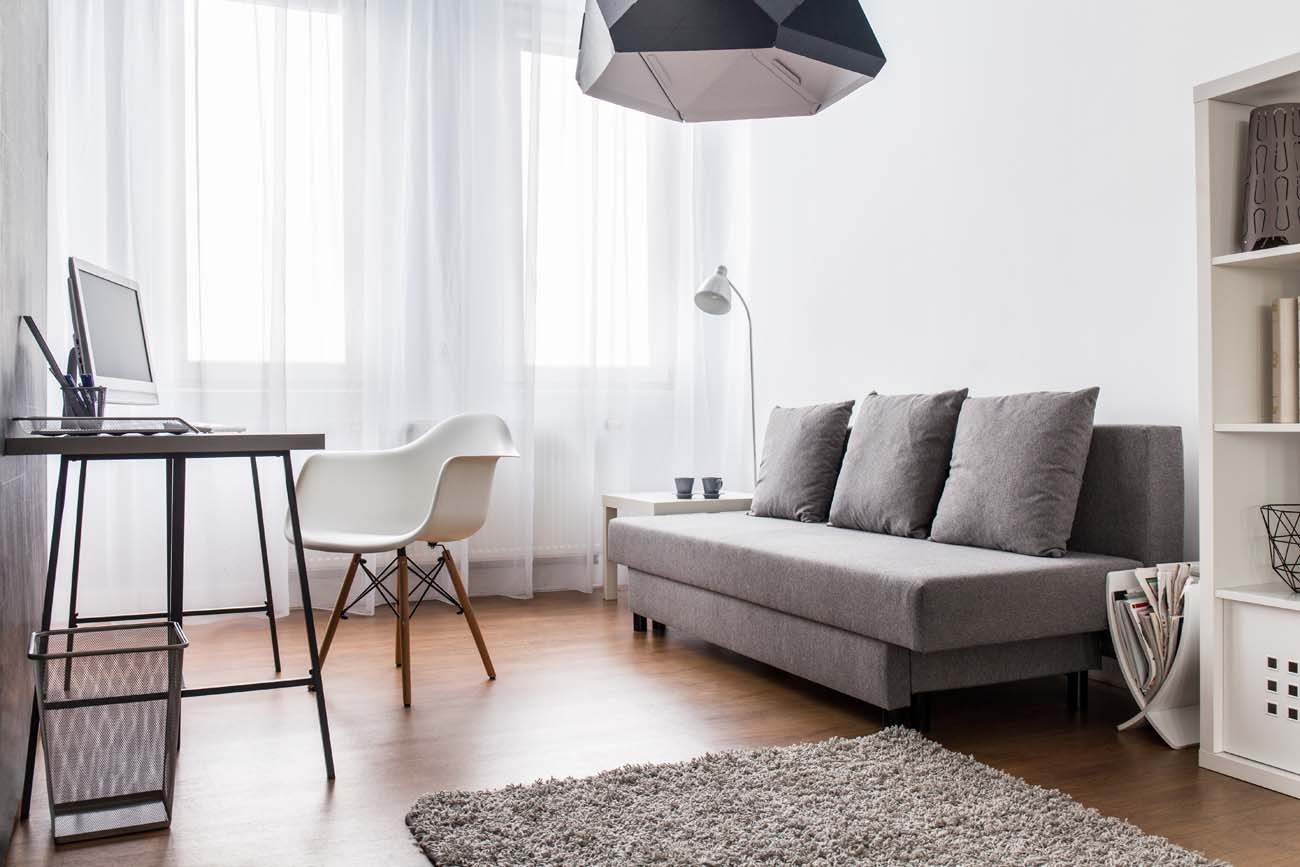
When decorating your apartment, consider multi-functional furniture that serves multiple purposes. For instance, a fold-out sofa is ideal for hosting guests without a dedicated bed, while storage ottomans can serve as both a coffee table and seating. Dining tables with drop-leaf extensions can be used for dinner parties or solo meals, and built-in drawer beds are ideal for both. In communities, these furniture choices not only enhance convenience but also elevate style and livability, making every inch of space elegant and practical. Careful consideration of each new addition to your apartment can lead to both comfort and long-term value.
Personalizing Your Living Space
Transforming an apartment into a personal sanctuary doesn’t require major renovations. Layering soft furnishings, such as throw pillows, blankets, and area rugs, adds warmth and color, making the space feel lived-in. Hanging artwork or family photos adds a personal narrative, while wall-mounted shelves display treasured collections. Removable adhesive hooks and strips enable easy decoration without leaving lasting marks or risking damage to your property. Houseplants, scented candles, and decorative objects create focal points reflecting your personality. Gradually layering these personal touches will make your apartment look and feel like your home.
Implementing Sustainable Practices
Living sustainably is a lifestyle choice that benefits both you and the planet. It involves energy efficiency, such as replacing incandescent bulbs with LEDs, investing in power strips, and choosing Energy Star-certified appliances. Indoor air quality can be improved by introducing houseplants, which filter toxins and enhance well-being. Waste management is also crucial, with recycling bins easily accessible and composting setups for kitchen scraps. By consciously choosing sustainable habits, you foster a healthier, cleaner, and more responsible way of living in your apartment.
Engaging with Your Community
Apartment living offers a unique opportunity to connect with neighbors and the community. Participating in community events, such as potlucks, exercise classes, and book clubs, can foster meaningful relationships. Amenities like fitness centers and game rooms serve as gathering points for friendships. Even brief interactions can build a sense of safety and camaraderie. Over time, these casual connections can develop into lasting friendships and support networks, making your living environment a place where you truly belong. Participating in resident life is a crucial aspect of comfortable and satisfying apartment living, as highlighted by RentCafe’s guide to building community.
Maintaining a Clean and Organized Space
Comfortable apartment living thrives on cleanliness and order. Clutter can rapidly accumulate in smaller living environments, making regular organization essential. Establish a daily routine, even if it’s as simple as 10 minutes of tidying and a weekly deep-clean session. Smart storage solutions, such as under-bed bins, closet organizers, and vertical shelving, allow you to stow away seasonal items out of sight but easily accessible. Labeling containers and grouping similar items streamlines your daily routine, helping to prevent chaotic messes from recurring. A tidy home isn’t just visually appealing—it eases your mind, reduces stress, and saves the time you might otherwise spend hunting for misplaced items. Staying organized enables you to comfortably host guests, relax more fully, and take pride in the inviting environment you’ve created.
Utilizing Vertical Space
Vertical storage can enhance the space of a small apartment by providing additional storage or display options. Mount floating shelves or install tall bookcases for efficient storage. Hang pots, pans, or utensils on wall racks to free up cupboard space. Use shoe organizers, wall-mounted coat hooks, and ladders as towel racks to keep the floor area clear and organized. Install shelving above toilets or doors in bathrooms to create a sense of openness and airiness. Vertical storage not only adds practical real estate but also visually enlarges the apartment.
Incorporating Greenery into Apartment Living
Adding natural elements to an apartment can enhance comfort and tranquility. Greenery, such as succulents, pothos, and herb gardens, can uplift even the smallest spaces. Plants like snake plants, ZZ plants, and philodendrons are ideal for apartment dwellers with limited gardening experience. Tending to plants adds routine, connects with nature, and reduces stress. Indoor plants not only purify air and regulate humidity, but also create a natural sense of peace. With a few potted friends, your apartment can feel fresher, healthier, and more inviting.
Conclusion
Apartment living opens a world of opportunity to craft a space that is stylish, sustainable, and deeply comfortable. Through the careful selection of multifunctional furniture, the infusion of personal touches, the implementation of sustainable habits, attention to organization, and participation in the community, you can create a home tailored to your lifestyle and personal values. Take inspiration from pioneering communities and external resources, such as Apartment Therapy and RentCafe, to continue evolving your apartment into a haven that nurtures, uplifts, and welcomes you every single day.

Bathrooms do not need to look like tile showrooms. A mural can add depth, color, and personality without a remodel. If you have been curious about bathroom wall murals, this guide will give you the rules.
You will learn which materials handle humidity, where murals work best, and how to keep them clean and crisp. You will also see practical style ideas that suit 2026 bathrooms.
Why Murals Belong in Bathrooms
Tile lasts, yet it can feel cold and repetitive. A mural brings softness and story to a space that often lacks art. It can refresh a dated bath without ripping out fixtures.
Print quality has improved. Stone effects, botanicals, and abstracts look sharp at arm’s length.
Moisture is the real hurdle. Choose the right material, prep the wall well, and run ventilation as it matters.
Waterproof Materials That Actually Work
Start with the surface type, not the pattern. In bathrooms, durability beats novelty.
Vinyl-coated and washable papers suit vanity walls and higher-traffic baths. Many qualify as waterproof wallpaper for bathroom use, as long as you keep them out of direct spray.
Removable papers keep improving. For renters, peel-and-stick bathroom wallpaper works best in powder rooms and low-splash zones. It is also a smart test run before you commit to paste.
Non-woven papers can hang smoothly and resist shrinking. Some include moisture-resistant coatings. Treat them as humidity-friendly, not shower-proof.
“Waterproof” often means the face can handle wiping and light moisture. Direct spray and pooled water will challenge seams on any paper.
2026 Mural Styles That Look Right in Bathrooms
Many bathroom wallpaper ideas for 2026 lean calm and intentional. The goal is a spa mood, not a themed set.
Botanical murals feel fresh when the palette stays muted. Soft greens and foggy florals read serene. Save high-contrast jungle prints for small rooms.
Ocean and underwater scenes add depth. Gradients and soft movement hide minor water spots. They pair naturally with white fixtures.
Marble, stone, and concrete effects give an upscale look without cold surfaces. Warm veining works well with brass. Cooler concrete tones suit minimalist spaces.
Abstracts and geometrics feel current when contrast stays controlled. This is where modern bathroom wallpaper fits best. Rounded shapes, tonal lines, and subtle shimmer look refined.
Placement Rules: Dry Zones, Wet Zones, and Shower Limits
Placement makes or breaks the result. Map the room into zones before you order.
Dry zones include vanity walls, toilet walls, and areas beyond direct splash. These spots give you the best longevity and the cleanest edges.
Damp zones sit near tubs and sinks. Use washable surfaces here and protect seams. Keep towels and baskets from rubbing the wall.
Wet zones include shower stalls and any wall that takes direct spray. Avoid wallpaper here. For a shower mural look, use tile, glass panels, or waterproof wall boards.
A common win is a single accent wall behind the vanity. Full coverage works best in powder rooms with a strong fan. Ceiling murals can look striking, yet they demand careful installation.
Color Choices for Small and Large Bathrooms
Color shapes the room’s energy and its sense of space. It also affects how often you notice marks.
Blues and aquas feel clean and restorative. Soft greens feel modern and relaxed.
Warm neutrals work in windowless baths. Sand, oat, and warm greige feel cozy. They also pair well with wood vanities.
Moody jewel tones look rich with layered lighting. Deep teal and ink can feel luxurious in a larger bath. Balance them with light floors.
For small bathroom wallpaper, light does not mean boring. Try tonal patterns, pale stone, or soft clouds.
Size-Based Game Plan
Small powder rooms reward bold choices. Pick one wall and lean in. Dark grounds can work here, since you spend less time inside.
Standard full baths need balance. Choose a focal wall, then keep the other walls quieter. Plan the mural around mirrors and towel bars.
Large primary baths can take scale. Wide landscapes and large stone effects can feel high-end. Keep accessories simple.
Half baths are perfect for playful color. Limit the palette to two or three tones to avoid clutter.
Installation Checklist for Humid Rooms
Humidity magnifies small mistakes. Prep matters more than speed.
- Patch dents and sand until smooth.
- Clean walls and remove soap residue.
- Prime with a wallpaper-ready primer.
- Let the room dry out before you hang panels.
- Mark a plumb line for the first drop.
- Match the pattern at eye level first.
- Wipe paste quickly and roll seams gently.
- Seal edges in damp zones if the product allows.
- Run the fan for several days after installation.
DIY can work in powder rooms and simple layouts. Hire help for ceilings or walls full of cutouts. If your bathroom stays damp, fix ventilation first.
Maintenance That Prevents Peeling and Mildew
Most problems start small. A slow fan and a damp corner can undo good work.
Wipe condensation after hot showers. Use a soft cloth and mild soap on washable surfaces. Skip abrasive sponges that can dull the print.
Keep air moving. Run the fan during showers and for twenty minutes after. Crack the door when possible.
Watch corners and edges. If a seam lifts, repair it right away with the proper adhesive. Keep a small offcut for touch-ups.
Design Coordination: Tile, Finishes, Lighting, Textiles
Treat the mural as the main visual element. Then choose calmer supporting finishes.
If your mural has movement, keep the tile simple. If the mural is tonal, you can add texture in tile.
Fixture finishes change the mood. Chrome reads crisp. Brass warms stone and botanicals. Matte black looks sharp with pale marble effects.
Lighting can elevate the print. Use warm bulbs near mirrors and a brighter overhead for cleaning. Add a small accent light toward the mural if you want extra depth.
Pull two colors from the mural for towels.
Budget Planning Without Surprises
Material cost is only part of the budget. Prep and ventilation can matter more.
Plan for primer, repair compound, blades, and seam tools. Add a buffer for pattern matching and future repairs. Samples save money by preventing wrong-color orders.
DIY lowers labor costs, yet it increases risk in humid rooms. Invest in prep or professional hanging where needed.
Ventilation upgrades pay back. A stronger fan or timer switch helps protect the mural and everything around it.
Mistakes to Avoid
- Using non-washable paper near sinks or tubs.
- Ignoring ventilation and blaming the product later.
- Hanging over glossy paint, dust, or damp patches.
- Forcing busy patterns into tight rooms.
- Choosing a trend that clashes with the permanent tile.
Respect wet and dry zones. That single habit prevents most failures.
Quick Transformations
A dated bath can feel new with a muted botanical mural behind the vanity and warmer lighting. Keep tile and textiles simple.
A powder room can handle drama with a bold abstract accent wall, a new mirror, and two towel colors.
A larger bath can look upscale with a warm stone effect mural and brass accents. Add soft neutral towels and a textured mat.

Wool has long been celebrated for its warmth, durability, and versatility. Yet, despite its rich history in fashion and textiles, the wool industry faces significant challenges today. Enter Woolrec—an innovative initiative that is redefining how we perceive and utilize wool by embracing sustainable recycling practices. This groundbreaking approach not only addresses the environmental concerns associated with textile waste but also paves the way for a more circular economy in fashion.
Imagine turning discarded wool into new materials while reducing landfill waste and carbon emissions. That’s precisely what Woolrec aims to achieve. As consumers become increasingly conscious of their purchasing choices, initiatives like this are essential in promoting sustainability within the industry. Join us as we dive deeper into Woolrec’s mission, explore its benefits for both our planet and economy, and discover how it can shape the future of fashion!
The Process of Wool Recycling
Wool recycling begins with collecting discarded garments and textiles. This crucial first step ensures that valuable resources don’t end up in landfills.
Once gathered, the wool is sorted based on its type and quality. Different varieties are handled separately to maintain the integrity of the fibers for future use.
Next comes the cleaning phase, where contaminants like dirt and synthetic fibers are removed. The result is a pure, ready-to-recycle wool material.
Afterward, the clean wool goes through a carding process. This transforms it into a fluffy mass, making it easier to spin into yarn again or felt for various applications.
Recycled wool can be spun back into new yarns or used in insulation products. Each stage plays a vital role in ensuring that this natural fiber continues its lifecycle efficiently without compromising sustainability efforts.
Benefits of Woolrec for the Environment and Economy
Woolrec offers numerous advantages for both the environment and the economy. By recycling wool, it significantly reduces waste in landfills. This process conserves resources and minimizes pollution associated with new wool production.
Economically, Woolrec creates jobs in sustainable industries. As demand grows for eco-friendly products, more companies are likely to invest in recycled materials. This shift not only boosts local economies but also contributes to a greener future.
Moreover, using recycled wool cuts down on energy consumption compared to virgin material processing. It’s a win-win situation that supports sustainability while delivering quality textiles.
Consumers increasingly seek ethical fashion choices. Woolrec aligns perfectly with this trend, making it an appealing option for brands looking to enhance their environmental footprint without sacrificing style or comfort.
Success Stories of Companies Using Woolrec
Several innovative companies are leading the charge in sustainable practices by adopting Woolrec. For instance, a prominent fashion brand recently launched a collection made entirely from recycled wool sourced through this initiative. The line not only gained popularity for its eco-friendliness but also showcased striking designs.
Another example is an outdoor gear company that has integrated Woolrec into its production process. By using recycled wool insulation, they significantly reduced waste while enhancing product performance.
Moreover, a luxury knitwear label embraced Woolrec to create limited-edition pieces. Each garment tells a story of sustainability and craftsmanship, attracting environmentally conscious consumers who value quality and ethics.
These success stories highlight how integrating Woolrec can redefine industry standards while promoting environmental stewardship. Businesses are realizing that sustainability doesn’t compromise style or functionality; it enhances them instead.
Challenges and Solutions for Implementing Woolrec on a Larger Scale
Implementing Woolrec on a larger scale faces several challenges. One significant hurdle is the fragmentation of the wool industry. Many small producers may lack awareness or resources to adopt recycling practices.
Another issue is the inconsistency in wool quality. Different types and grades of wool can complicate the recycling process, making it less efficient.
To address these concerns, education campaigns are essential. Providing information about sustainable practices can empower smaller producers to participate in Woolrec initiatives.
Standardizing collection methods could also streamline operations. By creating uniform guidelines, recyclers can ensure better quality control while simplifying logistics.
Collaboration among stakeholders is crucial too. Partnerships between manufacturers, retailers, and recyclers can pave the way for innovative solutions that benefit everyone involved.
Investing in technology will play a critical role as well. Advanced sorting and processing equipment can enhance efficiency and reduce costs associated with wool recycling efforts.
Future Possibilities for Woolrec in the Fashion Industry
The future of Woolrec in the fashion industry is brimming with potential. As consumers become increasingly eco-conscious, brands are seeking ways to align their practices with sustainable values.
Woolrec offers a pathway for designers to produce garments that not only look good but also feel good about their environmental impact. This method enables the transformation of discarded wool into high-quality fibers, ready for reuse in trendy collections.
Innovation plays a critical role here. With advances in technology, we can expect even more efficient recycling processes that enhance the quality and versatility of recycled wool products.
Collaboration among brands could pave the way for new standards in sustainability. By uniting forces, companies can create shared supply chains focused on circularity.
As an integral part of this movement, Woolrec has the potential to inspire an entire generation of fashion-forward thinkers dedicated to responsible consumption and production.
Conclusion: The Promising Impact of Sustainable Wool Recycling with Woolrec
The impact of Woolrec on sustainable wool recycling is significant. As our world grapples with climate change and the growing demand for eco-friendly practices, innovative solutions like Woolrec emerge as beacons of hope. By transforming discarded wool into valuable resources, we can reduce waste and promote a circular economy in the fashion industry.
Woolrec not only addresses environmental concerns but also supports local economies through job creation in recycling efforts. This synergy between sustainability and economic growth makes it an attractive option for businesses looking to improve their ecological footprint.
As more companies recognize the benefits of integrating Woolrec into their operations, we may witness a shift in how wool is perceived—from just raw material to a renewable resource that embodies innovation and responsibility. The future could see collaborations across industries harnessing this potential, leading to even greater advancements in sustainable textiles.
The journey toward redefining wool starts here, paving the way for a greener future through responsible practices that honor both nature and community. With commitment from manufacturers, consumers, and policymakers alike, Woolrec stands poised to revolutionize the landscape of fashion while protecting our planet one recycled fiber at a time.
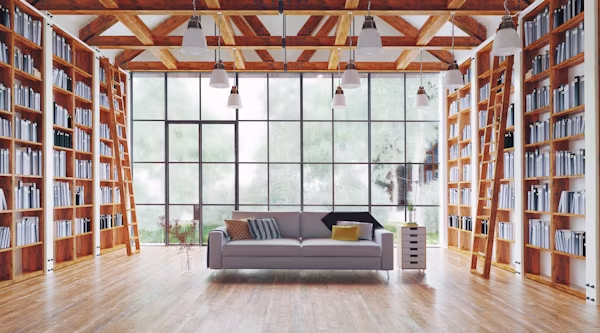
Great interior design isn’t about overspending; it’s about making thoughtful choices that elevate your home’s look and feel. From layout to lighting, smart design strategies can dramatically enhance how a space functions and feels.
Harnessing the Power of Natural Light
Natural light transforms interiors, enhancing mood, creating space, and showcasing colour and texture. Maximise it through large windows, mirrors, and sheer curtains. Skylights and interior glass walls are also effective in brightening darker areas while maintaining privacy.
If you’re seeking tailored solutions to bring more natural light into your home and improve overall ambience, it can be helpful to draw inspiration or seek expertise from professionals in the field, such as those at www.novaricollective.com.au.
Flooring That Anchors the Space
Flooring grounds a room visually and physically. Go for materials like polished concrete, engineered timber, or large tiles for lasting impact and continuity between areas. These choices also increase perceived property value.
Use consistent flooring in open spaces to unify zones, or define areas with rugs and transitions. Keep finishes cohesive for a smooth, intentional flow.
Multi-Functional Furniture for Modern Living
Flexible furniture meets the demands of modern homes. Opt for modular sofas, extendable tables, or storage ottomans to make the most of limited space without sacrificing style or comfort.
Stick with neutral, timeless materials like linen, leather, or wood. These blend well with evolving trends and work across various interior styles.
Colour Psychology and Wall Treatments
Colour directly affects how a space feels. Lighter tones like white, cream, and pale grey expand and brighten, while navy or forest green adds mood and richness. Use darker hues strategically to avoid overwhelming the room.
Introduce texture with limewash, Venetian plaster, or timber panelling. These finishes create warmth, depth, and a sense of luxury without overcomplicating the design.
The Impact of Spatial Planning
A beautiful room can still feel wrong if poorly arranged. Good spatial planning means furniture fits well, traffic flows naturally, and key areas are easily accessible. Leave clear walkways and arrange seating around focal points.
Smart built-in solutions, like banquettes, shelves, or desks, add function while saving floor space, especially in compact homes or apartments.
Personal Touches and Curated Décor
Homes should reflect their owners. Display personal art, keepsakes, or travel finds to add meaning and character. Avoid clutter by rotating items or grouping them in small, themed clusters.
Keep surfaces tidy and décor purposeful. This lets each element breathe and prevents distraction from the overall design concept.
Sustainability in Design Choices
Sustainable design is both ethical and stylish. Choose reclaimed materials, locally made items, and energy-efficient fixtures. This reduces environmental impact while adding value and uniqueness.
Low-VOC paints, organic textiles, and durable surfaces support health and longevity. Small sustainable choices can shape a better interior—and future.
Design That Lasts Beyond Trends
Designing a home that is both visually stunning and practically functional requires thoughtful choices, not endless spending. By focusing on elements that offer high impact, like lighting, layout, colour, and texture, you can transform your home into a space that feels both elevated and deeply personal.

Why Modern Homeowners are Moving Away from Manual Pool Maintenance

6 Best Movies for Travel Lovers